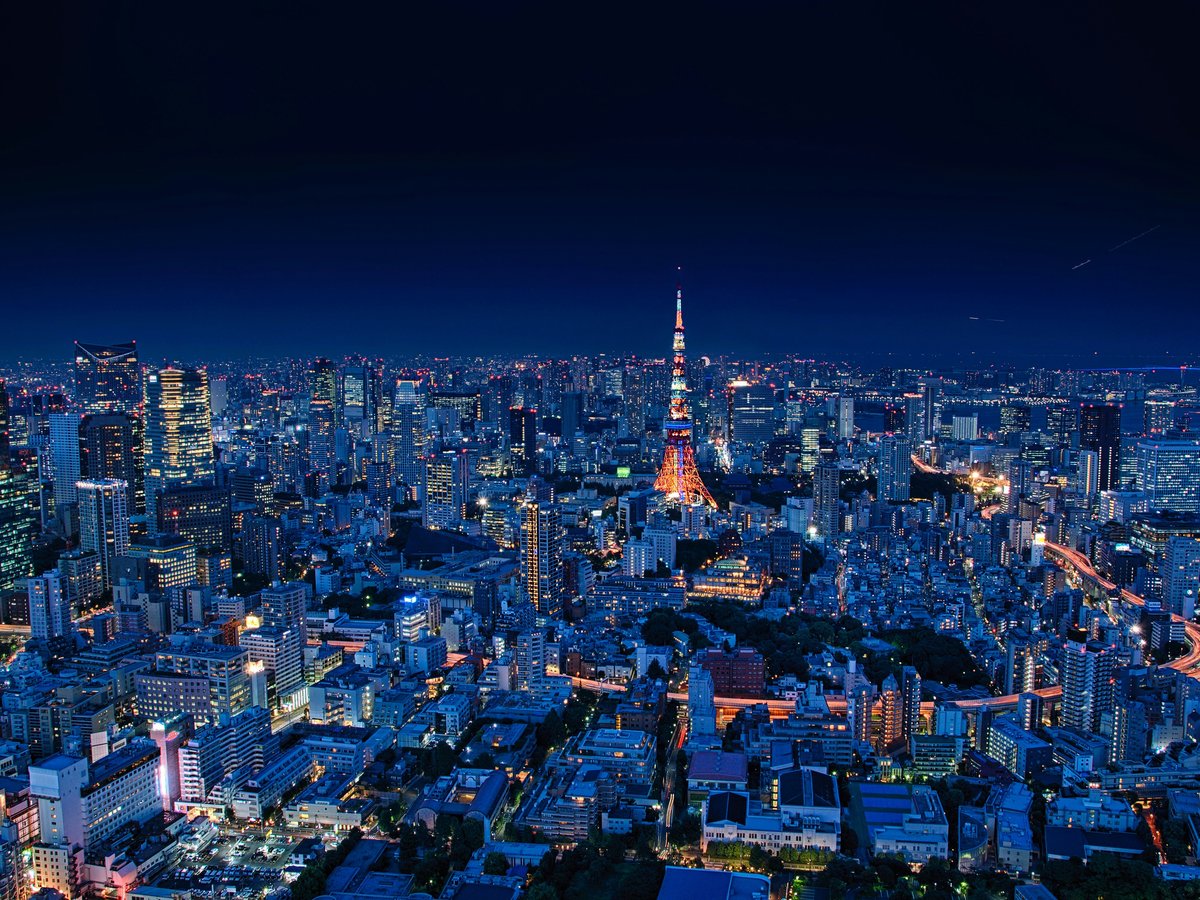
Where do locals actually go in Tokyo?
Tokyo locals drink, bathe and shop along the Chuo and Odakyu lines, far from Shibuya Crossing. A month-long stay starts to feel like living here at four places: Koenji's Kosugiyu bathhouse and the yakitori bars under the JR tracks, Sangenjaya's Sankaku Chitai after 8pm, Shimokitazawa's Bonus Track on weekday afternoons, and Togoshi Ginza's 1.3 km shopping street for groceries.
Koenji is two stops west of Shinjuku on the JR Chuo line, and it's the neighbourhood we'd pick for a month. Its social life runs on a bathhouse: Kosugiyu, a few minutes north of the station, has been a sento since 1933 and still charges the flat Tokyo bath price, currently ¥550, or about $3.48. Go after 10pm on a weekday. The tiles are warm underfoot, the hottest bath sits somewhere near 44°C, and the regulars are office workers and band members, not visitors. Afterwards the same people tend to end up in the yakitori counters under the JR tracks south of the station, where the charcoal smoke hangs low and a highball costs about ¥500. Pal and Look shopping streets put groceries, two coin laundries and a 100-yen shop within a 10-minute walk. Plenty of fashionable Tokyo districts fail that test.
Sangenjaya, one stop past Ikejiri-Ohashi on the Den-en-toshi line, is where you'll find the Sankaku Chitai, a triangle of lanes between Setagaya-dori and Tamagawa-dori packed with bars that seat eight. Most fill from 8pm with Setagaya residents who live within a 15-minute walk, and if you sit alone at the counter, people will likely talk to you by the second drink. Many places add an otoshi, a small dish you did not order plus a ¥300 to ¥500 seat charge. That is standard Tokyo practice, not a scam. Shimokitazawa is roughly 25 minutes north on foot, and Bonus Track opened there in 2020 on land freed up when the Odakyu line went underground. On weekday afternoons freelancers sit on its lawn and benches with laptops, and nobody times their coffee. By 1pm on Saturday the vintage-shopping crowd from Shibuya has taken it over, so keep weekends for something other than work.
Tokyo cafes present a different problem from the ones in Lisbon or Chiang Mai. Many independent kissaten post a 'PC kinshi' (no laptops) sign for the 11:30 to 14:00 lunch rush, and some print a 90-minute limit on the menu. Doutor and Tully's let you stay about two hours, but their free wifi needs a sign-up and drops on busy afternoons, so tether to an eSIM. For silence, the Tokyo Metropolitan Central Library in Minami-Azabu, beside Arisugawa-no-miya Memorial Park, is free to anyone aged 16 or over. The reading room is quiet enough that you can hear pages turn and the air conditioning hum. Ward libraries in Suginami and Setagaya are closer to most monthly rentals but often limit the seats where laptops are allowed.
For the everyday half of a long stay, measure everything against Togoshi Ginza in Shinagawa ward. Its shopping street runs about 1.3 km from the Tokyu Ikegami line station, lined with greengrocers, a tofu shop, and croquette stands charging ¥100 to ¥150, and the smell of frying lard follows you the whole length. Rents in the side streets tend to sit well below Nakameguro's, though furnished monthly units here go fast. Kichijoji, at the western end of the Chuo line, works better for weekends: Harmonica Yokocho, the postwar maze of alleys by the north exit, fills with locals from 6pm, and the Inokashira Park pond is crowded with rowboats every Sunday. October nights are still mild, 17.7°C and clear at 2am this week, so the park benches are usable after dark.
Where they actually go
Kosugiyu
Koenji: A 1933 bathhouse with a temple-style roof. After 10pm on weekdays it is all regulars: office workers and musicians soaking in silence, with the hiss of the shower taps and the smell of cypress and soap.
Yakitori counters under the JR tracks
Koenji: Charcoal smoke, trains rumbling overhead every few minutes, and highballs around ¥500. The Kosugiyu crowd lands here after the bath, with damp hair, on plastic stools.
Sankaku Chitai
Sangenjaya: A triangle of lanes lined with bars that seat eight, under the smell of grilled fish and cigarette smoke. Setagaya residents fill the counters from 8pm. Expect a seat charge with a small dish.
Bonus Track
Shimokitazawa: Low shops on old Odakyu rail land with a lawn and benches. On weekday afternoons freelancers sit on the grass with laptops and coffee. On Saturdays shoppers from Shibuya pack it.
Tokyo Metropolitan Central Library
Minami-Azabu: A silent reading room next to Arisugawa-no-miya Memorial Park, open free to anyone aged 16 or over. Students and researchers, the cool hum of air conditioning, and pages turning.
Togoshi Ginza shopping street
Shinagawa: A stretch of 1.3 km lined with greengrocers, tofu makers, and ¥100 croquettes that smell of hot lard, where residents with bike baskets do their daily shopping. It is a grocery street, not a sightseeing one.
Harmonica Yokocho
Kichijoji: The north exit opens onto a postwar maze of alleys, narrow bars thick with gyoza steam and elbow-to-elbow standing room. Locals fill it from 6pm, and it gets louder after 9pm on Fridays.
Best times to visit
Kosugiyu after 10pm on weekdays. Sankaku Chitai from 8pm, Tuesday to Thursday. Bonus Track from 1pm to 5pm on weekdays only. Togoshi Ginza before 5pm for groceries. Harmonica Yokocho from 6pm.
Last verified by automated review (v1.7.2) on . What is automated review?