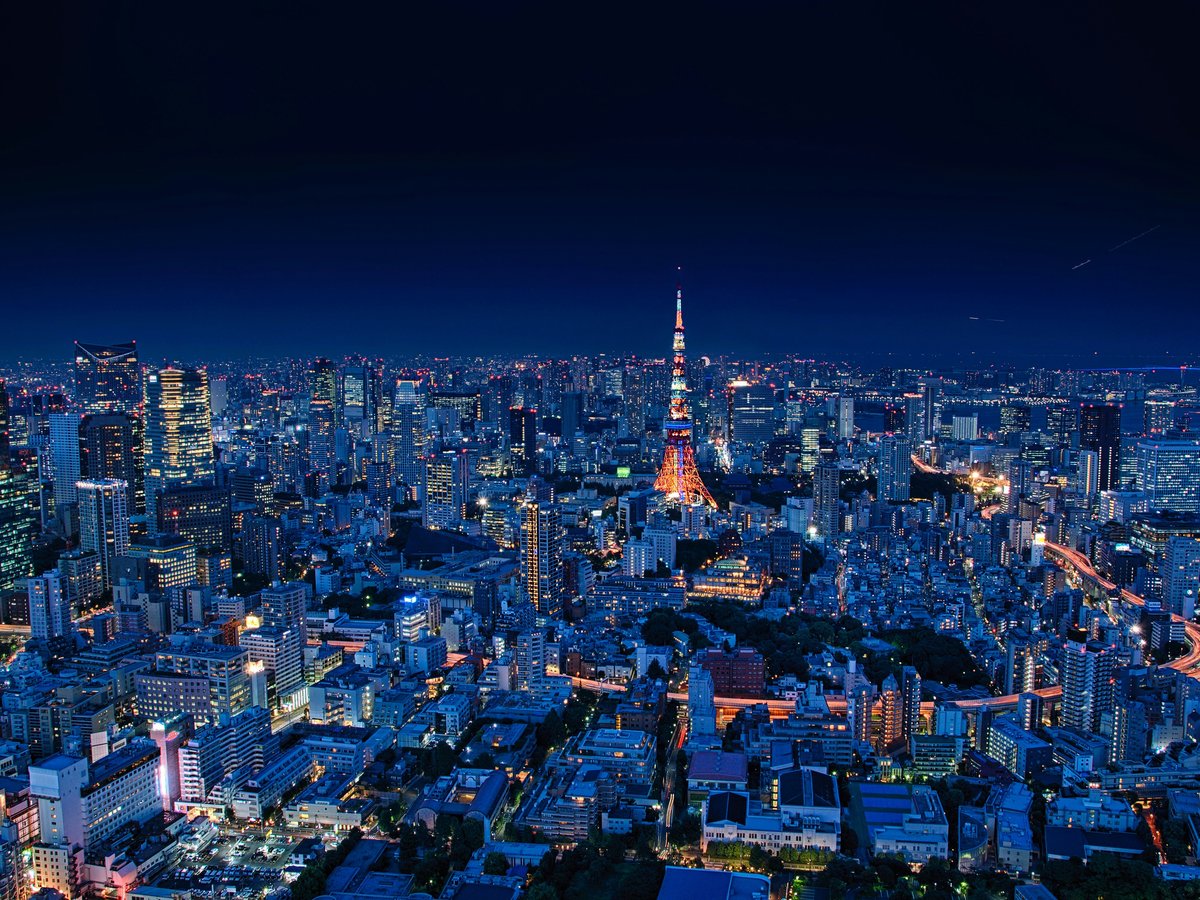
What's happening in Tokyo this week?
Tokyo's week turns on a Monday-closed museum cycle and a Sunday pedestrian-street rhythm. Midsummer humidity brings afternoon rain cells most days. Weekday mornings at Tsukiji Outer Market run before the weekend crowds arrive. Akihabara's Chuo-dori goes car-free on Sundays. Golden Gai's bars are best on weeknights when the regulars come in.
Tokyo's week has a shape most visitors miss. Monday is museum-dark day. Tokyo National Museum in Ueno, open since 1872 and Japan's oldest, closes along with the National Museum of Western Art next door. Most of Ueno's public galleries follow the same Monday closure. Treat Monday as a food and walking day instead. Hit Tsukiji Outer Market by 8am, when the tuna vendors are slicing and the tamagoyaki stalls smell like caramelized dashi and sugar. The market runs daily except Sundays and some holidays, though Wednesday mornings tend to be thinner with scattered closures. Midsummer heat currently sits around 26°C but feels closer to 32°C thanks to 89% humidity. That sticky, heavy air hits you the moment you step off the Yamanote Line. Afternoon rain cells roll through most days, a hard 20-minute downpour that clears by 4pm. Grab a ¥500 folding umbrella from any konbini.
Sunday is the standout day. Akihabara's Chuo-dori, the main boulevard through the electronics district, closes to traffic and becomes a pedestrian zone from early afternoon until evening. In peak summer that means hours of walking down the middle of a 6-lane road while cicadas drone from the zelkova trees. Saturday evenings, Shibuya Crossing peaks around 8pm with roughly 3,000 people per light cycle. The 2nd-floor Starbucks in the Tsutaya building gives the best overhead view, but Hachiko Square at street level is where the people-watching happens. Friday and Saturday nights in Shinjuku's Golden Gai are tourist-heavy now. The 6-seat bars fill with English speakers and cover charges creep to ¥1,000-1,500. Go Tuesday or Wednesday instead. The regulars drink shochu, the cover stays at ¥500, and the mama-san might talk to you.
Senso-ji in Asakusa runs 7 days a week, but the experience shifts by day. Weekday mornings before 9am, you might have Nakamise-dori's 250-meter shopping lane nearly to yourself. The grilled senbei smoke and the incense haze from the Kaminarimon end of the lane land differently when you can smell them without a crowd. Meiji Shrine in Harajuku is the same story. Arrive by 8am on a weekday and the gravel path through the camphor forest feels like a different city from the Takeshita Street crowds 200 meters south. Weekend mornings at Meiji bring Shinto wedding processions, priests in white robes leading couples through the inner courtyard. That is worth timing for if you happen to be nearby Saturday or Sunday before noon. Tokyo Skytree, the 634-meter tower that opened in 2012, has the opposite pattern. Weekday afternoon tickets are easier to get, and the observation deck at 350 meters gives clearer views when the summer haze lifts around 5pm.
The weak yen, currently around ¥164 to the dollar, makes Tokyo's food absurdly accessible on a USD budget. A bowl of tsukemen at Fuunji near Shinjuku Station runs ¥850-1,050, about $5-6. Lunch sets at neighborhood restaurants come in at ¥800-1,200 for a full tray with rice, miso, pickles, and a main dish. Department store basements, called depachika, peak on weekday evenings around 6pm when Shinjuku and Nihonbashi office workers grab bento. Isetan and Mitsukoshi are the two to visit. Discount stickers appear around 7pm, and by closing time ¥1,500 sushi trays sell for ¥900. Friday evening depachika runs are a weekly ritual for Tokyo residents. The B1 seafood counters at Mitsukoshi smell like ocean and vinegared rice.
No verified events are listed for this week. We publish only events we can confirm against an official source, never guesses.
Last verified by automated review (v1.7.2) on . What is automated review?