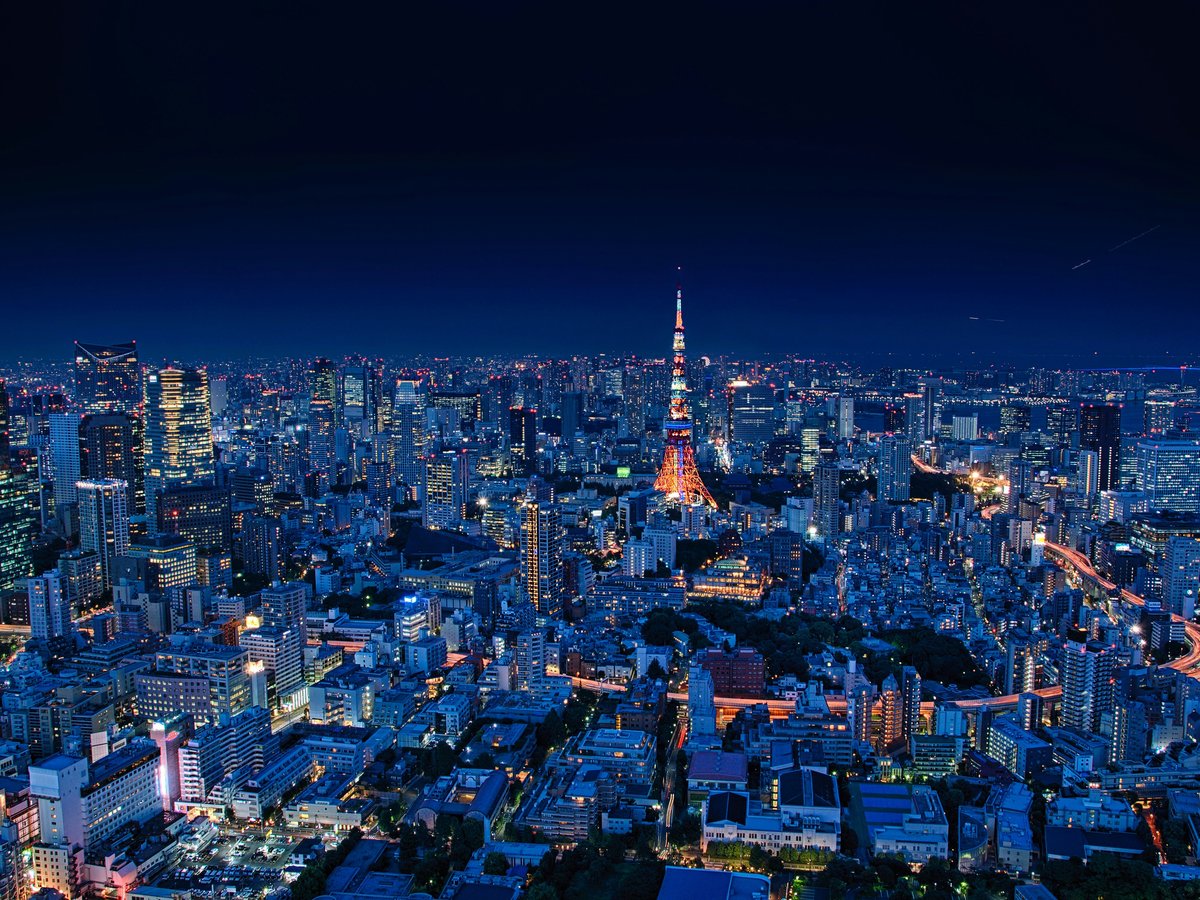
Tokyo's museum scene is built around national institutions with real depth. The Tokyo National Museum dates from 1872 and the National Museum of Nature and Science from 1877, and both are designated Important Cultural Properties of Japan. The National Museum of Western Art stands at 7-7 Ueno-koen and is part of a UNESCO World Heritage Site; the science museum's postal address is also in Ueno-koen, so a single day in that park can cover Japanese art, Western art and natural history. The list then moves out from that core. The Ghibli Museum is an art museum in Mitaka, the Tokyo Metro Museum is a railway museum in Edogawa, and the Edo-Tokyo Open Air Architectural Museum sits inside a metropolitan park in Koganei. These twelve are for visitors who would rather plan around opening hours than queue at whatever is trending this week. Several stay open until 20:00 on chosen evenings, and for anyone with a few days in the city, that is the single most useful fact to take from this list.
-
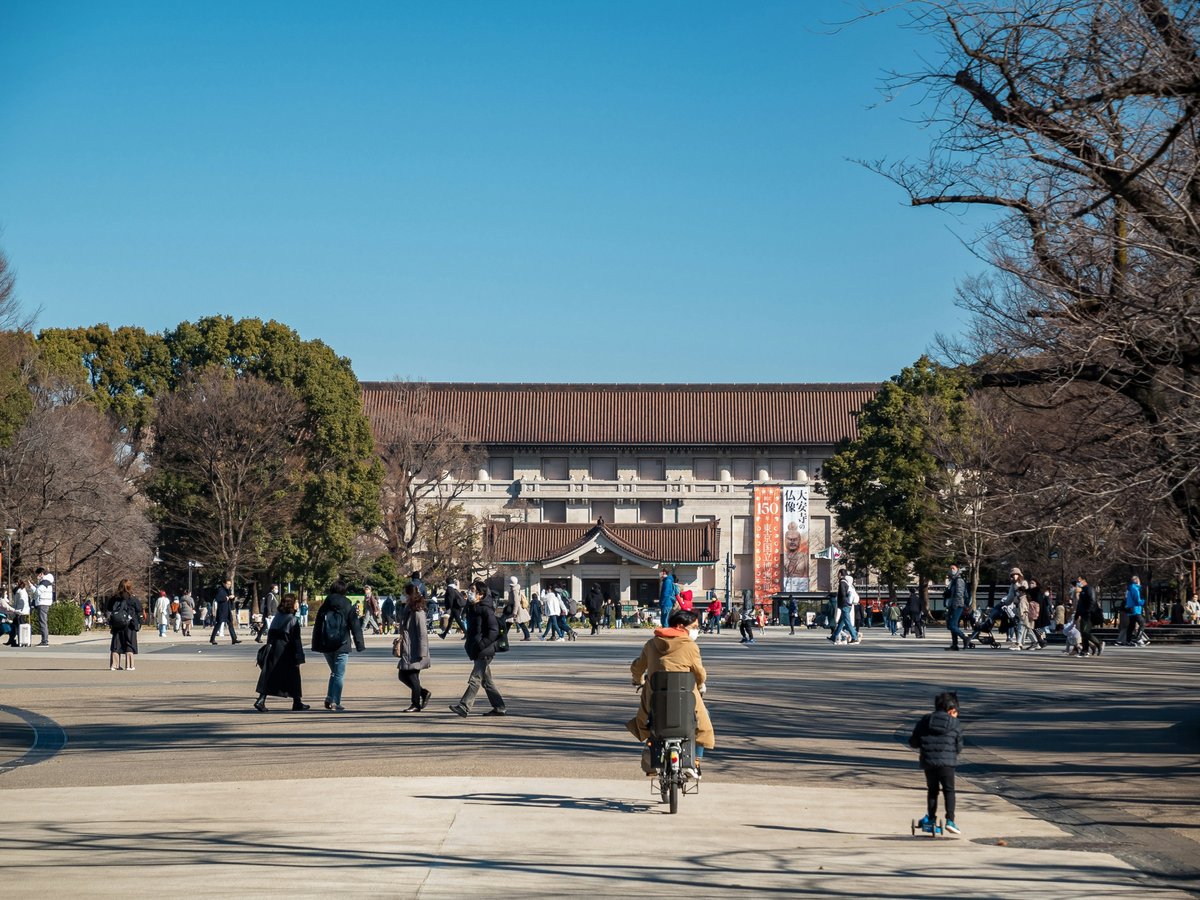
1 Tokyo National Museum
A museum dating from 1872 and designated an Important Cultural Property of Japan, open until 20:00 from Friday to Sunday
Founded in 1872, the Tokyo National Museum is where we'd start any first museum day in the city. The building itself is designated an Important Cultural Property of Japan, so the institution carries some of the weight of the history it displays. Doors open at 09:30 on Monday, Wednesday and Thursday and close at 17:00; Friday to Sunday runs late, to 20:00. Resist the urge to cover every gallery in one pass: pick two rooms, give them the morning, and return on a late evening for the rest. Check the official site at tnm.jp for current exhibitions before you set out.
Dates from 1872 · Important Cultural Property of Japan
Hours: Mo, We-Th 09:30-17:00; Fr-Su 09:30-20:00
-
2 National Museum of Western Art
7-7 Ueno-koen, Taito-kuAn art museum that is part of a UNESCO World Heritage Site, open until 20:00 on Fridays and Saturdays
The National Museum of Western Art sits at 7-7 Ueno-koen in Taito-ku and dates from 1959. The building is part of a UNESCO World Heritage Site, which makes it as much a reason to visit as anything hanging inside it. Hours run 09:30 to 17:30 on Sunday and Tuesday to Thursday, stretch to 20:00 on Friday and Saturday, and the museum closes on Mondays and from Dec 28 to Jan 01. We'd skip the midday weekend rush and come on one of those two late evenings instead; the galleries reward an unhurried hour more than a squeezed one. Current shows are listed at nmwa.go.jp.
Dates from 1959 · Part of a UNESCO World Heritage Site
-
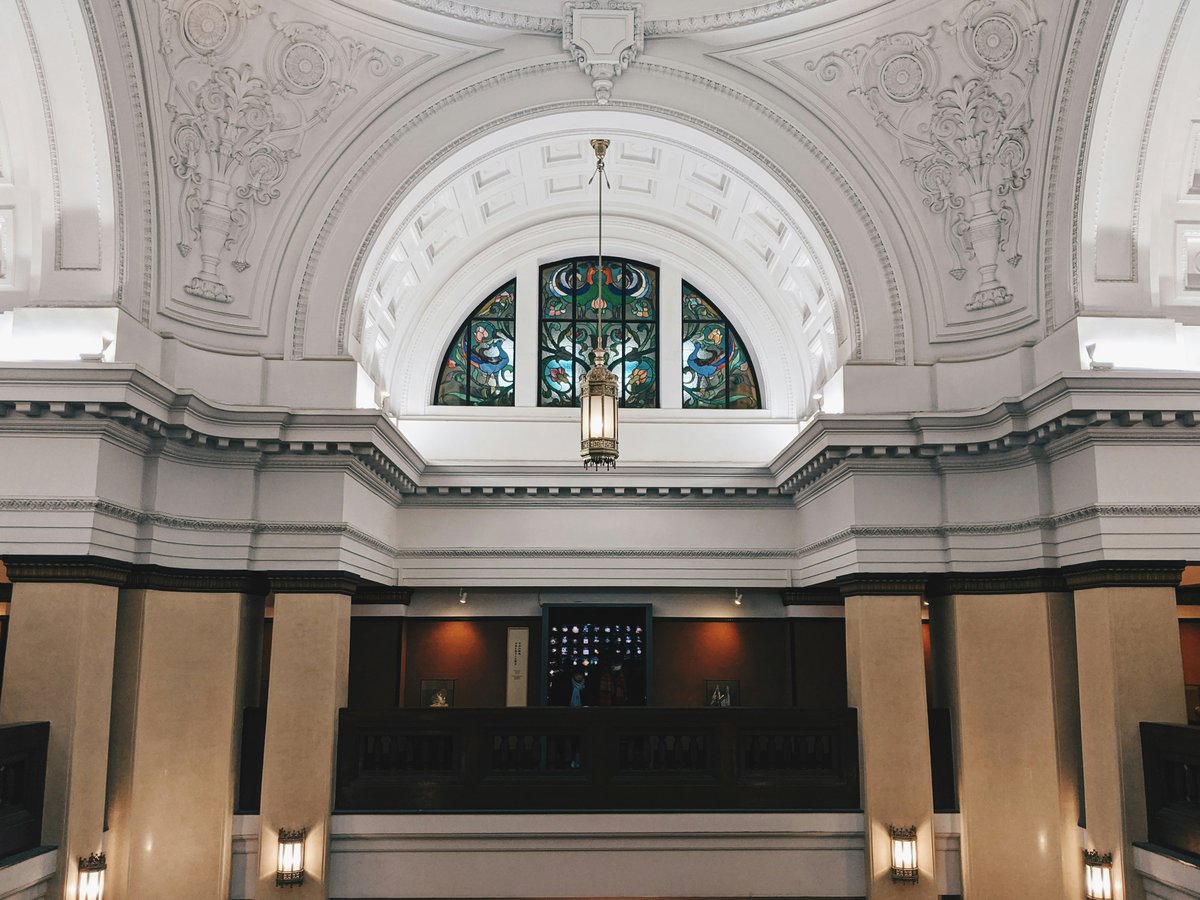
3 National Museum of Nature and Science
〒110-8718東京都台東区上野公園7番20号Japan's national science museum, dating from 1877 and designated an Important Cultural Property of Japan
The National Museum of Nature and Science, in the 110-8718 postal area of Ueno-koen, opens at 09:00 Tuesday to Sunday. It is Japan's national science museum, dating from 1877, and it carries the designation of Important Cultural Property of Japan. Doors close at 17:00, earlier than the art museums on this list that run into the evening, so treat it as a morning visit: arrive at opening, work through the collection while the halls are quiet, and leave the afternoon free. Check kahaku.go.jp for anything special on the day.
Dates from 1877 · Important Cultural Property of Japan
Hours: Tu-Su 09:00-17:00
-
4 National Art Center, Tokyo
An art museum dating from 2006, open until 20:00 on Fridays and Saturdays
The National Art Center, Tokyo is the youngest of the national institutions on this list, dating from 2006, and it is an art museum. On Sunday, Monday, Wednesday and Thursday it runs 10:00 to 18:00, and on Fridays and Saturdays the galleries stay open until 20:00. Tuesdays are out, and the center also shuts from Dec 26 to Jan 10. Exhibitions change, so look at nact.jp first and pick your evening around the show you want.
Dates from 2006
-
5 Ghibli Museum
The studio's own art museum in Mitaka, dating from 2001
Out in Mitaka, the Ghibli Museum deserves a dedicated half-day, not a stop squeezed between other sights. An art museum dating from 2001, it opens 10:00 to 18:00 every day except Tuesday, when it stays closed. The trip out is part of the visit, and the pleasure is in slowing down once you arrive, so trying to fit it in on the way somewhere else defeats the point. Anyone who grew up on the films will want the full afternoon. Before you commit to a date, check the current visiting arrangements on the official English site at ghibli-museum.jp/en.
Dates from 2001
-
6 The National Museum of Modern Art, Tokyo
Modern art with a late Friday, open until 20:00
Friday is the evening to give The National Museum of Modern Art, Tokyo: it stays open until 20:00 that night, while the hours on every other day run 10:00 to 17:00. That short day is a poor fit for a collection of this weight, and there is little sense in dashing in at 16:00 on a Tuesday when Friday gives you the whole evening. The museum is an art museum with an English-language site at momat.go.jp/english, which is the place to check the current hang. For anything the site does not answer, the museum's listed number is +81 050-5541-8600.
Hours: Sa-Th 10:00-17:00; Fr 10:00-20:00
-
7 Artizon Museum
1-7-2 KyobashiAn art museum dating from 1952, open until 20:00 from Tuesday to Saturday
At 1-7-2 Kyobashi, the Artizon Museum keeps hours that work for a city still at work: 10:00 to 20:00 from Tuesday to Saturday, and 10:00 to 18:00 on Sunday. Monday does not appear on the schedule. The museum dates from 1952 and is an art museum. We'd come on a weekday evening, when two unhurried hours before 20:00 do more for the collection than a crowded Sunday afternoon. Check artizon.museum for the current exhibition before you go.
Dates from 1952
Hours: Tu-Sa 10:00-20:00; Su 10:00-18:00
-
8 Miraikan
東京都江東区青海二丁目3番6号A 2001 building at the 青海二丁目3番6号 address, open 10:00 to 17:00 from Wednesday to Monday
A building dating from 2001 houses Miraikan at 青海二丁目3番6号 in Koto-ku, with hours running 10:00 to 17:00 from Wednesday to Monday, Tuesday being the day that is missing. Skip any late-afternoon arrival: coming after 16:00 leaves a single rushed hour, and Miraikan rewards a morning with nothing booked after it. Check miraikan.jst.go.jp for what is on before making the trip out. The listed phone number is +81-3-3570-9151.
Dates from 2001
Hours: We-Mo 10:00-17:00
-
9 Edo-Tokyo Museum
東京都墨田区横網1-4-1A museum in Sumida, dating from 1993, that takes the city itself as its subject
The Edo-Tokyo Museum at 横網1-4-1 in Sumida has been taking the city in its name as its subject since 1993. Posted hours run 09:30 to 17:30 on Sunday and Tuesday to Friday, stretch to 19:30 on Saturday, and the museum closes on Mondays. Saturday's later close is the one locals plan around: walk the city on foot by day, then come here to put what you walked through in order. Check the schedule at edo-tokyo-museum.or.jp before you set out, or call +81-3-3626-9974.
Dates from 1993
-
10 Edo-Tokyo Open Air Architectural Museum
東京都小金井市桜町3-7-1(都立小金井公園内)Architecture shown in the open air, inside a metropolitan park in Koganei
Buildings are the exhibits at the Edo-Tokyo Open Air Architectural Museum, and they sit inside the metropolitan park at 桜町3-7-1 in Koganei. The museum dates from 1993. The season sets the hours: 09:30 to 17:30 from April to September, 09:30 to 16:30 from October to March, and closed on Mondays. In the cooler months, a 16:30 close leaves little light for walking between the buildings, so don't bother with a late start. Plan a morning in the park, and check tatemonoen.jp for anything on that day.
Dates from 1993
-
11 Tokyo Metro Museum
東京都江戸川区東葛西六丁目3番1号 東京メトロ東西線葛西駅高架下A railway museum built under the elevated tracks of the Tozai Line's Kasai Station
The Tokyo Metro Museum sits under the elevated tracks of Kasai Station on the Tozai Line, at 東葛西六丁目3番1号 in Edogawa. It is a railway museum dating from 1986, and the best argument for going is that you reach it on the very network it describes. Hours are 10:00 to 17:00, Tuesday to Sunday. Skip the souvenir-train shops in the big stations; this is the stop for anyone who has spent the week riding the system and wants to see how it works. Check chikahaku.jp before you go.
Dates from 1986
Hours: Tu-Su 10:00-17:00
-
12 Tokyo Metropolitan Art Museum
A museum dating from 1926, open 09:30 to 17:30
Dating from 1926, the Tokyo Metropolitan Art Museum has the oldest founding date of any art venue on this list, with the sole exception of the national museum that opened in 1872. The museum is in Tokyo, open 09:30 to 17:30, and it rewards a full day rather than a rushed evening visit. What's on changes with each exhibition, and anyone who knows this place checks the calendar at tobikan.jp before committing to the trip. Don't arrive without a show in mind; pick what interests you first, then plan around it.
Dates from 1926
Hours: 09:30-17:30
Last verified by automated review (v1.7.2_fame1017d-1015-187-20261017201944) on . What is automated review?