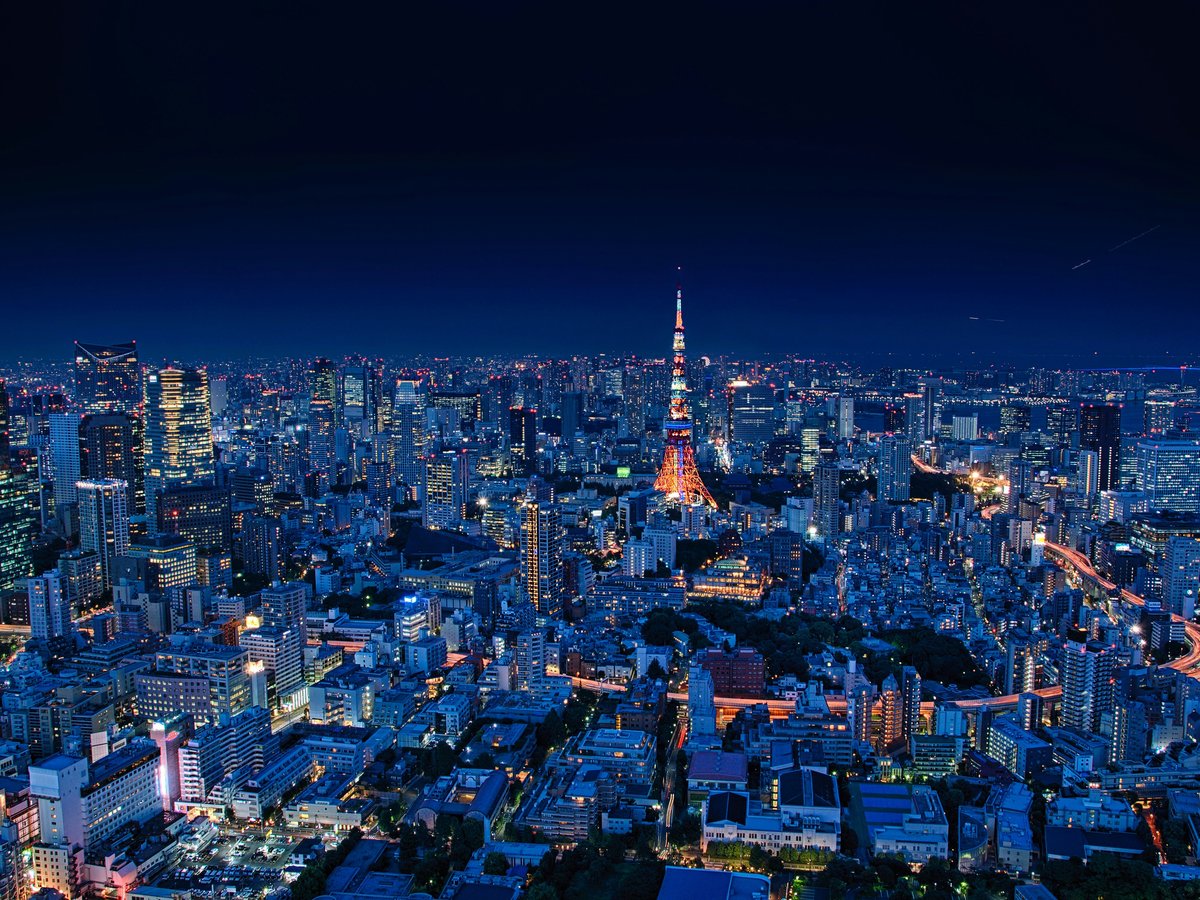
What's the must-see thing in Tokyo?
Senso-ji in Asakusa, before 7am. Tokyo's oldest temple, founded in 645 AD, opens at dawn with no ticket and no reservation. At that hour, sandalwood incense drifts across near-empty courtyards and the only sound is pigeons settling on wet flagstones. The compound is a 3-minute walk from Asakusa Station on the Ginza Line.
Senso-ji at 6:30am is a different place than Senso-ji at noon. The main hall's wooden floors are cool underfoot, and smoke from the jokoro brazier hangs in still air. Two fishermen pulled a golden Kannon statue from the Sumida River in 628, and the temple rose on the site within two decades. Nakamise-dori, the 250-metre shopping lane leading to the main hall, has 89 stalls selling hand-carved wooden combs and rice crackers grilled over charcoal. Asakusa-jinja, the Shinto shrine next to the Buddhist temple, is worth the extra ten minutes.
Meiji Jingu feels like the opposite of Asakusa's morning energy. The shrine sits inside 70 hectares of forest that Shibuya's skyscrapers cannot touch. A 12-meter cypress torii at the entrance marks the threshold, and the temperature seems to drop a few degrees as you step onto the path. Built in 1920 to honor Emperor Meiji and Empress Shoken, the shrine still hosts traditional wedding processions on weekend mornings. Iris blooms peak in June, filling the garden south of the main hall with purple and white.
Tsukiji Outer Market brings you back to noise and heat. About 400 shops crowd into the original lanes, and vendors start setting up by 5am. Tamagoyaki stands serve dashimaki on sticks, sweet and slightly runny in the center. Sashimi counters slice tuna, uni, and fatty otoro to order, and you eat standing at ledges barely 30 centimeters wide. By 1pm most shutters start coming down. The nearest station is Tsukiji on the Hibiya Line, one stop from Ginza.
The top three
Senso-ji, Asakusa
Before the 30,000 daily visitors arrive, you get the compound to yourself. Kaminarimon gate, the five-story pagoda, and Asakusa-jinja shrine all sit within a single city block. By 9:30am Nakamise-dori's stalls are selling charcoal-grilled senbei and hand-dyed tenugui cloths.
Meiji Jingu
A century-old planted forest of 120,000 trees swallows city noise within 5 minutes of Harajuku station. Cool and quiet even in August. Free, open sunrise to sunset. The gravel path and torii gates feel like leaving Tokyo entirely. Best on day two or three after Asakusa.
Tsukiji Outer Market
The inner wholesale auction moved to Toyosu in 2018, but the outer market kept its original alleyways. Tamago on a stick for 100 yen, thick-cut tuna sashimi before sunrise. Steam from stock pots, vendors calling prices. Closes by 2pm most days. Go hungry, go early.
Verified attractions
Sourced from Wikidata and OpenStreetMap: each entry links to its authoritative page.
-
Mode Gakuen Cocoon Tower
towerbuilding in Tokyo, Japan
View on Wikidata -
Tokyo Skytree
towertower in Tokyo, Japan
View on Wikidata -
Tokyo Tower
towertower in Tokyo, Japan
View on Wikidata -
Tokyo National Museum
museumart museum in Tokyo, Japan
View on Wikidata -
Yasukuni Shrine
monumentShinto shrine in Tokyo, Japan
View on Wikidata -
Tokyo Imperial Palace
palacemain residence of the Emperor of Japan
View on Wikidata -
International Stadium Yokohama
stadiummultisport stadium in Yokohama, Japan
View on Wikidata -
Tokyo Disneyland
theme parktheme park in Japan, owned by The Oriental Land Company
View on Wikidata -
Ueno Imperial Grant Park
gardenpark in Tokyo, Japan
View on Wikidata -
National Museum of Western Art
museumart museum in Tokyo, Japan
View on Wikidata -
Meiji Jingū
place of worshipShinto shrine in Tokyo, Japan
View on Wikidata -
Tokyo Disney Resort
theme parkDisney resort in Tokyo
View on Wikidata -
Tokyo Dome
stadiumindoor stadium in Bunkyō, Tokyo, Japan
View on Wikidata -
Sensō-ji Temple
place of worshipBuddhist temple in Tokyo, Japan
View on Wikidata -
Ajinomoto Stadium
stadiummulti-purpose stadium in Chofu, Tokyo, Japan
View on Wikidata -
Rainbow Bridge
bridgesuspension bridge across the Tokyo Bay, Japan
View on Wikidata -
Tokyo Mosque
place of worshipmosque in Japan
View on Wikidata -
National Art Center, Tokyo
museumart museum in Tokyo, Japan
View on Wikidata -
St. Mary's Cathedral
churchseat of the Roman Catholic Archdiocese of Tokyo
View on Wikidata -
Akasaka Palace
palacestate guest house in Japan
View on Wikidata -
Ghibli Museum
museumart museum in Mitaka, Tokyo, Japan
View on Wikidata -
Ueno Zoo
zoozoo in Tokyo, Japan
View on Wikidata -
Yoyogi Park
gardenpark
View on Wikidata -
National Museum of Nature and Science
museumNational Science Museum in Tokyo, Japan
View on Wikidata -
The National Museum of Modern Art, Tokyo
museumArt museum in Tokyo, Japan
View on Wikidata -
Shibuya scramble crossing
attractionscramble crossing in Tokyo, Japan
View on Wikidata -
Shinjuku Gyoen
gardenpark and garden in Shinjuku and Shibuya, Tokyo, Japan
View on Wikidata -
NTT Docomo Yoyogi Building
towerbuilding in Shibuya, Tokyo, Japan
View on Wikidata -
Tokyo DisneySea
theme parktheme park in Japan, owned by The Oriental Land Company
View on Wikidata -
Hamarikyu Gardens
palacepark in Chuo, Tokyo, Japan
View on Wikidata -
Inokashira Park
parkpark in Musashino and Mitaka, Tokyo
View on Wikidata -
Kasai Rinkai Park
parkpark in Edogawa, Tokyo, Japan
View on Wikidata -
Prime Minister's Official Residence
historic houseofficial residence and workplace of the Prime Minister of Japan
View on Wikidata -
Tokyo Metropolitan Art Museum
museummuseum in Tokyo, Japan
View on Wikidata -
Yokohama Bay Bridge
bridgecable-stayed bridge
View on Wikidata -
Yumenoshima Park
parkpark in Tokyo, Japan
View on Wikidata -
Artizon Museum
museumart museum in Tokyo, Japan
View on Wikidata -
Chichibunomiya Rugby Stadium
stadiumrugby stadium in Tokyo, Japan
View on Wikidata -
Edo-Tokyo Museum
museummuseum in Sumida, Tokyo, Japan
View on Wikidata -
Miraikan
museumbuilding
View on Wikidata
Last verified by automated review (v1.7.2) on . What is automated review?