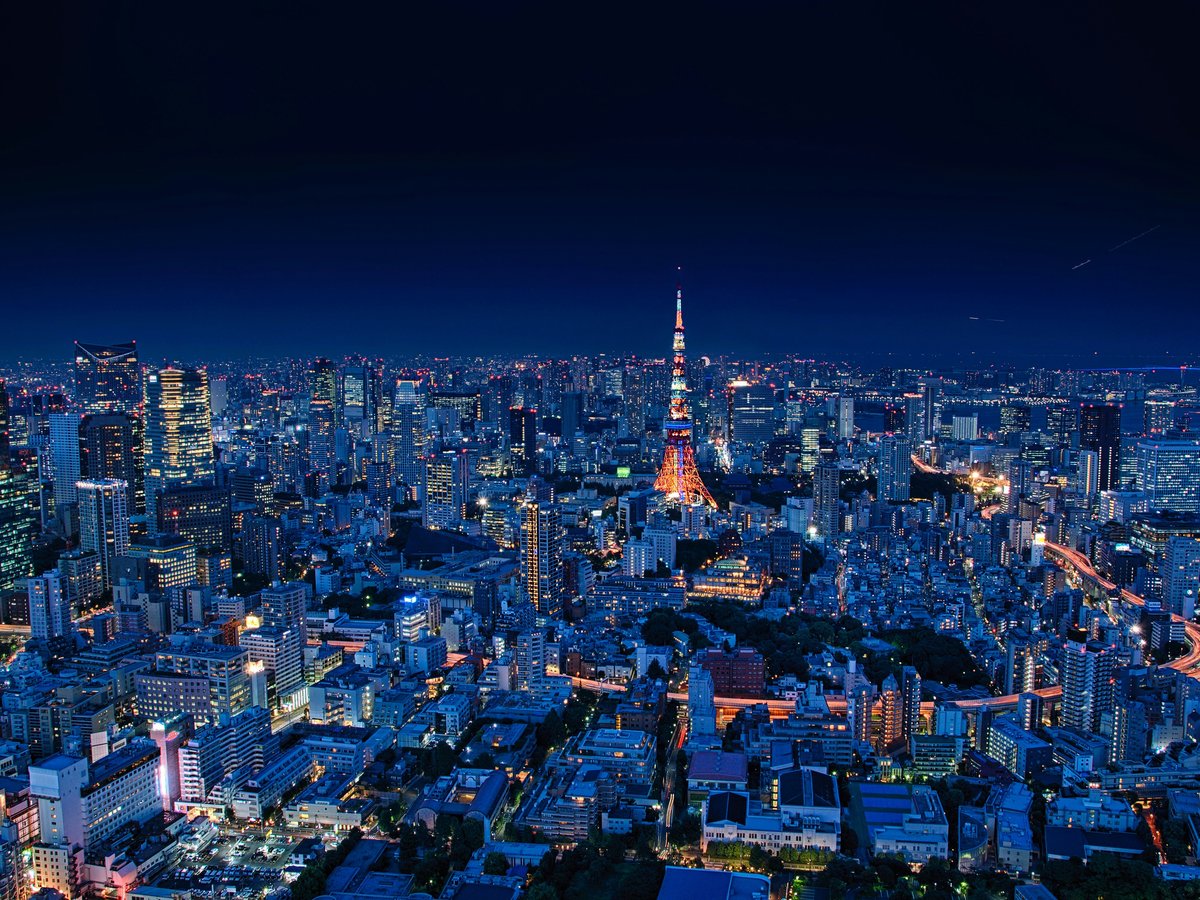
What language is spoken in Tokyo?
Japanese: written in three scripts (hiragana, katakana, kanji) that you won't learn to read before your flight lands. English proficiency in Tokyo's main tourist zones (Shinjuku, Shibuya, Asakusa) sits around 5/10: train station signage is bilingual, but the ramen counter two blocks away likely isn't. Learn "sumimasen" (excuse me): it opens every interaction.
Japanese uses three writing systems at once (hiragana, katakana, and kanji) mixed together on the same sign like it's normal. That sounds overwhelming, but here's what changes your first day: train stations, airports, and major tourist stops all display romaji (Latin-letter transliterations) alongside the Japanese text. You can ride the entire Tokyo Metro and JR Yamanote loop reading nothing but English signage. The moment you wander into a side street in Shimokitazawa or duck into a standing-bar under the Yurakucho tracks, the romaji disappears. That hand-brushed menu board? Kanji only. Google Translate's camera mode earns its keep here: point your phone, get a rough overlay, figure out that the third line is probably grilled chicken thigh and not liver. One shortcut worth the effort: katakana, the script for foreign loan words, has just 46 characters. Learn them on the flight over and you can sound out ビール (biiru (beer) and ホテル (hoteru) hotel) the moment you land.
English proficiency in Tokyo runs on a gradient. Hotel front desks in Shinjuku and Shibuya: solid. JR ticket counters at major stations: trained for it. The tourist info booth inside Tokyo Station: staffed by people who field English questions eight hours a day. Walk into a neighborhood soba shop in Kichijoji or a sentō bathhouse in Ōta-ku, though, and you're down to pointing and bowing. Convenience store clerks, even at the 7-Eleven on Takeshita-dōri in Harajuku, stick to scripted Japanese: "irasshaimase!" rings out as you push through the door, and the total comes as rapid-fire yen you won't catch. Younger Tokyoites under 30 tend to understand more English than they'll speak. They studied it for years but rarely practiced aloud. If you slow down, keep sentences short, and avoid stacking questions, most people will work hard to help. The willingness is there. The vocabulary sometimes isn't.
"Sumimasen" is the word that runs Tokyo. Excuse me. Sorry. Hey, over here. You'll say it to flag down a server at a yakitori joint in Ebisu where charcoal smoke drifts through the doorway, to apologize when your backpack clips someone on a packed Chūō Line car, and to get a station attendant's attention when the ticket gate swallows your Suica card. The second phrase to lock in: "kore o kudasai" (this one, please) while pointing. It works at the depachika food counters in the basement of Isetan Shinjuku, where glossy wagashi sit behind glass in precise rows. It works at conveyor-belt sushi in Ginza. It works at the combini counter when you want that specific onigiri. Skip the textbook self-introductions. Nobody expects "watashi wa... desu" from someone buying an egg sandwich at Lawson. Spend that brainpower on "sumimasen," "kore o kudasai," and "arigatou gozaimasu" instead.
The thing nobody warns you about: ticket machines. Most ramen shops, gyūdon chains, and curry houses in Tokyo use vending machines (食券機, shokkenki) instead of waitstaff. You study a panel of buttons (sometimes with tiny photos, sometimes just kanji) slide your bills or coins in with the satisfying clunk of a 500-yen coin dropping, and hand the printed ticket to the cook behind the counter. At spots like Fūunji near Shinjuku Station's south exit, the machine has zero English. Strategy: check the Google Maps listing for menu photos beforehand, or press the top-left button; it's almost always the house specialty. By day three you'll feed 1,000-yen bills into these machines without a second thought. That initial confusion fades fast, replaced by speed: your bowl of tsukemen, steaming with a dipping broth so thick it coats the noodles, arrives in under four minutes. No waiter needed.
Languages spoken
Japanese
Primary language: Japanese.
Useful phrases
- Excuse me / I'm sorryすみませんsoo-mee-mah-sen
- This one, pleaseこれをくださいkoh-reh oh koo-dah-sigh
- Thank youありがとうございますah-ree-gah-toh go-zai-mahs
- Do you have an English menu?英語のメニューはありますか?ay-go no men-yoo wah ah-ree-mahs kah
- How much is this?いくらですか?ee-koo-rah des kah
- Check, pleaseお会計お願いしますoh-kai-kay oh-neh-guy-shee-mahs
- Where is the bathroom?トイレはどこですか?toy-reh wah doh-koh des kah
- I'm fine / No thank you大丈夫ですdie-joh-boo des
- Delicious!おいしいoy-shee
- One / Two (for ordering)ひとつ / ふたつhee-tot-soo / foo-tat-soo
Last verified by automated review (v1.5.J.2) on . What is automated review?