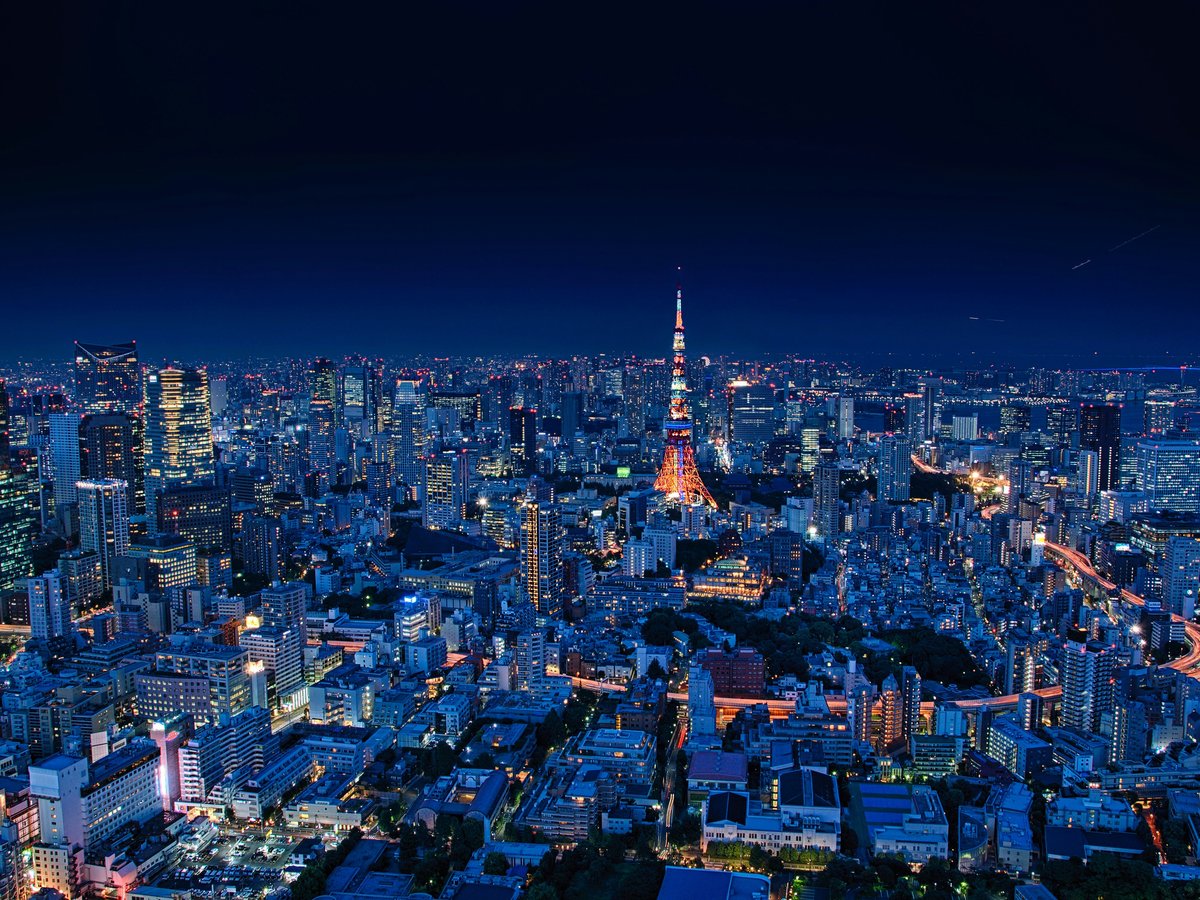
Best Time to Visit Tokyo, by Season
Cherry blossom hysteria sends everyone in April. The data suggests October might serve you better, or even January, if your budget matters more than the thermometer. A month-by-month breakdown of the honest trade-off between weather, crowds, and price.
Published · Updated
1 Cherry Blossom Season Peaks at 19.6°C, and So Does Every Inflated Nightly Rate
You smell them before you see them. Late March in Tokyo carries a faint sweetness on the breeze: cherry petals catching light along canal paths, drifting into your coffee, sticking to the shoulders of every commuter heading home. The city transforms. The temperature data explains the timing: March averages a high of 15.3°C and a low of 5.5°C, crisp enough for a light jacket but warm enough to linger outdoors without shivering.
By April, highs climb to 19.6°C with lows settling around 10.4°C: genuinely ideal walking weather in a city that rewards walkers. That 4.3-degree jump in average highs from March to April tracks almost exactly with peak bloom, which tends to land somewhere in the last week of March through early April.
Here's the trade-off nobody in the tourism industry has incentive to mention: this is the most expensive window of the year. Accommodation rates spike across every category. Trains from the airport feel packed. The famous hanami parks become so dense with visitors that you're photographing the backs of other people's heads as often as the blossoms themselves.
That said, the conditions are legitimately special. A 19.6°C high with a 10.4°C overnight low delivers warm sunlit afternoons and cool evenings: weather where you can walk all day and not feel worn down by it. The air tends to be dry and the sky reliably clear.
Mind you, early April and late April are different trips. The first week still carries some of March's 15.3°C character: breezy, slightly unpredictable, with mornings that can dip toward the 5.5°C range. By mid-April you're solidly into the upper teens. If you book the first week, you might catch the tail of bloom with slightly thinner crowds than the peak weekend.
The honest take: April is overpriced relative to what the weather alone justifies. The experience is genuine, the premium is steep. If cherry blossoms are non-negotiable, aim for the very end of March: closer to that 15.3°C average high, and accept the gamble on exact bloom timing. If they're negotiable, keep reading.
April is overpriced relative to what the weather alone justifies. The experience is genuine, the premium is steep.
2 May's 22.9°C Highs Deliver the Weather Everyone Wants Without the April Markup
There's a particular quality to Tokyo light in May: warm enough that the pavement gives off a faint heat shimmer by midday, cool enough at night that the breeze still carries a chill. Average highs settle at 22.9°C with lows around 14.5°C, and that spread tells you something important: comfortable all day, every day, without air conditioning dictating your schedule.
Compare this to April's 19.6°C high and it's a modest 3.3-degree climb. Compare it to June's 26.9°C and you're looking at a 4.0-degree buffer before the humidity arrives in force. May sits in that narrow band where outdoor Tokyo (the parks, the walking neighborhoods, the rooftop terraces) works without qualification.
The crowd situation shifts too. Golden Week, the national holiday cluster in late April and early May, still brings domestic visitors in enormous numbers during the first week. But once that passes, the rush fades noticeably. International tourist volume tends to ease compared to cherry blossom season, and accommodation rates quietly retreat from their spring peaks.
You'll find that evenings at 14.5°C still want a jacket. That's an advantage: it means the daytime warmth doesn't persist into sticky, sleepless nights the way it will by July when lows never drop below 24.0°C. The temperature difference between day and night in May runs about 8.4 degrees, wide enough to make both daytime walking and evening dining feel comfortable in different ways.
To be fair, May lacks a marquee seasonal event. No cherry blossoms, no autumn foliage, no dramatic transformation to build an itinerary around. What it offers instead is pure operational weather: the kind where you wake up, step outside, and realize you don't need to plan around the thermometer at all.
For travellers who care more about daily comfort than seasonal spectacle, May is likely Tokyo's strongest overall month. The 22.9°C average high is warm enough for shirtsleeves, the 14.5°C low is cool enough for genuine sleep, and the pricing reflects the fact that most people haven't figured this out yet.
3 June's Rainy Season Isn't the Dealbreaker Most Guides Claim
Step outside a train station in early June and the air hits different: thick, warm, carrying the mineral smell of wet pavement and something faintly green underneath. The average high has jumped to 26.9°C from May's 22.9°C, and lows have risen to 19.2°C from 14.5°C. More than the raw numbers, it's the moisture that defines the month. The rainy season typically settles over Tokyo in early June, reshaping the city's texture for several weeks.
What most guidebooks miss with their one-word warnings: the rainy season doesn't mean constant downpour. It means intermittent showers, high humidity, and overcast mornings that often clear by afternoon. A compact umbrella and a willingness to duck into covered shopping streets handles most of it.
That 26.9°C average high is warmer than ideal for some, but it's still a full 5.0 degrees below July's 31.9°C: a gap that matters enormously in practice. At 26.9°C under cloud cover, you can still walk a neighborhood for hours. By July, the 31.9°C average with lows that never drop below 24.0°C creates a heat envelope that sends most people indoors by early afternoon.
June's real advantage is economic. Sandwiched between the spring premium and summer holiday surges, it tends to carry some of the lowest accommodation rates of any warm-weather month. The 19.2°C overnight low means sleeping without heavy air conditioning remains possible: a genuine consideration in older guesthouses where climate control runs basic.
The downsides are real, to be fair. Outdoor photography suffers under flat, overcast light. Park visits lose some appeal when everything's perpetually damp. A multi-day rain stretch can compress your plans into covered markets and museum circuits.
Worth noting: as June progresses and highs push toward the upper twenties, the month starts to preview July's intensity. If you're booking June specifically for the cost advantage, aim for the first two weeks: you'll still encounter rain, but the thermal comfort gap between 26.9°C and July's 31.9°C is at its widest. Late June slides closer to something you'd rather avoid.
4 July and August Push Past 31°C: Only a Specific Kind of Traveller Should Book These Months
Midnight in late July and the heat hasn't broken. You're standing at a crossing, shirt stuck to your back, and the air still feels thick and warm against your skin. That tracks: July's average low is 24.0°C, meaning the city barely cools overnight. August goes further: the average high reaches the year's peak at 32.6°C with a low of 25.0°C. Tokyo retains heat like a kiln.
These numbers should directly inform your planning. The 9.5-degree gap between July's 24.0°C low and May's 14.5°C low is the difference between sleeping with a window cracked and lying awake with the air conditioning straining. The 10.6-degree gap between August's 32.6°C high and October's 22.0°C is the difference between ducking into department store basements for relief and walking through temple grounds without a second thought about shade.
July's 31.9°C average high makes midday outdoor activities (walking routes, garden visits, open-air markets) genuinely taxing. You're not merely uncomfortable; you're managing heat as a logistical problem. Hydration stops every thirty minutes. Indoor cooling breaks. Route decisions based on where the shade falls at that hour.
August at 32.6°C is marginally worse on paper but often feels significantly harder because it compounds: day after day without relief, humidity that doesn't relent, and the Obon holiday period in mid-August that brings domestic travel surges and higher prices despite the punishing conditions.
That said, summer has its reasons. Festivals fill the calendar: fireworks reflected off rivers, the crack of taiko drums echoing between buildings, the smell of grilled food thickening the warm night air, cicadas so loud they drown conversation in certain parks. If those experiences are what you're after, July and August are the only window. No substitute exists in other months.
September offers partial relief. The average high drops to 28.8°C and the low to 21.5°C: still warm by any standard, but the 3.8-degree retreat from August's 32.6°C peak is perceptible on your skin. The tail end of typhoon season can disrupt plans, but the thermal pressure eases enough that outdoor Tokyo becomes workable again.
The honest recommendation: unless summer festivals or school schedules specifically require July or August, you'll have a more comfortable trip in almost any other month. That 32.6°C peak is real, the humidity amplifies it, and the pricing doesn't discount to compensate.
You're not merely uncomfortable; you're managing heat as a logistical problem.
5 October and November Are Tokyo's Genuine Sweet Spot
There's a moment in late October: mid-afternoon, the light turning golden, a slight coolness in the air that feels like a reward after everything summer threw at you: when the temperature sits so precisely in the comfort zone that you stop noticing weather entirely. That's what 22.0°C feels like. October averages that as its high with a low of 14.4°C, and those numbers describe something close to the platonic ideal of sightseeing weather.
Compare October to the month everyone books: April at 19.6°C high and 10.4°C low. October runs 2.4 degrees warmer during the day and 4.0 degrees warmer at night. You get the same clear-sky walking conditions with more thermal comfort, and (critically) without the cherry blossom premium inflating every nightly rate in the city.
November continues the pattern with a twist. Highs drop to 17.3°C and lows to 8.5°C, which means layering becomes necessary, but this is precisely the range where a light jacket and a scarf make the city feel intimate rather than harsh. The autumn color season typically peaks in late November, giving the month its own natural spectacle without April's level of crowd density.
The 4.7-degree decline from October's 22.0°C high to November's 17.3°C happens gradually enough that either month works, depending on your preference. If you run warm and want to walk in shirtsleeves, October is your month. If you prefer the crispness of proper autumn air and don't mind 8.5°C mornings, November rewards with thinner crowds and lower rates still.
Worth noting: the gap between November's 8.5°C low and December's 2.5°C low is a 6.0-degree cliff. November is autumn. December is winter. If you're targeting the autumn window, don't let your trip slide past the end of November or you'll land in a fundamentally different season: one that feels six degrees colder before dawn.
The honest take: October is probably the single most undervalued month on Tokyo's calendar. The 22.0°C average high, the 14.4°C low, the post-summer pricing, and that particular autumn light combine into conditions that rival April for quality and undercut it substantially on cost. If you have flexibility, this is where the data points.
October is probably the single most undervalued month on Tokyo's calendar.
6 December Through February Drops to 0°C: That's Exactly the Point for Budget Travellers
Picture this: a January morning, breath visible, the sky that particular shade of winter blue that only cold, dry air produces. The thermometer reads near zero: January's average low sits at exactly 0.0°C, and the streets around major attractions carry a quiet you simply won't find in any other season. This is the trade that winter extends.
January is the coldest month by the numbers: a 9.4°C average high, a 0.0°C low. February improves marginally to 10.8°C and 1.0°C. December, which most people mentally file as deep winter, starts the season gently enough at 11.8°C high and 2.5°C low: still jacket weather, not parka weather for most.
The 10.2-degree gap between December's 11.8°C high and October's 22.0°C tells you these are functionally two different cities. Winter Tokyo is indoor Tokyo: ramen shops with steam fogging the windows, basement food halls packed with warmth and noise, heated bars with condensation on the glass, the rich smell of pork broth drifting through side streets. If that sounds limiting, it is. If it sounds appealing, winter might be your season.
The economic argument is straightforward. With average highs below 12°C for three months running, demand drops across accommodation and flights alike. The lowest rates of the year tend to concentrate in January and February, once the New Year holiday period in early January passes.
Mind you, there are advantages beyond price. Winter air in Tokyo runs dry and clear, which means visibility hits its annual peak: skyline views and even distant mountain outlines that summer haze erases entirely. The 9.4°C to 10.8°C daytime range across January and February is cold but manageable with proper layering, and walking generates enough warmth that midday exploration still works without hardship.
The caveat worth stating plainly: evenings at 0.0°C to 2.5°C are genuinely cold. If your travel rhythm leans toward evening walks and outdoor dining, these months work against you. If you're willing to shift (temples and walking by day, indoor dining and bars once the sun drops) the season delivers real value. That 0°C figure scares people off, and their absence is precisely what creates the opportunity.
7 The Single Best Window for Five Kinds of Traveller
After twelve months of temperature data, here's the honest verdict, not one answer, because one answer would be dishonest. Tokyo's best window depends entirely on what you're optimizing for.
The comfort maximizer: your month is October. A 22.0°C high and 14.4°C low means you will never rearrange plans for weather. Not once. You step outside and the city just works. May at 22.9°C high and 14.5°C low runs it remarkably close (nearly identical thermal profile) but October's autumn light and lower crowd density nudge it ahead.
The budget traveller: January or February. The 9.4°C to 10.8°C highs keep the fair-weather visitors away, and the 0.0°C to 1.0°C lows thin out even the committed ones. Accommodation rates reach their floor. You'll need warm layers and a willingness to shift your rhythm indoors after dark, but the breathing room at popular sites is something no other season offers.
The cherry blossom pilgrim: late March rather than April, if you can tolerate the timing gamble. March's 15.3°C high is cooler than April's 19.6°C, but the last week of March tends to catch early bloom with noticeably thinner crowds and lower prices than the April peak. You might miss full bloom by a few days. The money and space you gain is likely worth that risk.
The festival seeker: late July, specifically the last two weeks. The 31.9°C high is punishing. The 24.0°C low means no overnight reprieve. But summer festivals: fireworks reflected in dark water, the crack of taiko drums between buildings, the smell of street food thickening the warm night air: have no substitute in other months. Budget for a room with strong air conditioning and map your targets before you arrive.
The autumn foliage traveller: the second half of November. Highs around 17.3°C and lows at 8.5°C create crisp, clear conditions for color viewing. The foliage window is shorter and far less hyped than cherry blossom season, which works entirely in your favor: fewer visitors, lower prices, and when you catch peak color the spectacle genuinely rivals spring.
One thing the data makes inescapable: Tokyo shows a 32.6-degree spread between its warmest average high: August at 32.6°C (and its coldest average low) January at 0.0°C. This city has real seasons, not cosmetic ones. The month you choose isn't a scheduling detail. It shapes the trip at a fundamental level. Choose deliberately.
This city has real seasons. The month you choose isn't a scheduling detail: it shapes the trip at a fundamental level.
Last verified by automated review (v1.7.0_2026-05-20-s17-v2-batch) on . What is automated review?