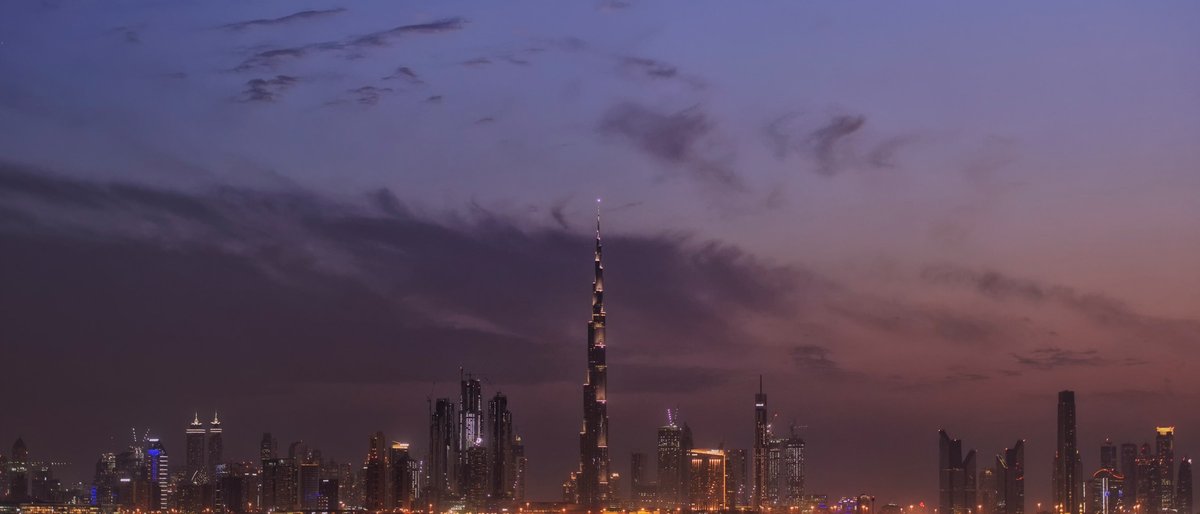
Dubai's museums do not compete with the Louvre and they should not try. What the city has built, and what the neighbouring emirate of Sharjah has quietly built alongside it, is a network of small, specific rooms that argue for a place with a much longer memory than the skyline suggests. There is a museum for coffee, a museum for coins, a museum for camels, a museum for the women who ran households and businesses when the pearl boats were out, and a torqued green calligraphic ellipse on Sheikh Zayed Road that reads as a manifesto for what comes next. The 12 rooms below are chosen for visitors who want the emirate on its own terms, and who are willing to cross the creek, ride the metro to Jumeirah, or take the 20 minute drive up to Sharjah for the ones that repay the trip. Skip the mall aquariums; the museums here are where Dubai talks about itself, and where it stops performing for a moment and lets you listen.
-
1 Museum of the Future
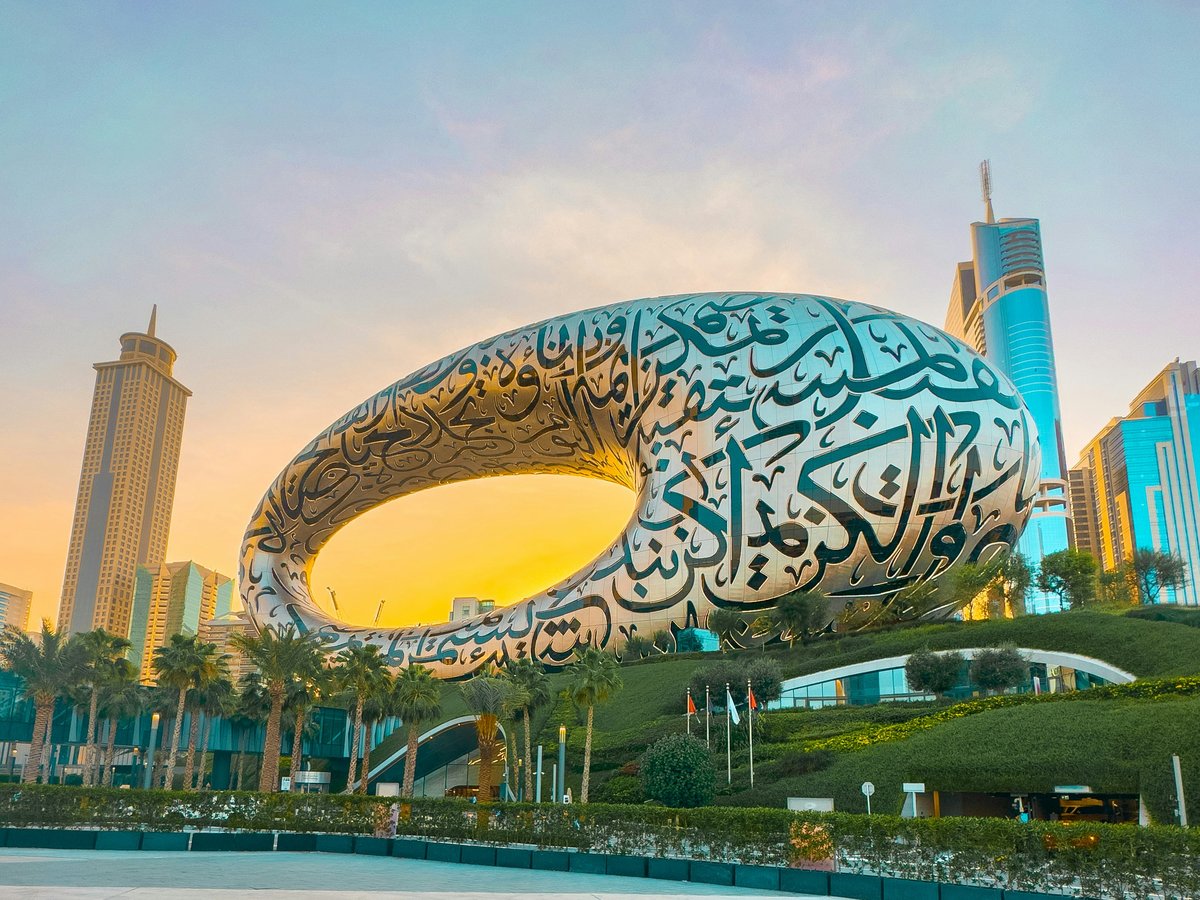
25.2191, 55.2821A torqued calligraphic shell on Sheikh Zayed Road that houses the city's most literal argument for what it wants to become.
At 25.2191, 55.2821, the Museum of the Future sits on the Sheikh Zayed Road spine as an exhibition space the UAE built to argue with itself about the next 50 years. Resist the reflex to treat it as an architecture selfie stop; the building rewards a real visit, and the timed tickets on museumofthefuture.ae are worth the small planning overhead. Every floor is a different thesis, staged rather than curated, and the exhibits keep changing, which is the point. Come with 3 hours and an appetite for being told the future is a choice rather than a forecast. It is the one museum in the city whose ambition matches its address.
-
2 Dubai Coffee Museum
25.2635, 55.3008A converted Al Fahidi courtyard house where the roasting equipment is old, the pours are slow, and the story runs from Ethiopia to the Arabian trade.
The Dubai Coffee Museum smells of itself before you see the door, tucked into the coral-and-gypsum lanes at 25.2635, 55.3008. It is a museum in the UAE in the honest, small-room sense: a few courtyards, a tasting bar, a shelf of Yemeni and Ethiopian roasters, and staff who will explain what is in your cup. The locals know to come mid-morning, order a qahwa, and stay for a second one brewed a different way. Bring 45 dirhams and an hour, and check coffeemuseum.ae for the tasting-session times, which is where the visit earns its keep. Better than the air-conditioned chains 10 minutes away in any direction.
-
3 Salsali Private Museum
25.1400, 55.2257A private contemporary collection in the industrial warehouses of Alserkal, run to a collector's rhythm rather than a public calendar.
Down at 25.1400, 55.2257, well south of the tourist grid, the Salsali Private Museum operates on the logic of a private collector opening the doors when the work is worth opening them for. It is a museum in Dubai, United Arab Emirates, and it belongs to the Alserkal warehouse belt more than to any polished cultural district. The locals go for the openings, not the drop-in afternoons; the hang is dense, the labels are terse, and the collector's taste is the argument. Check salsalipm.com before you cross the city, because there is nothing sadder than driving 20 minutes to a closed door. Skip the hotel-lobby galleries; this is where private money looks at art.
-
4 Women's Museum
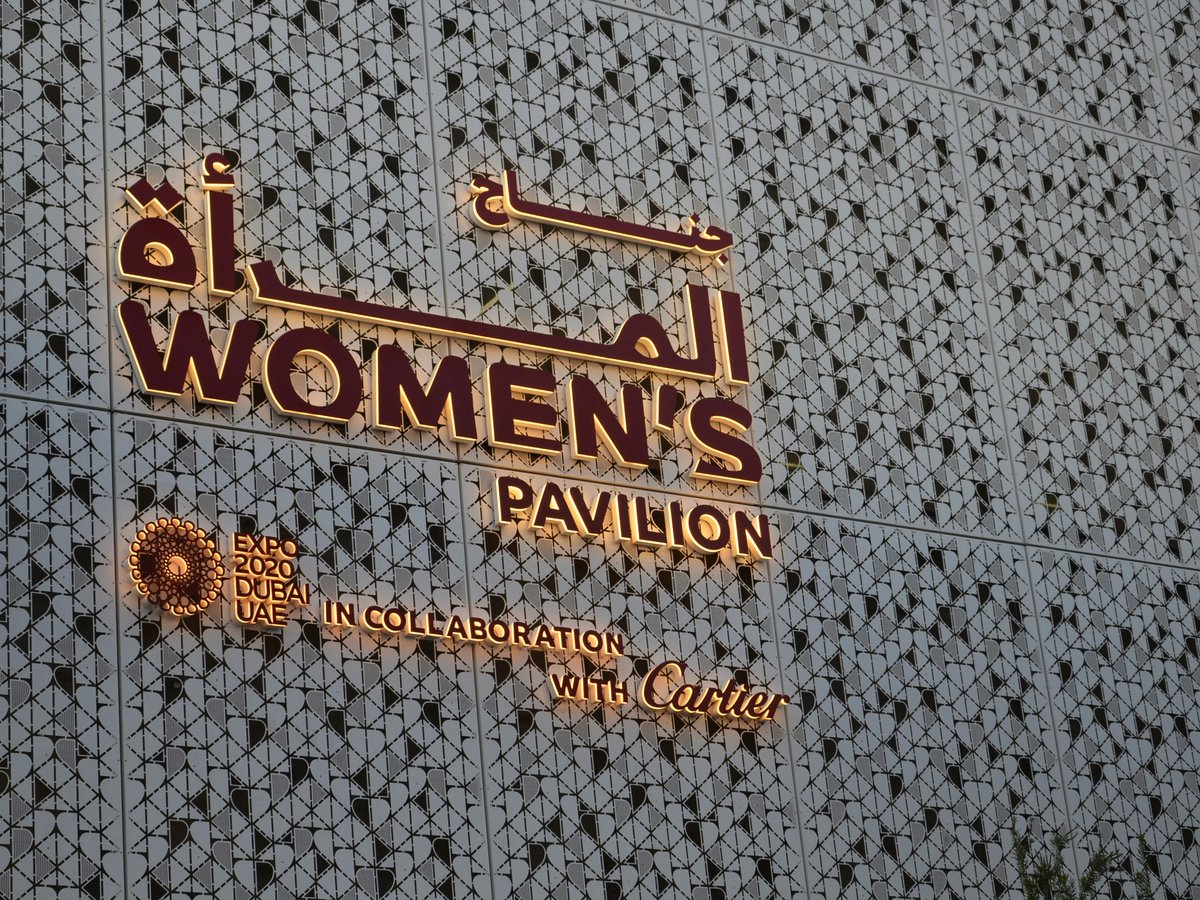
25.2714, 55.2985The Emirates' first museum dedicated to the poets, teachers, and traders who ran the households while the pearl boats were out.
Behind the gold souk at 25.2714, 55.2985, the Women's Museum occupies an old Deira townhouse that most visitors walk past on their way to the spice stalls. It is a museum in Dubai, UAE, and it does the quiet, necessary work of naming the poets, teachers, and merchants that the pearl-era story usually leaves in the margin. The rooms are small, the labels are thorough, and the founder's editorial voice runs through the whole visit. Give it 90 minutes and read the pearl-diving section slowly. Confirm the opening hours on womenmuseumuae.com before you go, because the hours shift with the seasons. Skip the general history overviews at the malls; this one has a thesis.
-
5 Sharjah Art Museum
25.3614, 55.3870The Gulf's most serious permanent collection of Orientalist and modern Arab painting, in a purpose-built museum on the Sharjah heritage strip.
Cross the border to 25.3614, 55.3870 and the Sharjah Art Museum rewards the 40 minute drive out of Dubai in a way the emirate's shopping mall galleries never will. It is an art museum in the United Arab Emirates with the confident, permanent hang of an institution that has decided what it stands for: 19th century Orientalist painting, modern Arab masters, and a rotating contemporary programme that punches above the ticket price of zero dirhams. The locals head here on a Friday morning before the heat sets in. Check sharjahmuseums.ae for the current exhibitions, and pair it with the Islamic Civilization museum 5 minutes away on the same waterfront.
-
6 Sharjah Museum of Islamic Civilization
25.3649, 55.3892A converted souk on the Corniche with the Gulf's most coherent survey of Islamic science, calligraphy, and material culture.
On the Sharjah Corniche at 25.3649, 55.3892, the Sharjah Museum of Islamic Civilization occupies a converted souk whose gold-domed prayer hall is the single most under-photographed room in the emirate. It is a museum in the United Arab Emirates, and it does what few Islamic collections manage: a full chronological floor for science and astronomy, another for calligraphy and Quran manuscripts, and galleries for coins, ceramics, and textiles that repay 3 hours. The locals bring visiting family here first, because the labels are bilingual and the argument builds. Better than the general-history museums in the bigger cities. Confirm the hours on sharjahmuseums.ae before you drive up; the timings shift around Friday prayer.
-
7 Bait Al Naboodah
25.3581, 55.3840A restored 19th century pearl merchant's courtyard house in Sharjah's Heart of Sharjah quarter, furnished as the family left it.
A few streets in from the Corniche at 25.3581, 55.3840, Bait Al Naboodah is the courtyard house to walk through before any other in the Emirates. It is a museum in the United Arab Emirates with a specific claim: a pearl merchant's family home, restored with the wooden mashrabiya screens, the coral-block walls, and the majlis carpets in the positions they held when the family lived there. The locals prefer this to the reconstructed heritage villages, because the rooms retain the awkward asymmetry of an actual house. Give it 45 minutes and pay attention to the wind-tower shaft. Hours and any restoration closures are posted on sharjahmuseums.ae.
-
8 Al Bastakiya
25.2639, 55.3000Not a museum but a quarter that is one: the wind-tower lanes of old Bur Dubai, now the city's densest cluster of small galleries and heritage houses.
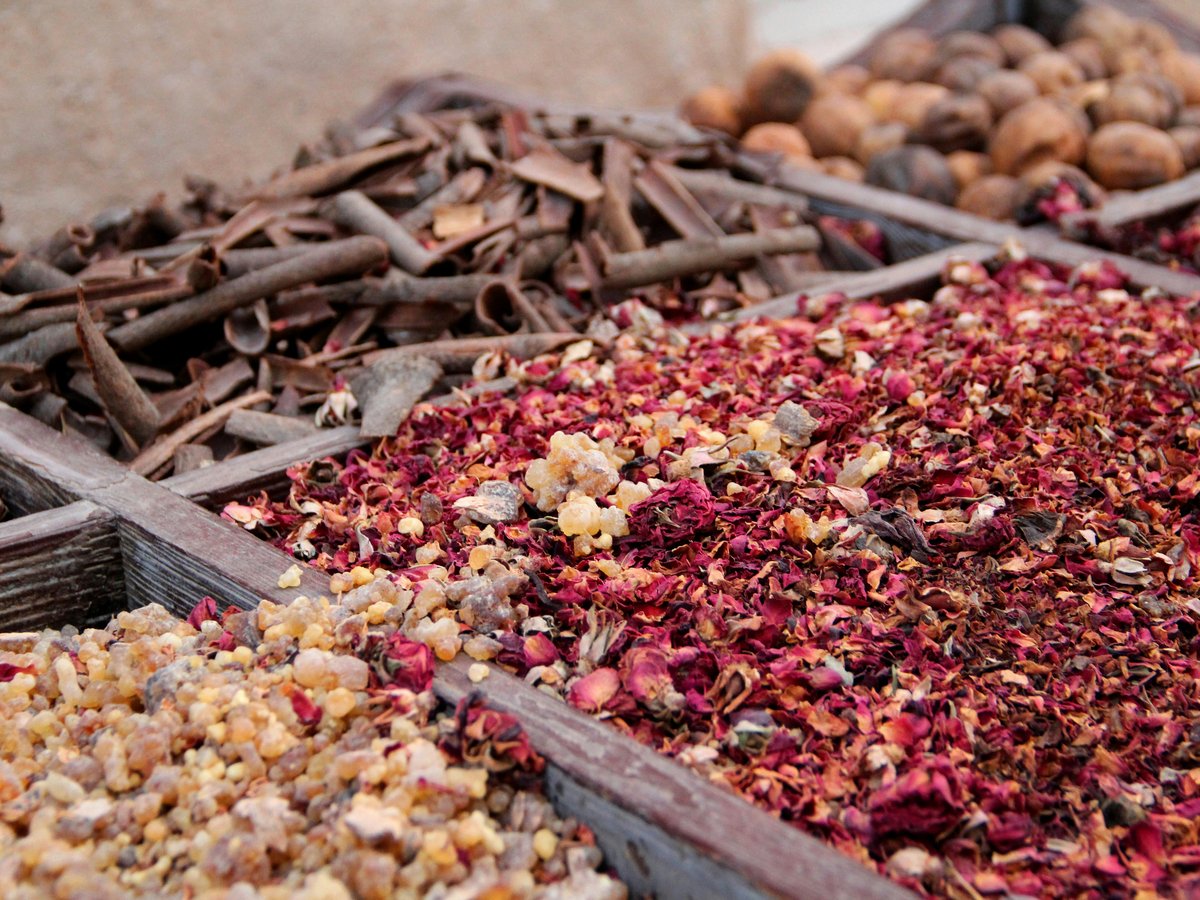
Al Bastakiya is a neighborhood in Dubai, UAE, and the honest recommendation is to treat it as an open-air museum you walk rather than a single door you enter. Between 25.2639 and 55.3000, the wind-tower houses of the old Persian merchant quarter now hold small galleries, calligraphy studios, a couple of heritage cafes, and the Coffee Museum a few doors up. The locals come at 17:00 when the coral walls glow and the temperature drops. Skip the guided walking tours; the lanes are 3 blocks deep, the layout rewards getting lost for 90 minutes, and the good galleries are the ones without signage on the door. Come on foot from the Al Fahidi metro, not by car.
-
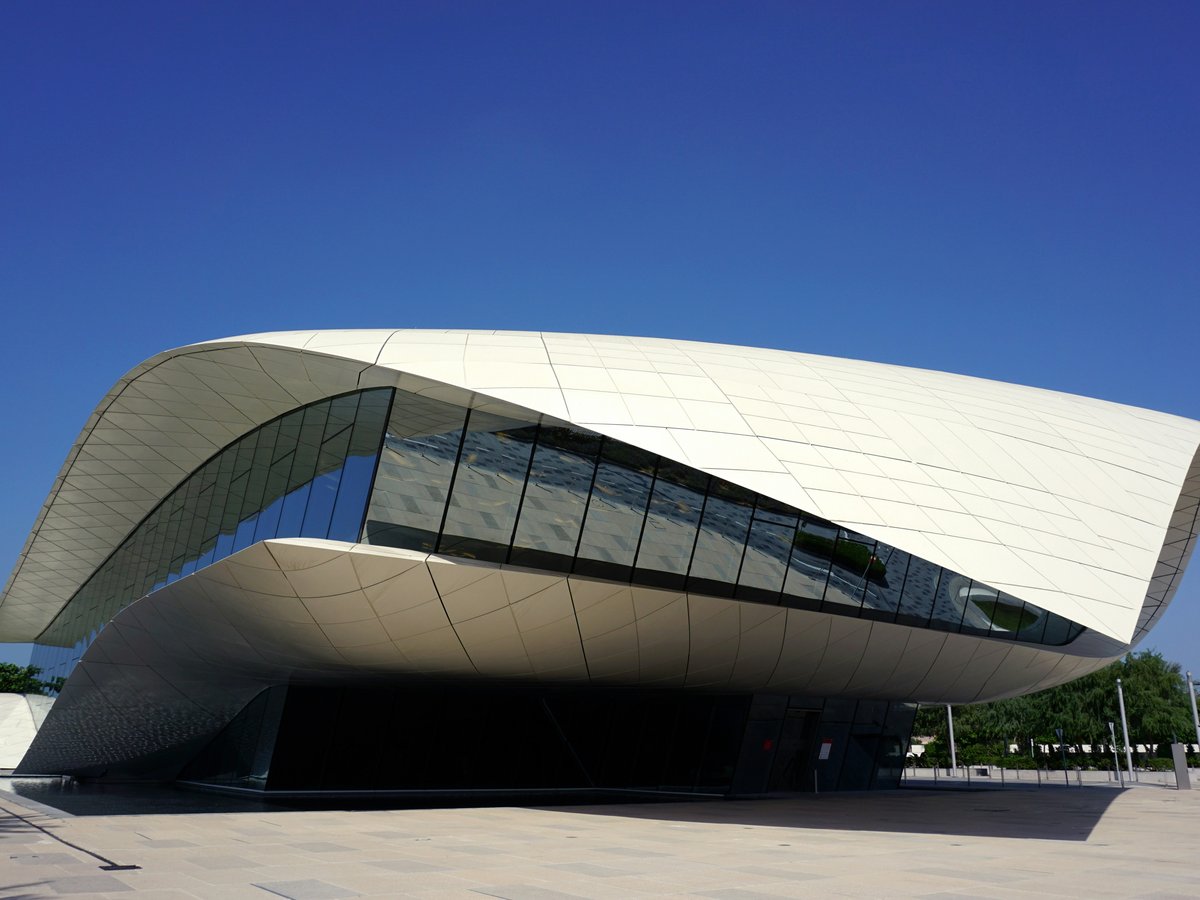
9 Etihad Museum
25.2392, 55.2693The pavilion where the union was signed in 1971, now the country's founding-story museum with the original document on display.
At 25.2392, 55.2693 on the Jumeirah waterfront, the Etihad Museum is a museum in Dubai built around the specific patch of ground where the union was declared, and it takes that responsibility seriously. The pavilion is preserved, the founding document is on the wall, and the underground galleries tell the pre-federation story with the kind of primary-source density that history-museum visits rarely deliver. Give it 2 hours. The locals bring school-age children on weekends, so a weekday morning is quieter and the interactive displays are usable. Skip the airport-museum shortcuts of visiting cities; this is the room the country tells its own story in.
-
10 Dubai Coins Museum
25.2646, 55.2998Roughly 470 coins across 8 rooms of an Al Fahidi courtyard house, tracing Gulf trade currencies from silver dirhams to the modern federation.
Tucked into the same Al Fahidi lanes at 25.2646, 55.2998, the Dubai Coins Museum is a museum in Dubai that most visitors miss because it does not shout. The rooms are quiet, the vitrines are old-fashioned, and the coins do the talking: dirhams and rupees and Maria Theresa thalers that moved through the Gulf when the trade routes ran Zanzibar to Bombay. The locals treat it as a 30 minute stop between the Coffee Museum and the creek. Better than the corporate-gifted numismatic corners in the malls; the sequencing here is chronological and the labels are honest about which coins circulated where. Free, small, unhurried, and worth exactly the time it asks of you.
-
11 Camel Museum
25.2683, 55.2896The only room in the city that treats the camel as protagonist rather than photo prop, in a restored Shindagha stable.
Across the creek at 25.2683, 55.2896, the Camel Museum is a museum in Dubai, United Arab Emirates with a single, unfashionable subject and no interest in cuteness. The rooms cover breeding, milk, racing, poetry, saddles, and the camel's place in Bedouin logistics with the seriousness the animal deserves. Skip the desert-safari petting encounters; this is where you understand why the camel is on the currency. Give it 40 minutes and read the racing wall carefully. It sits inside the wider Al Shindagha heritage cluster, so pair it with the Shindagha Museum 5 minutes away on foot and you have half a morning in old Dubai.
-
12 Al Shindagha Museum
25.2663, 55.2894A creekside cluster of restored ruling-family houses, staging Dubai's story from fishing village to federation in individual pavilions.
On the creek at 25.2663, 55.2894, the Al Shindagha Museum is a museum in Dubai, UAE built out of the restored houses of the ruling family and their neighbours, and it is the best single answer to the question of what this city was before the skyline. Each pavilion takes a theme (perfume, dhow-building, pearling, governance) and does not try to cover the country in one room. Give it a full 3 hours. The locals come at dusk and walk the waterfront afterwards, when the abras cross the creek every 90 seconds and the old town is at its most legible. Skip the pastiche heritage villages elsewhere in the emirate; this is the real address, restored honestly.
Last verified by automated review (v1.7.2_accom-wave-226-20260903051434) on . What is automated review?