What's the must-see thing in Dubai?
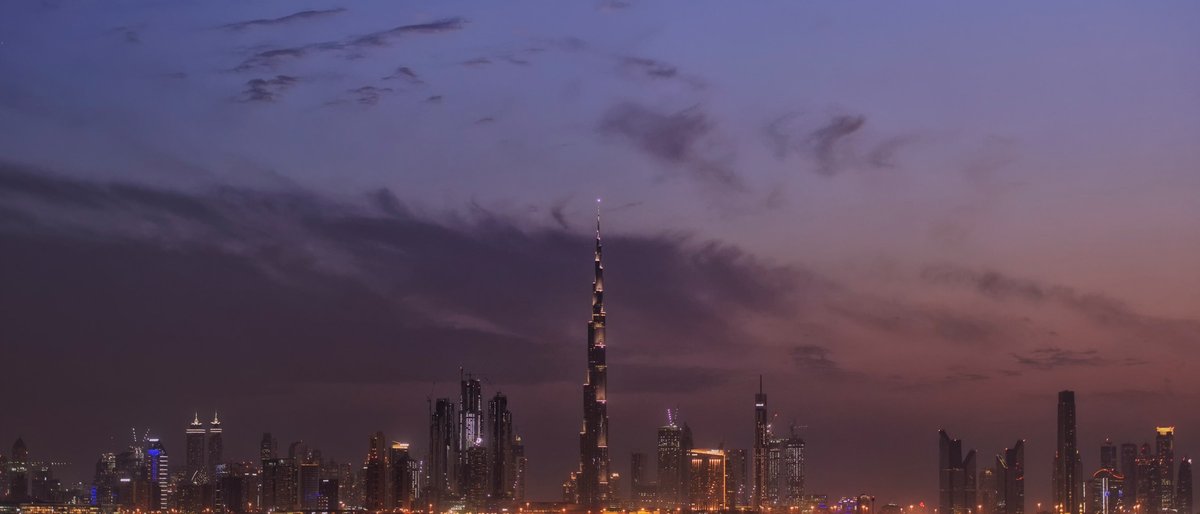
The Burj Khalifa observation deck at sunset. Book the 124th-floor At the Top slot for roughly 5:30pm in winter or 6:30pm in summer; you watch the desert horizon go copper while the city switches on 452 metres below your feet. Online tickets run 149 AED (about $41). Book two days ahead; walk-ups sell out by noon.
The Burj Khalifa earns the top slot not because it's the tallest building: that fact lives on a Wikipedia page and stays there. It earns it because of what happens at sunset from the 124th floor. The observation deck faces west over Sheikh Zayed Road, and for about twenty minutes the city shifts from white-hot glare to something warmer. You feel the temperature drop through the glass as the sun dips behind Jebel Ali. Gold-tinted towers along the Marina catch the last light while Downtown goes blue beneath you. Then the fountains start: the Dubai Fountain fires its first evening show at 6pm, and from 452 metres up you see the full 275-metre arc of water, not just the front row ground-level viewers get. The 124th-floor At the Top ticket costs 149 AED (about $41) booked online. The 148th-floor SKY lounge runs 533 AED and adds dates and Arabic coffee in a seated setting: worth it if standing in the crowd doesn't appeal. Go on a weekday. Friday and Saturday evenings pack the elevators.
Al Fahidi Historical District sits on the Bur Dubai side of the Creek, about twenty minutes by taxi from Downtown. This is where Dubai was before the oil money arrived: narrow sand-coloured corridors between coral-and-gypsum buildings, wind towers pulling hot air up and out of courtyards that smell faintly of cardamom and oud from the shops lining them. The district is small enough to cover in forty-five minutes. The Coffee Museum on Al Fahidi Street serves cups for 15 AED that taste nothing like the Starbucks in the Marina Mall. Cross the Creek on an abra: the wooden motorboats that run from Bur Dubai to Deira for 1 AED (about 27 US cents). The ride takes five minutes. You'll hear the engine thrum, feel the diesel-warm spray, and land at the Gold Souk's back entrance without having spent enough to notice. Mind you, the Gold Souk itself is mostly window shopping unless you're buying: the vendors are persistent but not aggressive, and gold is priced by weight at published rates, not haggling.
The third pick tends to split opinion. Some visitors prefer the Dubai Frame: a 150-metre rectangular tower in Zabeel Park that frames the old Creek district on one side and the Downtown skyline on the other, but I'd send a first-timer to the desert instead. The Dubai Desert Conservation Reserve sits about an hour southeast of Downtown, and a morning safari leaving at 6am gets you back by 10am before the heat turns punishing. What you get out there is something the city can't offer: silence. Red sand dunes that squeak under your boots. Dawn light that runs pink and grey, not the golden warmth you'd expect. Most operators charge 250–400 AED per person for the morning drive, which includes dune runs in a Land Cruiser, a camel farm stop, and sandboarding. Skip the evening desert camp packages at 500+ AED: they bus sixty people to a fenced compound, serve buffet shawarma under fluorescent lights, and call it an experience. The morning run is quieter, cooler, and half the price.
A first-timer's honest sequence: Al Fahidi and the Creek on your first morning when jet lag has you up at 5am anyway. The souk opens early, the air is still cool enough to walk, and the muezzin's call to prayer echoing off the water at dawn is the most distinctly Dubai sound you'll hear all trip. Burj Khalifa on day two at sunset, booked ahead. Desert on day three, early. That leaves afternoons free, which matters because Dubai from noon to 4pm in any month except January is rough: 35°C minimum from April through October, and even December sits around 25°C with humidity that fogs your sunglasses the second you step outside an air-conditioned building. The malls exist for a reason. Use them as midday shelter, not destinations. Worth noting: Dubai is a car city. The Metro covers Downtown and the Marina well, but reaching Al Fahidi or the desert means a taxi or Careem. Taxis are metered, clean, and cheap: a twenty-minute ride rarely tops 40 AED, about $11.
The top three
Burj Khalifa At the Top (124th floor)
At sunset the 124th-floor deck lets you watch the city shift from white glare to copper while the Dubai Fountain fires its first evening arc 452 metres below: the one view that makes the scale of this place land physically.
Al Fahidi Historical District and Dubai Creek
Sand-coloured corridors, wind towers, cardamom-scented courtyards, and a 1 AED abra ride across the Creek to the Gold Souk. This is where Dubai was before the money; forty-five minutes and you see the whole arc.
Dubai Desert Conservation Reserve (morning safari)
Red dunes that squeak underfoot, dawn light that runs pink instead of gold, and silence you cannot find anywhere in the city. The morning run beats the tourist-camp evening packages on price, heat, and crowd size.
Reservations required for at least one of these.
Verified attractions
Sourced from Wikidata and OpenStreetMap: each entry links to its authoritative page.
-
Burj Khalifa
attractionskyscraper in Dubai, United Arab Emirates
View on Wikidata -
Dubai Museum
museummain museum of Dubai
View on Wikidata -
The Dubai Fountain
monumentworld's largest choreographed fountain system
View on Wikidata -
Ain Dubai
attractionobservation wheel in Dubai, UAE
View on Wikidata -
Dubai Frame
attractionarchitectural landmark in Dubai
View on Wikidata -
Dubailand
parkentertainment complex in Dubai
View on Wikidata -
Museum of the Future
museumexhibition space in the UAE
View on Wikidata -
Dubai Creek Tower
towerobeservation tower under construction in Dubai
View on Wikidata -
Rashid Stadium
stadiumsoccer stadium in Dubai
View on Wikidata -
Wild Wadi Water Park
parkoutdoor water park in Dubai
View on Wikidata -
Sharjah Stadium
stadiumSmall stadium
View on Wikidata -
Dubai Miracle Garden
parkflower garden in Dubai, United Arab Emirates
View on Wikidata -
Maktoum Bin Rashid Al Maktoum Stadium
stadiumFootball Stadium Of Dubai
View on Wikidata -
Dubai Opera House
theaterperforming arts center in Dubai, UAE
View on Wikidata -
Za'abeel Stadium
stadiumstadium in Dubai, United Arab Emirates
View on Wikidata -
مارينا بيناكل
attractionarchitectural structure
View on Wikidata -
Al Kazim Towers
attractionarchitectural structure
View on Wikidata -
DSC Cricket Stadium
stadiumstadium in Dubai, United Arab Emirates
View on Wikidata -
Al Bastakiya
museumneighborhood in Dubai, UAE
View on Wikidata -
Dubai Zoo
parkzoo in Dubai, United Arab Emirates
View on Wikidata -
Universal Studios Dubailand
parkamusement park in Dubai
View on Wikidata -
Deira Clocktower
towerRoundabout in Dubai, UAE
View on Wikidata -
IMG Worlds of Adventure
parkindoor theme park in the City of Arabia, Dubai, United Arab Emirates
View on Wikidata -
Khalid Bin Mohammed Stadium
stadiumgeographical object
View on Wikidata -
Dubai International City
attractionarchitectural structure
View on Wikidata -
Madinat Jumeirah
attractionarchitectural structure
View on Wikidata -
Russian Orthodox Church, Sharjah
churchchurch building in Sharjah Emirate, United Arab Emirates
View on Wikidata -
Safa Park
parkpark in the United Arab Emirates
View on Wikidata -
Mushrif Park
parkgood
View on Wikidata -
St. Mary's Catholic Church, Dubai
churchchurch in United Arab Emirates
View on Wikidata -
St. Michael's Catholic Church
churchchurch building in Sharjah Emirate, United Arab Emirates
View on Wikidata -
Zabeel Park
parkurban public park, located in Dubai, United Arab Emirates
View on Wikidata -
Dubai Safari Park
parkpark in Dubai, United Arab Emirates
View on Wikidata -
Falconcity of Wonders
attractionFalcon Dubai of wonders
View on Wikidata -
Sharjah Art Museum
museumart museum in United Arab Emirates
View on Wikidata -
Sky Gardens
attractionbuilding in Dubai, United Arab Emirates
View on Wikidata -
World Trade Centre Residence
attractionresidential in Dubai, United Arab Emirates
View on Wikidata -
Al Attar Business Tower
attractionoffice in Dubai, U.A.E
View on Wikidata -
Dubai Aquarium and Underwater Zoo
parkaquarium in Dubai, United Arab Emirates
View on Wikidata -
Dubai Butterfly Garden
parkbutterfly garden in Dubai, United Arab Emirates
View on Wikidata
Last verified by automated review (v1.5.J.2) on . What is automated review?