When's the best time to visit Dubai in 2026?
November through March. Dubai's winter puts daytime highs around 24–28°C with almost no rain: the only months when walking the Gold Souk in Deira or sitting on Kite Beach feels comfortable rather than punishing. Hotel rates climb 40–60% in December, but October and April offer similar weather at lower prices with thinner crowds.
Dubai has two seasons that matter: the one where you can go outside, and the one where you can't. From June through September, afternoon temperatures sit at 42–48°C with humidity above 70%. That combination is not "warm": it is physically dangerous. The air at 2pm in August feels like opening an oven door, except the oven is the size of a city. Walking from your hotel lobby to a taxi stand leaves you drenched. The malls are packed because nobody can survive outdoors for more than a few minutes. Even hotel pools feel like tepid bathwater. This is not a season you power through: it is one you skip unless you have business that demands it.
November through February is when Dubai works as a destination. Daytime temperatures hover around 24–28°C, dropping to 15–18°C after dark: cool enough that you'll want a light jacket for dinner at a waterfront table in Dubai Marina. Humidity falls to 50–60%, and the sky stays clear for weeks. This is when desert safari operators can run sunset trips without worrying about heatstroke, when Kite Beach is pleasant at midday, and when the Dubai Creek dhow wharves smell of cardamom and timber rather than hot concrete. The Gold Souk in Deira (that tight corridor with air-conditioning units dripping overhead) becomes walkable instead of suffocating. You'll hear the calls to prayer mixing with the metallic clang of shopkeepers pulling up shutters around 9am, and the creek's abra boats thumping against wooden pontoons as they ferry passengers for 1 AED a crossing.
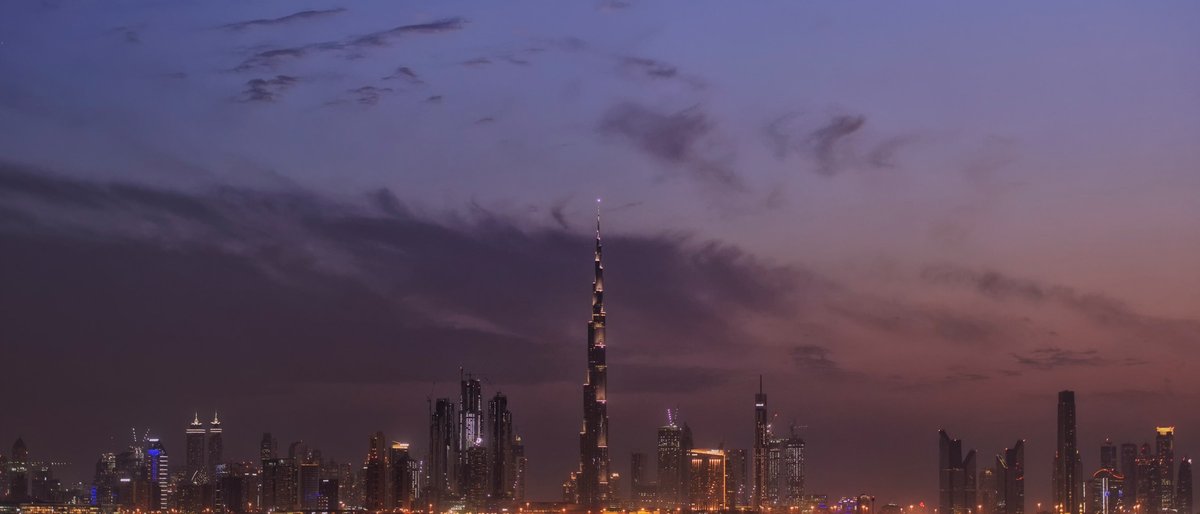
The trade-off is cost. December and January are peak season, and hotel rates at places like the Address Downtown or Jumeirah Al Qasr climb 40–60% over their October equivalents. New Year's Eve around the Burj Khalifa is a spectacle: the fireworks reflect off the Dubai Fountain lake and the whole Downtown district fills with the smell of gunpowder and shawarma from street vendors, but expect 2,500–4,000 AED per night for a room with a view of it. Restaurants like Zuma in DIFC and Nobu at Atlantis need reservations two weeks ahead. If that pricing stings, look at October or March: temperatures still hover around 30–33°C, crowds thin noticeably, and a solid four-star room near JBR runs considerably cheaper.
One variable most guides gloss over: Ramadan. It shifts roughly ten days earlier each year and currently falls around late February to late March. During Ramadan, eating, drinking, or smoking in public during daylight hours is not permitted, and most restaurants are curtained off until sunset. This is not a reason to avoid Dubai: the iftar meals at places like Al Nafoorah in Jumeirah Emirates Towers are some of the best dining of the year, and hotel guests can still eat at designated areas, but it changes the rhythm of daily life. Brunches shut down. Nightlife goes quiet. The streets feel hollow until the evening call to prayer, when the city stirs again with the clatter of plates and the warm smell of grilled lamb and fresh bread drifting from restaurant courtyards. If you want the full brunch-and-beach-club experience, check the Ramadan dates before booking.
Month-by-month outlook
- Jan Ideal
- Feb Ideal
- Mar Ideal
- Apr Shoulder
- May Avoid
- Jun Avoid
- Jul Avoid
- Aug Avoid
- Sep Avoid
- Oct Shoulder
- Nov Ideal
- Dec Ideal
Year-round climate
Averages from the last 5 years.
| Month | Avg high (°C) | Avg low (°C) | Rainfall (mm) |
|---|---|---|---|
| Jan | 24 | 16 | 17 |
| Feb | 25 | 17 | 17 |
| Mar | 29 | 19 | 10 |
| Apr | 32 | 22 | 24 |
| May | 36 | 25 | 3 |
| Jun | 39 | 28 | 0 |
| Jul | 41 | 31 | 5 |
| Aug | 41 | 31 | 0 |
| Sep | 39 | 29 | 0 |
| Oct | 35 | 26 | 2 |
| Nov | 31 | 22 | 5 |
| Dec | 27 | 18 | 13 |
Winter highs 24–28°C, near-zero rainfall Nov–Mar. Summer 42–48°C with 70%+ humidity Jun–Sep. Under 100mm annual rain, mostly brief Feb–Mar showers.
Go deeper into Dubai
Last verified by automated review (v1.5.J.2) on . What is automated review?