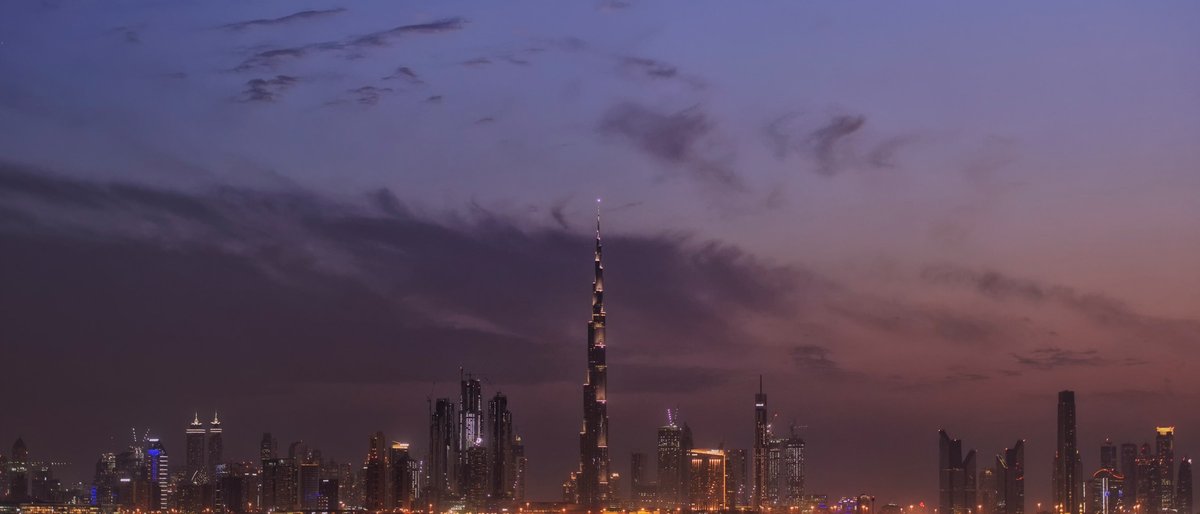
Dubai has built its reputation on scale: malls the size of small towns, indoor ski slopes next to luxury boutiques, and gold sold by the gram in open-air souks. But strip away the headline spectacle and you'll find a city where shopping still has texture. The old creek-side markets in Deira smell of frankincense and dried lemons. Emirati women browse abaya designers in Jumeirah the way Parisians browse fashion houses. Filipino and Indian communities have carved out their own commercial streets in Karama and Satwa with fabric shops, tailors, and grocery stores stocked with ingredients you won't find in the glossy supermarkets. Dubai is,, a trading city: it has been one since long before the towers went up. Dhows still unload cargo along the creek, and the wholesale markets in Deira move spices, textiles, and electronics in volumes that would surprise anyone who only knows the Dubai of Instagram. The shopping here runs the full spectrum: you can drop a month's salary on a watch in the Dubai Mall or haggle over a pashmina in the textile souk for the equivalent of a few dollars. What makes it distinctive is the compression: budget and luxury exist almost on top of each other, separated by a creek crossing or a ten-minute taxi ride.
Shopping districts
-
Downtown Dubai and Dubai Mall
luxury to mid-rangeThe Dubai Mall is the obvious starting point, and yes, it's enormous: over 1,200 stores spread across a space that takes days to cover properly. The ground floor skews toward high fashion: Chanel, Dior, Louis Vuitton, the usual suspects. Upper levels open up to more accessible brands. The Fashion Avenue extension is where things get properly exclusive, with private fitting rooms and valet services for the luxury wing. Worth noting: the mall itself is free to wander, and locals treat it as air-conditioned public space, in summer. You'll see families picnicking near the fountain, teenagers hanging out, people walking laps for exercise. It's not just shopping: it's Dubai's living room.
Best for: International luxury brands, electronics, and the sheer spectacle of a mall that contains an aquarium and an ice rink
-
Deira: Gold Souk, Spice Souk, and Surrounding Streets
budget to mid-rangeCross the creek from Bur Dubai and Deira feels like a different city entirely. The Gold Souk is the headliner: a covered network of lanes where hundreds of shops display jewelry in quantities that look almost surreal. The gold here is generally 18K, 22K, or 24K, and pricing tends to follow international gold rates plus a making charge that's negotiable. A few streets over, the Spice Souk is smaller and quieter, with sacks of saffron, cardamom, dried limes, and frankincense spilling out of narrow storefronts. The surrounding streets are packed with electronics shops, perfume dealers, and wholesale textile merchants. The whole area has a buzzy, slightly chaotic energy: hawkers call out, the abras honk on the creek, and the smell of oud drifts from perfume shops. It can feel overwhelming at first, but that's part of the draw.
Best for: Gold jewelry, spices, perfume oils, and the closest thing Dubai has to old-world bazaar atmosphere
-
Karama and Meena Bazaar
budgetKarama is where Dubai's South Asian community shops, and it has a completely different rhythm from the malls. The streets around Karama Centre and the nearby Meena Bazaar in Bur Dubai are lined with textile shops, tailors, shoe stores, and small electronics dealers. Meena Bazaar itself is one of Dubai's oldest commercial areas, still full of fabric merchants who will sell you silk, cotton, or linen by the meter and point you to a tailor next door who can turn it into whatever you want within a day or two. Karama also has a reputation for counterfeit goods: vendors might whisper offers for fake designer bags. Best to steer clear of that. The legitimate shops, though, offer good value on clothing, accessories, and household goods.
Best for: Tailored clothing, textiles by the meter, affordable everyday shopping, and South Asian groceries
-
Mall of the Emirates and Al Barsha
mid-range to luxuryMall of the Emirates tends to feel slightly more manageable than the Dubai Mall, though it's still vast. The anchor stores lean international mid-range: Harvey Nichols, Debenhams successor brands, and a strong selection of high-street fashion. The surrounding Al Barsha area has grown into a proper commercial district with standalone furniture shops, home goods stores, and some good independent restaurants. Locals often prefer Mall of the Emirates for practical shopping: it's easier to park, the layout makes more sense, and the crowds are generally thinner on weekdays. Ski Dubai, the indoor ski slope, sits inside the mall: strange to walk past people in ski gear while you're carrying shopping bags, but that's Dubai for you.
Best for: High-street fashion, home goods, and a slightly less overwhelming mall experience
-
Jumeirah and City Walk
mid-range to luxuryJumeirah Road and the surrounding streets have a more curated, boutique-heavy feel. This is where you'll find independent Emirati fashion designers, concept stores, small galleries, and specialty food shops. City Walk, an open-air development nearby, leans into this aesthetic with a mix of international brands and regional labels you won't see in the bigger malls. The pace is slower here. People come to browse, have coffee, wander. It's the part of Dubai that feels most like a neighborhood shopping street rather than a commercial project, even though much of it is, technically, planned development. The abaya boutiques along Jumeirah Road are worth a look: Emirati designers are doing interesting work with contemporary cuts and embroidery.
Best for: Independent designers, contemporary Emirati fashion, concept stores, and a more relaxed browsing pace
-
Dubai Marina and JBR
mid-rangeThe Walk at JBR and Dubai Marina Mall serve the beachside expat community that lives in the surrounding towers. JBR is a pedestrian promenade lined with shops that lean casual (beachwear, sunglasses, surf brands) mixed with restaurants and pop-up market stalls that appear on weekends. Dubai Marina Mall is compact by Dubai standards and skews toward everyday needs: a good supermarket, pharmacy, and mid-range fashion. The energy here is evening-oriented; the area comes alive after sunset when residents come out for walks along the water. Not a destination shopping area, but if you're staying nearby, it covers the basics well and the waterfront setting is pleasant.
Best for: Casual beachwear, evening browsing along the waterfront, and weekend pop-up markets
-
Al Quoz Industrial Area and Alserkal Avenue
mid-range to luxuryAl Quoz is technically an industrial zone, which makes it an unlikely shopping destination. But Alserkal Avenue, a repurposed warehouse complex within the district, has become Dubai's creative hub. Galleries, design studios, independent bookshops, and specialty coffee roasters cluster here. You'll find limited-edition art prints, handmade ceramics, and locally designed homewares that you simply won't see in the malls. The surrounding streets still have their industrial character: auto repair shops and building supply warehouses sit next door to contemporary art spaces. It gives the whole area an unpolished, slightly gritty atmosphere that feels refreshing in a city where so much is manicured. Come on a weekend when events or exhibitions tend to draw crowds.
Best for: Contemporary art, independent design, handmade goods, and Dubai's creative community
Markets
-
Gold Souk
specialtyHundreds of gold and jewelry shops packed into a covered network of lanes in Deira. The sheer volume of gold on display is staggering: entire shop windows filled floor to ceiling with necklaces, bracelets, and ornate bridal sets. Prices are tied to the daily gold rate, displayed on screens throughout the souk, with a making charge on top that you can and should negotiate. The quality is generally reliable: Dubai has strict regulations on gold purity, and shops are regularly inspected. Morning is the quietest time to visit; evenings get packed, on weekends. The surrounding streets extend the market atmosphere with perfume, watch, and electronics shops.
Most shops open around 10:00, close mid-afternoon, then reopen from 16:00 to 22:00. Friday hours tend to start later.
-
Deira Spice Souk
food and spiceA tight cluster of spice merchants near the Gold Souk, selling saffron, cardamom, turmeric, dried rose petals, frankincense, and oud chips. The scent hits you before you see the stalls: warm, layered, almost dizzying on a hot day. Vendors are generally happy to let you smell before buying, and the saffron here tends to be significantly cheaper than what you'd pay back home. Iranian saffron is the most common, sold in small packets or larger bags. Frankincense comes in various grades, from pale white Omani pieces to darker, more resinous varieties. The market itself is small (you can walk through it in twenty minutes) but it rewards slow browsing.
Daily, roughly 08:00 to 22:00 with a mid-afternoon lull. Some shops close on Friday mornings.
-
Textile Souk (Bur Dubai)
textileTucked along the creek in Bur Dubai, the Textile Souk is a covered walkway lined with shops selling fabric bolts in silk, cotton, linen, chiffon, and synthetic blends. The colors are overwhelming: every shade, every pattern, stacked to the ceiling. Many of these merchants have been here for decades, and they know their product. Tell them what you want and they'll pull out options you hadn't considered. Tailoring is the natural companion; several shops nearby can produce custom garments quickly. The surrounding area, with its restored wind-tower architecture, is one of the older and more atmospheric parts of the city. Walking through feels like stepping back a few decades, which is saying something in Dubai.
Generally 10:00 to 22:00 daily, with a possible mid-afternoon break. Friday tends to be afternoon and evening only.
-
Ripe Market
artisan and foodA weekly community market that rotates between locations: it's appeared at Academy Park, Dubai Police Academy grounds, and various seasonal venues. The focus is local and organic produce, artisan foods, handmade crafts, and small independent brands. You'll find date-based products, local honey, handmade soaps, baked goods, and jewelry from UAE-based designers. The crowd skews young and expat, with families bringing kids. The atmosphere is relaxed and community-oriented: less commercial hustle, more weekend farmers' market energy. Check their social media for current locations and times, as these shift seasonally. The cooler months from October through April are the prime season.
Typically weekends during the cooler months (October to April). Location and timing shift seasonally: check current listings before going.
-
Waterfront Market (Deira)
foodThis replaced the old Deira Fish Market and is now a large, modern, air-conditioned facility near the Deira waterfront. The fish hall is the main event: rows of vendors selling fresh catch from the Gulf and beyond, with a cleaning and filleting service on-site. The variety is striking: hammour, kingfish, shrimp the size of your fist, sea bream, and species you might not recognize. Beyond fish, there are sections for meat, fruits, vegetables, and dry goods. The produce section has mangoes from Pakistan, dates from Saudi Arabia, pomegranates from Iran. It's a working market, not a tourist attraction, which means the atmosphere is brisk, a little loud, and interesting. Go early morning for the best selection.
Daily from early morning (around 06:00) through late evening. Fish section is best before noon.
-
Global Village
night market and cultural fairOpen only during the cooler months, Global Village is a large outdoor attraction where dozens of countries have pavilions selling their goods: Iranian carpets, Indian textiles, Turkish lamps, Moroccan leather, Chinese electronics, and much more. It's part market, part theme park, part food festival. The quality varies wildly: some pavilions sell genuine handcrafted goods, others lean toward mass-produced souvenirs. But the atmosphere on a cool evening is fun: live performances, street food from dozens of cuisines, and a carnival-like energy. Go with calibrated expectations: it's entertainment shopping, not serious sourcing. That said, the carpet and textile pavilions can yield real finds if you know what you're looking for.
Typically October through April, open evenings only. Hours tend to be 16:00 to midnight on weekdays, later on weekends. Closed Mondays in some seasons.
-
Dubai Flea Market
fleaA periodic flea market that has popped up at various locations around the city, often in community spaces or parking lots in areas like Zabeel or Al Quoz. Vendors sell secondhand goods, vintage clothing, preloved furniture, books, and collectibles. The vibe is casual and slightly disorganized in the best way: you never quite know what you'll find. It draws a mix of longtime Dubai residents clearing out apartments and small vintage dealers. The market doesn't run on a fixed schedule, so you'll need to follow local event listings or social media to catch it. When it does appear, it tends to draw a crowd of bargain hunters and the creatively inclined.
Irregular: typically once or twice a month on weekends. Check local event listings for dates and locations.
Souvenirs worth bringing home
The most local thing you can bring home from Dubai is oud: the dark, resinous wood that's burned as incense across the Gulf. Good oud chips or oud oil are expensive, but even a small quantity makes a distinctive gift that comes from the region's perfume tradition. Bakhoor, which is oud-based incense blended with resins and fragrance oils, is more affordable and widely available in the souks. Arabic perfume oils are another solid pick: concentrated attar in small ornate bottles, uncut with alcohol, that last on the skin for hours. You'll find these throughout Deira's perfume shops.
Dates are the obvious edible souvenir, and for good reason. The premium varieties (Medjool, Ajwa, Khidri) are often stuffed with almonds, orange peel, or coated in chocolate. Bateel is the well-known brand, but the date shops in the souks sell comparable quality for less. Saffron from the Spice Souk is another practical choice, Iranian saffron, which tends to cost a fraction of what you'd pay in Europe or North America.
For something more personal, look into Arabic calligraphy art. Several shops in the old souks and galleries in Alserkal Avenue sell prints or original pieces. Traditional Emirati khanjar daggers (ornamental, not functional) make striking display pieces, though they're not cheap and you should confirm airline regulations before buying. Camel milk chocolate from Al Nassma is a distinctly Dubai product and travels well. Hand-woven Bedouin-style textiles exist but are increasingly rare; most of what you'll find in tourist shops is machine-made. The textile souk, however, still carries beautiful fabrics that a good tailor back home could turn into something special.
Avoid the generic fridge magnets and keychains stamped with the Burj Khalifa: they're made in China and have nothing to do with the place. If you want something that says Dubai, look for items rooted in Gulf trading culture: frankincense, oud, spices, gold, and coffee.
Practical tips
- Bargaining
- Bargaining is expected in the souks and traditional markets: start at roughly half the quoted price and work from there. The Gold Souk is an exception: gold prices follow the daily rate, so you're mainly negotiating the making charge, where a reduction of 15 to 25 percent is reasonable. In the malls, prices are fixed. Don't bargain at brand stores or in food markets: it's not the culture there. In Karama and the textile souk, friendly but firm negotiation is normal and vendors expect it.
- Tax Refunds
- The UAE has a 5 percent VAT, and tourists can claim refunds on purchases through the Planet Tax Free system. Look for the Tax Free Shopping sign at participating stores, get a tax-free tag at the point of sale linked to your passport, and process the refund at the airport before departure. There are self-service kiosks at Dubai International. The minimum spend per transaction is typically around 250 AED. Keep your receipts and make sure goods are unused when you leave: customs may check. The process is generally smooth at DXB, though the kiosks occasionally have queues during peak hours.
- Opening Hours
- Mall hours are typically 10:00 to 22:00, extending to midnight or later on weekends (Friday and Saturday). During Ramadan, expect adjusted hours: many places open later and stay open well past midnight. Souk shops often follow a split schedule: morning until early afternoon, then reopening in the late afternoon through evening. Friday is still the slower day in traditional markets, with some shops opening only after midday prayers. Government holidays may affect things unpredictably, during Eid, when some shops close for several days while others run extended sales.
- Payment Methods
- Dubai is heavily card-friendly. Visa, Mastercard, and contactless payments work almost everywhere: malls, restaurants, supermarkets, even many souk shops. That said, carry cash for the traditional markets. Small vendors in the spice souk, textile souk, and flea markets may prefer cash, and having notes gives you more use when bargaining. ATMs are everywhere and most accept international cards. The currency is the UAE dirham (AED), pegged to the US dollar at roughly 3.67 AED to 1 USD, so exchange rates are stable and predictable.
- Summer Shopping
- Dubai's summer heat (we're talking 40 to 50 degrees Celsius from June through September) makes outdoor shopping unpleasant. This is when the city retreats into air-conditioned malls, and retailers respond with Dubai Summer Surprises, weeks of deep discounts designed to keep people spending. If you can handle the commute from air-conditioned car to air-conditioned mall, the deals during summer sales are legitimately good. The souks are tougher: they're partially covered but not fully air-conditioned, so early morning visits are the only comfortable option.
- Shipping and Customs
- Many shops in the Gold Souk and carpet dealers offer international shipping, and some are experienced at it. Get everything documented: receipts, certificates of authenticity for gold, and shipping insurance. For large items like carpets or furniture, the shop will often arrange freight. Be aware of your home country's customs allowances and duty thresholds before buying: a gold necklace that seems like a deal can become less so once you factor in import duty. Electronics are generally cheaper in Dubai, but check warranty terms: some items carry regional warranties that won't be honored internationally.
FAQ
Is Dubai cheaper for gold jewelry compared to other countries?
Gold itself follows international pricing, so the raw material cost is roughly the same. Where Dubai gets competitive is the making charge: the labor and design cost added on top of the gold weight. In the Gold Souk, making charges tend to be lower than in Western jewelry stores, and they're negotiable. There's also no sales tax on investment gold in the UAE. The savings are most noticeable on 22K and 24K pieces. For heavily designed 18K jewelry, the difference narrows. Always check the day's gold rate (displayed in the souk) and compare the total price per gram before committing.
What are the best months to visit Dubai for shopping deals?
The two main sale seasons are Dubai Shopping Festival, which typically runs from mid-December through January, and Dubai Summer Surprises, usually June through August. Both feature genuine discounts across the malls, with markdowns of 25 to 75 percent at participating stores. The Shopping Festival also brings events and promotions to the souks. Ramadan often has good deals too, in the final weeks before Eid, when shops run clearance sales. Outside these periods, end-of-season sales in March and September can also yield bargains.
Is it safe to buy electronics in the souk areas around Deira?
The electronics shops around Deira (along Al Sabkha Road and the streets near Al Fahidi) sell a mix of genuine products and grey market goods. Grey market means legitimate products imported outside official distribution channels, which can be cheaper but may lack a local or international warranty. Counterfeit goods also circulate. Stick to shops that provide proper receipts and warranty cards, check that boxes are sealed, and verify serial numbers where possible. For high-value purchases, the authorized retailers in the malls are safer, even if slightly pricier.
Can I get clothes tailored quickly in Dubai?
Tailoring is embedded in Dubai's commercial culture, in Bur Dubai and Karama. A basic garment (a shirt, simple dress, or pair of trousers) can typically be turned around in 24 to 48 hours. More complex pieces like suits might take three to five days. Prices are remarkably reasonable compared to Western tailoring: a custom men's shirt might run 80 to 200 AED depending on the fabric. The textile souk in Bur Dubai is the natural starting point: buy your fabric there and take it to a tailor in the surrounding streets. Get recommendations from locals or hotel staff, and always ask for a fitting before final delivery.
Are the souvenirs in airport duty-free shops a good deal?
Dubai Duty Free at DXB is well-stocked and competitively priced for certain categories: alcohol, cigarettes, perfume, and chocolate tend to be genuine bargains, compared to European airports. Electronics can be good too, though you should compare with in-city prices first. For traditional souvenirs like dates, oud, or spices, you'll pay a premium at the airport compared to the souks. The selection is also more limited and packaged for convenience rather than quality. If you forgot to buy dates or saffron in the city, the airport will do in a pinch, but you'll get better quality and variety at the Spice Souk or a dedicated date shop.
How does shopping during Ramadan work for tourists?
During Ramadan, eating, drinking, and smoking in public during daylight hours is restricted out of respect for those fasting: this applies to everyone, including tourists. Malls are generally quieter during the day, with some shops opening later than usual. The real action happens after iftar, the evening meal that breaks the fast. Many malls and souks stay open until well past midnight, and the atmosphere becomes lively and social. Some of the best deals of the year appear during Ramadan, in the final days before Eid al-Fitr. Just be mindful of the cultural context: dress modestly, avoid eating visibly in public areas during fasting hours, and enjoy the evening energy.
Last verified by automated review (v1.7.1) on . What is automated review?