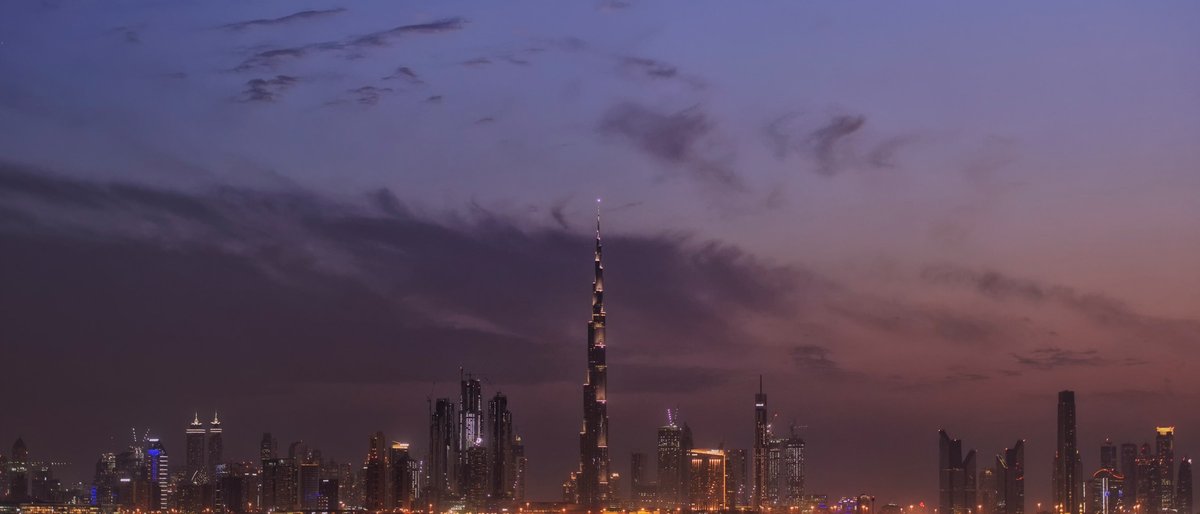
Dubai's nightlife operates on a logic all its own. The city runs late: dinner at 10 PM is normal, and plenty of bars don't hit their stride until well past midnight on weekends. Thursday night is the big one here, not Friday, since the UAE weekend currently falls on Friday and Saturday. You'll find a scene that skews international and moneyed, shaped heavily by the hotel-bar model: because alcohol licenses are tied to hotels and certain freehold zones, most of the city's drinking happens inside five-star lobbies, rooftop lounges, and beach club restaurants. That sounds limiting, but in practice it means the production value tends to be high: thick linen napkins, ice carved to order, sound systems that cost more than some apartments.
That said, Dubai is not one thing. The crowd at a JBR beach bar on a Thursday is worlds apart from the after-hours scene in Business Bay or the low-key wine spots tucked into DIFC. There's a real split between the see-and-be-seen crowd (designer everything, table service, bottle minimums) and a growing contingent of people who just want a decent drink and a conversation they can hear. Both exist. You just have to know where to look.
One thing to understand: this city's nightlife changes fast. A spot that was impossible to get into six months ago might be half-empty now. Concepts open, rebrand, close, and reopen under new names with startling regularity. The bones of the scene stay consistent (the neighborhoods, the hours, the general culture) but the specific venues shift like sand. Worth keeping that in mind before you plan a whole evening around a single place.
The Bar Scene: Hotel Lobbies, Rooftops, and the Occasional Surprise
Most bars in Dubai live inside hotels. That's the first thing to wrap your head around. The licensing structure means standalone bars are still relatively rare, though some have started appearing in freehold zones like City Walk and DIFC. In practice, this means you'll walk through a marble lobby, past a concierge desk, maybe ride an elevator, and then find yourself in a space that could rival anything in London or New York. Cocktail culture has taken root here. DIFC has become the center of gravity for serious drinks: you'll find bartenders who've worked in Singapore, Tokyo, and London, shaking things with house-made syrups and obscure amaro. The attention to ice alone would make a cocktail nerd weep. Expect to pay for it, though. A well-made cocktail in DIFC or Downtown runs somewhere north of 70 AED, often closer to 90 or 100. Rooftop bars are practically a genre unto themselves in Dubai. The skyline cooperates beautifully: all those towers lit up against a dark desert sky, the Burj Khalifa catching light from every angle. Marina and JBR have rooftop spots stacked on top of each other, and Downtown has several with direct Burj views. The drinks at these places tend toward the crowd-pleasing end (frozen cocktails, spritz variations, shisha on the side) but you're paying for the view and the breeze, and on a clear winter evening, it delivers. Wine bars are a smaller but growing category. DIFC has a few that take their lists seriously, with sommeliers who can talk you through Lebanese and Georgian bottles alongside the usual French and Italian selections. Markups on wine are steep across the board in Dubai (a bottle that costs 50 AED at the shop will run you 200 or more at a restaurant) so wine bars at least give you proper glassware and someone who cares about serving temperature. As for anything resembling a dive bar: Dubai doesn't really do dives in the traditional sense. The closest you'll get are the older hotel bars in Deira and Bur Dubai: places with sticky floors, Tagalog karaoke on Tuesday nights, and Filipino cover bands playing Eagles songs with genuine heart. These spots have their own charm. Cold San Miguel, a crowd that's there to have fun rather than be photographed, and prices that seem like a rounding error compared to the Marina. They're a different Dubai entirely, and worth seeing at least once.
Clubbing: Big Rooms, Big Names, and the Unwritten Rules
Dubai's club scene punches above its weight for a city its size, largely because the money flowing through means promoters can book headline DJs on a random Thursday. International acts rotate through regularly, during the cooler months from October through March: that's peak season, when the city fills up and the clubs respond accordingly. The dominant sound leans commercial: house, EDM, hip-hop, and R&B remixes that keep a broad international crowd moving. You'll hear a lot of tracks that were big in Ibiza two months prior. That said, there's a growing underground scene (in the techno and afrobeats space) that's been carving out dedicated nights at smaller venues. Business Bay and some of the newer D3 spaces have hosted events that feel closer to a Berlin basement than a Dubai superclub, though the comparison only stretches so far. Dress codes are enforced, and they're not suggestions. Smart casual is the baseline at most places: closed-toe shoes for men, no shorts, no sportswear, no flip-flops. At the higher-end clubs, you're looking at collared shirts or better. Women generally face less scrutiny at the door, but the overall expectation is that you've made an effort. Bouncers have wide discretion and they use it. Guest lists matter. Getting on one (usually through a promoter's Instagram or WhatsApp) can mean the difference between a smooth entry and a long wait, or between free entry and a cover charge. Ladies' nights are still a fixture of the Dubai club scene, typically on Tuesdays or Wednesdays, offering women free entry and a set number of complimentary drinks. These nights pack out. Table service is how the serious spenders do it, and it's a big part of the revenue model. Bottle minimums at popular clubs can start around 2,000 AED and climb sharply from there on peak nights. If you're not doing bottles, expect to queue unless you're on the list. Peak hours run late. Doors might open at 11 PM but the dance floor stays thin until 1 AM or later. Things tend to wind down around 3 to 4 AM, though some spots with later licenses push toward sunrise, during events and holiday weekends. Friday nights are busy but Thursday remains the traditional big night out.
Live Music: Cover Bands, Jazz Corners, and a Scene Still Finding Itself
Dubai's live music scene is honest about what it is: a work in progress. The city doesn't have the deep-rooted local music tradition of a Cairo or Beirut, but it's been building something, and certain pockets of the scene have real substance. The most common live music you'll encounter is cover bands and solo performers in hotel bars and restaurants. Filipino bands dominate this circuit and many of them are talented: tight harmonies, broad repertoires spanning everything from Motown to modern pop. It's background music elevated to something you stop and listen to. Deira's older hotels are where this tradition runs deepest. For jazz, there are a handful of dedicated spots and regular jazz nights, mostly in DIFC and Downtown hotels. The quality varies: some nights you get session musicians who clearly know their way around a standard, other nights it's smooth jazz piped over dinner conversation. Wednesday and Thursday tend to be the stronger jazz nights. The indie and alternative scene has been growing through underground events and pop-up shows, often promoted through Instagram rather than traditional listings. Alserkal Avenue in Al Quoz has been a hub for this: gallery spaces that double as event venues, hosting everything from experimental electronic sets to regional hip-hop acts. The crowd at these events skews younger, more local, and more creatively dressed than the hotel bar circuit. Arabic music has its own parallel nightlife world. Certain restaurants and clubs (those catering to Arab tourists and residents) feature live Arabic pop singers, oud players, and dabke-friendly sets that fill the floor. These tend to cluster in areas popular with Gulf and Levantine visitors. The energy is completely different from the Western-oriented club scene: louder, more communal, lots of table drumming and singing along. During the cooler months, outdoor concerts and festivals pick up considerably. The city hosts a rotating cast of international touring acts at large venues, and the beach club and pool party circuit brings in DJs and performers for daytime events that blur the line between brunch and festival.
Nightlife neighborhoods
-
DIFC (Dubai International Financial Centre)
Sleek, grown-up, and increasingly the cocktail capital of the city. Glass towers give way to ground-floor bars and restaurants lining Gate Avenue and the surrounding streets. The after-work crowd fills the terraces around 6 PM, but the scene stays alive well past midnight on Thursdays. It feels like a small, walkable city within the city: you can bar-hop on foot, which is rare in Dubai.
- Best for
- Cocktail bars, wine bars, after-work drinks, and a slightly older crowd that values good drinks over spectacle
-
Dubai Marina and JBR
The tourist-friendly waterfront strip. Marina Walk and The Walk at JBR line up restaurants, shisha lounges, and bars facing the water. Loud, social, heavy on outdoor seating. The crowd is mixed: tourists, expat residents, groups celebrating something. The breeze off the water helps on warm nights, and the whole area has a holiday energy that never quite switches off. Things can feel a bit generic if you're looking for character, but the setting does the heavy lifting.
- Best for
- Rooftop bars, casual drinks with a view, group nights out, and people-watching along the waterfront
-
Downtown Dubai and Business Bay
Downtown has the Burj Khalifa views and the high-profile hotel bars that trade on proximity to the fountain show. Business Bay, just south, has been quietly developing its own personality: newer hotel openings have brought interesting bar concepts, and the canal-side spots offer a slightly more relaxed feel than the Downtown flagship venues. The two areas bleed into each other and a taxi between them costs almost nothing.
- Best for
- Skyline views, hotel bars, date nights, and the newer wave of bar concepts in Business Bay
-
Deira and Bur Dubai
Old Dubai. The gold souk smell of spice and perfume oil lingers in the air even at night. Hotel bars here are a throwback: Filipino bands, cold beers at prices that seem like a typo, a crowd of long-term residents and sailors and traders who've been coming to the same stool for years. It's not polished and it doesn't try to be. The abra boats still cross the Creek after dark, and the water reflects the lights of both banks in a way that feels more honest than any rooftop panorama.
- Best for
- Budget drinks, karaoke, old-school hotel bars, and seeing the side of Dubai that existed before the towers went up
-
Al Quoz and Alserkal Avenue
The industrial-turned-creative district. Warehouses converted into galleries, with event spaces that host underground music nights, art openings with open bars, and the occasional pop-up party. Not a traditional nightlife area (you won't find it on a bar crawl map) but on the right night, with the right event, it's the most interesting place to be after dark in Dubai. Check Instagram listings before making the trip; it's dead when nothing's on.
- Best for
- Underground events, art openings, indie music, and a crowd that skews creative rather than corporate
-
Palm Jumeirah
Resort nightlife on an artificial island. The big-name beach clubs and hotel bars cluster around the crescent and the trunk. The energy is vacation mode: poolside cocktails that transition into evening drinks, resort restaurants with live music, and the occasional club night at one of the larger hotels. Getting there and back involves a single road or the monorail, so plan your exit. It can feel isolated from the rest of the city, which is either the point or the problem depending on your mood.
- Best for
- Beach clubs, resort-style evening drinks, and destination dining with after-dinner drinks on-site
Safety after dark
Dubai is safe by global standards: street crime is low, and you're unlikely to face the kind of trouble common in other major cities after dark. That said, a few things are worth knowing.
Drink-driving enforcement is strict and the legal blood alcohol limit is effectively zero. Do not drive after drinking. Period. Taxis are plentiful, Uber and Careem both operate well, and most nightlife areas have dedicated taxi ranks. The metro closes early (usually around midnight, with slightly extended hours on weekends) so plan on a car service for late nights.
Drink spiking, while not common, has been reported. Standard precautions apply: watch your drink, don't accept drinks from strangers, stick with your group. The bar staff at reputable venues tend to be attentive to this.
Scams targeting nightlife visitors are mostly of the soft variety: promoters offering free entry that comes with a hidden drinks minimum, or someone offering to get you past a queue for a fee that was never necessary. If something feels off, it probably is.
Public intoxication is a legal offense in the UAE and it's enforced. You don't need to be falling-down drunk to attract attention: being loud, aggressive, or visibly impaired on the street can result in police involvement. The general rule: enjoy yourself inside the venue, compose yourself on the way out.
PDA between couples should be kept minimal in public, though inside nightlife venues the norms relax considerably. Same-sex displays of affection carry real legal risk in the UAE and discretion is strongly advised regardless of the setting.
Practical tips
- Cover charges
- Many bars have no cover charge. Clubs vary widely: some are free before a certain hour or if you're on the guest list, while walk-up entry on peak nights might run 100 to 300 AED, sometimes with a drink included. Ladies' nights often waive entry and offer complimentary drinks entirely. Getting on a promoter's guest list through social media is standard practice and worth the five minutes it takes.
- Tipping
- Tipping culture in Dubai bars and clubs sits somewhere in the middle. A 10 to 15 percent tip is appreciated and increasingly expected at cocktail bars, if you're sitting at the bar and the bartender is making an effort. Many venues add a service charge to the bill: check before doubling up. For table service at clubs, tips for your server and the person running bottles to your table are customary.
- Dress code
- Take it seriously. Smart casual is the minimum at most places worth going to: think clean sneakers at the most casual end, loafers or heels at the other. Shorts, sandals, and athletic wear will get you turned away at the door without discussion. When in doubt, overdress. Nobody in Dubai was ever refused entry for looking too put-together.
- Alcohol availability and Ramadan
- Alcohol is only served at licensed venues: overwhelmingly hotels and certain freehold-zone restaurants and bars. You won't find it at street cafes or most standalone restaurants outside those zones. During Ramadan, nightlife continues but in a quieter, more restricted form: some venues close, live music may be curtailed, and the general atmosphere shifts. The exact restrictions vary year to year and venue to venue, so check ahead if your visit coincides.
- Timing your night
- Dubai runs late. Showing up to a bar at 8 PM means you'll likely have it to yourself. The after-work crowd filters in around 6 to 7 PM for happy hour, but the real evening doesn't start until 10 PM or later. Clubs are empty before midnight. If you're planning dinner and drinks, eat at 9 PM and you'll hit the bars at a reasonable hour. Thursday night is the big one: the local equivalent of Saturday night in most Western cities.
- Shisha
- Shisha is everywhere in Dubai's nightlife scene, available at many outdoor terraces and dedicated lounges. It's a social ritual more than a novelty: groups share a pipe over conversation for hours. Quality and flavor selection vary hugely. If you're not a regular smoker, the head rush from a strong mix can catch you off guard, combined with alcohol. Most venues charge somewhere around 50 to 150 AED per pipe depending on the setting.
FAQ
What night of the week is best for going out in Dubai?
Thursday night is Dubai's biggest night out, since the weekend here falls on Friday and Saturday. You'll find the best energy, the biggest DJ bookings, and the fullest dance floors on Thursdays. Wednesday tends to be popular for ladies' nights. Friday evenings can be good too, but they sometimes have a more relaxed, end-of-weekend feel. Weeknights from Sunday through Tuesday are quieter, though plenty of bars still operate and you'll have an easier time getting in anywhere.
How much should I budget for a night out in Dubai?
Dubai nightlife is not cheap by any measure. A cocktail at a decent bar runs 60 to 100 AED, a beer might be 45 to 70 AED, and a glass of wine starts around 50 AED. A moderate night of dinner and a few drinks could easily hit 500 to 800 AED per person. If you're doing bottle service at a club, think 2,000 AED and up for the table minimum. Happy hours, ladies' nights, and the older hotel bars in Deira offer the best value if budget is a concern.
Can tourists drink alcohol in Dubai?
Yes, tourists can drink at licensed venues, which in practice means hotel bars, hotel restaurants, licensed standalone restaurants in freehold zones, and clubs. You do not currently need a personal liquor license to drink at licensed venues as a tourist. Drinking in public, on the street, or on the beach is illegal and enforced. Being visibly intoxicated in public spaces can also lead to legal trouble, so pace yourself and keep it together when you leave the venue.
Is Dubai nightlife open during Ramadan?
Nightlife doesn't shut down entirely during Ramadan, but it does scale back noticeably. Live music is typically restricted or paused, some venues reduce hours or close, and the general atmosphere becomes more subdued. Alcohol is still served at licensed venues, though often only after iftar and sometimes in more enclosed settings. The exact approach varies each year and by venue. If you're visiting during Ramadan, check with specific venues before heading out and be respectful of the observance.
What is the legal drinking age in Dubai?
The legal drinking age in Dubai is 21. ID checks happen at venue doors, at clubs and on ladies' nights, and they're taken seriously. Carry your passport or a clear photo of your passport ID page: Emirates ID works for residents. Some venues are stricter than others, but being unable to prove your age will get you turned away regardless of how old you look.
How do I get home safely after a late night out?
Taxis are widely available in all nightlife areas, and ride-hailing apps like Uber and Careem work reliably throughout the night. The Dubai Metro closes around midnight on weekdays and around 1 AM on weekends, so it's not practical for late-night transport. Many hotels offer shuttle services or can arrange cars. The most important rule: never drive after drinking. Dubai enforces a near-zero tolerance blood alcohol limit for drivers, and the penalties are severe: fines, jail time, and deportation for non-residents are all on the table.
Last verified by automated review (v1.7.1) on . What is automated review?