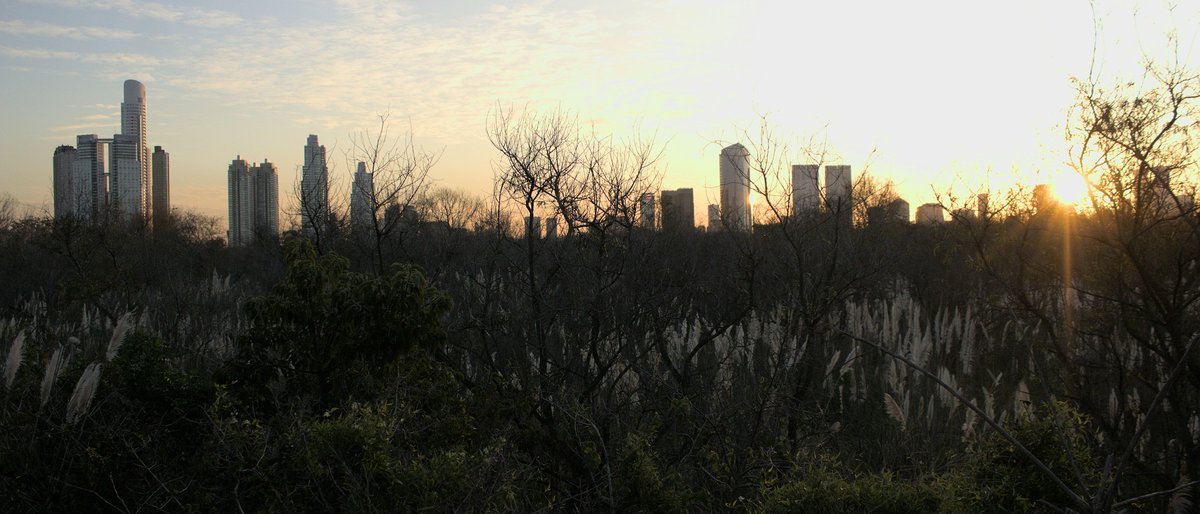
Buenos Aires runs on a clock that would give most cities anxiety. Dinner at 10 PM is early. Showing up to a club before 2 AM means you'll be dancing with the staff. The city's relationship with the night isn't performative: it's structural. Porteños live nocturnally, and the infrastructure has bent around that fact. Corner bodegas stay open until dawn, pizza windows serve hot slices at 4 AM, and the colectivos still run when the sky starts going pink over the Río de la Plata.
What catches most visitors off guard isn't the lateness itself but the patience. Nobody rushes. A group of friends might spend two hours over a bottle of Malbec before even discussing where to go next. The previa (the pre-game gathering at someone's apartment) is practically sacred. Fernet con Coca-Cola gets passed around, someone puts on cumbia or reggaetón, and the real night doesn't begin until everyone feels like it should.
The other thing worth knowing: Buenos Aires has layers. There's the polished cocktail scene in Palermo that could hold its own against any global city. There's the raw, sweat-on-the-walls milonga circuit where tango isn't a show but a Wednesday habit. There's the underground electronic music culture that's been quietly excellent for decades: the kind of scene where DJs from Berlin come to play, not the other way around. And then there's the cumbia villera blasting from speakers in Constitución, the folk peñas in San Telmo, the jazz trios playing to fifteen people in a Abasto basement. It's a city that still makes its own culture rather than importing someone else's.
Where Buenos Aires Drinks
The cocktail bar scene in Palermo has matured considerably over the past decade. What started as a handful of speakeasy-style spots has grown into a proper ecosystem: bars with house-made bitters, fermented syrups, and bartenders who seem personally offended if you order a vodka soda. The style tends toward invention over fidelity. You'll find drinks built on Argentine spirits like gin from Mendoza or craft vermouth from Patagonia. Menus change seasonally. Reservations help on weekends but aren't always necessary. That said, the heart of Buenos Aires drinking culture isn't really cocktails. It's a bottle of wine split between friends at a bodegón with paper tablecloths and fluorescent lighting. Malbec is the default, though Torrontés gets ordered more than outsiders might expect, in warmer months. Wine bars (proper ones, with rotating by-the-glass lists and knowledgeable staff) have been popping up across Palermo and Villa Crespo, though the old-school approach of just ordering a house red at whatever restaurant you're in still dominates. For something rougher around the edges, the dive bar circuit in San Telmo and La Boca delivers. Think sticky floors, Quilmes on tap, cumbia or rock nacional on the speakers, and a crowd that skews local. Nobody's taking photos of their drinks. The noise level makes conversation a contact sport. Rooftop bars exist but haven't taken over the way they have in other Latin American capitals. Buenos Aires is relatively flat, so the views tend toward endless urban sprawl rather than dramatic skylines. The ones that work lean into the horizontal vista: watching the sun set over low-rise buildings stretching to the horizon has its own quiet appeal. Puerto Madero has a few, and some of the hotels in Recoleta offer terrace drinking with a more refined crowd. One local habit that confuses newcomers: the after-office. Thursdays, you'll see bars in Microcentro and San Telmo packed by 7 PM with people in work clothes doing happy hour with a ferocity that suggests they've been waiting all week. Which they likely have.
After Midnight: Way After
The electronic music scene in Buenos Aires is legitimately one of the best in the world, and it operates with a seriousness that might surprise you. This isn't bottle-service territory. The crowd cares about the music: who's playing, what set they're building, whether the sound system can handle the low end. Genres lean toward techno, deep house, and progressive, though you'll find drum and bass nights, psytrance parties, and everything between if you look. Clubs generally open their doors around midnight or 1 AM, but showing up before 2 is considered enthusiastic at best. Peak hours run from roughly 3 AM to 6 AM. Some parties push past sunrise, on long weekends or during festival season. The after-party (the after, as locals call it) can extend things into the early afternoon if you fall in with the right crowd. Dress codes are loose by global standards. The electronic scene runs casual: sneakers, dark clothes, nothing too flashy. Some of the more upscale spots in Puerto Madero or Recoleta might turn you away in flip-flops, but that's about it. The general rule: look like you put in some thought without looking like you tried too hard. Entry tends to work through guest lists and advance tickets rather than pure door selection. Many of the bigger parties sell tickets online days or weeks ahead, often at tiered pricing that rewards early buyers. Showing up without a ticket and hoping to pay at the door still works for smaller venues, but the marquee nights sell out. Gender-based pricing, where women pay less or enter free, is still common at more commercial venues, though the underground scene has largely moved past that. Beyond electronic, there are reggaetón nights that pack enormous venues in Palermo and Constitución, cumbia parties that spill out of clubs in Flores, and the occasional rock nacional night that turns into a sweaty sing-along. The city's musical appetite is broad. You can hear Colombian salsa, Brazilian funk, or Uruguayan murga depending on the night and the barrio.
The Sound of the City
Tango is the obvious starting point, and yes, you should hear it live at least once. But skip the dinner-show circuit aimed at tour groups: the real thing happens at milongas, the social dance halls scattered across the city. The music there is functional, meant for dancing, and the quality of the orchestras and DJs varies. Some milongas use recorded golden-age recordings. Others feature live ensembles. The atmosphere tends toward dim lighting, close bodies, the scratch of leather shoes on wooden floors, and a formality that feels both old-fashioned and completely alive. Rock nacional (Argentina's homegrown rock tradition) still fills stadiums and bars alike. The genre has been central to the country's cultural identity since the 1960s, and Buenos Aires remains its beating heart. On any given weekend you'll find tribute bands, emerging acts, and occasionally a legend playing a smaller venue. The sound ranges from folk-rock to punk to something closer to prog, depending on the generation. Jazz has a dedicated following, with small clubs hosting trios and quartets most nights of the week. The scene isn't huge, but it's passionate and the musicianship tends to be high. Thursday through Saturday are your best bets for catching a proper set. Folk music (folklore) has a presence that surprises people who associate Buenos Aires only with tango. Peñas, the folk music gatherings with live chacarera, zamba, and zambas, happen regularly in San Telmo and other traditional neighborhoods. The energy is communal: people sing along, clap the rhythms, and occasionally get up to dance. Empanadas and red wine are usually involved. Cumbia, in all its Argentine variations, is arguably the most popular live music in the city right now. Cumbia villera, cumbia digital, and neo-cumbia acts pack venues in neighborhoods that rarely make the tourist maps. The sound is heavier and rawer than Colombian cumbia: synthesizers, distortion, lyrics about barrio life. It's not background music. It hits you in the chest.
Nightlife neighborhoods
-
Palermo
The largest and most varied nightlife zone, split into sub-neighborhoods that each have their own feel. Palermo Soho leans toward wine bars, cocktail spots, and restaurants that turn into late-night hangouts. Palermo Hollywood has more of the bigger venues and a slightly younger crowd. The streets between Plaza Serrano and the train tracks fill up on weekends with people bar-hopping on foot, the smell of grilled choripán drifting from street carts.
- Best for
- Cocktail bars, wine bars, bar-hopping on foot, dinner-to-drinks transitions
-
San Telmo
Cobblestone streets, crumbling colonial architecture, and a nightlife scene that feels less curated than Palermo. The bars here tend toward the scruffy end: rock bars, tango venues, late-night bodegas where the wine is cheap and the conversation loud. Sunday's antique market brings a different energy, but after dark the neighborhood belongs to locals, musicians, and the odd tourist who wandered south of Avenida de Mayo.
- Best for
- Dive bars, live tango, folk peñas, rock nacional
-
Villa Crespo
The neighborhood that Palermo residents quietly decamped to when Palermo got too polished. Smaller bars, natural wine spots, and restaurants where the chef is also the owner. The nightlife here is more intimate: fewer crowds, more conversation. It's been changing fast, with new spots opening regularly along Scalabrini Ortiz and Thames, but it still has an unfinished, slightly improvised quality that Palermo lost a while back.
- Best for
- Wine bars, low-key cocktail spots, neighborhood restaurants that run late
-
Costanera Norte
The stretch along the river where the big clubs have traditionally set up. It's somewhat isolated from the rest of the city: you're driving or taking a cab, not walking from dinner. The venues are large, the sound systems are serious, and the crowds skew young. On summer nights the area has a festival energy, with people spilling between venues along the waterfront, the smell of the river mixing with cigarette smoke and bass you can feel through the pavement.
- Best for
- Large electronic music clubs, big-name DJ nights, weekend marathon parties
-
Microcentro and San Nicolás
The financial district empties out after dark on most nights, giving it an almost eerie quality: huge buildings, empty sidewalks, security guards smoking on corners. But Thursday and Friday after-office culture fills specific blocks with a density that catches you off guard. Avenida Corrientes, the theater strip, stays alive later, with pizza joints, bookstores, and bars that cater to the post-show crowd. It's not where you'd plan a full night out, but it has its moments.
- Best for
- After-office drinks on weekday evenings, late-night pizza on Corrientes, theater-adjacent bars
-
Recoleta
Buenos Aires at its most European and its most expensive. The bars here serve an older, more moneyed crowd: think diplomats, professionals, and visitors staying at the grand hotels. The energy is subdued compared to Palermo, more conversation than dancing. Terraces on Avenida Alvear fill up on warm evenings. The dress code, while not strict, trends dressier. You might feel underdressed in sneakers here, which is not a problem you'll have anywhere else in the city.
- Best for
- Upscale hotel bars, dressed-up evenings, wine with an older crowd
-
Flores and Bajo Flores
This is where Buenos Aires sounds different. Cumbia dominates the soundscape: blasting from car stereos, leaking out of bailantas, thumping through the walls of dance halls that pack hundreds of people into converted warehouses. The crowd is working-class, local, and there to dance, not to be seen. It's raw and loud and real, and it's an entirely different city from the one tourists typically encounter. Worth noting: go with someone who knows the area, if it's your first time.
- Best for
- Cumbia bailantas, Argentine folk parties, an unfiltered Buenos Aires experience
Safety after dark
Buenos Aires is generally safe for a city its size, but the usual after-dark awareness applies, and a few things are specific to this city.
Transport is the big one. Taxis are everywhere, but the safest bet is using a ride-hailing app rather than hailing one off the street, late at night. Licensed radio taxis are a reasonable alternative: they're black with a yellow roof. Avoid unmarked cars entirely.
Petty crime picks up after dark in certain areas. Keep your phone in your front pocket or a zipped bag. Flashy watches and jewelry draw attention in neighborhoods like La Boca, Constitución, and Once, which are best avoided late at night unless you know where you're going. Palermo, Recoleta, and San Telmo's central blocks are relatively safe, but awareness still matters.
Drink spiking happens, as it does in any major city. Watch your glass, accept drinks only from bartenders, and keep an eye on friends who seem suddenly more intoxicated than they should be. This isn't unique to Buenos Aires, but it's worth stating plainly.
One local scam to know: the mustard trick. Someone "accidentally" spills something on you, and while a helpful stranger assists you in cleaning up, another person lifts your wallet or bag. It sounds obvious, but it's effective precisely because it happens fast and feels genuine. If someone spills something on you, move away quickly and check your belongings.
ATM use after dark should be cautious: use machines inside banks or shopping centers rather than standalone street ATMs. Withdraw what you need earlier in the day when possible.
Walking home at 5 or 6 AM after a club is common and generally fine in the main nightlife areas, but trust your instincts. If a street feels too empty, grab a car.
Practical tips
- Cover charges
- Many bars have no cover at all. Clubs typically charge a cover that often includes a drink or two: the price varies widely depending on the night and the DJ. Buy tickets online ahead of time when possible, as it's usually cheaper and guarantees entry. Some venues offer free entry before a certain hour, usually around 1:30 or 2 AM.
- Tipping
- Tipping at bars is appreciated but not strictly expected. Rounding up or leaving 10 percent on a tab is common. At sit-down bars and restaurants, 10 percent is standard. Cash tips are preferred: many bartenders and servers won't see credit card tips. Don't leave coins; it's considered a bit insulting.
- Cash vs. cards
- Argentina's complicated relationship with currency means you should carry some cash, for smaller bars, street food, and taxis. Many places now accept cards, and some actively prefer them, but cash gives you options, and sometimes a better price. The blue dollar exchange rate, while less relevant than it once was, still comes up in certain transactions.
- Timing your night
- Dinner reservations before 9 PM mark you as a tourist. Locals eat at 10 or later. Bars fill up after midnight. Clubs are dead before 2 AM. If you're planning to hit a club, nap beforehand, not because you're old, but because the city is structured around late nights. Fighting the rhythm is a losing battle.
- The previa
- Pre-gaming at someone's apartment before going out is standard practice here. Fernet con Coca-Cola is the previa drink of choice: the bitter herbal liqueur mixed with cola is an acquired taste, but participating in the ritual matters more than enjoying the flavor. If you're invited to a previa by locals, go. That's where the real night starts.
- Language
- Nightlife staff in Palermo and Recoleta often speak some English, but outside those areas, basic Spanish goes a long way. Knowing how to order drinks, ask for the check, and say 'dónde está el baño' covers most situations. Porteños appreciate the effort even when your conjugation is a disaster.
FAQ
What time do clubs open in Buenos Aires?
Doors technically open around midnight or 1 AM, but nobody shows up that early. The dance floor starts filling around 2:30 to 3 AM, and peak time is roughly 4 to 6 AM. Some parties run past sunrise. Planning to arrive at 2 AM puts you in the early-but-reasonable window.
Is Buenos Aires nightlife safe for solo travelers?
Generally yes, in well-trafficked neighborhoods like Palermo, San Telmo, and Recoleta. Use ride-hailing apps for transport, keep valuables secure, and exercise the same awareness you would in any large city after dark. Solo women should be cautious with drinks from strangers, as anywhere. Sticking to busier venues and streets helps.
What do locals drink when going out?
Fernet con Coca-Cola is the national nightlife drink: a bitter herbal liqueur mixed with Coca-Cola, usually shared from a large glass. Malbec by the bottle is standard at dinner and wine bars. Beer means Quilmes or a craft option if the bar carries them. At cocktail bars, gin-based drinks with local botanicals have been trending for the past few years.
Do I need to dress up for Buenos Aires nightlife?
For most venues, no. The electronic scene is casual: dark clothes, comfortable shoes, nothing fancy. Palermo bars are relaxed. Recoleta and some Puerto Madero spots expect a bit more polish. The main thing to avoid is looking like you just came from the beach: flip-flops and tank tops might get you turned away at certain doors.
How much should I budget for a night out in Buenos Aires?
Buenos Aires remains relatively affordable for nightlife compared to most international cities, though inflation makes specific numbers unreliable. In general terms: a cocktail at a Palermo bar costs significantly less than the same drink in New York or London. Club covers with included drinks are common. Wine by the bottle at a restaurant is cheap by global standards. Carry some cash and check current exchange rates before you go: prices in pesos can be misleading if you're not doing the math.
When is the best time of year for Buenos Aires nightlife?
The scene runs year-round, but summer months from December through February bring outdoor parties, extended hours, and a festival energy that's hard to match. The downside is heat and humidity: clubs get sweaty. Autumn months from March through May are still warm enough for terrace drinking but less intense. Winter slows things slightly, though indoor venues stay packed. Avoid the first two weeks of January if you want a full city: many porteños leave for vacation.
Last verified by automated review (v1.7.1) on . What is automated review?