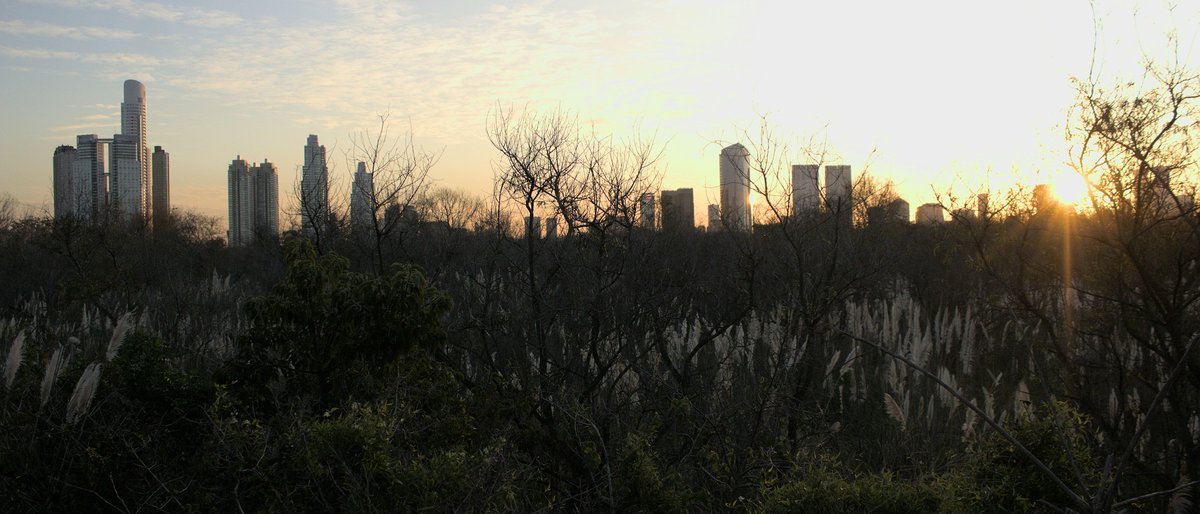
Buenos Aires for families
Buenos Aires scores 7.5 out of 10 for families, 78th of the 130 cities TTDI measures. The 3 lists picked for families in Buenos Aires carry 36 places. El Ateneo Grand Splendid, Argentine and Colón Theater lead the picks.
Buenos Aires for families with kids, in numbers
- Score for families
- 7.5 out of 1078th of 130 cities
- Picks on this page
- 36 places across 3 lists, led by El Ateneo Grand Splendid, Argentine, Colón Theater
Questions families with kids ask about Buenos Aires
-
Family-friendly
Buenos Aires scores 7.5/10 for family friendliness (see the TTDI Family-Friendliness Index). Porteño culture includes children everywhere by default. Restaurants seat kids at 10 pm without fuss. Palermo's parks are flat and stroller-friendly, and the food (milanesas, empanadas, pizza) reads like a picky-eater wish list. The Subte has almost no elevators, so budget for taxis.
Read the full answer → -
Is it safe?
Buenos Aires scores 5.5 out of 10 for solo-traveler safety (see the TTDI Solo-Safety Index). Phone snatching by motochorros and distraction theft near tourist sites are the real risks. Violent confrontation is uncommon. The city gets safer the further north you stay from Constitución. Use Cabify over street taxis at night, and keep your phone in a zipped pocket on wider avenues.
Read the full answer → -
What to pack
Pack layers for Buenos Aires: temperatures swing 10°C between morning and afternoon, and porteños dress sharper than most South American cities. Bring a light jacket, comfortable walking shoes that handle cobblestones, a Type I plug adapter for 220V outlets, and one outfit decent enough for a Palermo steakhouse. Skip the umbrella; buy one at any kiosco for 2,000 pesos.
Read the full answer → -
Getting around
SUBE card on the Subte for the centre, colectivos for everything else, and Uber or Cabify when the buses confuse you. Buy a SUBE at any kiosko for around 3,000 ARS, load it with cash, and you cover buses, trains, and the six-line metro. Taxis work fine but ride-hail apps run cheaper and skip the meter negotiation.
Read the full answer → -
Best time to visit
March through May and September through November: Buenos Aires' autumn and spring. Summer hits 35°C with humidity that turns the subte into a sauna, and half the city's best restaurants close as porteños flee to the Atlantic coast. Autumn evenings sit around 18-22°C, dry enough to walk for hours.
Read the full answer →
Curated for families with kids
-
Must-see attractions
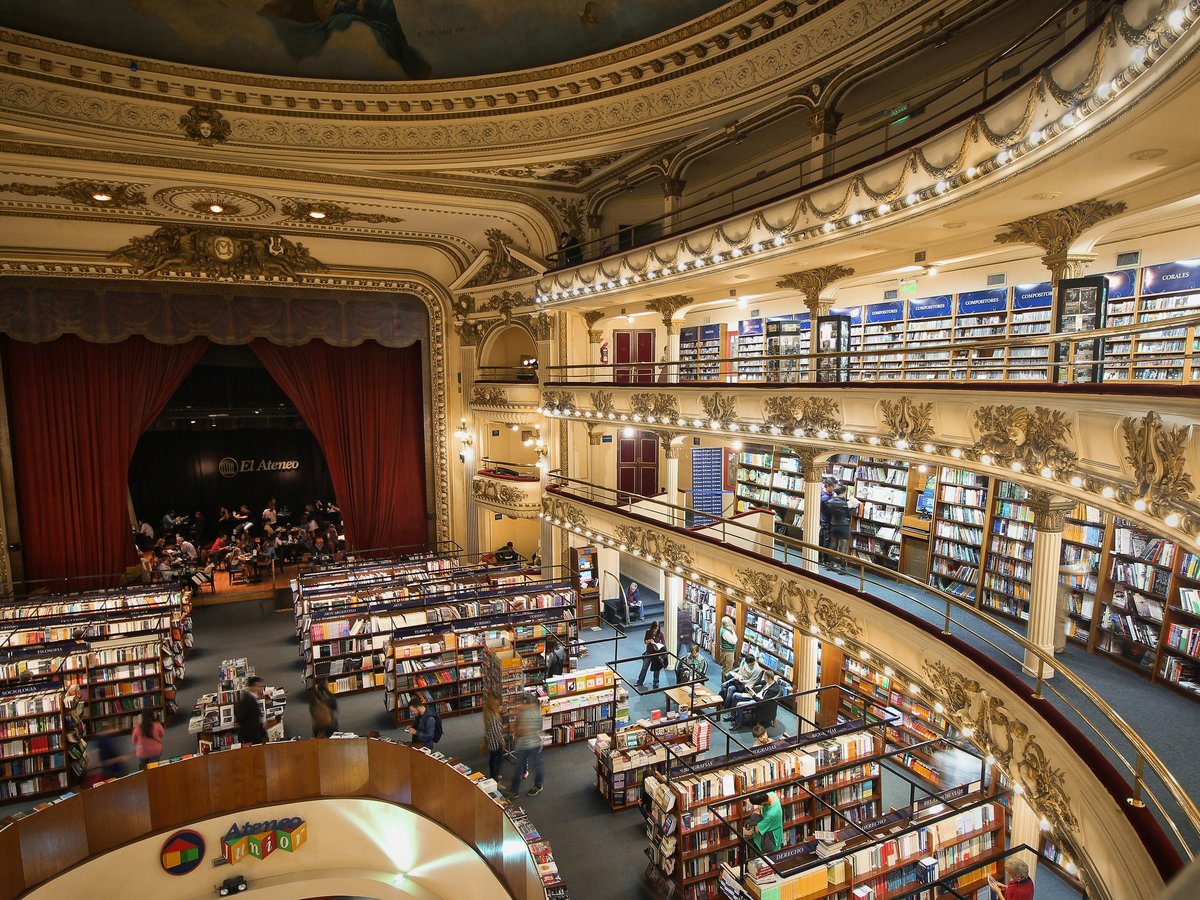
Buenos Aires does its must-see roster in three registers: the stage-and-book palaces of Recoleta and the Microcentro, the civic monuments strung along Avenida 9 de Julio and the Plaza de Mayo, and a quieter waterfront modernism out at Puerto Madero. What follows is 12 addresses that hold up on a second visit, not a first Instagram. A former theatre in Recoleta reopened as a bookshop, a national opera house, a cathedral, a palace on Arenales, and a pedestrian bridge out over the old docks give you the range of the city in a single week. They are for visitors who want their sightseeing to double as a reading of how Buenos Aires argues with itself: a European stage grammar poured over a South American capital, then argued back into something recognisably porteño. Cite the coordinates to your driver, walk the block, and give each place the hour it earns.
See the picks → -
Best free attractions
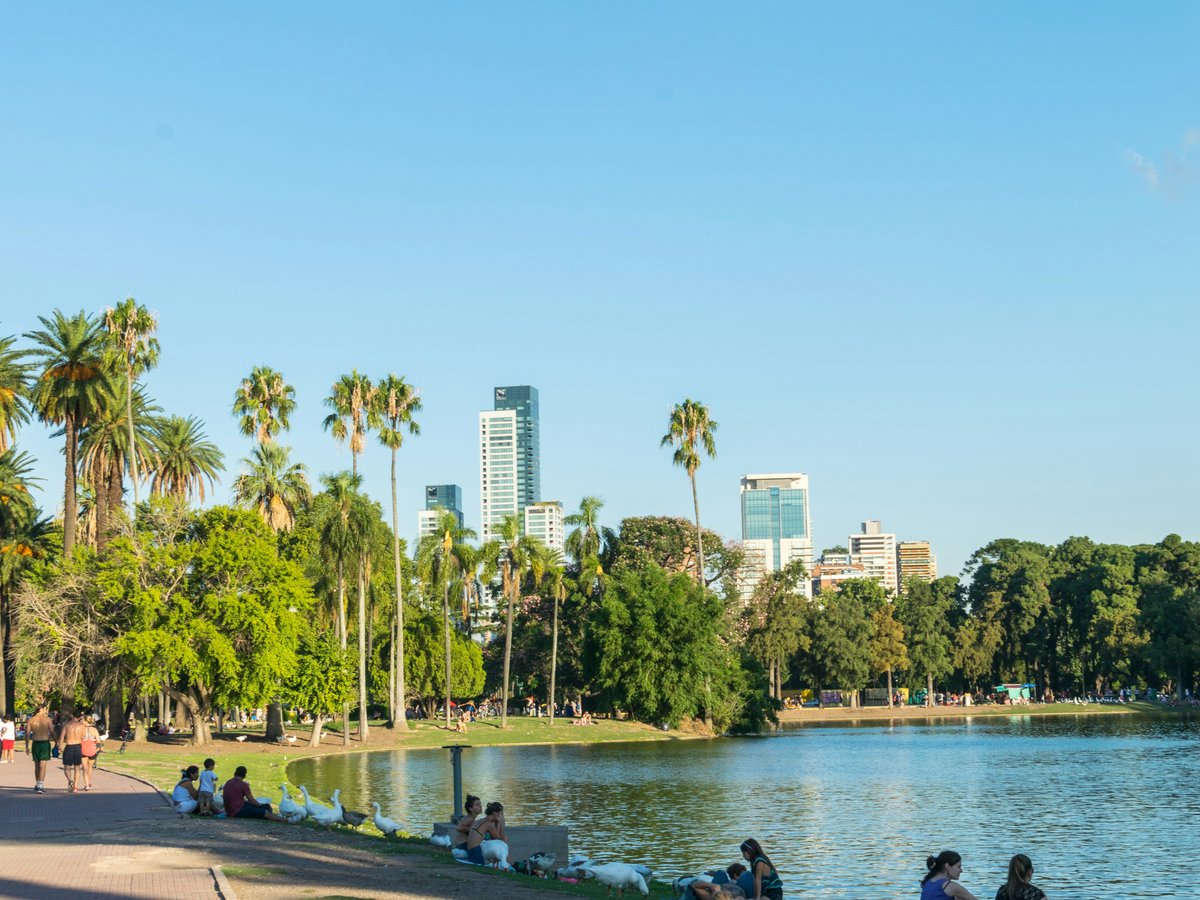
Buenos Aires is a walking city, and a walking city rewards you most when the door is already open. The free registry here is not filler between paid attractions; it is the grid the city was built around. Nineteenth-century squares that still host the arguments they were designed for, a botanical garden and a Japanese garden set inside the same great parkland, plazas whose benches double as the city's living room. This list is for the traveller who has one afternoon and no ticket, and for the resident-in-training who wants to learn Buenos Aires by its addresses rather than its brochures. The candidates below are drawn from Palermo's green belt through the Microcentro and down into San Telmo, so the twelve stops trace a legible route rather than a scattered dozen. Each entry cites the address or the coordinates it claims; nothing is invented, and nothing has been rounded up to sound better than it is.
See the picks → -
Best museums
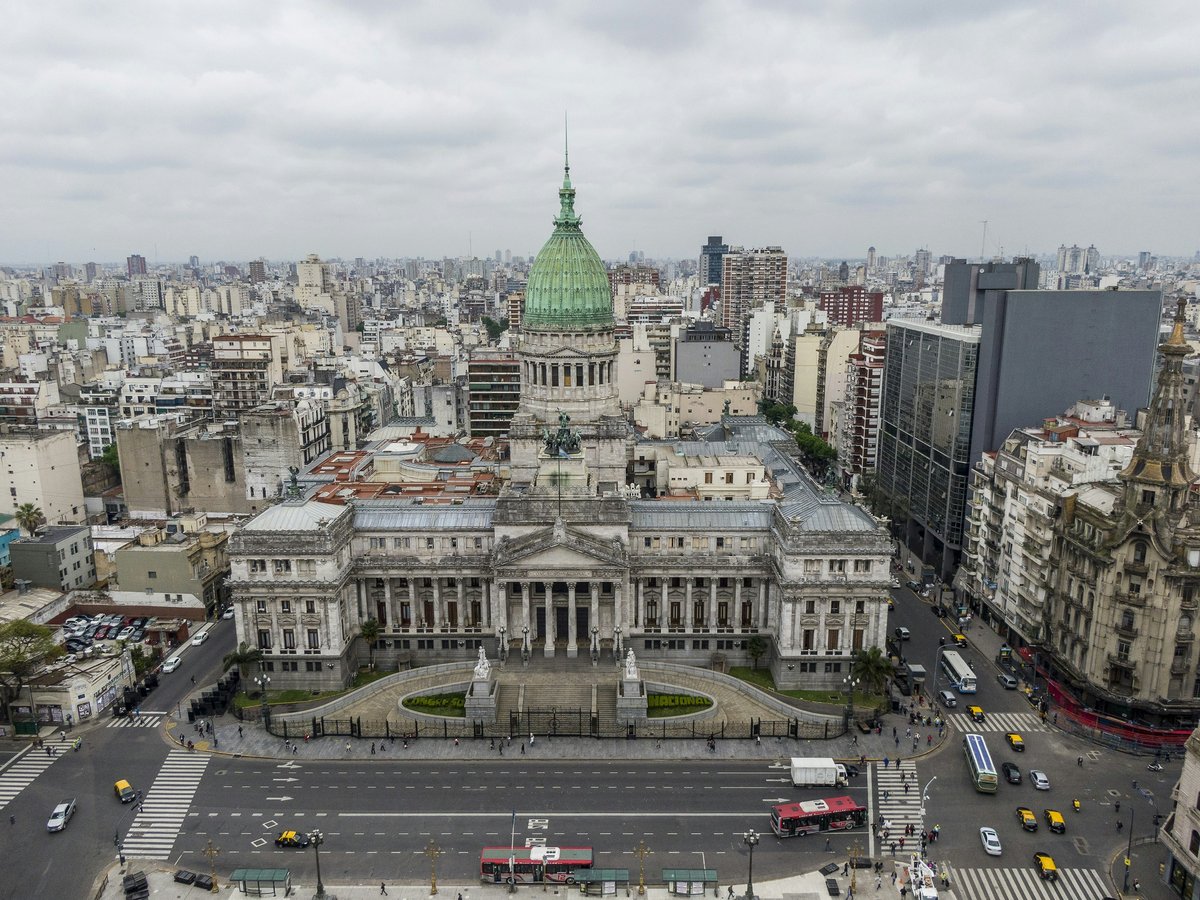
Buenos Aires holds its museums the way it holds its neighbourhoods, unevenly and stubbornly, with the national collections clustered along Avenida del Libertador and the historical ones anchored where colonial power once sat. The 12 here are a working editor's cross-section: two national art houses on the Recoleta axis, a Cabildo that still faces the Plaza de Mayo it once governed, a natural sciences hall in Caballito, a decommissioned gunboat moored at Puerto Madero, and a Latin American collection that reset the city's expectations for private-museum ambition. None of them ask for a full day; several reward two hours and a coffee afterward. Skip the pressure to see them all in a single trip. The city's museum culture is public, mostly free or cheap, and generous with time, which means the honest itinerary picks four, walks between them, and comes back for the rest.
See the picks →