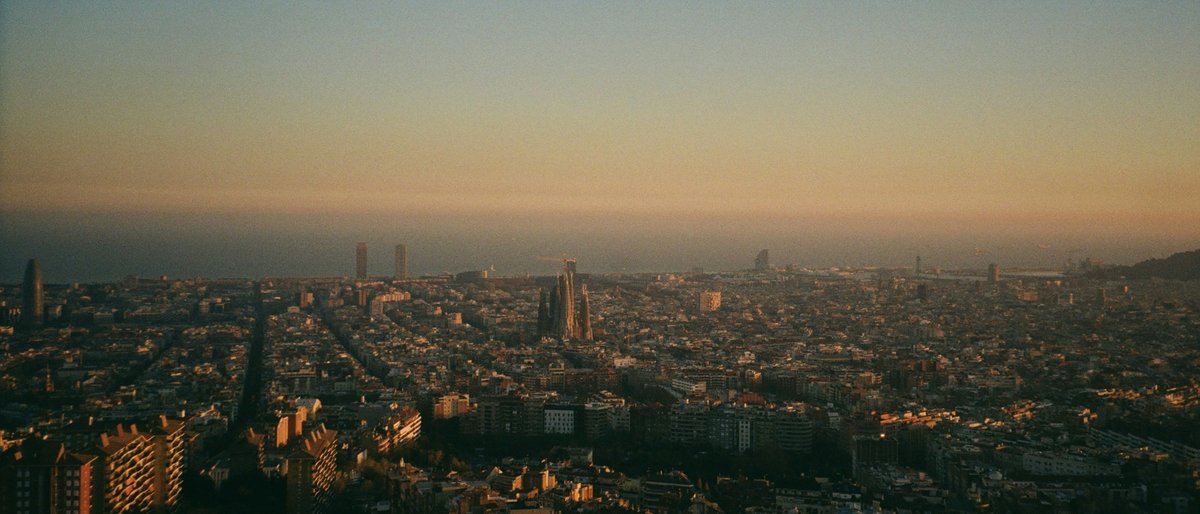
Where should I stay in Barcelona?
Eixample Dret for first-timers: you're on L2/L3/L4 metro lines, ten minutes from Sagrada Família on foot, and the grid of wide streets stays quieter than the old town after dark. Budget €90–150 for a solid three- or four-star. El Born if you want narrow streets and better restaurants. Avoid booking directly on Las Ramblas: the noise and the markup aren't worth the address.
Eixample Dret (the grid of wide streets east of Passeig de Gràcia) is where you want to be on a first visit. The metro coverage here is the best in the city: Passeig de Gràcia station alone connects L2, L3, and L4, which gets you to the beach, Montjuïc, and the Barri Gòtic without a transfer. Sagrada Família is a fifteen-minute walk north along Carrer de Marina. The blocks here tend to smell like fresh bread from basement bakeries in the morning and grilled meat from restaurant ventilation by 9pm. Noise drops off fast once you're a block or two from the main avenues: the interior courtyards of the Cerdà grid swallow sound in a way that surprises people used to narrow-street cities. Budget €90–140 ($105–165) for a clean three-star with a balcony; €160–220 ($187–258) for a four-star with a rooftop pool, which you'll want in July when the afternoon heat sits at 33°C and the humidity sticks to your skin. Book two months ahead for June through September: the city runs at roughly 95% occupancy.
El Born (the tight streets between Via Laietana and Parc de la Ciutadella) is the better pick if you care more about food and atmosphere than transit convenience. The Passeig del Born strip fills with people eating outside by 8pm, and the side streets hold some of the city's best wine bars. La Vinya del Senyor faces Santa Maria del Mar's stone facade and pours Priorat by the glass for €6–8. You can walk to Barceloneta beach in twelve minutes. The trade-off is real, though. Streets are narrow and stone-walled, which means suitcase wheels echo at 2am when the bars close, and some buildings have no lift. Ground-floor apartments pick up every conversation from the terrace below. Ask for an interior-facing room or an upper floor. Expect €100–160 ($117–187) for a well-located apartment, €140–200 ($164–234) for a boutique hotel. The Santa Caterina market is your breakfast spot: fruit stalls open at 7:30 and the juice is cold and sharp.
Gràcia sits north of Diagonal and feels like a separate town that Barcelona absorbed, which is what happened. Plaça del Sol's crowd skews local and young; the cafés along Carrer de Verdi still have handwritten menus in Catalan. It's a twenty-minute metro ride to the Barri Gòtic on L3 from Fontana, so you'll spend more time commuting, but rates drop to €70–110 ($82–129) for a solid apartment. Poble-sec, pressed between Montjuïc and Avinguda del Paral·lel, is at the moment the best-value neighbourhood in central Barcelona. Carrer de Blai is a street-long pintxos crawl: each bar charges €1.50–3 per skewer, and you can eat well for €15. The warm smell of fried croquetas drifts across the pavement on any given evening. Metro Paral·lel connects L2 and L3. Expect €65–100 ($76–117) for a clean apartment, €90–140 ($105–164) for a small hotel. The neighbourhood stays quieter than El Born at night, though the Paral·lel end picks up theatre-crowd noise around 11pm.
Do not book a hotel on Las Ramblas between Plaça de Catalunya and the Columbus monument. The rooms cost €130–180 for what you'd get at €90 two blocks east, the street noise runs past midnight year-round, and the pickpocket density along that stretch is well documented by local police reports. Mind you, crossing Las Ramblas on foot is fine; sleeping on it is the mistake. The Raval side streets west of Las Ramblas south of Carrer del Carme have improved, but at night the lighting is still patchy and solo walkers should stick to the main roads. One practical note: Barcelona's tourist tax currently runs €1.75–3.50 per person per night depending on hotel category, charged on top of the listed rate, capped at seven nights. It won't break the budget, but it adds up for families. Worth noting that April mornings (like right now) still feel cool at 11°C with light rain; pack a layer even if you're coming for the warmth.
Recommended neighborhoods
Eixample Dret
First-timer default. L2/L3/L4 metro at Passeig de Gràcia, fifteen minutes on foot to Sagrada Família, wide quiet streets once you're off the avenues. Best transit coverage in the city. €90–220 depending on tier.
El Born / La Ribera
Where to stay if food and street life matter more than metro convenience. Twelve-minute walk to the beach, Santa Maria del Mar on your doorstep, wine bars on every side street. Noisy below the third floor after midnight.
Gràcia
Feels like its own town: local bars, Catalan-language menus, Plaça del Sol at dusk. Twenty minutes by metro to the centre, but rates at €70–110 make the commute worthwhile. Best for second-time visitors or longer stays.
Poble-sec
Best value in central Barcelona right now. Carrer de Blai pintxos at €1.50–3 per skewer, L2/L3 at Paral·lel, quiet residential blocks between the bar street and Montjuïc. €65–140 range.
Skip these areas
- Las Ramblas corridor: You're paying a €40–80 premium per night for the address, getting street noise past midnight, and walking through the densest pickpocket zone in the city. Cross it on foot, don't sleep on it.
- El Raval (south of Carrer del Carme): Has been improving for years but the southern blocks between Carrer de Sant Pau and the port still have patchy street lighting and feel uncomfortable for solo walkers after dark. Fine during the day.
- Forum / Diagonal Mar: Modern high-rise district at the northeast waterfront, built for a 2004 expo. Feels corporate and disconnected from the city. Far from every major sight except the beach, and even that stretch of sand is wind-exposed.
Top-rated hotels in Barcelona
Highly rated stays you can book on Trip.com. Prices are indicative: tap through for live availability and the current rate.

Condes de Barcelona
from $281/night View deal
Sercotel Ciutat de Montcada
from $72/night View deal
Hotel SB Glow 4 Sup
from $190/night View deal
Hotel Arconte
from $208/night View deal
Hotel SB Icaria
from $164/night View deal
Catalonia Plaza Catalunya
from $245/night View deal
Grand Hyatt Barcelona
from $252/night View deal
Alexandre Fira Congress
from $116/night View deal
TTDI earns a commission on bookings made through these links, at no extra cost to you. We never accept payment for placement.
Last verified by automated review (v1.5.J.2) on . What is automated review?