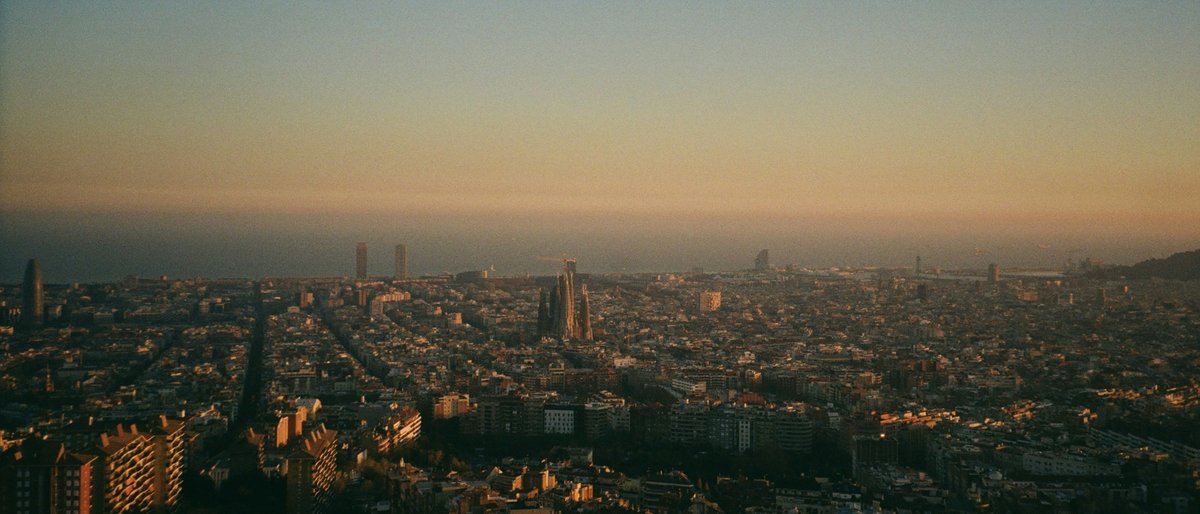
Barcelona's must-see list stretches across several centuries, from the cathedral dated to 1298 to a basilica that has been under construction since 1882 and has never stopped. Between those two endpoints are a church dated to 1320, a seafront-named basilica from 1359, a castle dated to 1641, and a mansion Antoni Gaudi designed in 1890. Some of these places carry UNESCO World Heritage status, either as a full site or as part of one, and others are protected at national or local level. This list is for the visitor who wants to understand how the city was built over time, not just collect photos. Use the hours, because they shape the day: a park that stays open to 22:30, a church that opens for barely two hours on most weekday evenings, a cathedral that keeps short Sunday afternoons. Where a venue gave us no verified hours, we say so plainly instead of guessing.
-
1 Basilica and Expiatory Church of the Holy Family
Mallorca, 401, Marina, 253, Provença, 450 i Sardenya, 314-318A UNESCO World Heritage basilica still under construction since 1882
The doors of the Basilica and Expiatory Church of the Holy Family open at 09:00 on weekdays on a building that has been under construction since 1882. That unfinished state is the point: you are visiting a working site with UNESCO World Heritage status, not a sealed relic. Skip the midday slot, when everyone else has the same idea. From April to September weekday hours run to 20:00, and Sundays do not open until 10:30. The address covers four streets: Mallorca, 401, Marina, 253, Provença, 450 and Sardenya, 314-318. Book through sagradafamilia.org. It is closed on public holidays, and on Dec 25, Dec 26, Jan 01 and Jan 06 it keeps short hours from 09:00 to 14:00.
Dates from 1882 · UNESCO World Heritage Site
-
2 Park Güell
Carrer d'OlotA public park system that is part of a UNESCO World Heritage Site
Part of a UNESCO World Heritage Site, Park Güell is a whole public park system, not a single garden, and it repays the visitor who arrives with a plan. From Apr 30 to Aug 26 the gates open at 08:00 and close at 21:30; from Mar 25 to Apr 29 the hours run 08:00 to 20:30, and through the winter months the park keeps 08:30 to 18:15. Skip the noon crush: the locals go at opening or in the last hour, when the paths feel like a park again. The mapped address is Carrer d'Olot, and the official site is parkguell.barcelona.
Part of a UNESCO World Heritage Site
-
3 Cathedral of the Holy Cross and Saint Eulalia
Pla Seu, 3, Comtes, 1, Pietat, 1, Bisbe, 10 i Santa Llúcia, 2The Gothic cathedral and seat of the Archbishop of Barcelona, dated to 1298
The Cathedral of the Holy Cross and Saint Eulalia dates to 1298 and is the Gothic cathedral and seat of the Archbishop of Barcelona. Its listed address wraps the whole block, from Pla Seu, 3 to Bisbe, 10 and Santa Llúcia, 2. Weekday hours are 09:30 to 18:30, Saturdays close at 17:15, and Sundays and public holidays open only from 14:00 to 17:00. We'd skip that Sunday window and go on a weekday morning, when the building has room to breathe. It is protected as a Bien de interés cultural, and catedralbcn.org is the official site.
Dates from 1298 · Bien de interés cultural
Hours: Mo-Fr 09:30-18:30; Sa 09:30-17:15; Su,PH 14:00-17:00
-
4 Basilica of Our Lady of the Sea
Pl. Santa. Maria, 1 / Sombrerers, 2 / Santa Maria, 1A church dated to 1359, open every day until 20:30
The Basilica of Our Lady of the Sea sits at Santa Maria, 1, its doors open every day from 10:00 to 20:30. The church dates from 1359 and is protected as a Bien de interés cultural. Locals prefer a church like this over the ticket-queue monuments: come for a quiet sit, not a box-ticking lap. The building also goes by Sombrerers, 2, which helps if you are coming from the other side. The 20:30 closing makes it a workable evening stop, and the official site is santamariadelmarbarcelona.org.
Dates from 1359 · Bien de interés cultural
Hours: Mo-Su 10:00-20:30
-
5 Gran Teatre del Liceu
La Rambla, 51-63, Unió, 2-8, Sant Pau, 1-7Barcelona's opera house, protected as a Cultural Asset of National Interest
The Gran Teatre del Liceu is Barcelona's opera house, at La Rambla, 51-63. The building runs back to Unió, 2-8 and Sant Pau, 1-7, and it is protected as a Cultural Asset of National Interest. Skip the souvenir scrum on the street outside and spend the money on a seat instead. A performance is the right way to see an opera house, because that is what it is for, and a photograph of the facade tells you very little. The programme is on liceubarcelona.cat. We have no verified visiting hours to give you, so plan around a show, not a walk-in.
Cultural Asset of National Interest
-
6 Parc de la Ciutadella
Parc de la CiutadellaAn urban park dating from 1872, open daily until 22:30
Ask any driver for Parc de la Ciutadella by name, because the park is its own address. This urban park dates from 1872 and is protected as a Bien de interés cultural. The hours run from 10:00 to 22:30 every day, public holidays included. On a hot afternoon, skip the packed beach strip; the locals come here with a book and a long lunch on the grass. The 22:30 close makes it one of the few sights on this list you can still walk into after dinner. The city council's page on barcelona.cat is the official reference.
Dates from 1872 · Bien de interés cultural
Hours: Mo-Su,PH 10:00-22:30
-
7 Columbus Monument
Pl. Portal de la PauA monument dating from 1888, with tickets sold through its official page
Dated to 1888, the Columbus Monument stands at Portal de la Pau. It is listed simply as a monument in Barcelona and protected as a Cultural Asset of Local Interest. Its official page is a ticket listing on thisisbarcelona.com, so check there before you go. It is not worth a special trip on its own, so work it into a longer walk, give it ten unhurried minutes, and read the 1888 date as a marker of the age the city was celebrating when it went up. We have no verified hours for it, so confirm on the official page first.
Dates from 1888 · Cultural Asset of Local Interest
-
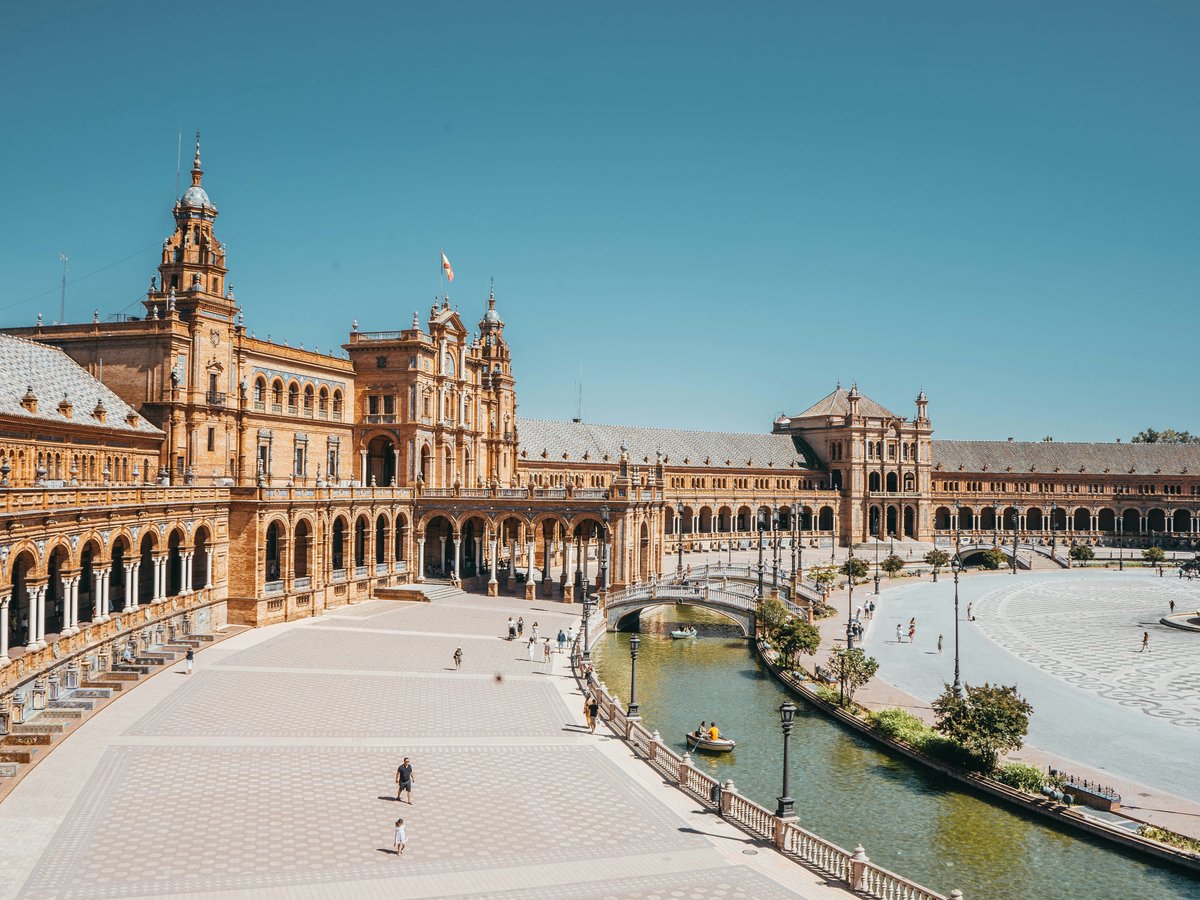
8 Palau Güell
Nou de la Rambla, 3-5A mansion designed by Antoni Gaudi, dating from 1890 and part of a UNESCO World Heritage Site
The mansion Antoni Gaudi designed at Nou de la Rambla, 3-5 is Palau Güell, dating from 1890, and it sits within a UNESCO World Heritage Site. We'd put it ahead of the queue-bound blockbusters as a first look at Gaudi: this is a house, and you see his ideas working at the scale of a family home. Hours run from 10:00 to 20:00 between April and October, and from 10:00 to 17:30 between November and March. In winter, arrive by mid-afternoon so the 17:30 close does not cut your visit short.
Dates from 1890 · Part of a UNESCO World Heritage Site
-
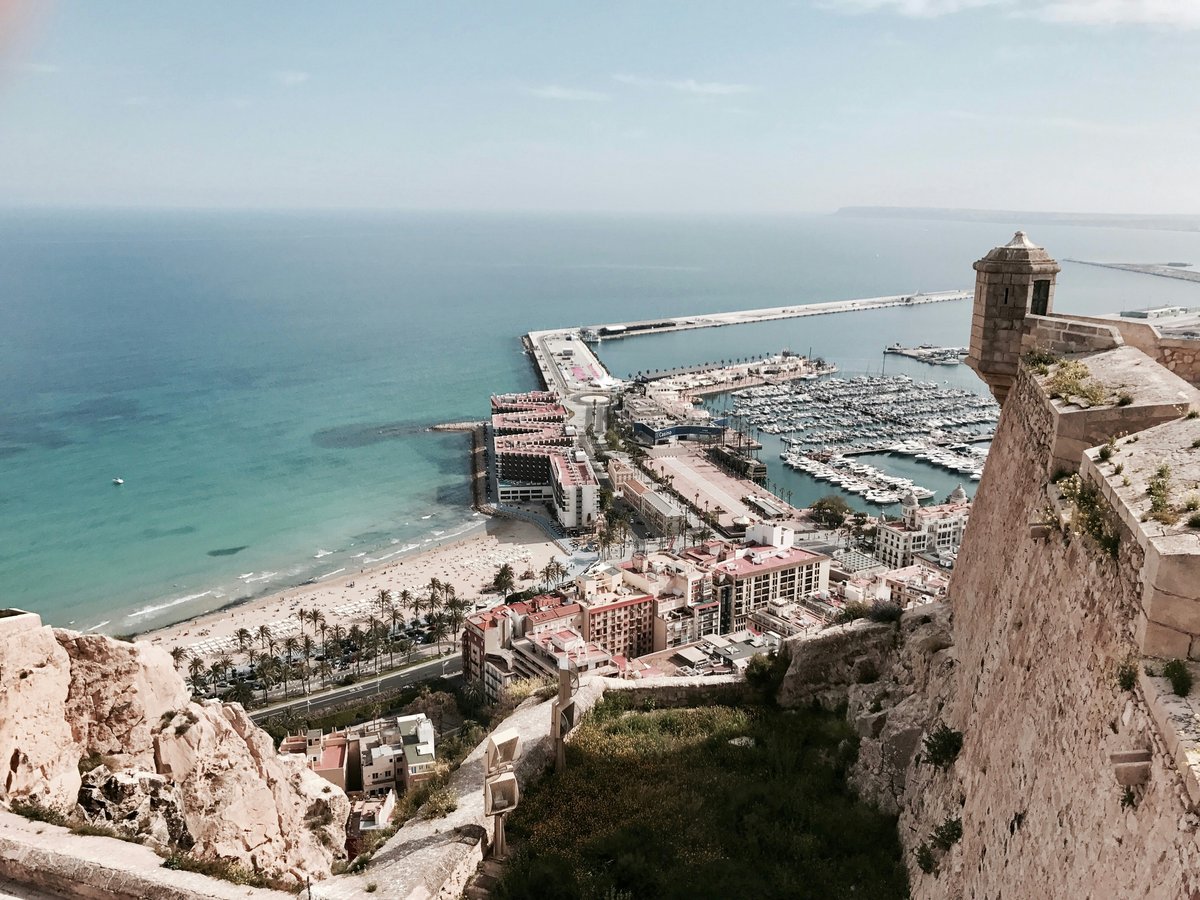
9 Torre de Collserola
Camí de Vallvidrera al TibidaboA telecommunications tower listed as part of the cultural heritage of Catalonia
The Torre de Collserola, a telecommunications tower on the Camí de Vallvidrera al Tibidabo, is listed as a Cultural Asset that forms part of the cultural heritage of Catalonia. That is an unusual distinction for working infrastructure, and it is the reason it earns a place here. Skip it if you came for old stone; come if you want to see the twentieth-century city making its own claim on the skyline. We have no verified opening hours for the tower, so check torredecollserola.com before making the trip.
Cultural Asset part of the cultural heritage of Catalonia
-
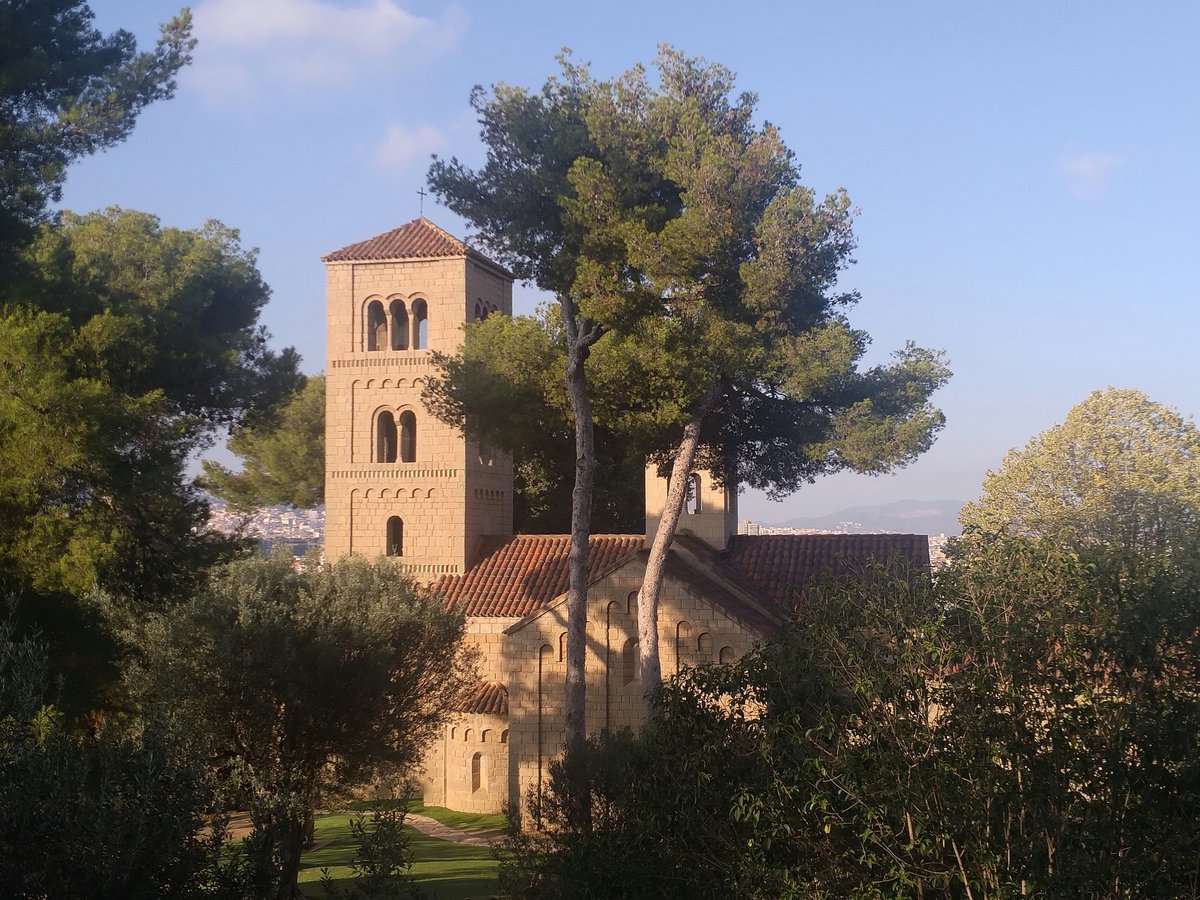
10 Basilica of Our Lady of the Pine Tree
Pl. Pi, 7 / Pl. Sant Josep Oriol, 11 / Plta. Pi, 4A basilica dating from 1320, protected as a Bien de interés cultural
The hours at the Basilica of Our Lady of the Pine Tree are the first thing to sort out. Monday to Thursday, it opens only from 18:00 to 20:00; Friday and Saturday add a morning slot from 09:30 to 11:00, and Sundays and public holidays run from 11:00 to 13:00. The church dates from 1320 and is protected as a Bien de interés cultural, listed under three addresses: Pi, 7, Sant Josep Oriol, 11, and Plta. Pi, 4. Build the visit around those hours; don't hope to wander in. The official site is basilicadelpi.cat.
Dates from 1320 · Bien de interés cultural
-
11 Montjuïc Castle
Carretera de Montjuïc, 66A castle dating from 1641, open until 20:00 from March to October
Montjuïc Castle at Carretera de Montjuïc, 66 dates from 1641 and is protected as a Bien de interés cultural. Between Mar 01 and Oct 31 it is open 10:00 to 20:00; from Nov 01 to Feb 28 it closes at 18:00, and it is shut on Dec 25, Jan 01, and other public holidays. In summer, plan for the late afternoon before the 20:00 close and skip the worst of the midday heat. The official site is bcn.cat/castelldemontjuic.
Dates from 1641 · Bien de interés cultural
-
12 Arc de Triomf
Passeig de Lluís Companys, BarcelonaA triumphal arch dating from 1910 on Passeig de Lluís Companys
The Arc de Triomf on Passeig de Lluís Companys dates from 1910 and is protected as a Cultural Asset of Local Interest, though it asks nothing of you but a walk. We wouldn't make it a destination on its own; treat it as a gateway on a longer stroll, ideally on foot along the passeig rather than glimpsed from a taxi window, and give it the few minutes it deserves. No verified opening hours exist for it, because none are recorded. The one fact worth carrying away: it dates from 1910.
Dates from 1910 · Cultural Asset of Local Interest
Last verified by automated review (v1.7.2_nonsight1017-1015-167-20261017085448) on . What is automated review?