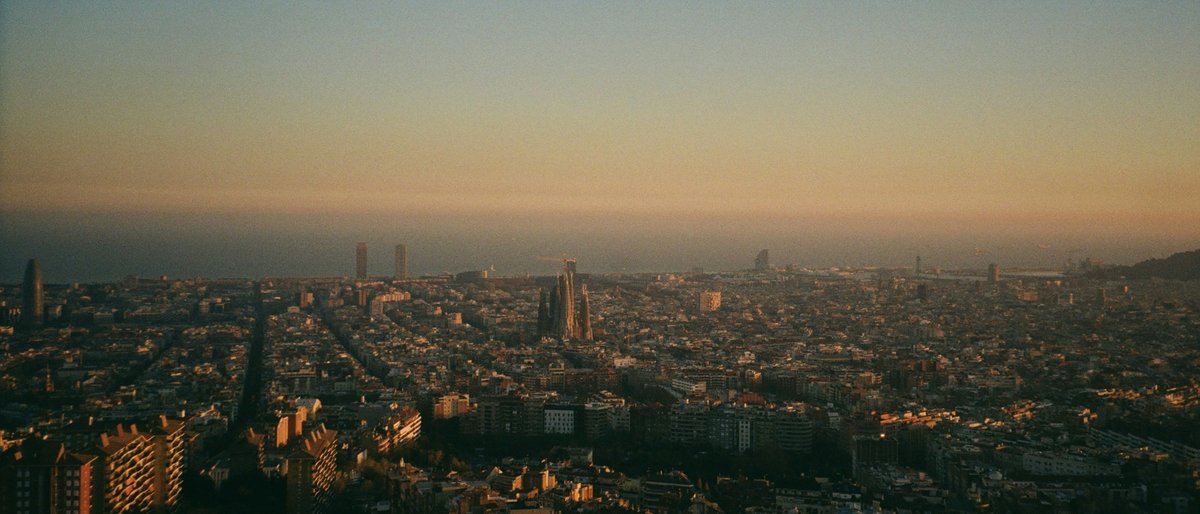
Where do locals actually go in Barcelona?
Barcelona locals spend Sunday mornings at the book market around Mercat de Sant Antoni and take their weekend vermouth on Plaça de la Virreina in Gràcia before a 14:00 lunch. On weeknights they claim the terraces on Carrer del Parlament. Remote workers will find Biblioteca Gabriel García Márquez in Sant Martí a better desk than any Eixample cafe. Families fill Rambla del Poblenou after 18:00.
Sant Antoni is where Barcelona's under-40s moved once tour groups filled the Born, and Carrer del Parlament runs down its middle. Bar Calders, at number 25, pours vermut de grifo from the tap onto a terrace on the pedestrianised block, and after 20:00 on a Thursday most of the conversation at its tables is in Catalan. The Mercat de Sant Antoni reopened in 2018 after roughly nine years of renovation, and its Sunday Dominical, a ring of secondhand book, comic and coin stalls around the outside of the hall, pulls in collectors from about 8am. By 11am the air smells of old paper, and men in their seventies are haggling over 1970s Tintin albums. If you are staying a month, the catch in Sant Antoni is noise: the terraces on Parlament tend to run until about 23:00 on weeknights and later on Fridays, so ask any Airbnb host which way the bedroom window faces and get a photo of it.
Gràcia runs on its squares, and each draws a different crowd. On weekend mornings Plaça de la Virreina belongs to families and older Gracienses, and around 12:30 the bells of Sant Joan de Gràcia ring out over the clink of vermouth glasses. Plaça del Sol becomes a student drinking square after 22:00, loud enough that residents have hung protest banners from their balconies for years, so turn down any rental that looks onto it. Bar Canigó on Plaça de la Revolució has served the barri for about a century from formica tables, and at 19:00 on a weeknight the room is mostly regulars ordering cañas. For daytime work, Biblioteca Vila de Gràcia on Carrer del Torrent de l'Olla has free wifi and quiet desks. A Carnet de Biblioteques, which seems to be issued free to anyone with a passport and a local address, opens every branch in the city to you.
Poblenou is the best base for most month-long remote workers, and it is where Barcelonans go to get away from the centre. Rambla del Poblenou is far calmer than La Rambla. El Tío Ché at number 44 has sold horchata since 1912, cold, slightly gritty and sweet, and on a warm evening the queue is all neighbours. Barcelona rates 8.5/10 for digital-nomad suitability (sourced from TTDI's editorial rubric), and the city's libraries do much of the work behind that score. Biblioteca Gabriel García Márquez in Sant Martí de Provençals won IFLA's Public Library of the Year award in 2023, and it is the strongest free workspace in Barcelona; expect its desks to fill by 10:00 on weekdays during the January and May-June exam seasons.
On weekend mornings much of the city heads uphill. The Carretera de les Aigües, a flat dirt track along the side of Collserola, fills with runners and cyclists from 8am; take the FGC to Peu del Funicular and ride the Funicular de Vallvidrera up to the Carretera de les Aigües stop. The Bunkers del Carmel on Turó de la Rovira were a locals' sunset spot until the mid-2010s, but tour groups crowd them by 19:00 these days, so go at 9am on a weekday. Cafe laptop rules are the other trap in Barcelona: several cafes in Sant Antoni and Gràcia ban laptops on Saturdays and Sundays, and a cortado at around €2 will not hold your table at 14:00 once the menú del día crowd arrives. Mid-October is still warm and damp, with the evening of 16 October measured at 22.7°C and 76% humidity under cloud.
Where they actually go
Bar Calders
Sant Antoni: Vermouth from the tap, olives in brine and a pavement terrace on car-free Carrer del Parlament. Catalan-speaking thirty-somethings stay until the terrace closes, with scooters rattling past on Calders.
Dominical de Sant Antoni
Sant Antoni: Sunday-morning stalls around the iron market hall selling secondhand books, comics, stamps and old coins. Collectors haggle, kids trade football stickers, and the whole thing packs up by mid-afternoon.
Plaça de la Virreina
Gràcia: A church-fronted square in Gràcia where grandparents, toddlers on scooters and couples share weekend vermouth on the terraces. It is quieter and older than Plaça del Sol, and the church bells set the pace.
Bar Canigó
Gràcia: A family-run corner bar on Plaça de la Revolució with formica tables, cheap cañas and a pool table at the back. Regulars outnumber visitors on weeknights before dinner.
El Tío Ché
Poblenou: A horchatería on Rambla del Poblenou serving tiger-nut milk and granizado in metal-topped glasses. Neighbours queue on warm evenings and sit under the plane trees afterwards.
Biblioteca Gabriel García Márquez
Sant Martí de Provençals: A free public library built from stacked timber floors, with long desks, power at every seat, and near-silence. Students and remote workers fill it on weekday mornings.
Platja del Bogatell
Poblenou: The beach where Barcelonans swim before work. By 9am on September weekdays, you'll find volleyball nets, fewer hawkers than Barceloneta, and the smell of sunscreen and salt.
La Cova Fumada
Barceloneta: A bodega with no sign, marble tables, and an open grill that claims to have invented the bomba, a fried potato ball with spicy sauce. It serves lunch and shuts on Sundays. Dockworkers and office staff share tables.
Carretera de les Aigües
Collserola: A level gravel track along the hillside with the whole city laid out below. Saturday-morning runners, cyclists, and dog walkers crunch along it while pine resin scents the air.
Best times to visit
Weekend mornings before 11:00 for the markets and Collserola. Vermouth runs 12:00-14:00, lunch 14:00-16:00, and terraces from 21:00, best Tuesday to Thursday once the weekend visitors have left.
Last verified by automated review (v1.7.2) on . What is automated review?