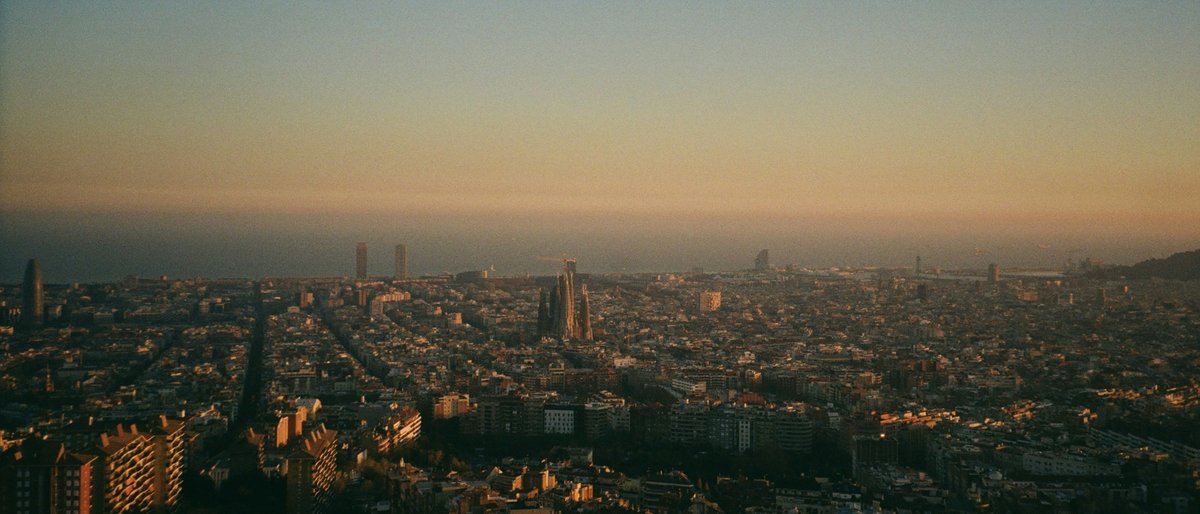
What's the food culture in Barcelona?
Barcelona runs on a late clock: lunch lands between 2 and 3:30pm, dinner rarely before 9:30. The foundation is Catalan, not generically Spanish: pa amb tomàquet on everything, bombes in Barceloneta, fideuà instead of paella along the coast. Sunday vermouth hour in Sant Antoni is the meal most visitors never find. Eat where the menu is only in Catalan and you're on the right track.
Barcelona doesn't eat early. Breakfast is a cortado and a croissant at a bar counter around 9, standing up, done in four minutes. Lunch is the main event, but it doesn't start until 2pm at the earliest: most restaurants won't seat you before 1:30, and the best menú del día spots fill between 2 and 3. Dinner is 9:30 at the absolute earliest, and 10:30 is normal. If you walk into a restaurant at 7pm, you'll eat alone with the other tourists, served by staff who haven't hit their rhythm yet. The kitchen peaks at 10. Adjust or eat badly.
Skip La Rambla entirely for food. The restaurants flanking it charge 18€ for paella that tastes like saffron-tinted rice with frozen seafood reheated under a heat lamp, and that's not an exaggeration, several of them literally do this. Carrer de Blai in Poble Sec is where you eat pintxos, 1.50–2.50€ each, picked off the bar at places like La Tasqueta de Blai. Each pintxo sits on a toothpick; you keep them and the bartender counts at the end. Cal Pep in El Born serves whatever the kitchen bought at the market that morning: you sit at the counter, he tells you what's good, you eat it. No menu decision required. La Cova Fumada in Barceloneta is where the bomba was invented: a fried potato ball stuffed with meat, hit with alioli and a spicy sauce. The place has no sign outside. Cash only. Closes at 3:30pm.
La Boqueria on La Rambla is the market everyone photographs and nobody eats at correctly. The first three rows of stalls sell 5€ fruit cups to cruise-ship passengers. Walk past them. Bar Pinotxo, the tiny counter on the right just inside the main entrance, has been serving cigrons amb botifarra (chickpeas with blood sausage, heavy and dark and satisfying) since the 1940s. Get there before 10am or don't bother; by noon the crowd is four-deep and the good stuff is gone. Mercat de Sant Antoni, reopened after a long renovation, is where actual residents shop. Saturday and Sunday mornings the surrounding streets fill with a book and coin market that's been running since the 1880s. The food hall inside has solid charcuterie counters and a wine bar where you can sit with a glass of Priorat for 4€ while the neighbourhood moves around you.
Sunday vermouth (l'hora del vermut) is the meal most food guides skip, and it might be the best eating hour in Barcelona. Between noon and 2pm on Sundays, the bars around Sant Antoni and along Carrer del Parlament pour sweet red vermouth over ice with a strip of orange peel and a green olive. You drink it with conserves: tinned mussels, cockles in brine, anchovies from L'Escala laid across pa amb tomàquet. Bar Calders and Bar Electricitat both do this well. The whole ritual costs 8–12€ and lasts about an hour. The air smells like vermouth and toasted bread. It feels like the city exhaling.
Pa amb tomàquet is the test. Every restaurant serves bread rubbed with ripe tomato, drizzled with olive oil, hit with salt. If theirs is good: the bread crisp and warm, the tomato juice soaking in without making it soggy, the oil tasting green and peppery: the kitchen probably knows what it's doing. If the bread arrives cold and the tomato was applied by someone who doesn't care, leave. Fideuà over paella, always: short pasta cooked in concentrated fish stock in the same wide pan, but the noodles absorb flavor that rice just sits under. Order it in Barceloneta at La Mar Salada or Can Solé. Escalivada (roasted red peppers and eggplant, peeled, dressed in oil) shows up as a side everywhere and ranges from transcendent to cafeteria-grade. The version at El Xampanyet in El Born, served alongside tinned anchovies and cava poured from the barrel, is worth eating three days running.
Signature dishes
-
Pa amb tomàquet
Bread rubbed with halved ripe tomato, drizzled with olive oil, finished with coarse salt. The base of every Catalan table: served under cured meats, alongside grilled fish, or eaten alone. The quality of this single preparation tells you more about a kitchen than anything else on the menu.
-
Bomba
A fist-sized fried potato ball stuffed with ground pork, served split open with alioli on one side and spicy tomato sauce on the other. Invented at La Cova Fumada in Barceloneta: crispy shell, molten center, no grease. Eaten standing at the bar.
-
Fideuà
Short vermicelli pasta cooked in concentrated fish stock in a wide shallow pan, the same vessel used for paella. The noodles absorb the broth where rice just sits in it. Served with a spoonful of alioli stirred in at the table. Best along the Barceloneta waterfront.
-
Escalivada
Red peppers and eggplant roasted whole until the skins blister and char, then peeled and torn into strips, dressed with olive oil. Served warm or at room temperature, often piled on toast with salt-packed anchovies. The smoky sweetness depends on how long the vegetables sat over the flame.
-
Croquetes de pernil
Béchamel and cured ham, rolled into cylinders, breaded, deep-fried until the shell shatters into a creamy, salty interior. Served two or three to a plate as a tapa. The difference between a great croqueta and a frozen one is the ratio of ham to flour: cheap versions taste like paste.
-
Esqueixada
Shredded salt cod tossed with raw tomato, thin-sliced onion, black olives, and green pepper, dressed in olive oil and vinegar. A cold salad eaten in summer when the heat makes cooking feel like punishment. The cod should be firm and flaky, never soft.
-
Crema catalana
Custard set in a shallow clay dish, flavored with lemon zest and cinnamon, topped with sugar torched to a crackly crust at the table. Thinner and more citrus-forward than French crème brûlée. The snap of the spoon through the caramel is half the experience.
-
Calçots amb romesco
Fat green onions charred black over vine cuttings, peeled at the table with bare hands, dipped in romesco: ground almonds, roasted tomato, dried nyora peppers, raw garlic. Seasonal from January through March. You wear a paper bib and your fingers smell like smoke for hours after.
Meal times
Breakfast 8–10am, a cortado and pastry standing at a bar counter. Lunch 2–3:30pm; the main meal, often a three-course menú del día for 12–16€. Dinner 9:30–11pm at the earliest. Sunday vermouth hour noon–2pm fills the gap and might be the best meal of the week.
Tipping
Not expected. Locals might round up or leave a euro on a 40€ bill. At upscale spots, 5–10% is generous. Leave cash on the table: card tips often don't reach staff.
Dietary notes
Vegetarian options have improved in Gràcia and El Born, but traditional Catalan cooking leans on pork, cod, and anchovies. Ask for 'sense gluten' if celiac: awareness is growing but cross-contamination in small tapas bars is common. Halal restaurants cluster around El Raval. State allergies directly with 'tinc al·lèrgia a...': polite avoidance tends to get misunderstood.
Go deeper into Barcelona
Cooking classes in Barcelona
 Free cancellation
 Barcelona Paella Cooking Class with Market Visit, Tapas & Sangria
Cooking class: 3 hours, free cancellation.
via Viator Free cancellation
 Barcelona Interactive Spanish Cooking Experience
Cooking class: 3 hours, free cancellation.
via Viator Free cancellation
 Paella Experience and Bottomless Wine in Barcelona
Cooking class: 2.5 hours, free cancellation.
via Viator Free cancellation
 Paella Cooking Class with Professional Chef: Four Course Dinner
Cooking class: 2.5 hours, free cancellation.
via Viator Free cancellation
 Barcelona Cocktail Masterclass with Tapas
Cooking class: 2 hours, free cancellation.
via Viator Free cancellation
 Interactive Paella & Market: Bottomless Wine & Rambla Views
Cooking class: 4 hours, free cancellation.
via Viator Free cancellation
 Premium Paella Cooking Class, Sangría, 10 Tapas & market Boquería
Cooking class: 4 hours, free cancellation.
via Viator Free cancellation
 Boqueria Market Tour, Paella Cooking Class, Sangria & Tapas
Cooking class: 3 hours, free cancellation.
via Viator Free cancellation
 Elevated small group: Paella cooking, Tapas, Cava Sangría & Tour.
Cooking class: 4 hours, free cancellation.
via Viator Free cancellation
 Barcelona Culinary Experience: Paella & Tapas Cooking Class
Cooking class: 4 hours, free cancellation.
via Viator Free cancellation
 Paella Class & Bottomless Wine: Las Ramblas Views
Cooking class: 3 hours, free cancellation.
via Viator Free cancellation
 Private Paella Cooking Class and Market Visit with Personal Chef
Cooking class: 3 hours, free cancellation.
via ViatorLast verified by automated review (v1.5.J.2) on . What is automated review?