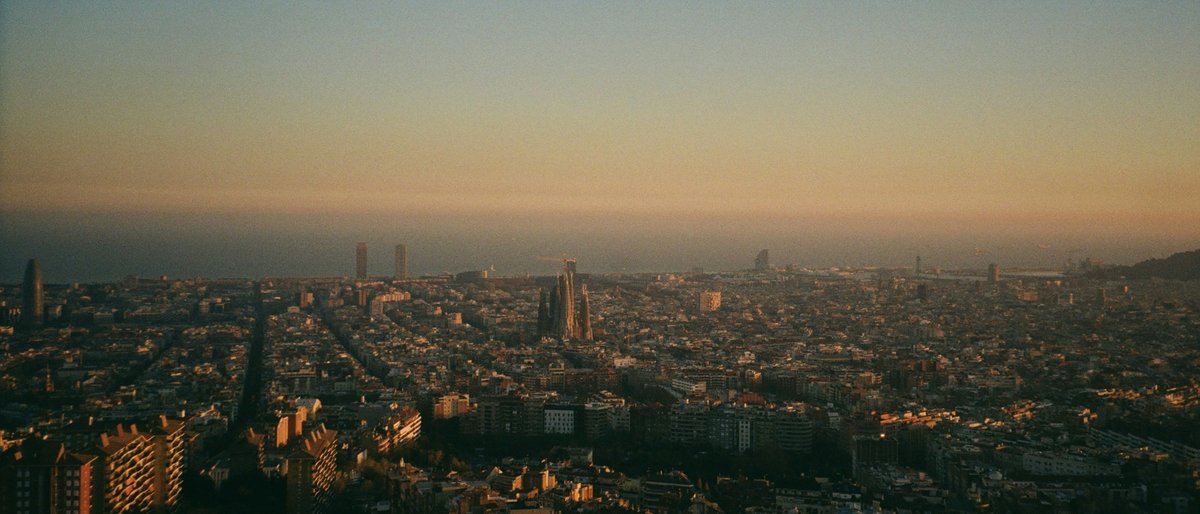
Barcelona doesn't really wake up at night: it just shifts gears. The city runs late by almost any standard, and that's not some tourist myth. Dinner rarely starts before 9 PM. Drinks after that. Clubs? You'll feel odd walking in before 2 AM. The whole rhythm of the place is built around this stretched-out evening that rolls from terrace wine into cocktails into bass-heavy rooms somewhere around dawn. Mind you, this isn't a city that's trying to be Berlin or London. Barcelona has its own thing going on: a Mediterranean looseness, the smell of jasmine mixing with cigarette smoke on a side street at 1 AM, someone playing guitar on a corner in the Gòtic while groups spill out of tiny bars. The drinking culture here tends to be social rather than sloppy, at least among locals. Vermut before dinner is practically a religion. Gin and tonics come in goblet-sized glasses with botanical garnishes: that trend took hold here years ago and hasn't let go. Cava flows freely because it's local and cheap. The result is a city where going out feels unhurried, where the night develops in stages rather than hitting you all at once. Worth noting: weeknights are surprisingly alive, Thursday, which is a second Friday for much of the city's younger crowd.
The Bar Scene: From Vermut to Last Call
Barcelona's bar culture is layered in a way that rewards wandering. The vermut scene is still going strong: you'll find old-school spots in Gràcia and Poble Sec where the afternoon ritual involves a glass of house vermouth, a dish of olives, and a plate of chips with a slightly spicy sauce. These places have tile floors, wood paneling, and the kind of light that flatters everyone. It's a good entry point to the evening. Cocktail bars have multiplied across the city over the past decade, and the scene is accomplished at this point. El Born and Eixample have the densest concentration. Expect careful technique, seasonal ingredients, and bartenders who take the craft seriously without being precious about it. Prices tend to sit in the 10-14 euro range for a well-made drink, which is high by local standards but reasonable if you're coming from London or New York. Dive bars are alive and well, in the Raval. Narrow rooms, cheap beer, slightly sticky counters, walls covered in stickers and graffiti. The crowd is a genuine mix: students, artists, older neighborhood regulars, the occasional confused tourist. These places tend to close late and don't care much what you're wearing. Rooftop bars exist, mostly attached to hotels in Eixample and near the waterfront. They offer the view you'd expect (the city grid, Sagrada Família lit up, the sea) but they also come with hotel-bar pricing and a certain curated slickness. Nice for a single drink at sunset, less interesting if you want to talk to anyone local. Wine bars have been quietly multiplying, natural wine spots. Poble Sec and Sant Antoni seem to be where many of these have settled. Small rooms, handwritten menus, wines from small Catalan and Spanish producers. The atmosphere is mellow, the conversations tend to be earnest, and you might learn something about Priorat or Penedès without meaning to.
The Club Scene: Late Starts and Long Nights
Here's the thing about clubbing in Barcelona: the timeline is shifted so far forward that it catches most visitors off guard. The big rooms don't fill up until 2 or 3 AM. Some don't even open their doors until midnight. If you show up at 11 PM, you'll be standing in a nearly empty room with the staff still setting up. That's just how it works here. The genre map is broad. Techno and house dominate the larger clubs, the warehouse-style spaces around Poble Nou and the venues near Paral·lel. Razzmatazz has been a fixture for years: multiple rooms, each running a different sound on any given night, from indie rock to deep techno. Sala Apolo is another institution, a converted theater with a balcony and a sound system that you feel in your chest. Their Monday night sessions became legendary and still pull a dedicated crowd. Moog, tucked into the Raval, is a small, dark, sweaty box that has been holding down the techno end since the mid-nineties. It's not fancy. It doesn't need to be. Dress codes are generally relaxed compared to, say, Madrid or Milan. Clean trainers, a decent shirt, you're fine in most places. The megaclubs along the Barceloneta waterfront tend to be pickier (collared shirts, no sportswear, that sort of thing) but those venues cater heavily to tourists and visiting stag parties. Locals largely avoid them. Entry norms vary. Some clubs charge at the door, often including a drink. Guest lists are common and usually available through the club's social media or promoter contacts. Others are free before a certain hour. The waterfront clubs tend to have the steepest covers. A general rule: if the club is listed in every tourist guide, the cover will be higher and the crowd will be less local. Things wind down around 5 or 6 AM, though a few spots push toward sunrise. The walk home through quiet streets at dawn, with the bakeries just opening and the sky turning pink over the sea: that's a particular kind of Barcelona moment.
Live Music: Jazz Cellars, Indie Rooms, and Flamenco That's Not for Tourists
Barcelona has a live music scene that tends to fly under the radar compared to Madrid's, which is a shame because there's real depth here. Jazz has a foothold in the Gothic Quarter: Jamboree, down on Plaça Reial, has been hosting sets in its stone-vaulted basement for decades. The sound in that room is warm and close, and the lineup mixes local players with international acts passing through. Harlem Jazz Club, on a narrow side street nearby, is even smaller and more intimate. The indie and rock scene lives mostly around Poble Sec, Sant Antoni, and parts of Gràcia. Mid-sized venues host local bands alongside touring acts from across Spain and Europe. Weeknight shows are common and tend to start around 9 or 10 PM, which is early by Barcelona standards. The local scene leans toward garage rock, post-punk, and electronic-influenced pop, with a fair amount of overlap with the DJ scene. Flamenco in Barcelona is a complicated subject. To be fair, this is Catalonia, not Andalusia, and locals will remind you of that distinction. That said, the city does have genuine flamenco performers: you just need to look past the dinner-and-show packages aimed at tourists on La Rambla. Smaller tablao venues exist in the Raval and Ciutat Vella where the performances are raw and focused, where you can hear the heel strikes on the wooden floor and feel the tension in the room. These tend to be harder to find and often don't advertise heavily. Rumba Catalana is the local contribution: a looser, sun-bleached style rooted in the Romani community of Gràcia. You might catch it at street parties, local festivals, or smaller bars in the neighborhood. It sounds like summer feels. For bigger acts, the city has arena-scale venues and a packed summer festival calendar. Primavera Sound and Sónar have put Barcelona on the global music map, and their influence bleeds into the club and bar programming year-round.
Nightlife neighborhoods
-
El Born
Narrow medieval streets lined with cocktail bars and wine spots, lit by warm light spilling from doorways. The crowd skews late-twenties to thirties, well-dressed but not stiff. Weeknights are busy; weekends can feel almost too packed in the tighter streets.
- Best for
- Cocktails, natural wine, a stylish but relaxed night out
- Standouts
- The area around Passeig del Born and Carrer dels Flassaders has the highest concentration of quality bars.
-
Raval
The rough-edged, anything-goes quarter. Graffiti on the shutters, the smell of incense from a South Asian grocery mixing with beer and frying oil. Dive bars, underground music spots, and a general sense that nobody is checking what you're wearing or what time you showed up. It can feel edgy late at night: parts of it are.
- Best for
- Dive bars, late-night wandering, techno, cheap drinks, people who don't want polish
- Standouts
- Moog (techno institution), plus dozens of unnamed tiny bars along Carrer de Joaquín Costa and Carrer de Robador.
-
Poble Sec
A neighborhood that's been on a slow upward curve for years. The streets running off Carrer de Blai (which is lined with pintxos bars) branch into live music venues, natural wine bars, and cocktail spots. The crowd is a mix of young professionals, artists, and locals who've lived there for decades. It feels local in a way that parts of the old city don't anymore.
- Best for
- Live music, pintxos crawls, natural wine, a night that starts with food and evolves from there
- Standouts
- Sala Apolo anchors the area for live music and club nights.
-
Gràcia
The village-within-a-city feeling is real. Small plazas (Plaça del Sol, Plaça de la Vila de Gràcia) fill up with people drinking bottles of wine on benches or crowding into the bars that ring the squares. It's young, bohemian, and a little self-consciously artsy. The noise from the plazas carries, which some residents are not thrilled about.
- Best for
- Casual open-air drinking, vermouth bars, a laid-back evening without clubs
- Standouts
- The plazas themselves are the main draw, ringed by small bars with outdoor seating.
-
Barceloneta & Port Olímpic
Two distinct things happening here. Barceloneta itself (the old fishing neighborhood) has some genuine chiringuitos (beach bars) and seafood restaurants that transition into a late-evening scene with sand underfoot and salt air. Port Olímpic, just up the waterfront, is the tourist-club strip: big venues, loud music, promoters on the street, international crowds. Locals tend to avoid the latter.
- Best for
- Beachside drinks (Barceloneta), tourist-oriented clubbing (Port Olímpic)
- Standouts
- The chiringuitos along Barceloneta beach for sunset drinks; the Port Olímpic strip for big-room club experiences.
-
Eixample
The grid layout of this neighborhood means the nightlife is more spread out, less concentrated. You'll find upscale cocktail bars, hotel rooftop terraces, and a notable concentration of LGBTQ+ venues around the area sometimes called Gaixample. The streets are wider, the noise carries differently, and the experience is more curated.
- Best for
- Cocktail bars, LGBTQ+ nightlife, rooftop drinks, a more polished evening
- Standouts
- The Gaixample area (roughly between Carrer de Balmes, Gran Via, Passeig de Gràcia, and Carrer d'Aragó) for LGBTQ+ bars and clubs.
-
Poble Nou
The former industrial quarter has been steadily converting warehouses and factory spaces into creative studios, restaurants, and nightlife venues. The scale is different here: bigger rooms, higher ceilings, more space to breathe. It still feels a bit frontier-like compared to the old city, with stretches of quiet streets between pockets of activity.
- Best for
- Warehouse clubs, techno, late-night dancing in converted industrial spaces
- Standouts
- Razzmatazz is the anchor venue, a multi-room complex in a former factory.
Safety after dark
Barcelona is generally a safe city for going out, but it has the same issues as any major European destination, and a few that are more specific. Pickpocketing is the main concern, and it's worst on La Rambla, in crowded metro cars, and around tourist-heavy nightlife areas. Keep your phone in a front pocket or an inside jacket pocket, in crowded bars. Bag-snatching on terraces does happen: don't hang a bag on the back of your chair.
Drink spiking has been reported, as it has across most major European cities. Watch your drink, don't accept drinks from strangers you don't trust, and look out for your friends. If someone in your group starts feeling disproportionately unwell, get them to a pharmacy or hospital: the city has good emergency services.
Scams tend to cluster around La Rambla and the waterfront club strip. Promoters offering free entry or cheap drinks may be steering you toward venues that pad the bill or use confusing pricing. Street sellers with cans of beer are generally harmless, but the beer is warm.
Getting home after a late night is manageable. The metro runs until midnight on weekdays and until 2 AM on Fridays, and all night on Saturdays. The Nitbus network covers major routes through the night. Taxis are plentiful and use meters: make sure they turn it on. Ride-hailing apps operate in Barcelona, though the relationship between the city and those services has been complicated, and availability can be uneven late at night. Walking is often the best option if you're staying central: the old city is compact enough that most nightlife areas are within a 20-minute walk of each other.
The Raval deserves a mention specifically: parts of it, around Carrer de Robador, can feel uncomfortable late at night. It's not necessarily dangerous, but it's wise to stay aware of your surroundings and avoid wandering alone down poorly lit streets if you're unfamiliar with the area.
Practical tips
- Cover charges
- Many bars don't charge entry at all. Clubs vary widely: some are free before 1 AM, others charge anywhere from 10 to 20 euros at the door, often with a drink included. Guest lists through promoters or social media can reduce or eliminate the cover at many venues. The waterfront clubs tend to charge the most.
- Tipping
- Spain is not a heavy tipping culture. At bars, rounding up or leaving small change is appreciated but not expected. Nobody will look at you strangely if you don't tip on a round of drinks. At sit-down cocktail bars, leaving a euro or two per round is generous by local standards.
- Drinking customs
- Ordering a caña (small draft beer) is the default casual drink. Vermut before dinner is a local ritual worth adopting. Gin and tonics here are served in large copa glasses: they're a proper drink, not a quick mixer. Cava is local, affordable, and well acceptable to order at any hour. Sangria is largely a tourist drink; locals rarely order it.
- Timing your night
- Dinner at 9 or 10 PM. First drinks around 11 PM or midnight. Clubs from 2 AM onward. If you try to eat dinner at 7 PM, you'll be dining alone in an empty restaurant. Adjusting to the local schedule is half the experience: resist the urge to start early and burn out before the city wakes up.
- Language
- Catalan is the co-official language and you'll see it on signs and menus. Spanish works everywhere. English is widely spoken in bars and clubs, in the center, though making an effort with basic Spanish or Catalan phrases goes over well. Bar staff in the Raval and Born are likely to speak English.
- Summer vs. winter
- Summer nights are long, warm, and busy: outdoor terraces and beach bars peak from June through September, and the city's population swells with visitors. Winter is quieter but still active; the indoor bar and club scene doesn't really slow down, and you'll find a much higher proportion of locals. Spring and autumn might be the sweet spot: warm enough for terraces, cool enough that the streets aren't overwhelmed.
FAQ
What time do clubs close in Barcelona?
Most clubs wind down around 5 or 6 AM, with some pushing a bit later on weekends. The after-hours scene exists but is smaller and more underground than in cities like Berlin. Don't expect to find much going on past 7 AM unless you know where to look.
Is Barcelona nightlife expensive compared to other European cities?
It sits in the middle. Cheaper than London, Paris, or Zurich by a significant margin. Roughly comparable to Berlin for drinks, though clubs can charge more at the door. A beer in a normal bar runs around 3 to 5 euros, cocktails 10 to 14 euros. The waterfront tourist venues inflate prices considerably: avoid them if budget matters.
Do I need to dress up for clubs in Barcelona?
For most venues, no. Clean casual clothing works: trainers are fine at the majority of clubs. The main exceptions are the large waterfront clubs at Port Olímpic and some upscale spots in Eixample, where door staff might turn away people in flip-flops or athletic wear. When in doubt, dark jeans and a decent pair of shoes will get you in almost anywhere.
Is Barcelona's nightlife safe for solo travelers?
Generally yes, with the usual precautions. Stick to well-lit areas, watch your belongings, and be cautious accepting drinks from strangers. The central neighborhoods (Born, Gòtic, Eixample, Gràcia) feel safe even late at night. The Raval requires a bit more awareness after dark. Having a working phone with maps and a ride-hailing app is helpful for getting home.
What night of the week is best for going out in Barcelona?
Thursday through Saturday is the main window, with Thursday being popular among university students and the local under-30 crowd. Friday and Saturday are the busiest. Weeknights aren't dead, though: many bars are open and lively on Tuesday and Wednesday, and some clubs run midweek sessions that draw dedicated followings.
Where do locals go out in Barcelona?
Gràcia, Poble Sec, and parts of the Raval tend to have the highest concentration of locals on any given night. El Born is mixed but still draws a local crowd, midweek. The general rule: the further you get from La Rambla and the waterfront clubs, the more local the scene becomes. Locals also tend to start later: if you're surrounded by people eating dinner at 8 PM, you're likely in a tourist spot.
Last verified by automated review (v1.7.1) on . What is automated review?