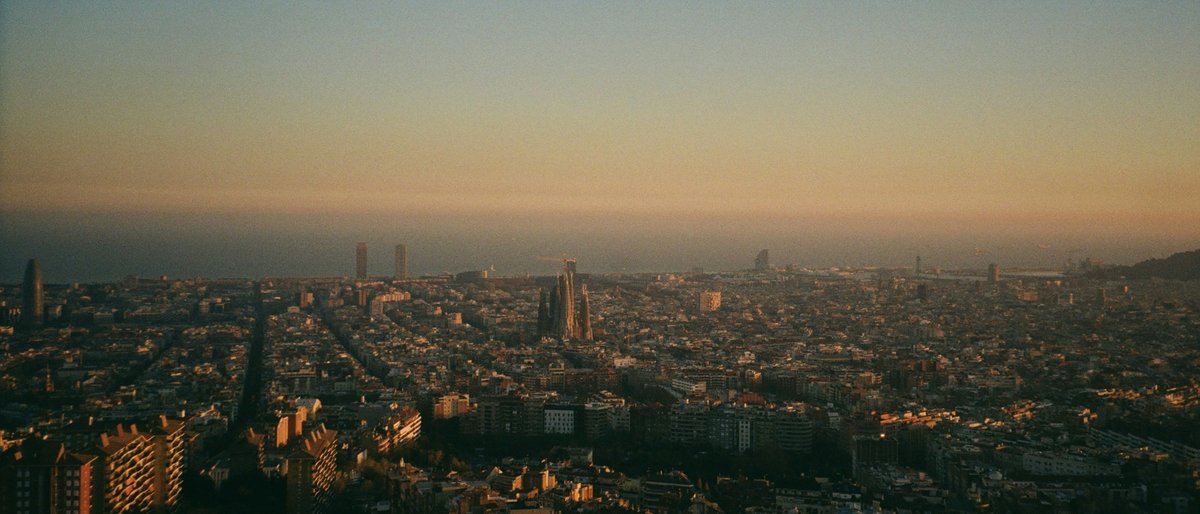
Barcelona's museum list does not stay indoors. Two of these twelve entries are a public park system and a family residence, both counted as part of UNESCO World Heritage Sites; one is a castle dating from 1641, and another is a museum dedicated to the culture of cannabis. The serious art collections sit between them: a modern-art museum about Joan Miró dating from 1975, a contemporary art museum from 1995, the Museu Picasso from 1963, and the national art museum of Catalonia from 1934. The city's own story has rooms too: a history museum, a maritime museum, and a football club's museum inside Camp Nou. This list is for visitors who want more than one kind of afternoon. Pair a painter with a fortress, or a Gaudí house with a harbour collection, and you will learn more about the place than a week of queueing at the obvious photo stops would teach you. Opening hours vary a lot by season, so read each entry's times before you set out.
-
1 Park Güell
Carrer d'OlotA public park system counted as part of a UNESCO World Heritage Site, walked rather than viewed from behind glass
From 08:30 between late October and late March, the gates of Park Güell on Carrer d'Olot open onto a public park system that is counted as part of a UNESCO World Heritage Site, and it earns its museum slot because the exhibit is the ground under your feet. Skip the midday slot, when the paths feel shoulder to shoulder and nobody is looking at anything. Come early or come late. From 30 April to 26 August the day runs 08:00 to 21:30, and from 25 March to 29 April it runs 08:00 to 20:30; in the cooler months the gates close at 18:15. Check https://parkguell.barcelona/ca before you climb up, and plan the walk around the hour you want to be there.
Part of a UNESCO World Heritage Site
-
2 Casa Vicens
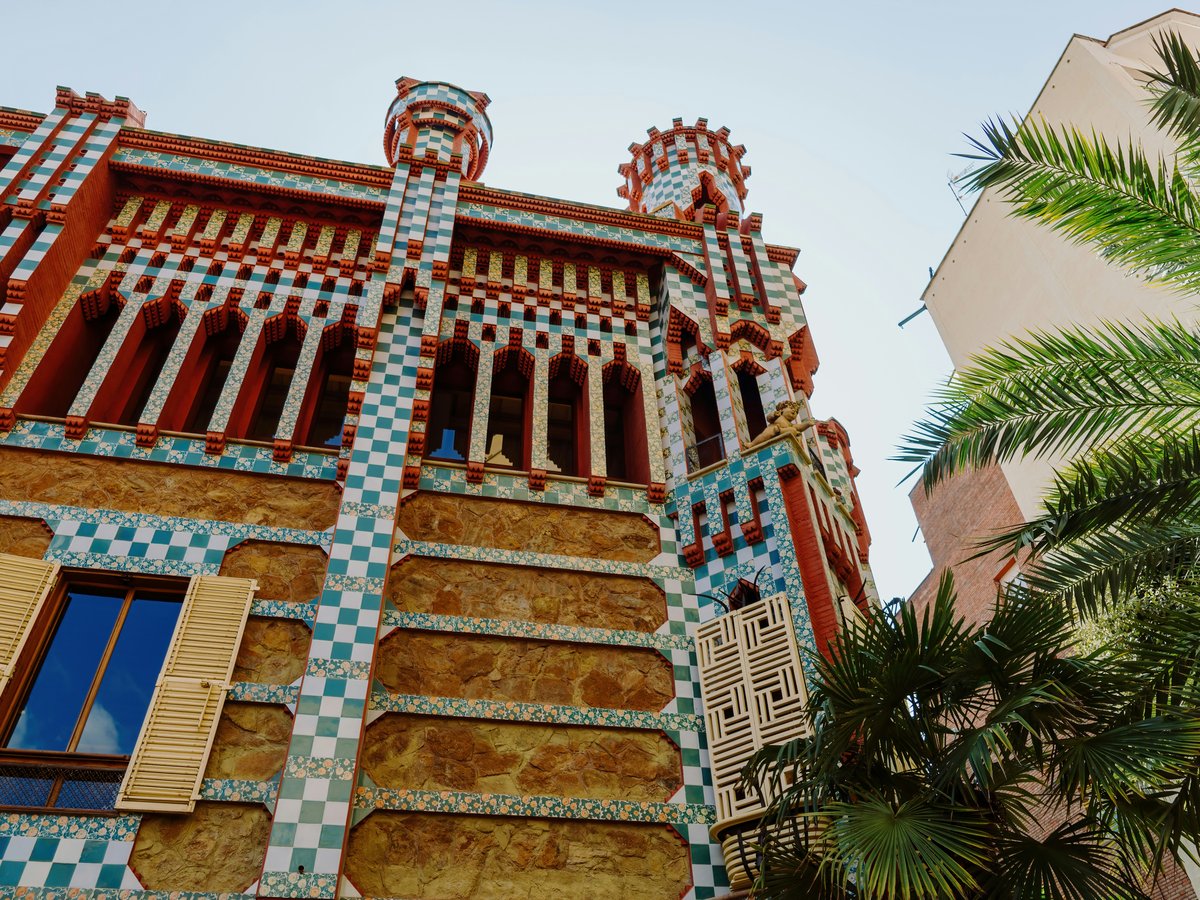
Carrer de les Carolines, 18-24A family residence designed by Antoni Gaudí, part of a UNESCO World Heritage Site
Casa Vicens, Antoni Gaudí's family residence at Carrer de les Carolines, 18-24, is part of a UNESCO World Heritage Site, and that alone earns it a morning of your time. Leave the queue-heavy Gaudí blockbusters for another day; a house built for a family shows you the architect at domestic scale, and that scale suits a slow visit. The doors open every day, public holidays included, from 10:00 to 20:00, closing for 25 December, 1 January and 6 January. Book through https://casavicens.org/es/, arrive near 10:00, and move through the rooms before the afternoon crowds arrive.
Part of a UNESCO World Heritage Site
-
3 Fundació Joan Miró
Parc de Montjuïc, Barcelona, 08038A modern-art museum about Joan Miró, dating from 1975
The Fundació Joan Miró has stood at Parc de Montjuïc, in the 08038 postal area, since 1975. It is a museum of modern art devoted to one painter, Joan Miró, and that narrow focus is its strength. Skip the souvenir-poster version of Miró you have seen on a hundred tote bags; a single-artist museum lets you follow the work room by room and watch the bright, simple shapes take hold. We couldn't confirm opening hours from our sources, so call +34 934 439 470 or check https://www.fmirobcn.org/ before you head up the hill. Give it two unhurried hours, then walk out into the park and let the colours settle.
Dates from 1975
-
4 MACBA Barcelona Museum of Contemporary Art
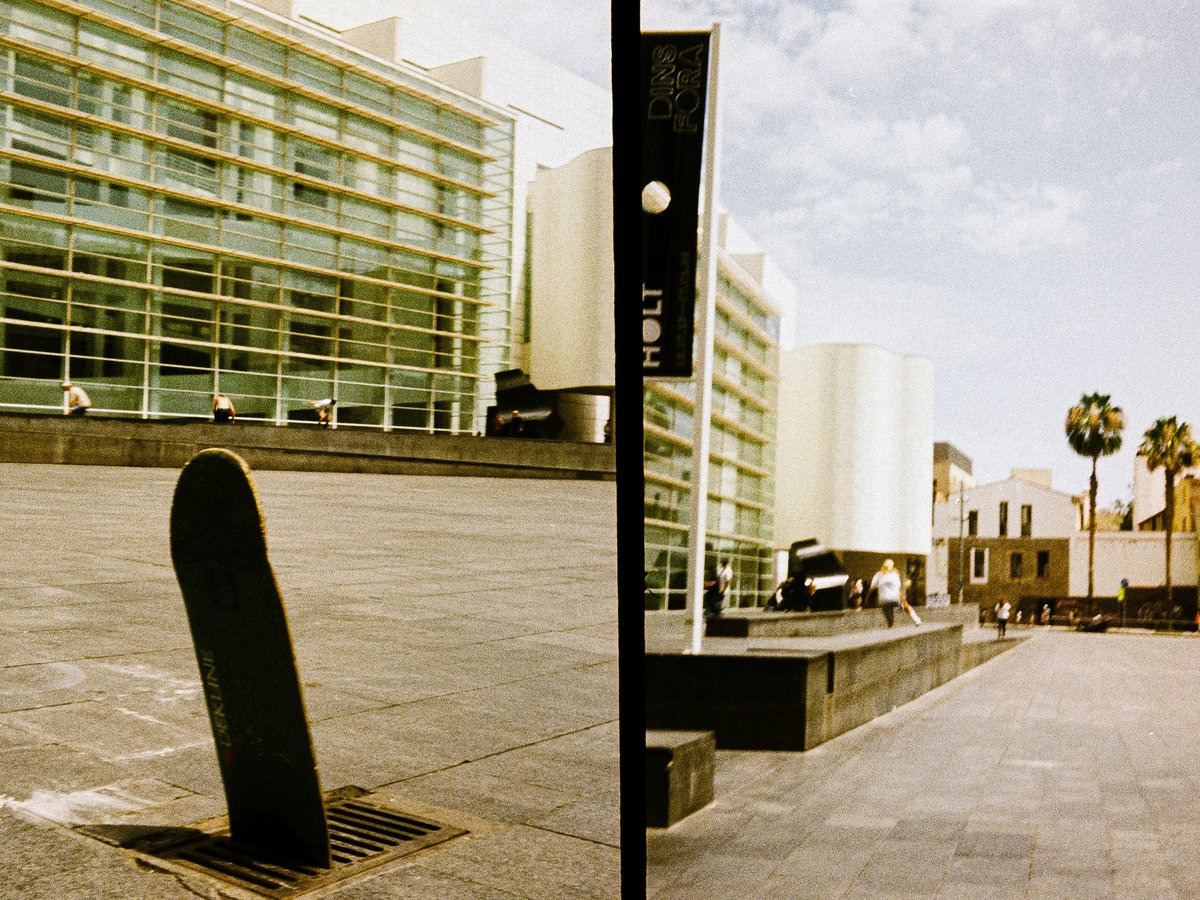
Plaça dels Àngels 1A contemporary art museum dating from 1995, listed as a Cultural Asset of Catalonia's heritage
MACBA Barcelona Museum of Contemporary Art sits at Plaça dels Àngels 1 and opens at 11:00 on Mondays and Wednesday through Friday, running through to 19:30 on those days. Saturdays go from 10:00 to 20:00, but on Sundays and public holidays the doors close at 15:00, so don't leave it for a lazy Sunday afternoon. The museum dates from 1995 yet already holds a Cultural Asset designation within the cultural heritage of Catalonia, which is considerable standing for a building younger than many of its visitors. Contemporary art rewards a visitor who comes ready to argue with it, so pick a weekday and check https://www.macba.cat/ca for what is showing.
Dates from 1995 · Cultural Asset part of the cultural heritage of Catalonia
Hours: Mo,We-Fr 11:00-19:30; Sa 10:00-20:00; Su,PH 10:00-15:00
-
5 FC Barcelona Museum
12 Carrer d'Arístides Maillol, Barcelona, 08028A sports museum inside Camp Nou, the club's story told in its own stadium
The FC Barcelona Museum has sat inside Camp Nou since 1984, at 12 Carrer d'Arístides Maillol in the 08028 postal area. No other football museum can say the same: the club's story is told inside the club's own stadium, in the city whose name it carries. Walk past the replica-shirt stalls trading on the crest. Come for the history, told where the matches are played. Doors open 09:00 to 19:00, and it closes on 25 December and 1 January. Tickets are sold through the club's Camp Nou Experience page at https://www.fcbarcelona.com/en/tickets/camp-nou-experience. We've seen visitors who don't follow football leave with a clearer sense of this city after an hour inside.
Dates from 1984
-
6 Museu Nacional d'Art de Catalunya
Catalonia's national art museum, dating from 1934 and designated a Bien de interés cultural
The Museu Nacional d'Art de Catalunya dates from 1934 and carries a Bien de interés cultural designation. This is the national collection, and it warrants a full morning, not a box ticked while passing through. Don't arrive late on a Sunday: Sunday hours run 10:00 to 15:00. Tuesday through Saturday the doors open at 10:00 and close at 18:00, or at 20:00 from May to September. Public holidays are off. Check https://www.museunacional.cat/ca before you go, then pick two or three galleries and see them properly. Trying to cover everything is the surest way to remember nothing.
Dates from 1934 · Bien de interés cultural
-
7 Museu Picasso
Montcada, 15-23An art museum devoted to Picasso, dating from 1963
At Montcada, 15-23, the Museu Picasso has been an art museum since 1963. Few cities can put a museum under a single painter's name and back it up, and this address has done so for decades. The late slot is the one we'd take: from Thursday to Saturday the doors stay open from 09:00 to 21:00, while Tuesday, Wednesday and Sunday close at 20:00. Come in the final two hours and the rooms give you space to stand and look properly. It closes on 1 January, 1 May, 24 June and 25 December, so check the date before you build a day around it.
Dates from 1963
-
8 Museo de Historia de Barcelona
4 Carrer del Veguer, Barcelona, Barcelona 08002Barcelona's own history museum, dating from 1943
The Museo de Historia de Barcelona, a history museum at 4 Carrer del Veguer in the 08002 postal area, dates from 1943 and belongs early in a trip rather than at the end, because it makes everything else on this list easier to read. Skip the guided-walk patter that compresses centuries into a few jokes; an hour here gives you the city's past at your own pace. Hours run Monday to Saturday 10:00 to 19:00, and Sunday 10:00 to 20:00. Current exhibitions are listed at https://www.barcelona.cat/museuhistoria. Go on your first morning and the rest of the week will make more sense.
Dates from 1943
Hours: Mo-Sa 10:00-19:00; Su 10:00-20:00
-
9 Montjuïc Castle
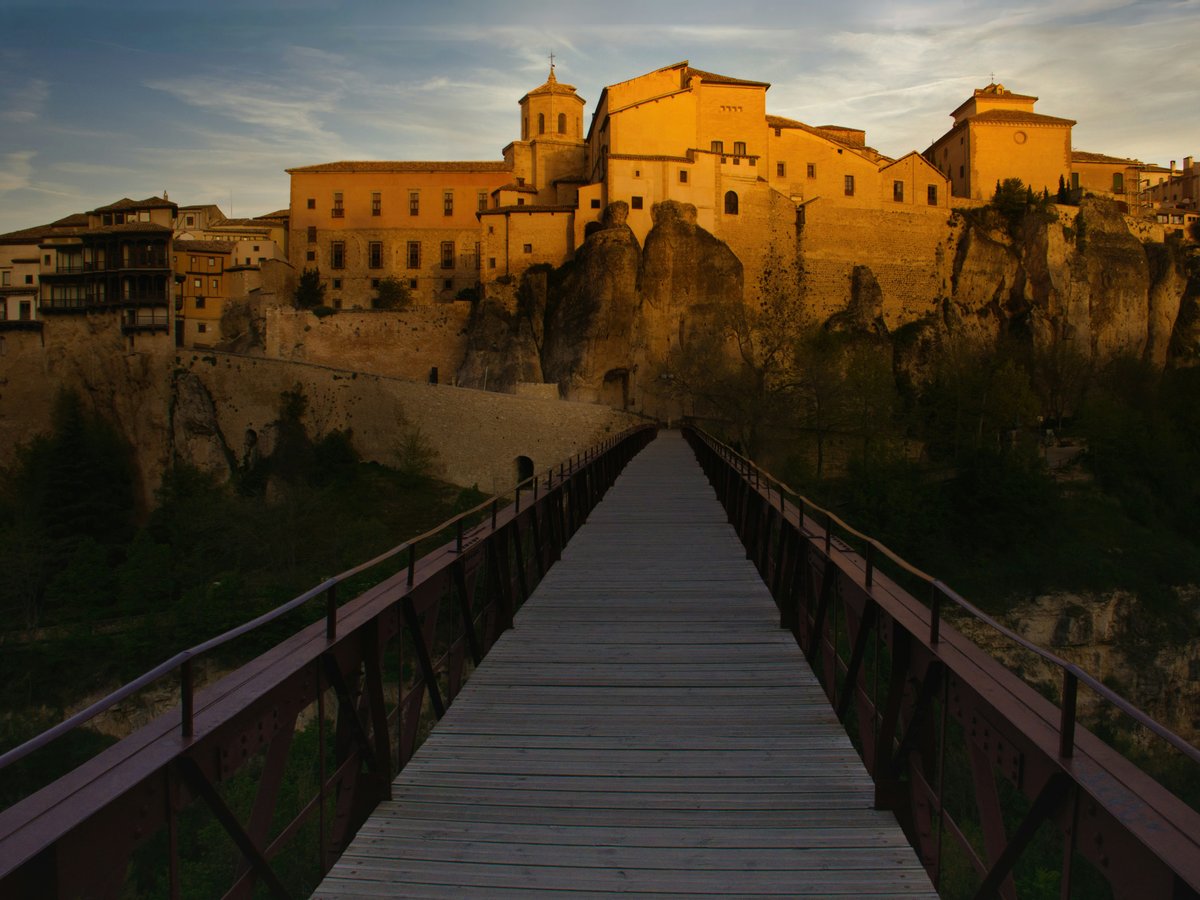
Carretera de Montjuïc, 66A castle dating from 1641, designated a Bien de interés cultural
Montjuïc Castle, at Carretera de Montjuïc, 66, dates from 1641, is listed as cultural property, and carries the designation Bien de interés cultural. It is the oldest foundation on this list by a long way, and the walls carry that weight without any help. The last hour before closing is not worth the trip up; the castle wants a slow walk. From 1 March to 31 October it opens 10:00 to 20:00, and from 1 November to 28 February the hours run 10:00 to 18:00. It closes on 25 December, 1 January, and public holidays. Check http://www.bcn.cat/castelldemontjuic/ before you set off.
Dates from 1641 · Bien de interés cultural
-
10 Maritime Museum of Barcelona
Passeig de Josep CarnerA maritime museum dating from 1936, designated a Bien de interés cultural and open on public holidays
The Maritime Museum of Barcelona, on Passeig de Josep Carner, opens at 10:00 every day, public holidays included. It dates from 1936 and holds a Bien de interés cultural designation. Better than the rainy-day filler museums that pad out most itineraries: this one tells you why a port city looks the way it does. Doors close at 20:00, and at 15:00 on 24 and 31 December. It shuts completely on 25 and 26 December and on 1 and 6 January. For questions, call +34-933-42-99-20 or check https://www.mmb.cat/. Because it opens on holidays, it is the best plan on this list for a day when much of the city is closed.
Dates from 1936 · Bien de interés cultural
-
11 Gaudi House Museum
Carretera del CarmelA historic home museum dating from 1905, designated a Cultural Asset of National Interest
Dating from 1905, the Gaudi House Museum on Carretera del Carmel is a historic home museum with a Cultural Asset of National Interest designation. Skip the gift-shop version of Gaudí sold as fridge magnets around the city, because a home museum gives you the private, lived-in side of the story, and that rarely survives the crowds at the bigger sites. From April to September it opens 09:00 to 20:00, from October to March 10:00 to 18:00, and on 1 and 6 January and 25 and 26 December the hours shrink to 10:00 to 14:00. Full details are at https://www.casamuseugaudi.org/. It is small, so plan it as part of a longer walk.
Dates from 1905 · Cultural Asset of National Interest
-
12 Hash Marihuana & Hemp Museum
35 Carrer Ample, Barcelona, 08002A museum dedicated to the culture of cannabis, in a building designated a Cultural Asset of Local Interest
At 35 Carrer Ample in the 08002 postal area, the Hash Marihuana & Hemp Museum is dedicated to the culture of cannabis, and it dates from 2012, making it the youngest entry here. It carries a Cultural Asset of Local Interest designation, an unexpected bit of standing for a museum on this subject. Skip the novelty-shop version of cannabis culture sold on keyrings and T-shirts; a museum treatment is more curious, more historical, and less juvenile than the stereotype suggests. Our sources list no opening hours, so check https://hashmuseum.com/es/ before you go. Treat it as a short, odd and well-earned detour between heavier collections.
Dates from 2012 · Cultural Asset of Local Interest
Last verified by automated review (v1.7.2_fame1017d-1015-170-20261017145747) on . What is automated review?