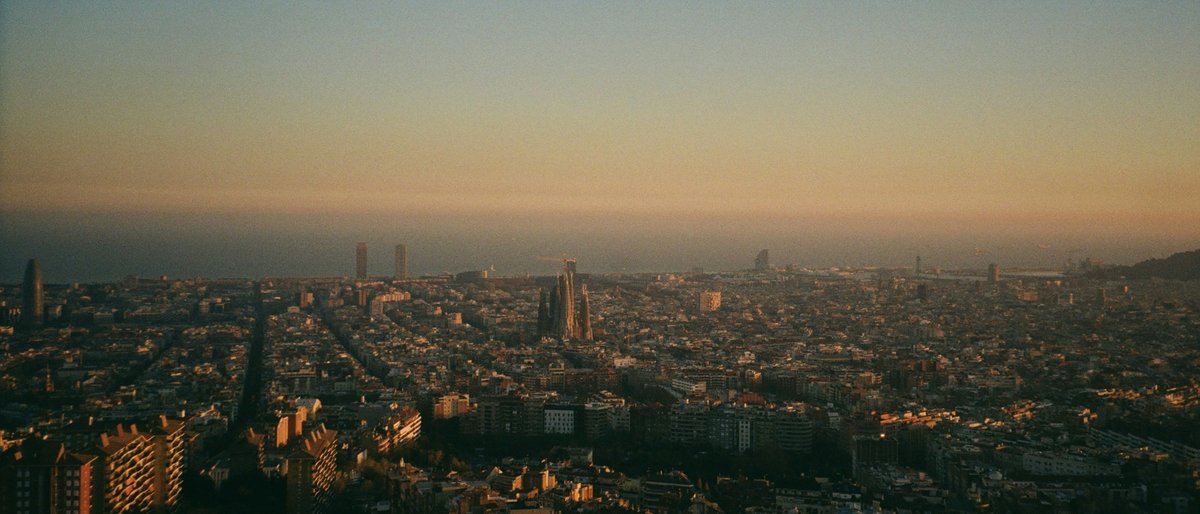
Barcelona's best free hours happen outdoors, on paving stones and gravel paths, and this list leans that way on purpose. Most entries are open squares and parks, running from a historical public square to a park and maze that dates from 1791, and several carry formal heritage status. Royal Square is a Cultural Asset of Local Interest, and Parc de Joan Miró is a Cultural Asset that is part of the cultural heritage of Catalonia. One pick sits outside the city in Torrelles de Llobregat. Some green spaces keep seasonal hours that change with the months, so check the times we cite before you set out. This list is for the walker who would rather spend an afternoon on a bench than in a queue, and for anyone who suspects a city shows more of itself in its public spaces than in its ticketed halls. Where the record is silent we say nothing, so what you read here is what the sources support.
-
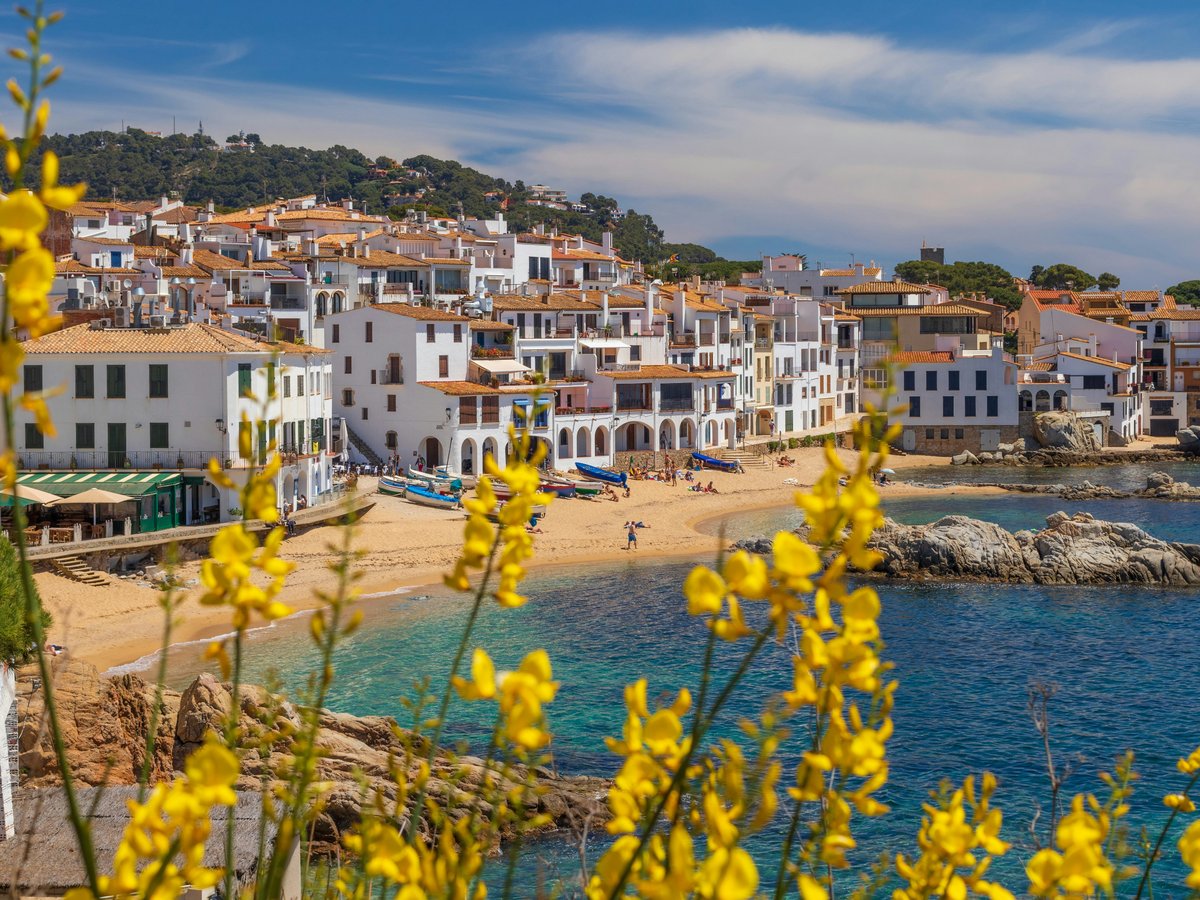
1 Plaça de Catalunya
Plaça de CatalunyaA historical public square in Barcelona
Drop a pin at 41.3870, 2.1701 and you are standing in Plaça de Catalunya, a historical public square in Barcelona that pays you back for stopping rather than crossing. Skip the habit of treating it as a hallway between ticketed sights. Take a bench, let the crowds part and re-form around you, and give the square a quarter of an hour of your attention. Its address is its own name, Plaça de Catalunya, and that plainness suits it. Nobody needs directions to a square this well known. What they need is a reason to stay, and an unhurried morning gives you one.
-
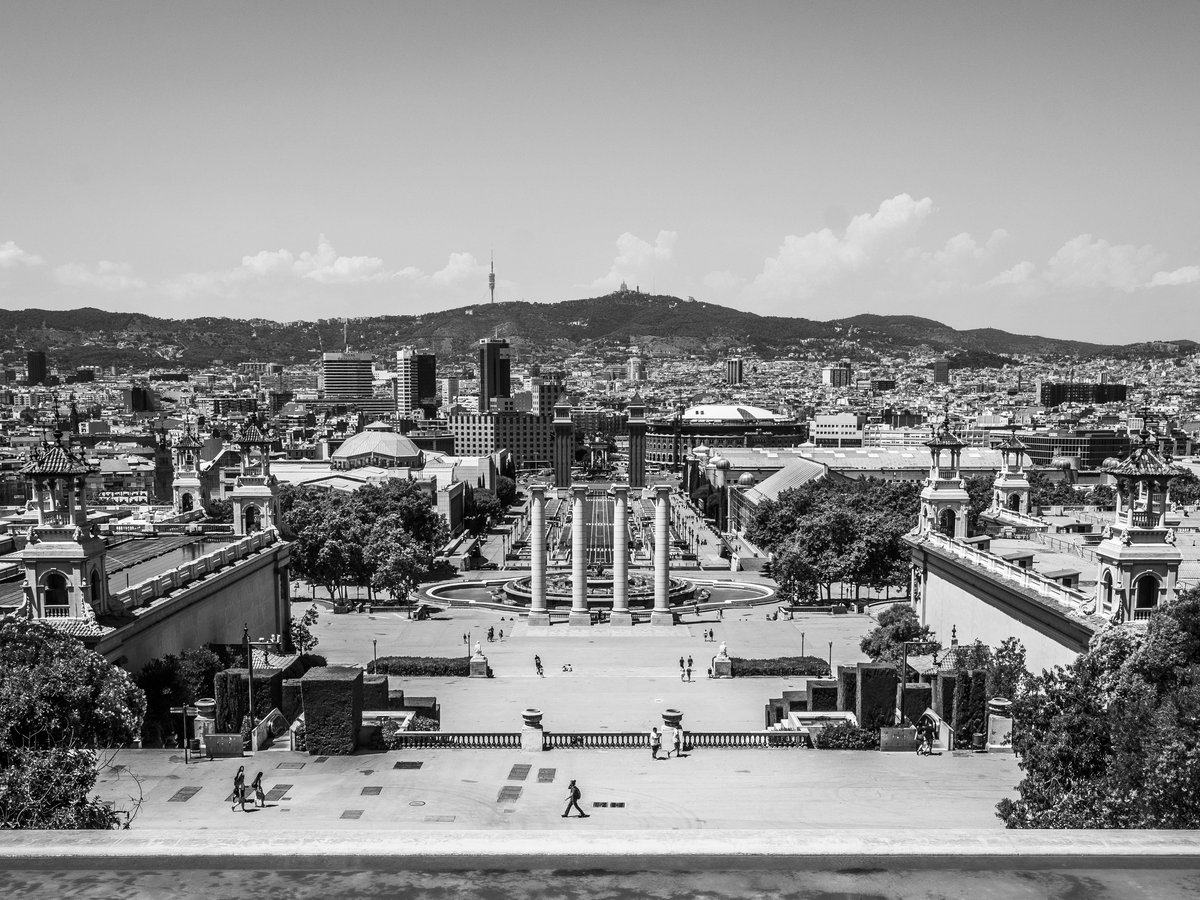
2 Plaça d'Espanya
An open square in Barcelona
Not every stop needs a backstory, and Plaça d'Espanya, pinned at 41.3750, 2.1491, makes its case in the open air. It is a square in Barcelona, and that is all the brief it needs, so don't bother booking a guide for this one. Walk it end to end, then stand still long enough to feel the city move around you. An open square gives you room to look up, get your bearings and plan the next hour without a map in your face. Come early or late, when the light is low and the place feels more like a commons than a crossing.
-
3 Parc del Laberint d'Horta
Pg. Castanyers 1-17 / Germans Desvalls, 21-51 / Paulo Freire, 1X, Pg. Vall d'Hebron, 183A park and maze dating from 1791
Dating from 1791, Parc del Laberint d'Horta is a park and maze in Barcelona with Cultural Asset of Local Interest status, at Pg. Vall d'Hebron, 183. Gates open at 10:00 all year, and closing time moves with the seasons: 18:00 from November to February, 19:00 in March and October, 20:00 in April, and 21:00 from May to September. Locals come late on a summer evening, when the long hours let the maze cool down and empty out. Getting lost here is the point, so leave the phone in your pocket and take the wrong turns as they come. Check the official city page before a holiday visit.
Dates from 1791 · Cultural Asset of Local Interest
-
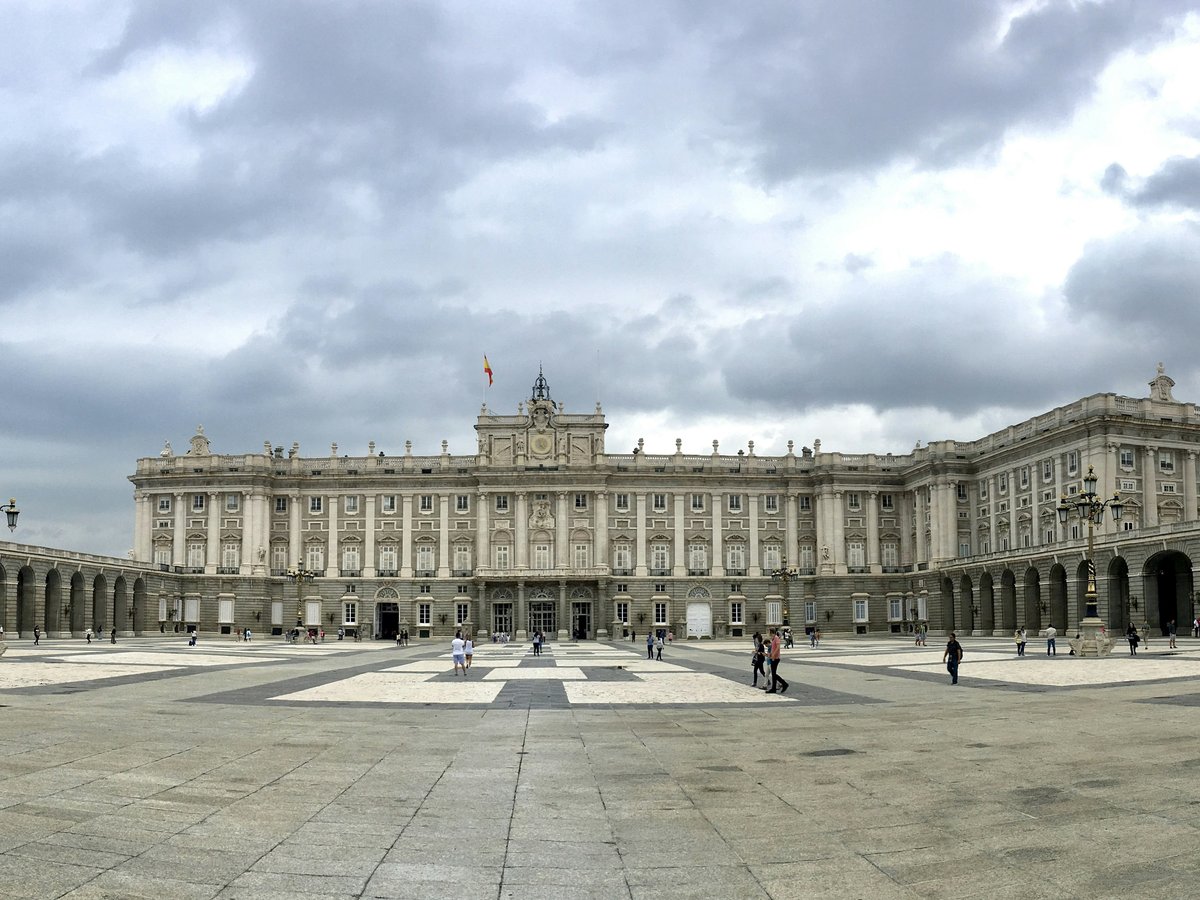
4 Royal Square
Plaça ReialA square dating from 1850 with Cultural Asset of Local Interest status
Built up from 1850, Royal Square goes by its address, Plaça Reial, and carries Cultural Asset of Local Interest status. It is a square in Barcelona, and you will find it at 41.3800, 2.1750. Don't snap it from one corner and move on: walk the whole edge, then cut across the middle, and you will see why a square this old earned protection. The place shifts with the hour, calm and almost formal in the morning, looser once the evening crowd fills it. Give it two visits if your itinerary allows, one early and one after dark.
Dates from 1850 · Cultural Asset of Local Interest
-
5 plaça del Rei
Carrer del Veguer, 08002A square in Barcelona's 08002 postal area
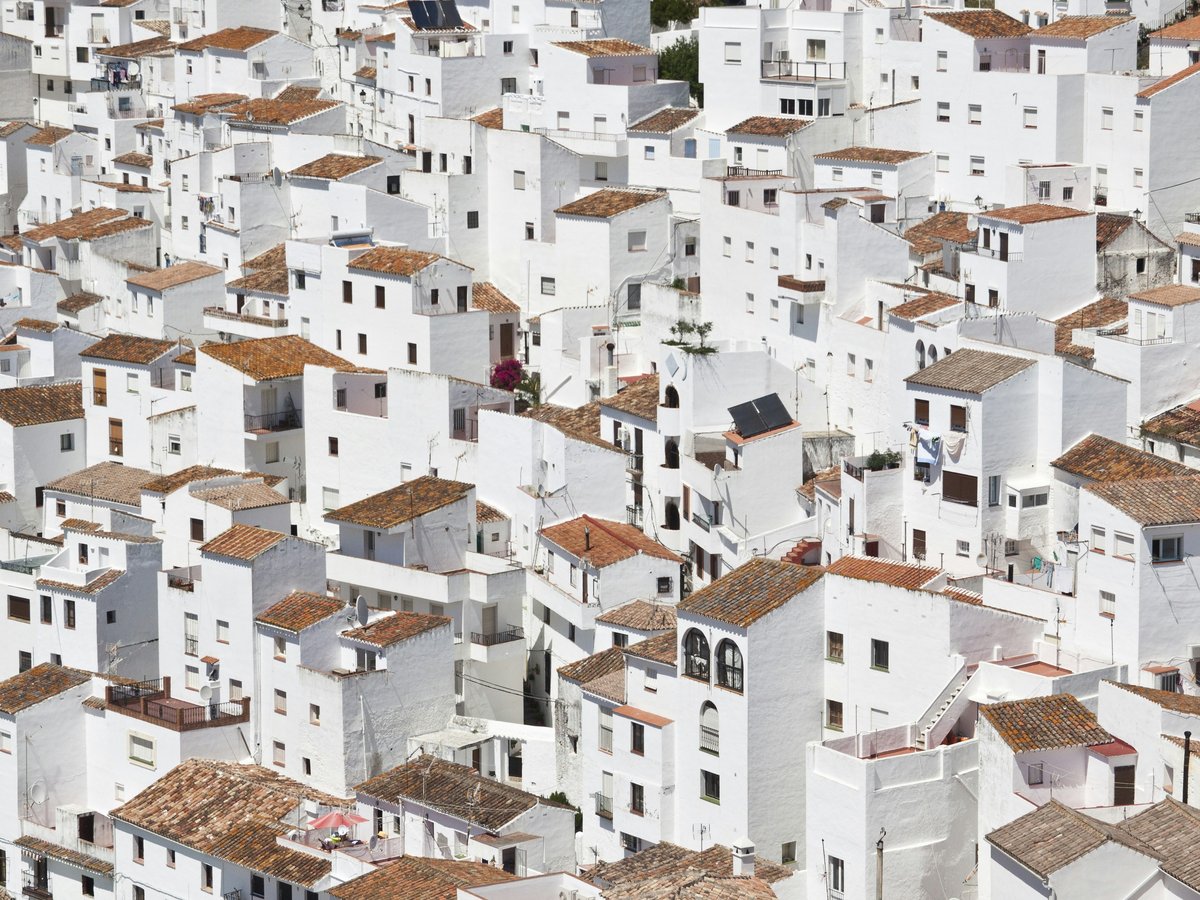
Off Carrer del Veguer in the 08002 postal area, plaça del Rei is a square in Barcelona that rewards anyone willing to slow down. Mark it at 41.3841, 2.1774 and come on foot. A square like this is best taken at a stroll, not at the speed of a sightseeing checklist. Stand in the middle, turn a full circle and let your eyes do the work. There is no ticket, no queue, no audio guide talking over you, nothing but stone and the people passing through. Ten quiet minutes, and it costs you nothing.
-
6 Plaça Sant Jaume
Plaça de Sant Jaume, 08002A square in Barcelona with urban protection status
Plaça Sant Jaume, at Plaça de Sant Jaume, 08002 and mapped at 41.3825, 2.1769, is a square in Barcelona protected under a designation that reads simply 'With urban protection'. Skip the guided-group pace that pushes people through in under a minute. Arrive alone, find a spot along the edge and watch how the space fills and drains. A square held under that designation has kept its shape for a reason, and you only see that by giving the place time. Pair it with an aimless walk through the 08002 streets rather than a fixed route.
With urban protection
-
7 Parc de Joan Miró
Tarragona, 74-76, Diputació, 9, Vilamarí, 61 i Aragó, 2A park celebrating Joan Miró
Four entrances open into Parc de Joan Miró: Tarragona 74-76, Diputació 9, Vilamarí 61 and Aragó 2. It is a park celebrating Joan Miró and a Cultural Asset that is part of the cultural heritage of Catalonia. Most people leave with a gift-shop print as their Miró souvenir; here the tribute is a public space you can walk through, sit in and come back to. Pick whichever of the four entrances is closest and cross the whole park to another one. The city keeps an official page for it, worth a look before you go.
Cultural Asset part of the cultural heritage of Catalonia
-
8 Parc de l'Espanya Industrial
Muntadas, 1-27 / Rector Triadó, 75-79 / Watt, 24-34 / Premià, 46 bisA heritage-listed park open 08:00 to 23:00 daily
Parc de l'Espanya Industrial, a park in Barcelona and a Cultural Asset that is part of the cultural heritage of Catalonia, is open from 08:00 to 23:00 every day, public holidays included. Its entrances are on Muntadas 1-27, Rector Triadó 75-79, Watt 24-34 and Premià 46 bis. Locals count on those late hours, and it is easy to see why: when the daytime parks have shut, this one still has room for a slow walk at 22:00. We'd skip the hotel-bar nightcap and spend that hour here. The city's official page carries the current details.
Cultural Asset part of the cultural heritage of Catalonia
Hours: Mo-Su,PH 08:00-23:00
-
9 Plaça de la Universitat
Plaça de la UniversitatA square in Barcelona
Plaça de la Universitat is a square in Barcelona whose address is just its own name, mapped at 41.3856, 2.1640. Foot traffic drifts across it all day. Resist the urge to push through on the way to somewhere with a ticket booth: a square like this works best as a pause, ten minutes on its edge watching the city's ordinary business go by. Bring a coffee from wherever you last stopped and let the morning settle. Some of the best travel hours have no event in them, only a good place to stand, and this is one of those places.
-
10 Catalunya en Miniatura
Carrer de Can Balasch de Baix, Torrelles de Llobregat, 08629A miniature park in Torrelles de Llobregat
Catalunya en Miniatura opens at 10:00 on Carrer de Can Balasch de Baix in 08629. This is a miniature park in Torrelles de Llobregat, not in Barcelona itself, so factor in the journey. Closing time shifts with the calendar: 18:00 from October to February, 19:00 from March to June and in September, and 20:00 in July and August. The park stays closed on 25 December, 1 January and 6 January, and arriving late on a winter afternoon leaves barely an hour, so those dates make the trip pointless either way. Check the official site before you go, then choose a long summer day and give it the whole afternoon.
-
11 Jardí Botànic de Barcelona
A botanical garden dating from 1999
The official website for Jardí Botànic de Barcelona lives at museuciencies.cat, and it is worth checking before you go. This botanical garden in Barcelona dates from 1999 and holds the designation of Cultural Asset as part of the cultural heritage of Catalonia. It opens at 10:00, closing at 18:00 from November to March, 19:00 in April, May, September and October, and 20:00 from June to August. The garden closes on 25 December, 1 January, 1 May, 24 June and any public holiday, so none of those days are worth the trip. A summer weekday, staying until close, is the right approach.
Dates from 1999 · Cultural Asset part of the cultural heritage of Catalonia
-
12 Plaça de Sant Felip Neri
Plaça de Sant Felip NeriA square in Barcelona
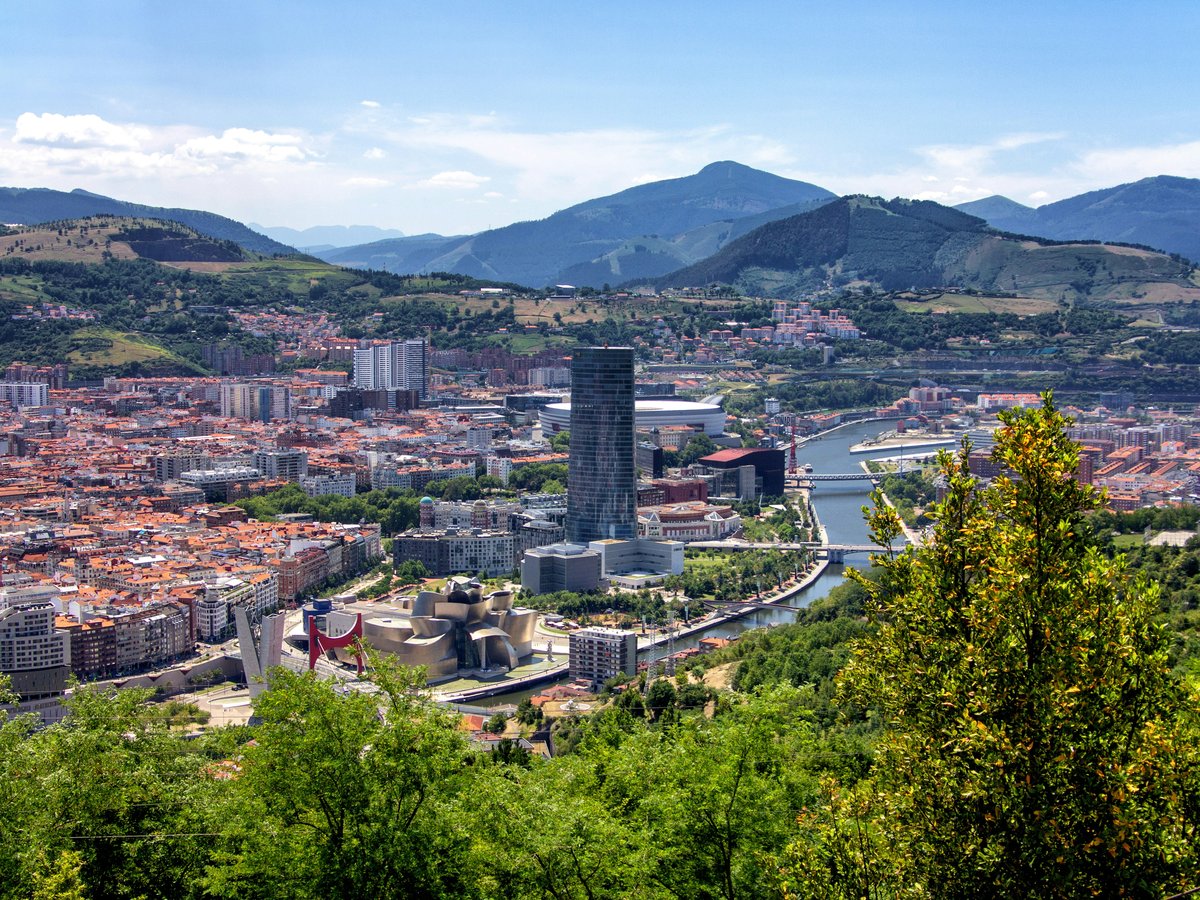
Every footstep echoes in Plaça de Sant Felip Neri, a square in Barcelona whose address is simply its own name. You will find it at 41.3834, 2.1749. The locals prefer a square like this before the day's crowds arrive, when the sounds are your own steps and a few low voices. Skip the selfie-and-go routine. Sit for a while, let the quiet settle and notice how a small enclosed space changes the way you breathe. It makes a fitting last stop for a list built on open ground: no ticket, no timetable, time that is yours to spend.
Last verified by automated review (v1.7.2_fame1017d-1015-174-20261017080910) on . What is automated review?