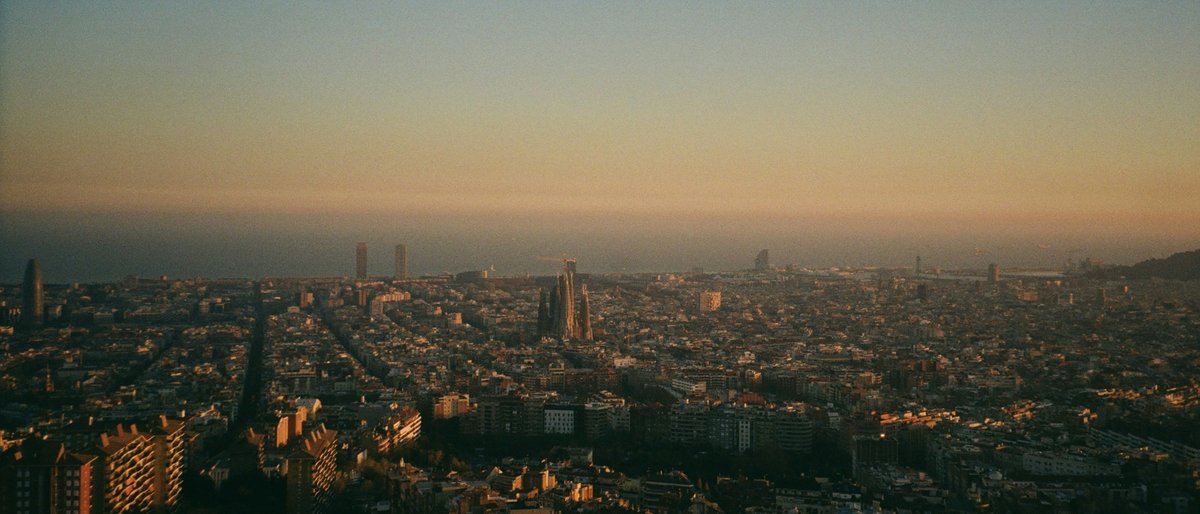
What should I avoid in Barcelona?
Skip Las Ramblas restaurants, where €18 paella costs €9 in Gràcia. Avoid the rosemary-sprig scam near the Cathedral and any bar with a sangria-pitcher photo menu on the sidewalk. Pickpockets work La Rambla and Metro L3 in teams. Book Sagrada Família tickets 3-4 weeks ahead or you'll pay scalper prices at the door.
La Rambla looks like the main street. It is, in the sense that it connects Plaça de Catalunya to the port. But the restaurants lining it serve the worst food in Barcelona at the highest prices. A paella on La Rambla runs €16-22 and arrives yellow from food coloring, not saffron. Walk 10 minutes east into El Born or north into Gràcia and the same dish, made with Calasparra rice and proper sofregit, costs €9-12. The giveaway is the photo menu on the sidewalk. If a restaurant needs a laminated photo of its food to pull you in, it is feeding you microwaved portions. La Boqueria, the famous market at La Rambla 91, is worth seeing before 10am when locals still shop there. After noon it becomes a wall of €5 fruit cups and tourists elbowing for space. The stall owners know it. For a market that still functions as a market, try Mercat de Sant Antoni in the Eixample, reopened in 2018 after a 9-year renovation.
Pickpockets in Barcelona tend to work in teams of 2-3. They concentrate on Metro Line L3 between Passeig de Gràcia and Plaça de Catalunya, La Rambla south of Carrer del Carme, and Barceloneta beach. The method is usually a bump-and-lift or a staged distraction. Someone offers you a sprig of rosemary "for free" outside the Cathedral of the Holy Cross and Saint Eulalia, the Gothic church on Pla de la Seu dating to 1298. While you're engaged, a second person works your bag. The rosemary trick still catches first-timers who feel rude refusing. That said, it's predictable once you know the pattern. The three-shell game along La Rambla is a team operation too. Every "winner" is a plant. You will not win. Street sellers on Barceloneta spread counterfeit bags on blankets with pull-strings. Buying is illegal for both parties under Spanish law, and the Guardia Urbana patrols regularly.
Sagrada Família sells out weeks in advance on timed-entry tickets. If you show up without a booking, you'll find people on the sidewalk of Carrer de Mallorca selling "skip the line" access at 2-3x the official €26 base price. Book through the basilica's own site at least 3 weeks before your trip. The construction, underway since 1882, means scaffolding covers portions of the facade, and the interior can feel humid from the open sections on warm days. Morning light through the east-facing stained glass hits between 9 and 10am. Pools of blue and green spill across the stone nave floor. That 9am slot is the one worth booking. Park Güell has a similar problem. The monumental zone requires a €10 timed ticket, and the free areas don't include the mosaic terraces or the Sala Hipòstila columns that everyone photographs. Worth noting, the park sits on Carmel hill, and the walk up from Lesseps Metro involves a steep 15-minute climb on uneven steps. Wear shoes with grip.
Barceloneta beach in July and August is shoulder-to-shoulder by noon, and the sand gets hot enough to burn bare feet by 2pm. The water temperature reaches about 25°C in August, which sounds pleasant until you notice the density of swimmers near the shore. If you want a swim without the crowd, Platja de la Nova Mar Bella sits 20 minutes north on foot and has a beach bar with €4 cañas. The Barri Gòtic south of Plaça de Catalunya can feel claustrophobic after dark. The narrow alleys around Carrer d'Avinyó and Carrer dels Escudellers get loud with bar crawls by midnight, and the tight lanes make it harder to spot someone following too close. Solo travelers might prefer El Born or Gràcia for evening walks. Barcelona rates 6/10 on TTDI's solo-traveler safety index (see the TTDI Solo-Safety Index), with the lower score driven by persistent petty theft rather than violent crime.
Mid-September weather currently sits at 21°C with 91% humidity, and the air feels thick and warm even before 9am. Summer heat between June and August pushes past 34°C, and the Eixample's grid streets trap warmth between buildings. Afternoon shade disappears on the wide Passeig de Gràcia. The sea breeze helps near the waterfront but rarely reaches inland past Via Laietana. Rain comes in short, hard bursts during October and November, often flooding the lower sections of El Raval near Carrer de Sant Pau. Mind you, Barcelona doesn't get London-style drizzle. It gets 20-minute downpours that stop as fast as they start. The stone pavement goes slick and steaming within minutes.
Tourist traps to skip
- Las Ramblas restaurants with photo menus and €16-22 food-coloring paella
- La Boqueria market after noon, when it's €5 fruit cups and tourist gridlock
- Barceloneta beach in July-August, packed by noon with sand hot enough to burn by 2pm
- Scalpers outside Sagrada Família selling tickets at 2-3x the €26 official price
- Sangria-pitcher bars near Plaça Reial and along lower La Rambla
- Hop-on hop-off tourist buses at €30 when a T-Casual 10-ride Metro pass costs around €12
Common scams
- Rosemary-sprig distraction near the Cathedral, one person engages while a partner picks your pocket
- Three-shell game on La Rambla, every visible winner is a planted accomplice
- Petition signers on Passeig de Gràcia and La Rambla, a pickpocket team's opening move
- Unlicensed taxi drivers at Barcelona Sants offering flat fares above the metered rate
- Counterfeit goods on Barceloneta beach, buying is illegal for both buyer and seller under Spanish law
- ATMs near La Rambla defaulting to dynamic currency conversion with a hidden 8-12% markup
Seasonal hazards
- June-August heat above 34°C, with Eixample's grid trapping warmth between buildings
- October-November rain in sharp 20-minute downpours, flooding lower El Raval
- September humidity around 91% even in early morning, making 21°C feel closer to 24°C
Last verified by automated review (v1.7.2) on . What is automated review?