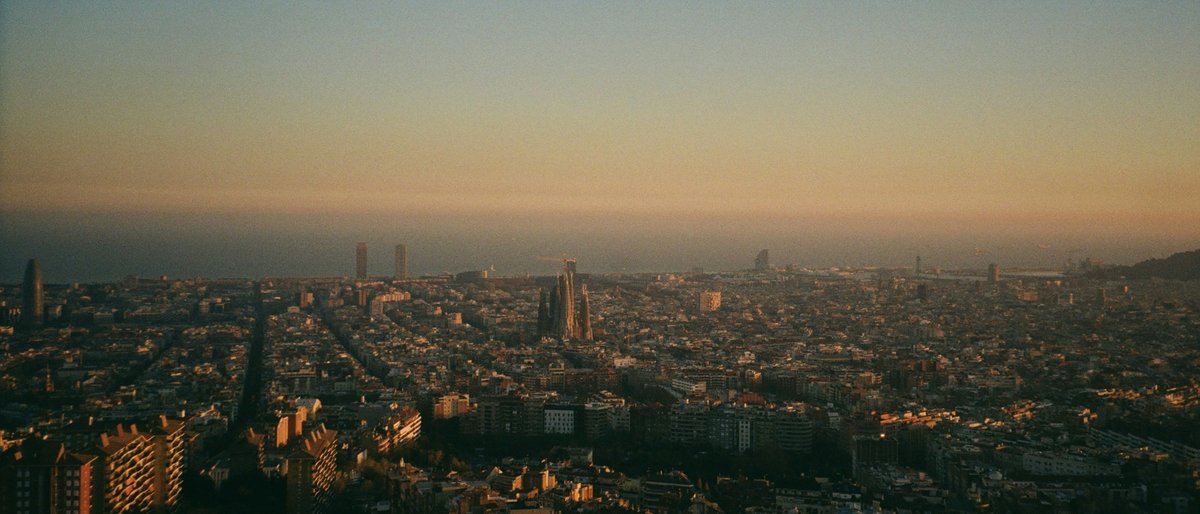
Barcelona has a shopping culture that sits somewhere between Mediterranean laid-back and fiercely design-conscious. The city has long been a hub for textiles: Catalonia's industrial history is rooted in fabric mills, and you'll still find that legacy in everything from high-end fashion ateliers in the Eixample to tiny haberdasheries in the Barri Gòtic that have been selling buttons and ribbon since before the Civil War. What tends to surprise people is how local the retail scene still feels. Yes, the global chains have colonized Passeig de Gràcia and Portal de l'Àngel, but step one block off the main drags and you're into independent territory: ceramicists, leather workers, small-batch perfumers, espadrille makers who've been at it for generations. Barcelona also has a rooted market culture. Most neighborhoods still revolve around their municipal market hall, where people do their daily grocery shopping. That's not a tourist performance; it's just how the city feeds itself. The design influence runs through everything here. This is Gaudí's city, after all, but it goes well beyond architecture. Catalan graphic design, textile patterns, and a general attention to how things look and feel: that sensibility bleeds into the shops themselves. You'll notice it in the packaging, the window displays, even the way a fishmonger arranges sardines at the market. Mind you, Barcelona is not cheap anymore. Tourism and a strong creative economy have pushed prices up considerably over the past decade, and you'll feel that in the Gothic Quarter and along the Rambla. But value still exists if you know where to look.
Shopping districts
-
Passeig de Gràcia and Eixample
luxury to high mid-rangeThe wide, tree-lined Passeig de Gràcia is where Barcelona does luxury. Think Loewe, Chanel, and the big Spanish names alongside international fashion houses. The Modernista buildings (Casa Batlló, Casa Amatller) give the street a grandeur that most high-end shopping strips lack. But the real discovery is the grid of streets around it in the Eixample. Carrer del Consell de Cent and Carrer d'Enric Granados have a quieter, more curated feel: independent galleries, Catalan designer boutiques, concept stores selling local ceramics alongside Scandinavian furniture. The vibe here is polished but not stuffy. People dress well in the Eixample; it's that kind of neighborhood.
Best for: Designer fashion, Catalan luxury brands like Loewe and Custo Barcelona, gallery browsing, and Modernista architecture between purchases
-
Barri Gòtic (Gothic Quarter)
mixed: ranges from budget souvenirs to pricey antiquesNarrow medieval streets, uneven stone underfoot, and a mix that ranges from old-school artisan shops to tourist-trap souvenir stalls. The trick is knowing which is which. Carrer dels Banys Nous has long been the antiques row: small dealers selling religious art, vintage jewelry, and old maps. Carrer de la Palla has bookshops. The streets immediately around the Cathedral lean heavily tourist, but duck into the side alleys around Plaça de Sant Felip Neri or down toward Call (the old Jewish quarter) and you'll find leather workshops, handmade candle shops, and stores that seem to exist outside of time entirely. Some of these places don't even have websites. Worth noting: the Gòtic can feel overwhelming on weekends. Go on a Tuesday morning if you can.
Best for: Antiques, vintage finds, artisan leather goods, old bookshops, and the specific pleasure of getting lost in medieval streets
-
El Born (Sant Pere, Santa Caterina i la Ribera)
mid-range to high mid-rangeIf the Gòtic is medieval Barcelona, El Born is where the city's creative class currently gravitates. The streets around Carrer del Rec and Passeig del Born are packed with independent fashion boutiques, small jewelry designers, and concept stores that change with the seasons. It has a slightly younger energy than the Eixample: more experimental, more willing to mix vintage with new design. Carrer de l'Argenteria (the old silversmiths' street) still has jewelry shops, though the offerings have evolved. There's a strong presence of local Catalan designers here who'd be unknown outside Barcelona but whose work is distinctive. The neighborhood also has some of the best small galleries in the city. El Born gets crowded in the evenings because the bar scene is strong, but morning shopping here is a pleasure: quiet streets, good coffee, unhurried browsing.
Best for: Independent Catalan fashion designers, contemporary jewelry, concept stores, art galleries, and a neighborhood that rewards wandering
-
Gràcia
budget to mid-rangeGràcia still feels like the separate village it once was before Barcelona absorbed it. The shopping here reflects that: small, personal, a little eccentric. Around Carrer de Verdi and Plaça del Sol you'll find vintage clothing shops, record stores, herbal medicine dispensaries that have been open since the 1920s, and the kind of bookshops where the owner will talk your ear off about Catalan literature if you let them. This is not glossy retail. Some shops have handwritten signs and erratic hours. That's part of the charm. Gràcia is also where you'll find some of the best craft supply shops (yarn, fabric, beading) which speaks to the neighborhood's artsy, DIY character. Prices tend to be lower than the center, partly because rent is still somewhat more reasonable up here.
Best for: Vintage clothing, vinyl records, independent bookshops, herbal shops, craft supplies, and a genuine neighborhood feel away from the tourist core
-
Portal de l'Àngel and Carrer de Pelai
budget to mid-rangeThis is high-street Barcelona: the pedestrianized stretch running from Plaça de Catalunya down toward the Cathedral. Zara, Mango, H&M, Massimo Dutti, and their kin dominate here. It's reportedly one of the most commercially productive streets in Spain by foot traffic. Nothing here will be unique to Barcelona, to be honest, but the Spanish fast-fashion brands do tend to get new collections earlier in their home market, and prices on Spanish labels are generally better here than abroad. El Corte Inglés sits at Plaça de Catalunya and is a one-stop department store if you need something specific in a hurry: from electronics to gourmet food. Useful, if not exactly characterful.
Best for: Spanish high-street fashion (Zara, Mango, Massimo Dutti), practical shopping, and getting everything in one trip via El Corte Inglés
-
Carrer d'Avinyó and El Raval
budget to mid-rangeCarrer d'Avinyó bridges the Gòtic and the edgier Raval district, and the shops along it reflect that border zone: streetwear labels, sneaker boutiques, skate-influenced design. Cross into El Raval proper and the character shifts further: second-hand bookshops on Carrer dels Tallers (vinyl collectors take note; this is the street for used records and CDs too), vintage clothing stores near the MACBA museum, and a scattering of immigrant-run fabric and spice shops that give the neighborhood its particular texture. Raval is rougher around the edges than Born or Gràcia: that's not a warning, just a fact. It's also more multicultural, which means you'll find products from South Asia, North Africa, and the Philippines alongside Catalan goods. The contrast feels very Barcelona.
Best for: Streetwear, vintage clothing, used vinyl and books, multicultural food shops, and the grittier side of Barcelona's creative scene
Markets
-
Mercat de la Boqueria
foodYes, everyone knows about it, and yes, it gets swamped with tourists by mid-morning. That said, la Boqueria remains a working market with vendors who've held their stalls for decades. The trick is going early: before 9am on a weekday, the crowd is overwhelmingly local. The produce is seasonal and Catalan: look for calçots in late winter, tomàquets de penjar (hanging tomatoes for making pa amb tomàquet), wild mushrooms in autumn. The cured meat and cheese stalls deeper inside the market, away from the Rambla entrance, tend to be better value and more willing to let you taste before buying. The fresh juice stands near the entrance are overpriced. Just walk past them.
Monday to Saturday, roughly 8am to 8:30pm. Closed Sundays. Best visited before 10am on weekdays.
-
Mercat de Sant Antoni
food and booksReopened after a long renovation, Sant Antoni is currently one of the most handsome market halls in the city: all restored ironwork and natural light. Locals from the Eixample and Raval do their daily shopping here, and it's noticeably less tourist-heavy than the Boqueria. The food stalls are excellent and fairly priced. On Sundays, the outdoor perimeter hosts a long-running book, comic, and postcard market that's been a Barcelona institution for over a century. You'll find old postcards of Barcelona from the 1950s, vintage comics, second-hand novels in Catalan and Spanish, and collectors hunched over boxes of stamps. It has that unhurried Sunday morning feeling.
Food market: Monday to Saturday 8am to 8:30pm. Sunday book and collectibles market: roughly 8:30am to 2:30pm.
-
Mercat dels Encants (Fira de Bellcaire)
fleaBarcelona's main flea market, relocated a few years back to a striking mirrored-canopy structure near Glòries. The range is vast: furniture, vintage clothing, old tools, electronics of dubious functionality, kitchenware, military surplus, and the occasional valuable antique mixed in with the junk. Early morning is when serious dealers come to buy, and that's when you'll find the best pieces. By midday it gets picked over. Bargaining is expected here, though keep it friendly: these vendors do this every day and they're not going to fold at your first offer. Some stalls accept only cash. The smell of dust, old leather, and the food trucks around the perimeter is weirdly pleasant.
Monday, Wednesday, Friday, and Saturday. Auction-style sales start very early (around 7am). Casual browsing is best between 9am and 2pm.
-
Mercat de Santa Caterina
foodSitting in the Sant Pere neighborhood near El Born, this market is recognizable by its wavy, colorful ceramic roof designed by Enric Miralles and Benedetta Tagliabue. It's smaller and quieter than the Boqueria, which is precisely the appeal. The fish counter here is good: you'll see local species from the Catalan coast that you might not recognize. There's a decent restaurant inside the market for a quick lunch. The surrounding streets have their own food shops too (bakeries, wine merchants, specialty olive oil stores) that make the whole area feel like an extended pantry.
Monday, Wednesday, and Saturday 7:30am to 3:30pm. Tuesday, Thursday, Friday 7:30am to 8:30pm. Closed Sundays.
-
Feria de Artesanía de la Catedral
artisanA rotating artisan market set up in the square in front of Barcelona Cathedral. The stalls change, but you'll typically find handmade jewelry, leather goods, ceramics, textiles, and candles: most produced by the vendors themselves. Quality varies, so look carefully, but the better stalls sell handcrafted work at reasonable prices. The Cathedral setting is dramatic, when the light hits the Gothic facade in the afternoon. Not every weekend, so check locally before making a special trip.
Intermittent weekends and holidays, typically Thursday through Sunday during active periods. Hours roughly 10am to 8pm.
-
Palo Alto Market
artisan and designA monthly design and street food market held in a former factory complex in the Poblenou neighborhood. Poblenou has become Barcelona's creative-industrial district, and this market leans into that identity: local designers selling clothing, accessories, prints, ceramics, and furniture alongside food trucks and live music. It has a festival atmosphere without being overwhelming. The space itself is appealing: old brick warehouses, courtyard greenery, that post-industrial aesthetic that Poblenou does well. Not every vendor is worth your time, but the curation is generally solid and you'll likely find something you haven't seen elsewhere in Barcelona.
Typically one weekend per month (Saturday and Sunday), often the first weekend. Check their schedule before going. Hours roughly 11am to 9pm.
Souvenirs worth bringing home
Skip the Gaudí-printed fridge magnets and the flamenco dolls: flamenco is Andalusian, not Catalan, and locals find those souvenirs mildly irritating. What Barcelona does well is worth bringing home. Catalan ceramics are a strong choice: look for the hand-painted tiles and bowls in blue, yellow, and green that you'll see in market stalls and specialty shops. The style draws from a long Mediterranean pottery tradition and ranges from rustic to quite refined. Espadrilles are Catalan: the rope-soled shoes originated in this part of Spain, and a few shops in the Gòtic and Raval still sell traditionally made pairs. They're light, they pack flat, and they're a fraction of what fashion brands charge for their versions. Cured meats and cheeses from Catalan producers make excellent gifts if you can carry them. Fuet (a thin, dry-cured sausage) is the classic; it's light, travels decently, and tastes distinctly of this region. Catalan wines, from the Penedès and Priorat regions, are undervalued internationally: a bottle of good Priorat costs far less here than abroad. Cava, the local sparkling wine, is another obvious pick. Olive oils from Les Garrigues or Siurana in Catalonia are superb and still modestly priced compared to Italian equivalents. For something less perishable, look into panot tiles: the hexagonal paving stones with a flower design that cover Barcelona's sidewalks. You can find decorative reproductions and coasters in that pattern, and it's one of the few souvenirs that's, specifically Barcelona. Catalan-language books or prints of Modernista architectural details also make distinctive, thoughtful gifts.
Practical tips
- Bargaining
- Bargaining is normal at flea markets like Encants: start at maybe 70% of the asking price and work from there, but keep it good-natured. At food markets, municipal market stalls, and retail shops, prices are fixed. Don't try to haggle at the Boqueria or in a boutique; it won't go well. Some artisan market vendors might have a small margin for negotiation on larger purchases, but it's not expected.
- Tax refunds (IVA)
- Non-EU residents can claim back the 21% IVA (VAT) on purchases over a certain threshold from participating shops. Look for 'Tax Free' signs or ask the shopkeeper for the paperwork. You'll need to get the forms stamped at customs when leaving the EU: this means at the airport before you check bags containing the goods. The process at Barcelona airport is fairly well organized, but allow extra time. Keep receipts and the items accessible. Some shops use electronic refund services that speed things up.
- Opening hours
- Spanish retail hours still confuse visitors. Smaller shops often close between 2pm and 5pm for lunch: this is less common in tourist areas and chain stores but still standard in neighborhoods like Gràcia or parts of Raval. Sundays are mostly closed for retail, with exceptions for the first Sunday of the month in some periods and shops in designated tourist zones. Markets close earlier than you might expect; plan food market visits for the morning. Department stores like El Corte Inglés keep continuous hours (roughly 10am to 9:30pm) and open some Sundays.
- Payment methods
- Card payments are widely accepted in Barcelona: contactless so. Even small shops tend to have card terminals now. That said, keep some cash for flea markets, smaller artisan stalls, and the occasional old-school bar that hasn't made the switch. Market vendors vary; some take cards, many prefer cash. ATMs are plentiful but avoid the ones operated by non-bank companies (Euronet and similar) as they charge predatory exchange rates and fees. Use ATMs attached to actual banks: CaixaBank, Sabadell, BBVA.
- Best shopping days and timing
- Saturday mornings are prime time: markets are fully stocked and most shops are open. Avoid the Boqueria and Gòtic on Saturday afternoons and cruise ship days (check the port schedule if you're serious about this). Monday mornings can be quiet; some smaller shops and market stalls take Mondays off. The Encants flea market runs Monday, Wednesday, Friday, and Saturday: Wednesday tends to be least crowded. For retail streets, weekday mornings are calmest.
- Carrying purchases home
- If you're buying wine, olive oil, or other liquids, remember that checked luggage limits apply and glass bottles need serious padding. Several shops near the Boqueria and in El Born sell wine shipping boxes. For ceramics, ask the vendor to wrap carefully: most are practiced at this. Cured meats and hard cheeses generally clear customs fine entering most countries, but check your destination's import rules, for the US and Australia where restrictions are stricter. Some gourmet shops can vacuum-seal items for travel.
FAQ
Is Barcelona good for shopping on Sundays?
Most retail shops close on Sundays, which catches visitors off guard. The exceptions are shops in designated tourist zones (parts of the Rambla, Passeig de Gràcia, and the waterfront area around Maremagnum mall) which may open on Sundays, and the Sunday book market at Mercat de Sant Antoni. Department stores open on select Sundays. Generally, plan your shopping for other days and use Sundays for markets, walking, or museum visits instead.
Where do locals in Barcelona shop for clothes?
Locals tend to shop in their own neighborhoods rather than in the tourist center. Gràcia for vintage and independent labels, El Born for local designers, the Eixample side streets for slightly more upscale Catalan brands, and honestly, quite a lot of people shop at Zara and Mango: these are Spanish companies and the selection here is better and earlier than abroad. For basics, most locals hit the high-street chains on Portal de l'Àngel or Carrer de Pelai without any of the guilt that tourists seem to feel about it.
What should I avoid buying as a souvenir in Barcelona?
Steer clear of flamenco-themed items: that's Andalusian culture, not Catalan, and selling it as a Barcelona souvenir is a pet peeve for many locals. Mass-produced Gaudí merchandise (mosaic-print everything) is almost always low quality and overpriced. Saffron sold on the Rambla is frequently fake or heavily adulterated. Sangria kits are not Catalan either; Barcelona drinks vermouth, cava, and local wines. In general, if it's sold from a cart on the Rambla, you can likely find better quality elsewhere or it's not representative of the city.
Are credit cards widely accepted in Barcelona shops and markets?
Cards and contactless payment are accepted in the vast majority of shops, restaurants, and even many market stalls. The main exceptions are flea market vendors at Encants, some smaller artisan stalls, and occasional old-school neighborhood shops. Having some cash (say 50 to 100 euros) is still smart for market browsing and small purchases. Avoid non-bank ATMs (the ones with flashy screens and multiple language options) as their fees and exchange rates are consistently poor.
What are the best areas for finding unique, non-touristy gifts?
El Born for contemporary Catalan design and jewelry, Gràcia for vintage and quirky finds, and the side streets of the Gòtic (away from the Rambla) for traditional artisan goods. The Palo Alto Market in Poblenou is excellent for local designers if your visit coincides with it. For food gifts, skip the Boqueria gift packs and instead visit a proper gourmet shop or the Mercat de Santa Caterina area for olive oils, wines, and cured meats at local prices.
How does the siesta affect shopping hours in Barcelona?
The traditional midday closing (roughly 2pm to 5pm) is still observed by many smaller, independent shops, in residential neighborhoods like Gràcia, Poble Sec, and parts of Raval. Chain stores, department stores, and shops in heavily touristed areas generally stay open continuously from 10am to 8 or 9pm. Markets keep their own hours: most are busiest in the morning and wind down by early afternoon. If you're heading to a specific small shop in the afternoon, check their hours first or you might find the shutters down.
Last verified by automated review (v1.7.1) on . What is automated review?