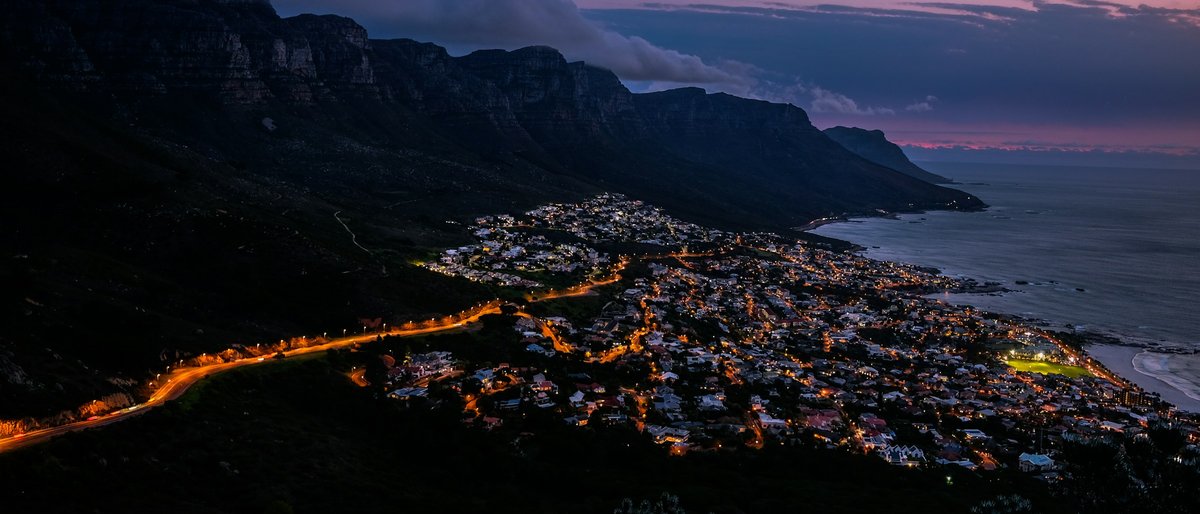
Cape Town after dark runs on its own clock. The city has this layered quality at night: sundowners on the Atlantic seaboard bleed into dinner on Bree Street, which eventually spills over into Long Street or a warehouse party somewhere in Woodstock, and before you know it the sun is coming up behind Table Mountain and someone is suggesting breakfast. The culture here leans social in a way that feels distinctly South African: people gather first, and the venue is almost secondary. A braai at someone's flat in Gardens might be the best night you have. That said, the city has built out a proper going-out scene over the past decade, and the range is wide: from craft cocktail spots that could hold their own in London to dive bars where the floors stick and the jukebox still works. Cape Town's relationship with wine shapes everything. You're in central the Western Cape winelands, so even the scruffiest bar tends to have a surprisingly decent glass of chenin blanc. House music (deep house, specifically) runs through the city's veins, and amapiano has layered itself on top in recent years. The crowd skews young and tends to go out late, on weekends. Friday and Saturday nights are the main events, though Thursday has quietly become a proper going-out night in certain neighborhoods. Summers, roughly November through February, are when the city opens up. Longer daylight, warmer evenings, rooftop bars packed to capacity. Winters are quieter but far from dead: the crowds just move indoors, the wine gets redder, and the mood shifts toward something more intimate.
The Bar Scene: From Chenin Blanc to Craft Gin
Cape Town's bar culture has matured considerably. Bree Street is probably ground zero for the cocktail bar scene at the moment: a stretch of converted heritage buildings now housing spots where bartenders know what they're doing. The drinks lean toward local botanicals, Cape fynbos-infused gins, and South African spirits you won't find elsewhere. Expect to pay somewhere in the R80–R140 range for a well-made cocktail, which still feels reasonable if you're coming from a stronger currency. Wine bars are everywhere, and honestly, they should be. You're sitting in one of the world's great wine regions. Many places pour by the glass from small-batch producers in Stellenbosch, Franschhoek, or Swartland: wines that never leave the country in any real volume. A decent glass of pinotage or chenin might run you R60–R90. The rooftop bar trend took hold a few years back and hasn't let go. Camps Bay still draws the sunset crowd, where you'll watch the sky turn pink over the Atlantic with an overpriced gin and tonic in hand. Worth it for the view, though the drinks and service can be hit or miss: the location does the heavy lifting. Kloof Street in Gardens has a more relaxed rooftop vibe, less performative. Then there's the dive bar end of the spectrum, and Long Street still holds that territory. The paint is peeling, the pool tables are warped, and the beer is cold. Some of these places have been around for decades and feel like it. You'll find a mix of backpackers, locals, and people who've been coming to the same bar stool since the early 2000s. Craft beer has a solid foothold too: Woodstock and Observatory both have taprooms pouring local brews from the likes of Devil's Peak, Jack Black, and smaller operations that rotate seasonally. The scene is less trendy than it was a few years ago, which arguably makes it better.
The Club Scene: Deep House Roots and Late, Late Nights
Cape Town has legitimate claim to being Africa's deep house capital, and the club scene reflects that. Electronic music (house, deep house, tech house, and increasingly amapiano) dominates the dancefloors. The city produces DJs and producers who tour internationally, and the local crowd knows good music when they hear it. Clubs in the city bowl area tend to open their doors around 10 or 11 PM, but the dancefloor doesn't really fill until midnight or later. Peak hours run from about 1 AM to 4 AM on weekends, with some spots pushing until sunrise. To be fair, if you show up before midnight you'll likely have the place nearly to yourself. Dress codes vary but lean smarter than you might expect. The cocktail-bar-turned-club spots on Bree Street want you looking put together, no flip-flops, no athletic wear. More underground venues and warehouse parties are considerably more relaxed. Long Street clubs are the most anything-goes for dress, though the crowd there skews younger and more tourist-heavy. Cover charges are inconsistent. Some places are free entry before a certain hour, others charge R50–R150 depending on the night and the lineup. Bigger events and international DJ sets can go higher. Mind you, bottle service is common at the higher-end spots, and South Africans do love a table with a bottle of whisky or champagne: it's a social thing as much as a status thing. The queer nightlife scene centers around De Waterkant and Green Point, though it's become more dispersed in recent years. Cape Town has historically been the most LGBTQ-friendly city in South Africa, and the nightlife reflects that with dedicated nights and venues. One thing to note: the club scene shifts and venues close and reopen under new names with some regularity. A spot that was packed six months ago might be half-empty now, and something new might have opened in a converted warehouse you'd never find without a tip-off. Check local listings and social media before committing to a specific destination.
Live Music: Cape Jazz, Township Rhythms, and Indie Stages
Cape Town has a deep musical identity that you'll hear in its live venues. Cape jazz is the city's signature sound: a genre that blends traditional jazz with Cape Malay musical influences, African rhythms, and something that's hard to pin down but feels unmistakably local. The heritage runs through musicians like Abdullah Ibrahim and Robbie Jansen, and you can still hear it performed live in smaller venues around the city. Observatory (Obs, as locals call it) has been the heart of the live music scene for years. The neighborhood has a university-adjacent, slightly bohemian energy, and the venues there book everything from jazz to indie rock to hip-hop. It's the kind of area where you might stumble into a bar and find a four-piece band you've never heard of playing to thirty people, and they're good. Woodstock has picked up some of the live music energy too, in converted industrial spaces that host both regular gigs and larger events. The indie and alternative rock scene tends to congregate here. Hip-hop is another strong thread: Cape Town's hip-hop scene, including artists performing in Afrikaans and Xhosa, has been influential nationally. You'll find open mic nights and show events that spotlight local MCs and producers. For bigger acts and touring musicians, the city bowl venues and spaces in the Waterfront area host ticketed shows. The monthly or seasonal outdoor events (think day-to-night festivals in winelands settings or on beaches) are where a lot of the live music energy goes during summer. These blur the line between festival and party and tend to feature house DJs alongside live performers. Weeknights can be surprisingly good for live music. Wednesday and Thursday are common gig nights, with less competition for attention and often no cover charge. The crowd is smaller but tends to be there specifically for the music rather than just looking for somewhere to drink.
Nightlife neighborhoods
-
Long Street
The old guard of Cape Town nightlife. Gritty, loud, and unapologetic. The street itself is lined with Victorian buildings housing bars, clubs, and late-night food spots stacked on top of each other. The crowd is a mix of backpackers, students, and locals who like things rough around the edges. Smells like spilled beer and grilled meat from the shawarma shops. Gets rowdy after midnight.
- Best for
- Cheap drinks, bar crawls, meeting strangers, late-night food at 3 AM
-
Bree Street
Where Long Street's energy got cleaned up and given a cocktail menu. Bree runs parallel and has become the more polished option: converted heritage buildings with exposed brick, moody lighting, and bartenders who care about their ice. The after-work crowd fills the terraces around 5 PM, and by 10 PM the cocktail spots start feeling more like lounges. Still has some edge to it, not fully sanitized.
- Best for
- Cocktails, dinner-to-drinks transitions, a more curated night out
-
Kloof Street and Gardens
The residential neighborhoods above the city bowl have their own thing going on. Kloof Street has a string of bars and restaurants that feel like your neighborhood local, if your neighborhood happened to have mountain views. More relaxed than Bree, less chaotic than Long. You'll hear conversations over the music rather than the other way around. The crowd is a mix of young professionals and creative types who live nearby.
- Best for
- Relaxed drinks with friends, wine bars, a night that doesn't require shouting
-
Observatory
The bohemian heart of Cape Town's live music and counter-culture scene. Obs sits a bit outside the city bowl, near the university, and it shows: vintage shops, Ethiopian restaurants, and bars where the decor hasn't changed in a decade. The energy is more organic, less curated. You'll find drum circles alongside punk shows alongside jazz. It can feel a bit rough around the edges late at night, but that's part of the character.
- Best for
- Live music, indie culture, meeting locals outside the tourist circuit
-
Woodstock
Cape Town's ongoing gentrification story plays out in Woodstock's nightlife. Old industrial buildings now house breweries, event spaces, and pop-up bars alongside the neighborhood's existing fabric. Weekend markets spill into evening events. The vibe is creative and slightly experimental: you might end up at an art opening that turns into a DJ set in a parking lot. Still feels like it's finding its identity, which keeps it interesting.
- Best for
- Craft beer, warehouse events, creative-scene nights, weekend markets that run late
-
Camps Bay and the Atlantic Seaboard
The glossy side of Cape Town after dark. Camps Bay's strip of beachfront restaurants and bars fills up for sunset and stays busy into the evening, though it tends to wind down earlier than the city bowl. The crowd is affluent, tanned, and here for the view. Drinks are expensive, the dress code is smart casual, and you'll hear more foreign accents than Afrikaans. Sea Point, just up the coast, has a growing food and drink scene that feels a bit more grounded.
- Best for
- Sunset drinks, people-watching, a dressy night out without going clubbing
-
De Waterkant and Green Point
Historically Cape Town's LGBTQ quarter, De Waterkant has gentrified heavily but still holds some of that identity in its nightlife. The cobblestone streets and pastel houses give it a distinct look. Green Point, adjacent, has a scattering of bars and restaurants that cater to a mixed crowd. The area peaks earlier in the evening and feels quieter than Long or Bree by 1 AM. Match nights at the nearby stadium bring a different energy entirely.
- Best for
- LGBTQ nightlife, early-evening drinks, a more relaxed pace
Safety after dark
Let's be direct about this: Cape Town has a real crime problem, and it doesn't disappear after dark. That's not a reason to stay in your hotel, but it is a reason to be deliberate about how you move around. Use Uber or Bolt: both work reliably in the city and are significantly safer than walking between neighborhoods at night. Do not walk on Long Street alone at 3 AM, no matter how short the distance seems on Google Maps. Stick to well-lit, busy areas and move with other people when you can. Petty crime (phone snatching, pickpocketing) is the most common risk in nightlife areas. Keep your phone in a front pocket or zipped bag, on Long Street and around busy intersections. Don't flash expensive jewelry or carry more cash than you need. Drink spiking happens, as it does in most major cities. Watch your drink, don't accept drinks from strangers, and keep an eye on your friends. If someone in your group starts feeling disproportionately intoxicated, take it seriously and get them home. ATM scams are a known issue: use machines inside banks or shopping centers, never ones on the street at night. Card skimming happens at dodgy establishments too, so keep an eye on your card during transactions. The neighborhoods themselves vary a lot in safety. The city bowl, Camps Bay, and the Waterfront are generally fine with normal precautions. Observatory and Woodstock need more awareness, on quieter side streets. Ask locals or your accommodation for current advice: the situation can shift block by block. Trust your instincts. If something feels off, leave. A R50 Uber ride is always cheaper than whatever the alternative might cost you.
Practical tips
- Tipping
- Tip around 10–15% at bars and restaurants where table service is involved. For bartenders making cocktails, rounding up or leaving R10–R20 per round is appreciated but not strictly expected. Car guards (the informal parking attendants you'll encounter everywhere) get R5–R10 when you leave.
- Cover charges
- Most bars don't charge cover. Clubs vary: expect free to R100 on a normal night, more for special events or international DJs. Some spots offer free entry before a certain hour, typically 11 PM or midnight. Check social media pages for guest lists and promotions, which are common.
- What locals drink
- Wine is king in Cape Town: you'll see locals ordering chenin blanc, pinotage, or a Swartland red blend far more often than imported spirits. Brandy and Coke (specifically Klipdrift or KWV) is a South African staple you'll encounter at less upscale spots. Craft beer has a strong following. Gin and tonic with local botanicals is currently having a moment.
- Timing your night
- Cape Town runs late, on weekends. Dinner reservations at 8 PM are normal. Bars pick up between 9 and 11 PM. Clubs peak from 1 to 4 AM. Sunday sessions (afternoon drinks that stretch into evening) are a beloved local tradition, in summer. Don't try to start your night at 7 PM unless you want empty bars.
- Load shedding awareness
- South Africa's rolling power outages have improved significantly, but they haven't disappeared entirely. Most established venues have generators or inverters, but smaller spots may go dark during scheduled cuts. Check the load shedding schedule on the EskomSePush app: it's something every local has on their phone and you should too.
- Smoking culture
- South Africa banned indoor smoking in public venues years ago, but enforcement varies. Many bars have dedicated outdoor smoking areas, and the terrace culture is strong. You'll notice more people smoking than in some other countries: it's still relatively common here, on a night out.
FAQ
What night of the week is best for going out in Cape Town?
Friday and Saturday are the obvious choices and give you the widest range of options. That said, Thursday has become a legitimate going-out night in the city bowl: many bars and some clubs run Thursday events with decent crowds. For live music, Wednesday and Thursday can be better, with smaller crowds who are there for the performance. Sunday sessions, during summer, are a Cape Town institution and shouldn't be overlooked.
Is Cape Town safe for a night out?
With basic precautions, yes. Use ride-hailing apps like Uber or Bolt instead of walking between areas at night. Stay in busy, well-lit parts of nightlife districts. Keep valuables out of sight and don't carry excess cash. The main tourist nightlife areas (city bowl, Camps Bay, Waterfront) are generally manageable, but awareness matters everywhere. Go out in groups when possible and keep an eye on your drinks.
How expensive is a night out in Cape Town?
By international standards, Cape Town is still quite affordable for going out, though it's gotten pricier. A beer at a bar runs around R40–R70, a glass of wine R50–R90, and cocktails R80–R140. Club entry is often free or under R100. A decent dinner for two with wine might come to R600–R1000. Your biggest variable cost will likely be ride-hailing between venues, which stays reasonable: a city bowl trip is typically under R50.
What should I wear going out in Cape Town?
It depends entirely on where you're headed. Long Street and Observatory are come-as-you-are: jeans and trainers are fine. Bree Street cocktail bars and Camps Bay venues expect smart casual at minimum: think clean shoes, a collared shirt or nice top, no athletic wear. Clubs vary, but err on the smarter side unless you're going to a specifically casual or underground event. Cape Town evenings can get cool even in summer, so bring a layer.
Do I need to book tables or get on guest lists in advance?
For popular restaurants, yes: book dinner a few days ahead, on weekends. For bars, generally no reservation needed unless you want a specific table at a busy rooftop spot. Club guest lists are worth checking for: many venues post them on Instagram or WhatsApp groups, and they can save you cover charges and queue time. For bigger events and festival-style parties, buy tickets in advance as they do sell out.
What time do bars and clubs close in Cape Town?
Bars in the city bowl typically wind down between midnight and 2 AM, though some Long Street spots push later. Clubs run until 4 AM or later on weekends: some keep going until sunrise for the right event. Camps Bay and Sea Point tend to close earlier, often by midnight or 1 AM. Liquor licensing laws technically restrict hours, but enforcement varies. Sunday through Wednesday, expect most things to close by midnight unless there's a specific event.
Last verified by automated review (v1.7.1) on . What is automated review?