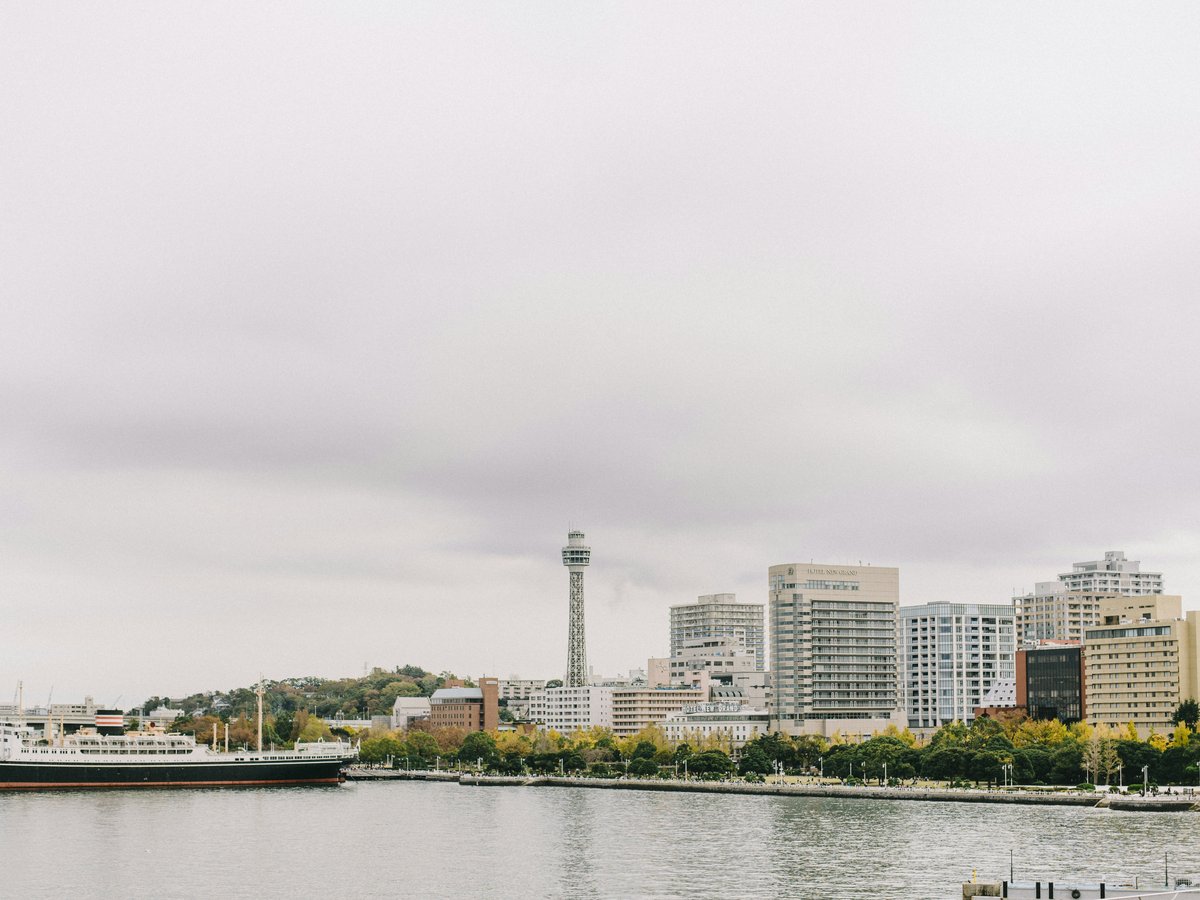
Yokohama goes out earlier and quieter than Tokyo, which sits 30 minutes up the Tokaido Line. Most locals start with a highball or a draft Kirin around 6 PM, straight from the office, and the Kirin connection runs deep: the brewery has a plant in Namamugi in Tsurumi Ward. By 8 PM the yakitori smoke is thick over Noge, and the izakaya counters near Kannai Station are full of salarymen in loosened ties. Around midnight the night splits in two, with most people heading for the last trains out of Sakuragicho, Kannai and Yokohama Station while the rest settle in until the first trains, a little after 5 AM. The port shapes the mood. Yokohama opened to foreign trade in 1859, and the city still leans on that history, with old hotel bars, jazz rooms and harbor views at night. On a late-September night like this one, it is 23.2°C with 90% humidity under an overcast sky, so the air near the water feels warm and damp.
Bars: hotel classics, Noge dives and harbor-view lounges
The cocktail tradition here goes back to the port era. Hotel New Grand opened on Yamashita Park in 1927, and its bar remains the place older Yokohama residents bring visitors for a properly stirred drink. The Yokohama cocktail is a gin, vodka, orange and absinthe mix from the 1920s, and a few veteran bartenders around Kannai and Bashamichi will still make one if you ask. Expect quiet rooms, hand-carved ice and bartenders in waistcoats, with prices that usually run 1,500 to 2,500 yen a drink, roughly 10 to 16 US dollars at 157.59 yen to the dollar. Noge is where you'll find the dives, a five-minute walk from Sakuragicho Station with hundreds of tiny standing bars and six-seat counters packed into its lanes. Locals order Hoppy there, a low-alcohol beer-flavored mixer topped up with shochu, and lemon sours and hot sake once October cools things down. Small signs, sliding doors and grilled mackerel smell drifting out into the alley are the usual markers. Some counters welcome strangers and some are regulars only, so read the room. Height costs money. The hotel lounges in the Landmark Tower and around Minato Mirai look down on the Cosmo Clock ferris wheel and Osanbashi Pier; most add a seating charge after dark, and window tables on Friday nights tend to go to people who booked ahead. Wine bars cluster in Motomachi and along the brick streets of Bashamichi, where the after-work crowd in their thirties splits a bottle of Yamanashi Koshu over cheese.
Clubs: small rooms, late starts, ID at the door
Tokyo is the clubbing city of the region, and many Yokohama twenty-somethings take the Toyoko Line to Shibuya on Saturdays. Yokohama keeps a steady local scene of its own, most of it spread across Kannai, the edges of Chinatown, and the streets behind Yokohama Station's west exit. Hip-hop, reggae and house carry most weekends. Yokohama has a long reggae sound-system history, and dancehall nights still draw a loyal crowd. Doors usually open around 10 PM, rooms rarely fill before midnight, and the peak falls between 1 AM and 3 AM, when everyone who missed the last train commits to the night. Entry normally includes one or two drink tickets, and women often pay less than men. The legal drinking age in Japan is 20, so bring a passport or residence card. Staff at the bigger venues check ID every time, whatever your age looks like. The dress code is relaxed at hip-hop and reggae nights, but sandals, tank tops and sportswear might get you turned away at the more polished lounge-style clubs near Minato Mirai. Some venues post signs refusing groups of foreign men. It's unfair, but it does happen, and arriving in a mixed group tends to help.
Live music: jazz roots and loud small rooms
Jazz is the city's musical signature. Chigusa, a jazz kissa in Noge, first opened in 1933, was rebuilt and reopened in 2012, and people still come to sit and listen to records at volume. In early October the Yokohama Jazz Promenade takes over halls, bars and street corners across Kannai, Sakuragicho and Minato Mirai for a weekend. It has run since 1993 and is the best single weekend to hear live jazz here. Plenty of Kannai bars book trios on weeknights too, with a music charge added to the bill. Rock and punk live in smaller basement live houses near Yokohama Station and Kannai. Tickets are usually bought in advance, and there's a mandatory drink order at the door, often 500 to 700 yen. Shows start early, often at 6:30 or 7 PM, and wrap up by 10 PM so bands can make their trains. Yokohama Bay Hall in Shin-Yamashita puts on larger club events and touring acts on the waterfront, with Friday and Saturday the busy nights. Tuesday and Wednesday bills are thinner, but you might catch local acts on cheaper tickets. When the BayStars play at Yokohama Stadium, opened in 1977, the bars around Kannai fill with fans in blue jerseys after the final out.
Nightlife neighborhoods
-
Noge
Dense lanes of standing bars, yakitori grills and six-seat counters run west of Sakuragicho Station, and walking them you catch charcoal smoke, spilled Hoppy, and enka drifting down from a karaoke snack upstairs. Loud, cheap, and still running past the last train.
- Best for
- Bar-hopping on a weeknight, budget drinking, and meeting locals at the counter from about 6 PM onward.
- Standouts
- Chigusa jazz kissa, plus dozens of unnamed standing bars on the lanes nearest the station
-
Kannai and Bashamichi
Brick buildings and gas-lamp streets from the Meiji era, where serious cocktail bars, jazz rooms and wine bars occupy upper floors. The pace is slower than Noge, and the lighting lower.
- Best for
- Couples and small groups after cocktails or live jazz, especially on Thursday and Friday nights.
- Standouts
- Hotel New Grand's bar at the Yamashita Park end
-
Minato Mirai
Glass towers, hotel lounges and waterfront terraces look out toward the Cosmo Clock and the Landmark Tower, polished and priced to match. The neighborhood goes quiet earlier than the older districts.
- Best for
- Sunset drinks with a view, date nights, and visitors staying in the waterfront hotels.
- Standouts
- Upper-floor hotel lounges in the Landmark Tower area
-
Chinatown and Yamashita
Red lanterns, steamed-bun stalls and Shaoxing wine until about 9 PM, after which the crowd shifts toward the Marine Tower, lit up since 1961, and the bars along Yamashita Park.
- Best for
- Dinner plus one or two drinks, and an evening walk along the harbor.
-
Yokohama Station West Exit
Chain izakaya, karaoke towers and live houses cluster around Japan's busiest commuter interchange. Crowded, practical, and full of students.
- Best for
- Groups who want late karaoke, cheap all-you-can-drink deals and live rock close to the trains.
- Standouts
- Basement live houses near the Nishiguchi shopping streets
-
Fukutomicho and Isezakicho
Neon, hostess clubs and touts near Kannai's southern edge sit alongside older snack bars and a mixed Asian community on Isezaki Mall. Much of it is aimed at local regulars rather than visitors.
- Best for
- Experienced travelers who want old-school snack bars and who know to ignore street touts.
Safety after dark
Yokohama's solo-traveler safety score is 8.3/10 (see the TTDI Solo-Safety Index), and violent street crime against visitors is rare. The risks that catch visitors out are more mundane. Last trains on the Minatomirai Line, JR Negishi Line and Keikyu leave between roughly midnight and 12:40 AM, so check your exact departure before the second round. Taxis queue at Sakuragicho, Kannai and Yokohama stations, but a ride from Kannai to Shin-Yokohama can easily top 4,000 yen after 10 PM, once the late-night surcharge applies. Around Fukutomicho and the Kannai side streets, ignore any tout who approaches you on foot, because touted bars are where bills of 50,000 yen or more appear and Japanese law bans street soliciting anyway. Keep your drink in sight at crowded clubs, and settle each round's price before ordering at any bar without a printed menu. The LGBTQ+ friendliness score sits at 4.5/10 (sourced from TTDI's editorial rubric). Yokohama has no gay district of its own, and most queer visitors take the train to Shinjuku Ni-chome in Tokyo. Public displays of affection draw stares here more often than hostility.
Practical tips
- Table charges and otoshi
- Most izakaya and many bars add a seating charge, often 300 to 800 yen, served as a small plate called otoshi. It is not a scam. Bars with live jazz may add a separate music charge, so if no menu is posted, ask before you sit down.
- Tipping
- Japan has no tipping culture, and Yokohama is no exception. Leave coins on the counter and staff may well chase you down the street to return them. Say gochisosama deshita when you pay instead.
- Timing your night
- Izakaya fill from 6 PM, cocktail bars from 9 PM, and clubs from midnight. Plan to leave by the last train around midnight, or commit to staying until first trains after 5 AM.
- Cash and cards
- Hotel bars and Minato Mirai lounges take cards, but many Noge counters and live houses take cash only. Seven Bank ATMs in 7-Eleven stores accept foreign cards around the clock.
- Karaoke and nomihodai
- Big karaoke chains near Yokohama Station sell all-you-can-drink packages by the hour, and late-night packs running until 5 AM are often cheaper than a taxi back to Tokyo.
- Smoking
- Many small bars in Noge and Kannai still allow smoking under exemptions for tiny venues. A sticker on the door usually shows the policy, so check before you go in if smoke bothers you.
FAQ
What time do bars close in Yokohama?
Izakaya usually close between 11 PM and midnight. Many small bars in Noge and Kannai stay open until 2 AM or later, and clubs run until about 5 AM, when the first trains start.
Is Yokohama nightlife worth it, or should I go to Tokyo?
Tokyo has bigger clubs and more choice, but Yokohama wins on harbor views, old-school jazz, and Noge's cheap standing bars, all within 30 minutes of Shibuya by train.
What do locals drink in Yokohama?
Draft beer and highballs to start, then lemon sours, Hoppy with shochu, or sake. At the older hotel bars you'll find people ordering the Yokohama cocktail, a 1920s gin, vodka and orange mix.
Do Yokohama clubs check ID?
Yes. The drinking age in Japan is 20, and most clubs require a passport or residence card at the door, whatever your apparent age. A photocopy may be refused.
When is the best time for live jazz in Yokohama?
The Yokohama Jazz Promenade weekend in early October is the peak, and outside that festival, Kannai bars host weeknight sets while Noge's record-listening jazz kissa are open most evenings.
How do I get back to Tokyo after a night out in Yokohama?
The last Toyoko Line and JR trains toward Tokyo leave around midnight, after which you're choosing between a taxi costing well over 10,000 yen and staying out until first trains around 5 AM.
Last verified by automated review (v1.7.2) on . What is automated review?