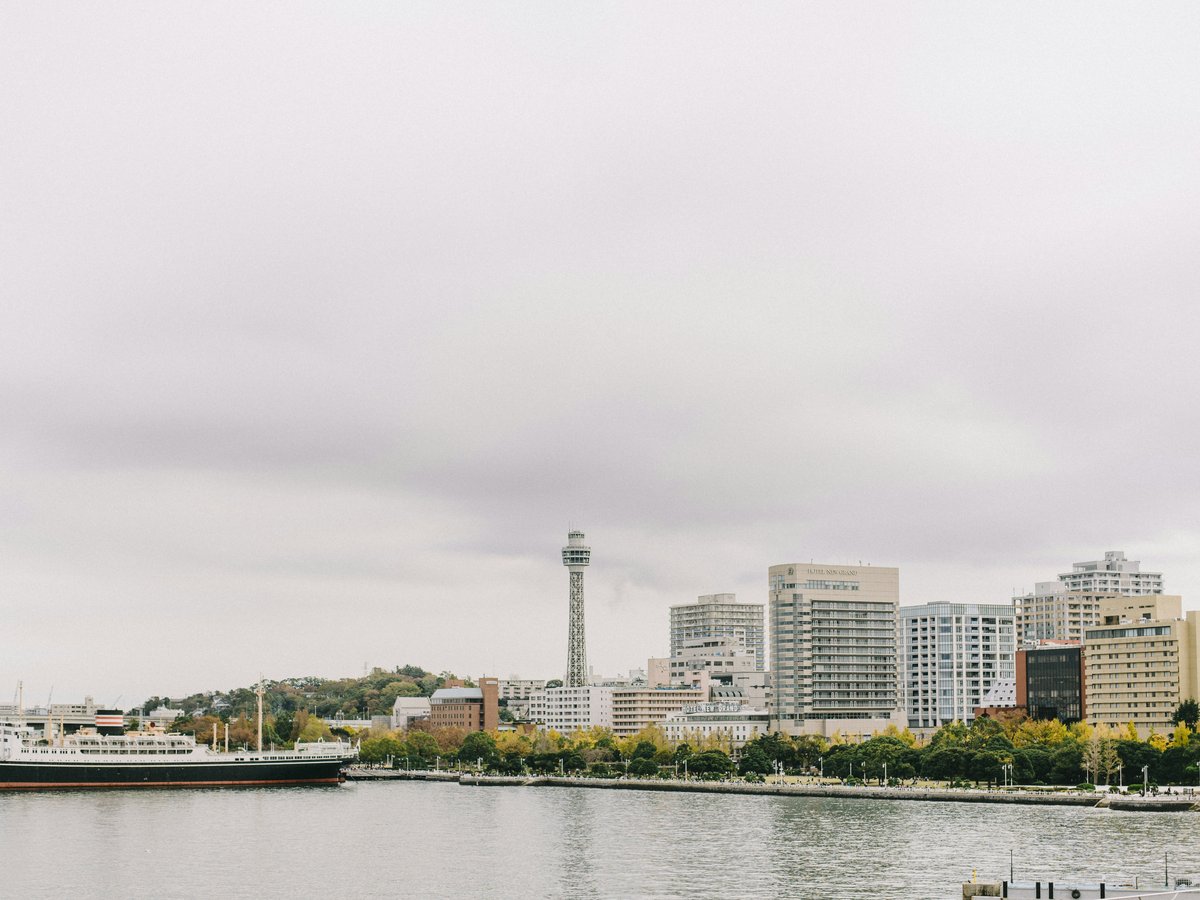
Is Yokohama good for solo travelers?
Yokohama works well for solo travellers who want Tokyo-level safety with smaller crowds. Ramen counters and the standing bars in Noge make eating alone feel unremarkable, business hotels sell true single rooms, and late trains run back to the waterfront. The weak spot is social life: there are few hostels, locals keep to themselves, and many Chinatown buffets seat pairs only.
Yokohama has a solo-safety score of 8.3/10 (see the TTDI Solo-Safety Index), and in our experience that number holds up on the street. The harbour walk between Sakuragicho Station and Yamashita Park stays lit and busy until the Minatomirai Line stops running after midnight, and if you walk it alone at 11pm on a mild October night, you mostly hear the creak of boats moored at Osanbashi Pier. The trade-off here is social, not physical. Yokohama has a fraction of the hostel beds Tokyo has, so many solo travellers sleep here and spend their evenings in Shibuya, 30 minutes away on the Tokyu Toyoko Line. Groping (chikan) on packed Tokaido and Toyoko Line trains is a real, reported problem, and JR and Tokyu run women-only carriages on weekday mornings that are worth the walk down the platform. Once the trains stop, a taxi from Kannai to Yokohama Station costs roughly ¥1,500 to ¥2,000, about $9 to $13.
Yokohama makes eating alone easy, and iekei ramen was born here. At Yoshimuraya, near the west exit of Yokohama Station, the queue moves onto a counter lined with solo diners, and you can smell the pork-bone broth, heavy with soy and chicken fat, half a block away. In Noge, the lanes behind Sakuragicho Station are packed with standing bars and eight-seat izakaya that serve yakitori and ¥500 highballs to office workers who mostly drink alone, and the grills hiss loudly enough that silence never feels awkward. The catch is in Yokohama Chinatown, where many tabehoudai (all-you-can-eat) courses need at least two diners. Pick à la carte menus instead, or eat from the steamed-bun stalls on Chukagai Odori, where a nikuman hot enough to burn your fingers costs about ¥500. Kaiseki and omakase counters in Minato Mirai hotels sometimes take bookings only for pairs, so phone ahead and ask for a single counter seat, which many will give you on a weeknight.
Meeting people here takes more effort than in Tokyo or Osaka. Our favourite option is a DeNA BayStars game at Yokohama Stadium between late March and early October, where outfield seats cost around ¥2,000 and the home fans in right field chant through all nine innings in matching blue jerseys. Small-group day tours to Kamakura, about 25 minutes south on the JR Yokosuka Line, put you with six to twelve people for the Great Buddha at Kōtoku-in and the Zen temples in the hills, and because they're priced per person there's no single supplement. Every autumn the Red Brick Warehouse hosts Oktoberfest, where the beer tables are long and shared and conversations start on their own. Language-exchange meetups in Kannai tend to draw Japanese students who want to practise English on weeknights. On a long stay, loneliness is a real risk, because Yokohama residents are polite but private. We'd look for a share house or sign up for a weekly class instead of counting on bars.
Yokohama treats solo travellers well for accommodation. Japanese business hotels sell true single rooms, and chains such as Toyoko Inn, APA and Dormy Inn around Kannai and Yokohama Station charge roughly ¥9,000 to ¥13,000 a night, about $57 to $82, with no double-occupancy penalty. Dormy Inn properties have a public bath on site, and after a humid evening near 23°C it beats any hotel lounge. Capsule hotels near Yokohama Station are cheaper, but most are men-only or have a small women's floor, so check before you book. Two areas need an honest word about nights. Fukutomicho, beside Isezakicho, is the city's red-light block, where touts work the corners and bar bills get padded. Walk through it, but don't follow anyone inside. Kotobukicho, near Ishikawacho Station, is a day-labourer district with street drinking and visible poverty. It is rarely dangerous, but we wouldn't book a budget room there on a first visit.
Composite of safety, social options, and accommodation.
Safety notes
Violent crime is rare. The real risks are smaller: hands wander on crowded morning commuter trains, so ride in the carriages reserved for women; hostess-bar staff near Kannai overcharge strangers who get steered inside; and drunk office workers around Noge after 11pm are loud but harmless. Hotels on the harbour sit in a tsunami zone, so read the evacuation map in your room.
Ways to meet people
- Join the home crowd in the BayStars outfield stands for a night of group chanting
- Book a small-group Kamakura temple day tour priced per person
- Share a long beer table at the Red Brick Warehouse autumn beer festival
- Pull up a counter seat at a Noge izakaya, where locals drink on their own and end up chatting to whoever's sitting next to them.
- Head to a weeknight language-exchange meetup in Kannai.
- If you're staying a month or more, sign a share-house lease or join a weekly class.
Solo-friendly accommodation
- Business-hotel single rooms (Toyoko Inn, APA, Dormy Inn)
- Capsule hotels with a separate women's floor
- Share houses for stays of a month or more
- Private rooms in small Kannai guesthouses
Last verified by automated review (v1.7.2) on . What is automated review?