What's happening in Yokohama this week?
Yokohama's week follows a clear pattern. On weekdays you can walk Chinatown and Minato Mirai without queues, but from late morning on Saturday and Sunday, Chinatown, the Red Brick Warehouse and Kamakura all fill up. Spend weekends in Yamate and Noge instead, and save Kamakura for a Tuesday or Wednesday morning, when you'll share the Great Buddha mostly with school groups.
The gap between a Wednesday visit and a Saturday one in Yokohama Chinatown is hard to overstate. Its grid of 500-plus shops runs between Ishikawacho and Motomachi-Chukagai stations, and at noon on a Wednesday you can still walk Chukagai-odori at your own pace, steam and star anise drifting off the pork bun carts. By 12:30 on Saturday the same street moves in single file, and the queues outside the soup dumpling counters tend to run 30 minutes or more. Weekday lunch sets mostly cost ¥1,000 to ¥1,500, roughly $6 to $10 at 158 yen to the dollar, and they are the best value in the district, though some restaurants appear to drop them on weekends. Kanteibyo temple is best after dark, its gold and red roofline lit after 6pm, and it stays calm even on a Saturday. The Red Brick Warehouse plaza in Minato Mirai hosts a themed food or craft fair most weekends, which makes Thursday the smarter visit: the shops are open and the plaza is quiet.
Before you plan a single day, check the closing schedules. On Mondays the Nippon Maru sailing ship, the Yokohama Port Museum beside it and the Yokohama Archives of History all close. The Cup Noodles Museum in Minato Mirai closes on Tuesdays. The Yokohama Museum of Art closes on Thursdays, which catches out a lot of first-time visitors. When a Monday falls on a public holiday, most of these places open that day and close on the Tuesday instead. Sankei-en garden in Honmoku opens daily, so it's the safe choice for a Monday, and the three-storied pagoda and old farmhouses are worth the 10-minute bus ride from Negishi Station. The free Western-style houses on the Yamate Bluff close on the second Wednesday of each month. The rest of the week, they and Motomachi shopping street below make the easiest weekend escape from the Chinatown crowds.
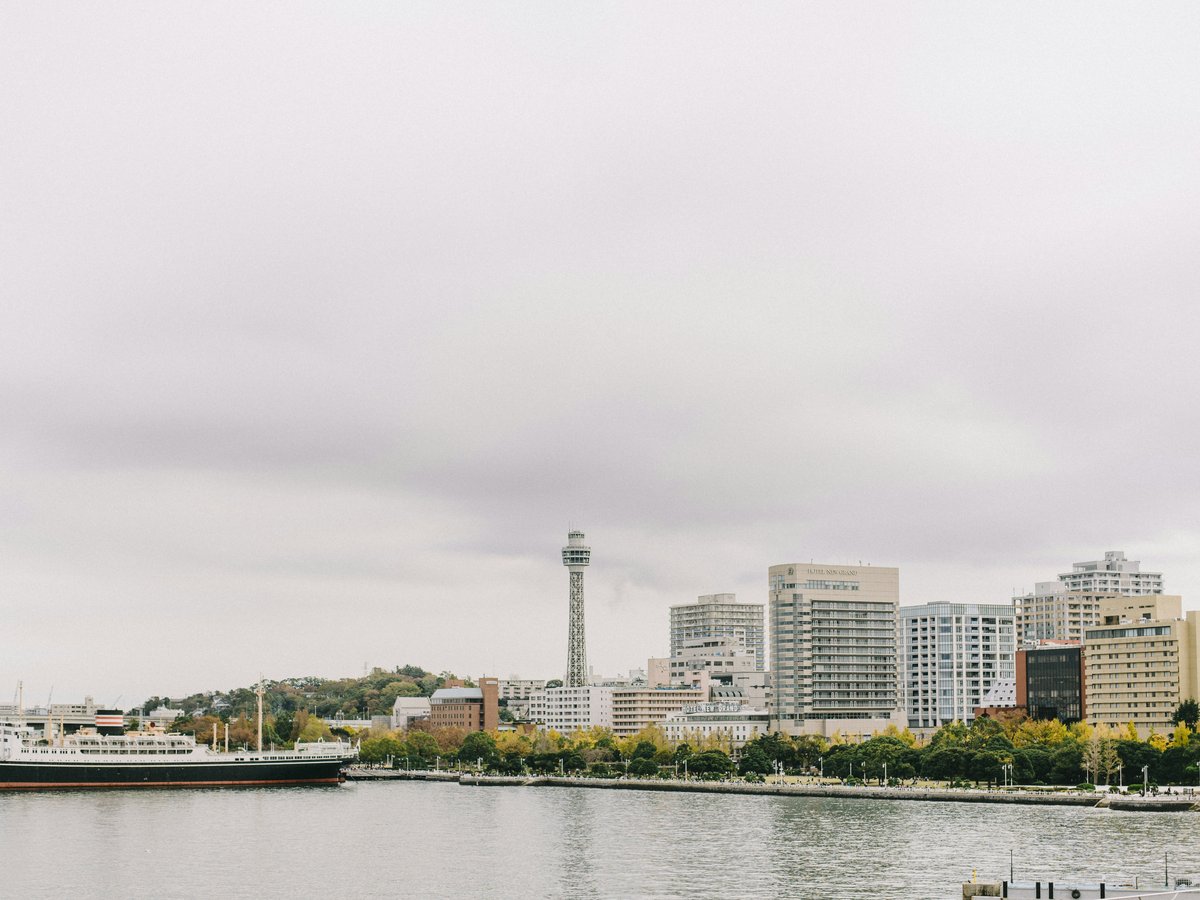
The wind off Tokyo Bay hits the open wooden deck of Osanbashi Pier with a real edge after dark, so bring a light layer and a packable rain shell for any evening on the Yokohama waterfront; the pier is free and open around the clock. On weeknights from about 5pm, the Noge district by Sakuragicho Station fills with office workers at the standing bars, the air carrying yakitori smoke and the clatter of beer mugs, and Friday is the loudest night of the week, with seats in the smaller Noge bars gone by 7pm. If jet lag has you awake at 6am, Yamashita Park is quiet at that hour: gulls, joggers, and the hull of the Hikawa Maru, the 1930 ocean liner moored there.
Kamakura is the day trip that matters, and timing it right decides whether you enjoy it. The JR Yokosuka Line runs from Yokohama Station to Kamakura in about 25 minutes for under ¥400 on an IC card. Go on a weekday and be at Kotoku-in when the gates open at 8am, before tour buses crowd the Great Buddha; on weekends, Komachi-dori shopping street turns into a shoulder-to-shoulder queue by 11am. Tsurugaoka Hachimangu shrine is a 10-minute walk from Kamakura Station, and if you want quiet Zen temples, get off one stop early at Kita-Kamakura for Engaku-ji. Yokohama itself scores 8.3/10 for solo-traveler safety (see the TTDI Solo-Safety Index), and the last trains back from Kamakura leave after 11pm.
No verified events are listed for this week. We publish only events we can confirm against an official source, never guesses.
Last verified by automated review (v1.7.2) on . What is automated review?