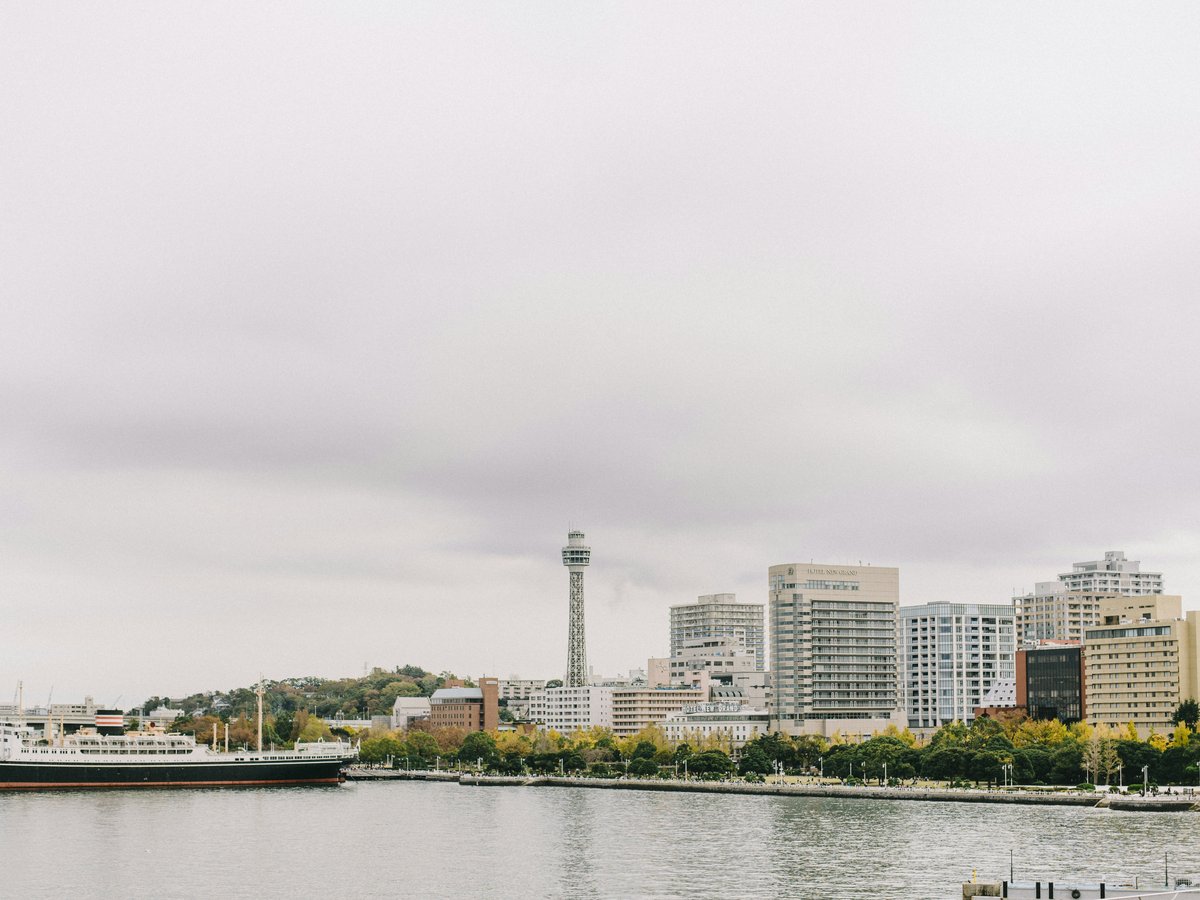
Yokohama opened as a treaty port in 1859, and that history still shapes how the city shops. Foreign traders settled on the Bluff and in the Kannai area, so Motomachi grew into a street selling them Western goods, which is why Yokohama became known for leather bags, shoes and bakeries. Yokohama Chinatown grew up next door and is now one of the largest Chinatowns in Asia, with hundreds of shops and restaurants inside its gates. Silk was a major export through the port, and printed silk scarves are still made here. The Yokohama Archives of History, founded in 1981, covers the port's trading years if you want the background before you shop. Most locals do their everyday shopping around Yokohama Station, where department stores and station buildings sit on top of each other, while visitors tend to head to Minato Mirai and the Red Brick Warehouse. On overcast late-September days like today, with the city at about 23°C and 90% humidity, the underground malls at Yokohama Station are the dry option.
Shopping districts
-
Yokohama Station (West and East Exits)
mixedThis is where Yokohama residents shop day to day. The West Exit has Takashimaya and the Joinus underground mall, and the East Exit has Sogo, Porta underground mall and Lumine. The station building NEWoMan and CIAL add fashion and food floors above the platforms. The department store basements (depachika) sell Kanagawa sweets, bento and gift boxes, and around 6 pm the prepared food there often gets marked down. Expect crowds and plenty of commuter noise on weekday evenings.
Best for: Department store food halls, gift boxes, everyday fashion and rainy-day shopping underground
-
Minato Mirai 21
mid-range to upscaleThis is the waterfront business district, built from the 1980s onward on reclaimed dock land. Landmark Plaza sits at the base of the Yokohama Landmark Tower, Queen's Square connects directly to Minatomirai Station, and MARK IS Minatomirai is next to the Yokohama Museum of Art. The malls are clean and spacious, with national chains and a few upscale brands, and the harbour-facing terraces pick up a salt breeze in the evening. Families from across Kanagawa come here on weekends.
Best for: Chain fashion, outdoor and lifestyle brands, family shopping with bay views
-
Motomachi Shopping Street
upscaleMotomachi runs about 600 metres along the base of the Bluff (Yamate), close to Motomachi-Chukagai Station on the Minatomirai Line, and its character traces back to 1859 when it grew up serving foreign residents. Brick paving, a ban on heavy traffic, and the strong smell of butter from the bakeries give the street a distinct feel. Long-running local names hold their ground here: Kitamura for leather handbags, Mihama for women's shoes. Weekends bring well-dressed shoppers from across Yokohama.
Best for: Yokohama-made leather goods, shoes, jewellery and European-style bakeries
-
Yokohama Chinatown (Chukagai)
budget to mid-rangeChinatown is a grid of streets inside ornate gates, a two-minute walk from Motomachi, and the main drag fills with steamers along Chukagai Odori selling pork buns and xiaolongbao from the street. Most shops carry Chinese teas, dried goods, spices, cookware and cheap trinkets, and the air smells of star anise and roasting chestnuts. Parts of it feel touristy. The side lanes are where Yokohama residents go for oolong, dried shiitake and Shaoxing wine.
Best for: Chinese tea, cooking ingredients, kitchenware and street snacks
-
Yokohama Red Brick Warehouse (Aka-renga Soko)
mid-rangeThese two customs warehouses date from the early 1900s and now hold shops and restaurants. Building No. 2 has most of the retail, with small boutiques selling Yokohama-themed goods, homeware, jewellery and design gifts, while the plaza between the buildings hosts seasonal event markets, which are covered in the market list below. Prices are a bit higher than in the station malls because you're paying for the setting.
Best for: Design-led gifts, Yokohama-branded souvenirs and waterfront browsing
-
Isezakicho Mall
budgetIsezakicho was Yokohama's main entertainment street before the war, and today the pedestrian mall between Kannai and Hinodecho Stations is a working-class shopping strip with older bookshops, discount stores, drugstores and pachinko parlours. Further south, near Chojamachi, Thai, Korean and Chinese grocers serve the city's immigrant communities. Rough around the edges and much cheaper than Motomachi.
Best for: Drugstore cosmetics, discount goods and international groceries
-
Rokkakubashi Shopping Street
budgetThis covered shotengai near Hakuraku Station on the Tokyu Toyoko Line, in Kanagawa Ward, is a Showa-era arcade of greengrocers, fishmongers, tofu makers and small cafes that gets almost no tourists. On summer evenings local groups have run a night market here (yoichi), so check the date before you go.
Best for: Neighbourhood food shopping and a look at everyday Yokohama life
Markets
-
Yokohama Central Wholesale Market (Honjo)
foodThe city's main wholesale market for fish and produce sits in Kanagawa Ward near the water, and it exists primarily to serve restaurant buyers. On certain Saturdays, though, it opens to the public, with stalls selling fresh tuna, shellfish and kitchen tools at prices close to what the trade pays. Come dressed for it: the floor is wet, the air is cold, and the ice machines run constantly.
Public open days fall on selected Saturday mornings, so check the market's official calendar before making the trip.
-
Red Brick Warehouse event markets
seasonal and artisanThe plaza between the two warehouses runs a rotating calendar of events: an Oktoberfest with German beer stalls in spring and autumn, a Christmas Market in December with a large tree, wooden stalls, mulled wine and imported ornaments, and craft and food fairs on the weekends in between.
Seasonal, with the Christmas Market usually running from late November to 25 December.
-
Motomachi Charming Sale
street saleFor a few days at a stretch, the shops along Motomachi move their merchandise out onto the pavement and cut prices on bags, shoes and clothing, the whole street working like an open-air market. Locals know to arrive early if they want the leather goods.
Held twice a year, usually in February and September.
-
Chinatown food stalls
food and nightChinatown has no formal market structure, but come evening it functions like one, with dozens of shopfront counters selling steamed buns, sesame balls, candied fruit and roasted chestnuts. The Kanteibyo and Masobyo temples are lit up after dark.
Daily, busiest on weekend evenings. Most counters close around 8 to 9 pm.
Souvenirs worth bringing home
Kiyoken shiumai is Yokohama's best-known edible souvenir: Kiyoken's shiumai have been sold at Yokohama Station for more than a century, and boxed sets are stocked at station kiosks and department store basements. Printed silk scarves reflect the port's history as Japan's main silk export hub, and you'll find them in Motomachi and at the Silk Museum shop near Osanbashi. Kitamura handbags and Mihama shoes come from Motomachi and are the leather goods Yokohama residents buy for themselves. Ariake's Harbour chestnut cakes are sold in most station gift shops, and from Chinatown, loose oolong or pu'er tea travels well and is fairly cheap. The Yokohama Curry Museum, which opened in 2001, has since closed, but Yokohama-branded boxed curry is still a common station gift. There is a large gap between Chinatown trinkets and Motomachi leather, so set your budget before you go. At 157.59 yen to the US dollar, food gifts are the best value in the city.
Practical tips
- Bargaining
- Prices in Yokohama are fixed, including in Chinatown's shops and the Motomachi boutiques, and attempting to haggle in department stores or chain shops will confuse staff. At flea stalls and seasonal markets you can politely ask for a small discount on several items together, but the city does not really bargain.
- Tax-free shopping
- Japan's 10% consumption tax is waived at participating stores for visitors spending 5,000 yen or more (before tax) in one shop on one day, and you must bring your physical passport because staff will scan it. Japan has announced a switch to a refund-at-departure system from November 2026, so check the current rules at the counter before you buy.
- Opening hours
- Department stores at Yokohama Station and the Minato Mirai malls usually open at 10 or 11 am and close around 8 or 9 pm, with restaurant floors staying open later. Motomachi boutiques tend to close earlier, often by 7 pm, and some take a weekday off. Rokkakubashi's small shops may shut in the early evening.
- Payment
- Suica and PASMO transit cards work in convenience stores, station shops and most chain stores, and major credit cards are accepted in department stores and malls. Small Chinatown food counters and market stalls still run on cash, so carry some yen.
- Getting between districts
- The Minatomirai Line runs from Yokohama Station through Minatomirai, Bashamichi and Nihon-Odori to Motomachi-Chukagai, connecting all the main shopping areas in a single day. Wikivoyage's Get around section covers the line's day passes.
- Weather and timing
- Yokohama's late-summer and early-autumn afternoons are often humid with passing showers, so start with the outdoor streets of Motomachi and Chinatown in the morning, then move to Porta, Joinus or the Minato Mirai malls later in the day. Stores lend umbrella bags at the entrance on wet days.
FAQ
Where do Yokohama locals do most of their shopping?
Mostly around Yokohama Station, in the Takashimaya, Sogo and Lumine department stores and the Porta and Joinus underground malls. For weekend browsing they head to Motomachi, and for groceries they use neighbourhood shotengai such as Rokkakubashi.
Is Yokohama Chinatown worth it for shopping or only for food?
Both, if you shop carefully. The main street is full of cheap trinkets, but the tea merchants and dried-goods shops on the side lanes sell good-quality oolong, pu'er, spices and cooking ingredients that Yokohama residents buy too.
Is Yokohama a good shopping destination for families?
Yes. Yokohama scores 8.5/10 for family friendliness (see the TTDI Family-Friendliness Index), and the Minato Mirai area earns much of that: wide walkways, baby rooms and harbour-side play space, all within walking distance of Cup Noodles Museum and Rinko Park.
What is the most typical Yokohama food souvenir?
Kiyoken shiumai, sold in boxes at Yokohama Station and in department store food halls, is what many Kanagawa residents consider the city's signature gift; the vacuum-packed versions keep well for the trip home.
Can I use a credit card everywhere in Yokohama?
Not everywhere. Department stores, malls and chain shops take major cards, and IC transit cards work broadly, but small Chinatown food stalls, market vendors and some of the older Isezakicho shops still prefer cash.
Last verified by automated review (v1.7.2) on . What is automated review?