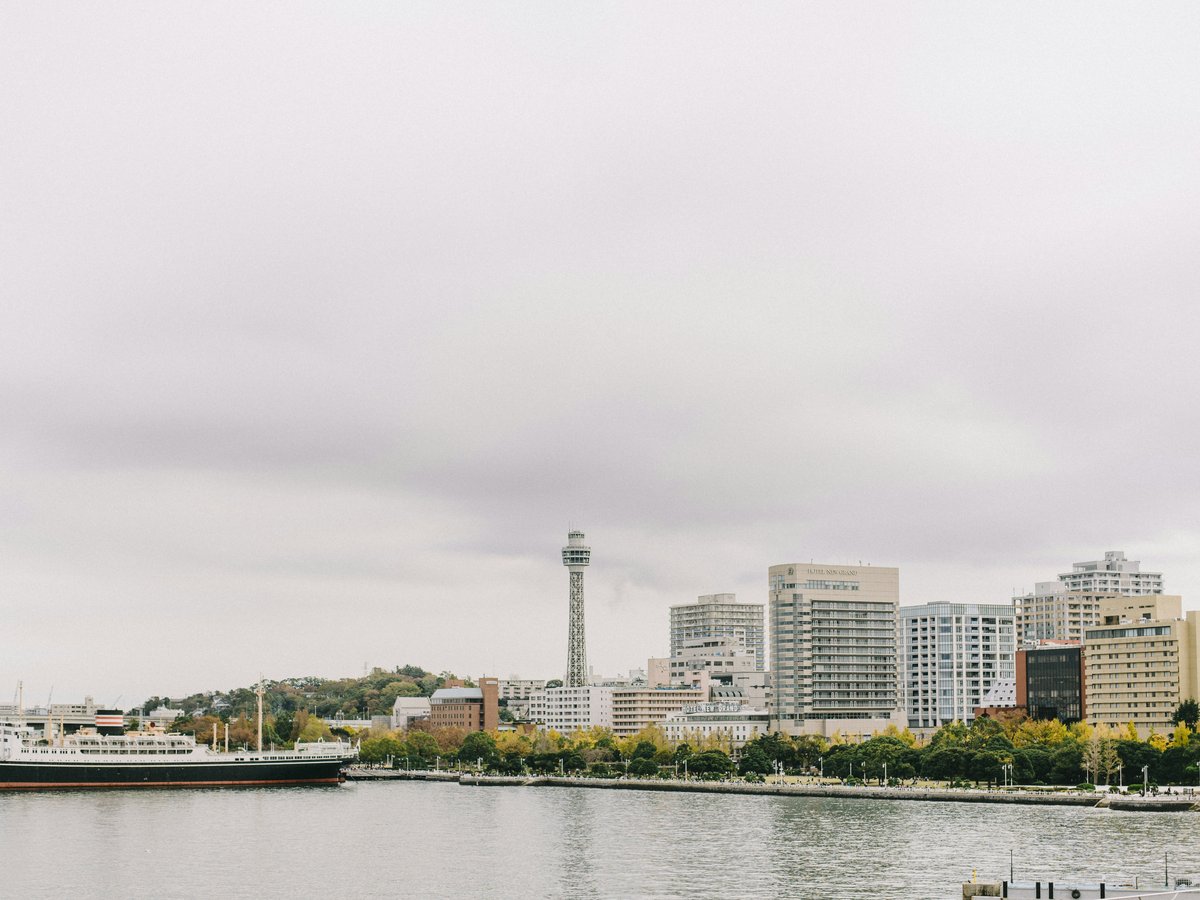
Yokohama's must-see list does not stay inside Yokohama, and it shouldn't. The city's own landmarks are young by Japanese standards: Yokohama Marine Tower dates from 1961, Sacred Heart Cathedral from 1933, and the emperor Guan temple from 1871. Go further back and you end up in Kamakura, a city in Kanagawa prefecture in its own right. That is where the long history is. Kōtoku-in dates from 1252, Kenchō-ji from 1253, Engaku-ji from 1282, and Tsurugaoka Hachimangū from 1063, and all four are designated Historic Sites of Japan. We built this list for travellers who will give one day to the harbour city and one to the temple town, and who would rather check gate times than guess them. Most Kamakura temples close in the late afternoon: Kenchō-ji at 16:30 and Engaku-ji at 16:00 in winter. Plan your mornings around that.
-
1 Kamakura
The temple city that holds four of this list's Buddhist temples
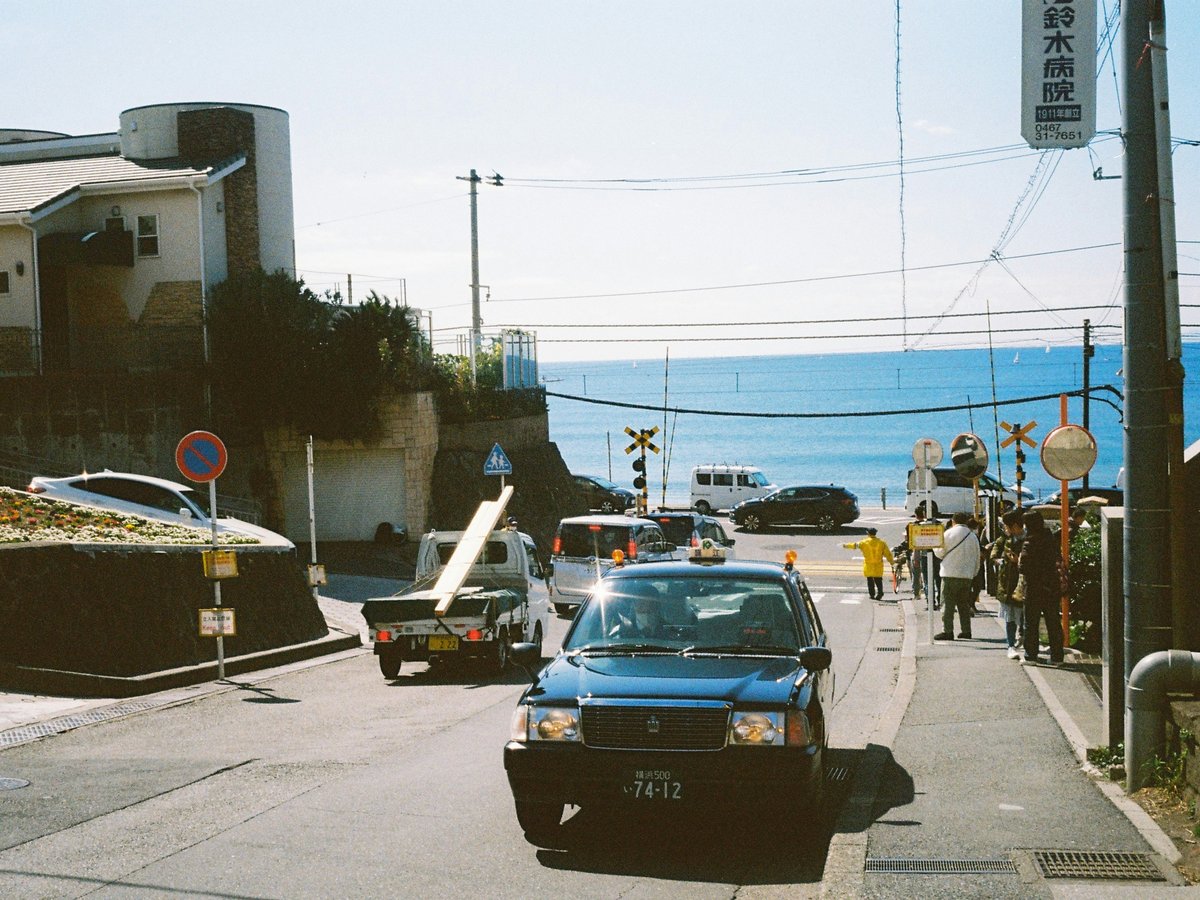
Plan Kamakura as a trip of its own rather than a Yokohama suburb: it is a separate city in Kanagawa prefecture. It appears here because Kōtoku-in, Ōfuna Kannon, Engaku-ji and Kenchō-ji are all described as Kamakura temples, so a single day there covers a third of these picks. Skip the rushed half-day loop that tries to collect every gate before lunch, choose two temples, walk between them, and leave the rest for another visit. Check the city's official website for seasonal notices before you set out, since the temple gates keep earlier hours than the harbour city does.
-
2 Kōtoku-in Temple
神奈川県鎌倉市長谷4丁目2番28号A Buddhist temple dating from 1252 and designated a Historic Site of Japan
Kōtoku-in Temple opens at 08:00 every day, closing at 17:30 from April to September and at 17:00 from October to March. This Buddhist temple in Kamakura dates from 1252 and is designated a Historic Site of Japan, which makes it the oldest Buddhist foundation on this list. Don't turn up in the last half hour before closing and expect to take it in. Give it the first hour of the morning, when you can stand still without being moved along. The temple's official website posts current notices, and it is worth checking before a holiday weekend.
Dates from 1252 · Historic Site of Japan
-
3 Yokohama Marine Tower
神奈川県横浜市中区山下町14番地1A tower dating from 1961 that is classed as a lighthouse
The address 山下町14番地1 belongs to Yokohama Marine Tower, full listing 神奈川県横浜市中区山下町14番地1. It dates from 1961, and Wikidata files it as a lighthouse, which tells you the right way to approach it: this is a working navigational marker that became a landmark, not a platform built from scratch for the view. Glass observation towers all look the same once you're up there. This one had a purpose before it had visitors, and that purpose is still on record. Opening times and tickets change, so check the official website before you go rather than trusting an old guidebook.
Dates from 1961
-
4 Mikasa
A 1900 pre-dreadnought battleship open daily
Mikasa keeps daily hours of 09:00 to 17:30, which sounds routine until you remember what you're boarding: a 1900 pre-dreadnought battleship. Ships from that era mostly survive in drawings and scale models, not as walkable hulls. Skip the glossy maritime attractions that rebuild the past in fibreglass and projection. This is the original, and its age is the point. Arrive closer to 09:00 than 17:30 so you have time to read rather than skim, and check the memorial's official website for visitor details and any closure notices before you set out.
Hours: Mo-Su 09:00-17:30
-
5 Sacred Heart Cathedral
The bishop's seat of the Roman Catholic Diocese of Yokohama
Sacred Heart Cathedral dates from 1933 and serves as the bishop's seat for the Roman Catholic Diocese of Yokohama, which gives it a weight no decorative church can claim. It is the working centre of a diocese, not a backdrop for photographs. Skip the rental wedding chapels that borrow cathedral styling. This is the real see, and it asks for the manners of a real church: speak quietly, keep cameras down during services, and treat the visit as a look at Catholic life in a Japanese port city rather than a sightseeing stop. A weekday morning is when you'll find the nave largely to yourself.
Dates from 1933
-
6 Tsurugaoka Hachimangū
神奈川県鎌倉市雪ノ下2丁目1−31A Shinto shrine dating from 1063, a Historic Site of Japan, open from 06:00
Tsurugaoka Hachimangū dates to 1063 and is designated a Historic Site of Japan, making it one of the oldest Shinto shrines in Kanagawa Prefecture. The hours run 06:00 to 20:00 every day, longer than anything else on this list, and locals have learned what to make of that window. Skip the midday crowds and come at 06:00, or in the hour before 20:00, when the precinct feels more like a place of worship than a stop on a schedule. Early light gives you the approach nearly to yourself. Bow at the gate, rinse your hands, and take your time.
Dates from 1063 · Historic Site of Japan
Hours: Mo-Su 06:00-20:00
-
7 Ōfuna Kannon Temple
神奈川県鎌倉市岡本1丁目5番3号A modern Buddhist temple in Kamakura dating from 1981
The address 岡本1丁目5番3号 leads you to Ōfuna Kannon Temple, listed in full as 神奈川県鎌倉市岡本1丁目5番3号, a Buddhist temple in Kamakura dating from 1981 and the youngest Kamakura temple on this list by centuries. Don't come looking for weathered timber or medieval stonework. This is a modern place of worship, and it's worth meeting it on those terms, fitting better as a stop on the way into or out of Kamakura than as a day's centrepiece. Check the official website for visiting hours before you go.
Dates from 1981
-
8 Engaku-ji Temple
神奈川県鎌倉市山ノ内409A Zen temple dating from 1282 and designated a Historic Site of Japan
Engaku-ji Temple is a Zen Buddhist temple in Kamakura dating from 1282 and designated a Historic Site of Japan. The gates open at 08:30 all year, closing at 16:30 from March to November or at 16:00 from December to February, so arriving at 16:15 expecting to cover the precinct properly is a mistake worth avoiding. Come in the morning, follow the paths uphill without a fixed plan, and let the quiet settle around you. A Zen precinct rewards slow walking, and slow walking takes time. The official website lists seasonal changes.
Dates from 1282 · Historic Site of Japan
-
9 Kenchō-ji Temple
神奈川県鎌倉市山ノ内8A temple dating from 1253, a Historic Site of Japan
Gates at Kenchō-ji Temple open at 08:30 and close at 16:30 every day of the year. The temple is in Kamakura, dates from 1253, and is designated a Historic Site of Japan. Locals will tell you to give it a full morning rather than an afternoon dash between photo stops, and we'd agree: the grounds deserve that kind of attention, and the fixed closing time leaves no room to recover if you arrive late in the day. Pair it with one other Kamakura temple, no more, and eat once you are done. The official website carries any closure notices.
Dates from 1253 · Historic Site of Japan
Hours: Mo-Su 08:30-16:30
-
10 Yokohama Ma Zhu Miao
A Mazu temple in Yokohama dating from 2006
Among Yokohama's places of worship, Yokohama Ma Zhu Miao is a temple to Mazu that dates from 2006, making it the newest site on this list; it appears here for that reason, not in spite of it. A temple this young shows that devotion in this city is still being built, not simply preserved. Don't judge it by age the way you would a Kamakura temple; judge it by whether people come to pray, and watch quietly if they do. The official website explains the temple and its observances, and reading it before your visit will sharpen what you see.
Dates from 2006
-
11 Yokohama Kuan Ti Miao
A temple to Emperor Guan in Yokohama dating from 1871
The deity honoured at Yokohama Kuan Ti Miao is Emperor Guan, and this temple to him stands in Yokohama. It dates from 1871, more than a century before the city's Mazu temple was founded in 2006, and the two together tell a longer story than either does on its own. Skip the souvenir-shop browsing that consumes most visits to this kind of temple. Step inside, watch how worshippers move through the hall, and follow their lead if you want to make an offering. The official website covers etiquette and festival dates, which are the best reason to time a return.
Dates from 1871
-
12 Iseyama Koutai-jingu
神奈川県横浜市西区宮崎町64番地A Shinto shrine in Kanagawa Prefecture
Of the two Shinto shrines on this list, Iseyama Koutai-jingu is the one to choose when you'd rather not lose a day travelling. It sits in Kanagawa Prefecture and gives you the full rhythm of a shrine visit without the Kamakura crowds. We'd skip the photo-first approach that treats every torii as a backdrop. Rinse your hands, bow, make your offering, and then look around. Slow down here and you'll absorb the etiquette that a busier shrine will rush you past. Check the shrine's official website for current hours and festival dates before you head over.
Last verified by automated review (v1.7.2_close1018-1015-5046-20261018073808) on . What is automated review?