Is Yokohama safe?
Yokohama scores 8.3 out of 10 for solo-traveller safety (see the TTDI Solo-Safety Index), and violent crime against visitors is rare. The risks worth knowing are hostess-bar touts around Fukutomicho, groping on packed rush-hour trains, and the seasonal hazards of earthquakes or September typhoons. Dial 110 for police, 119 for an ambulance or fire.
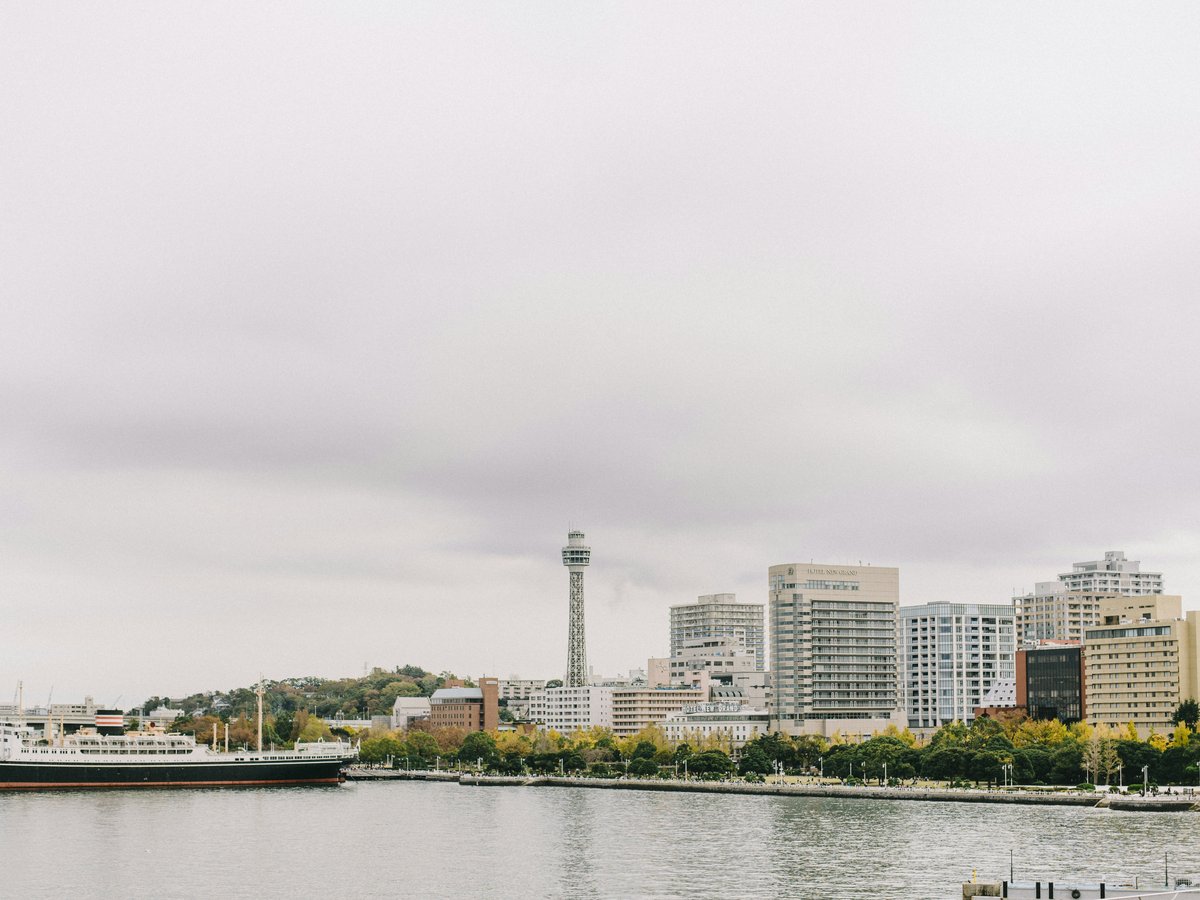
Minato Mirai 21 is where we'd send a nervous first-nighter: the Kishamichi Promenade, the Red Brick Warehouse, and Osanbashi Pier all stay lit late, and at 10pm on a Tuesday you'll mostly hear joggers, the creak of the pier's wooden deck, and ship horns from across the bay at Daikoku Pier. Yamashita Park carries the waterfront walk on toward Marine Tower, and we'd walk that 2 km route alone at night without a second thought. Yokohama Chinatown empties faster than visitors expect: by half past nine most of Chukagai's roughly 500 shops have pulled their shutters, and the steam from the last nikuman carts on Chukagai Odori is gone.
For eating alone, Noge beats every other district in the city. The lanes west of Sakuragicho Station pack a few hundred counter bars and yakitori stands into about six blocks, the charcoal smoke clings to your jacket, and no counter in Noge asks for a reservation for two. Expect an otoshi cover charge of ¥300 to ¥500 per seat, which is standard in Kanagawa izakaya and not a scam. The real overcharge trap sits a 10-minute walk away in Kannai: touts on Isezakicho Mall and in the Fukutomicho grid, the city's soapland district, pitch girls' bars after 11pm, and bills of ¥30,000 or more for two drinks are the pattern the Kanagawa Prefectural Police warn about. Walk past any street approach in Fukutomicho, however polite it sounds.
Kotobuki-cho, a few blocks north of Ishikawacho Station, is the other area readers ask about: one of Japan's three large yoseba day-labourer districts, alongside Sanya in Tokyo and Kamagasaki in Osaka. You'll see older men drinking One Cup sake on the pavement and bedding folded under the eaves. We have not come across reports of tourists targeted there, but it feels rough after dark. Its doya rooms, some from around ¥2,000 a night, also turn up on budget booking sites, so check the map pin before you book a cheap single. Motomachi and the Yamate Bluff, on the other side of the Ishikawacho tracks, are among the quietest residential streets in Kanagawa after 9pm.
Groping, called chikan, is the risk solo women raise most, and it happens on packed weekday trains, not on empty night platforms. The Tokyu Toyoko Line runs women-only cars on weekday mornings, marked by pink signs at the Yokohama Station platform. If someone gropes you, say 'Chikan desu' loudly and get station staff; it is an offence under Kanagawa's nuisance-prevention ordinance, and staffed koban police boxes sit outside Sakuragicho, Kannai and Yokohama stations. The Minatomirai Line and the Blue Line stop shortly after midnight, so a taxi from Noge back to a Kannai or Minato Mirai hotel runs about ¥1,500, roughly US$9.50 at 157.59 yen to the dollar, and Kanagawa cabs are metered without exception.
Nature is the bigger statistical risk. Yokohama sits above the Sagami Trough, the fault behind the 1923 Great Kanto Earthquake that levelled much of the port, and blue tsunami signs in Minato Mirai point toward designated evacuation buildings. Install the Japan Tourism Agency's free Safety tips app, which pushes quake and typhoon alerts in English; typhoon season runs through October. The evening we checked, 27 September 2026, the air sat at 22°C and 86% humidity under a flat grey sky that smelled of wet asphalt. Carry insurance with evacuation cover, because a typhoon that halts the Tokaido Shinkansen can cost a solo traveller two unplanned hotel nights at single-occupancy rates.
Emergency number: 110
Official travel advisories
Normal precautions the most cautious of 3 government assessments
- Government of CanadaLevel 1Take normal security precautions View advisory
- UK Foreign OfficeLevel 1No FCDO travel restriction View advisory
- US State DepartmentLevel 1Exercise Normal Precautions View advisory
Verified from the issuing governments' own feeds.
Areas to avoid
- Fukutomicho after 11pm (soapland district, girls'-bar touts)
- Isezakicho Mall side streets late at night (street touts)
- Kotobuki-cho after dark if you feel uneasy (day-labourer district, check hotel pins)
Common concerns
- Girls'-bar and hostess-bar overcharging after street approaches in Kannai
- Groping on crowded weekday rush-hour trains
- Earthquake and tsunami risk around the waterfront
- Typhoon disruption to trains in September and October
- Budget singles in Kotobuki-cho doya that surprise first-time bookers
- Last trains stopping shortly after midnight
Last verified by automated review (v1.7.2) on . What is automated review?