Can I leave the airport on a layover in Yokohama?
Yes, from Haneda, if you have at least six hours. That buys you about two hours around Yokohama Chinatown and the Yamashita Park waterfront, and from Narita you'd need nine hours or more. Many passports enter Japan visa-free, and travellers who need a visa may qualify for a shore pass, so check the rule for your own passport before you leave the terminal.
Yokohama is a Haneda layover, not a Narita one. At Haneda Terminal 3, immigration and customs take 30 to 60 minutes, and a direct Keikyu Airport Line train then reaches Yokohama Station in about 25 minutes for under 400 yen. Japanese carriers typically close international check-in 60 minutes before departure, and we still budget two hours back in the terminal because the Terminal 3 security queue can stall after 20:00. Add those up and you arrive at the floor given above. From Narita the sums don't work: the Narita Express to Yokohama runs close to 90 minutes and about 4,400 yen each way, so we would not leave Narita on a short connection. Keikyu service thins out after 23:00, and the last trains towards the airport leave Yokohama around midnight. Miss them and a taxi to Haneda will likely cost 9,000 yen or more, about 57 US dollars at 158 yen to the dollar. Leave your bags in the coin lockers on the Yokohama Station concourse, which cost roughly 400 to 700 yen. That beats dragging a roller case over the brick paving by Yamashita Park.
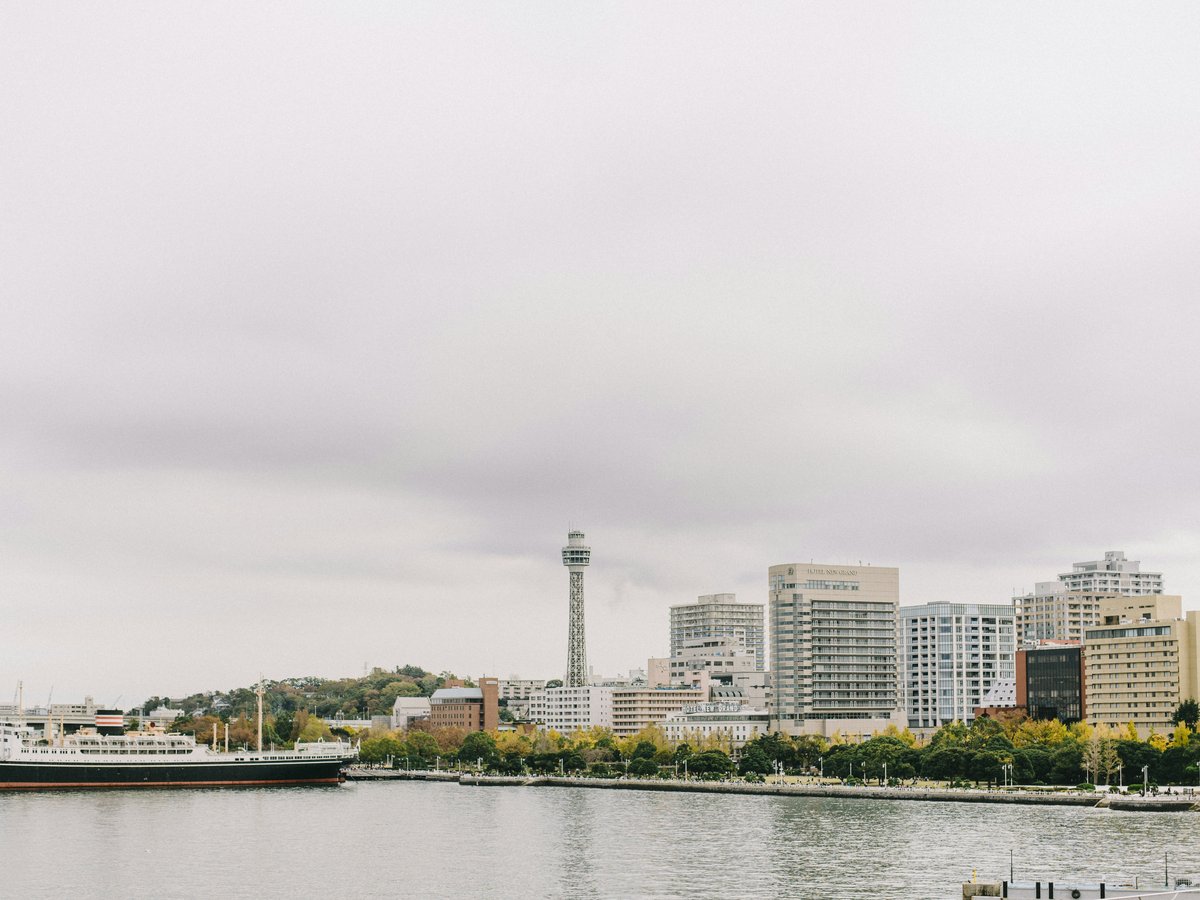
With two hours, we'd take the Minatomirai Line from Yokohama Station to Motomachi-Chukagai, an 8-minute ride, then walk into Yokohama Chinatown through the Chōyōmon gate. In October, Chukagai-odori smells of roasted amaguri chestnuts, and vendors press warm samples into your hand. Skip the 3,000-yen all-you-can-eat touts: the xiaolongbao and nikuman windows on the main street sell single pieces for 300 to 600 yen, which suits a solo eater better than the banquet houses, where set courses usually require two people. Yamashita Park is a 5-minute walk from the east end of Chinatown. The Hikawa Maru, a 1930 ocean liner, is moored there, and the bay smells of diesel and salt. Yokohama Marine Tower stands across the road, its observation deck open until about 22:00. Osanbashi Pier is 10 minutes further on, its wooden deck creaking underfoot, and on a clear night the Cosmo Clock 21 ferris wheel glows across the water in Minato Mirai. From Nihon-Odori Station you are about 35 minutes from the check-in desks.
Longer connections open two better options. Sankei-en holds Important Cultural Property status, and Bus 8 or 148 from the east exit of Yokohama Station gets you there in about 35 minutes for a 900 yen entry fee, though the gates close at 17:00, which rules it out for evening arrivals. With ten hours or more, Kamakura is the stronger choice. The JR Yokosuka Line runs from Yokohama to Kamakura in about 25 minutes, and the Enoden line adds 5 more to Hase. At Kōtoku-in, a temple whose history goes back to 1252, the bronze Great Buddha sits in the open air, streaked green and warm in the afternoon sun. Admission is 300 yen, and the temple closes between 17:00 and 17:30 depending on the season. Be honest with yourself about the trade-off: on autumn weekends the Enoden queue at Kamakura Station can add 30 minutes each way, so we would make this trip on a weekday.
Yokohama scores 8.3/10 for solo safety (see the TTDI Solo-Safety Index), and the waterfront from Chinatown to Osanbashi stays well lit past 22:00. The risks are small and specific. Fukutomicho is a grid of hostess bars one block from Kannai Station, and touts work its corners after dark, so walk along Isezakicho Mall instead. Chinatown's side lanes empty quickly once the shops shutter around 21:00. For company, the Noge alleys near Sakuragicho Station are our pick, where counter bars pack strangers shoulder to shoulder over 500-yen highballs while skewers hiss on the charcoal grills. On the evening of 19 October it was 22.9°C and mainly clear, with 79% humidity, so a light layer covers both the walk and the wind on the pier.
The layover arithmetic
- Minimum layover for a city run
- 6 hours
- Airport to center, one way
- 30 minutes
Citizens of about 70 countries and regions, including the US, UK, EU states, Canada and Australia, currently enter Japan visa-free for short stays, usually up to 90 days. If your passport needs a visa, your airline can apply for a shore pass (special landing permission for transit) of up to 72 hours. Rules depend on nationality and change, so check with Japan's Ministry of Foreign Affairs for your passport before you fly.
Stops that fit a layover
Yokohama Chinatown via Chōyōmon gate, Motomachi-Chukagai Station
45 min from the airport · Single xiaolongbao and nikuman sold from street windows let a solo traveller eat in 20 minutes without a two-person course minimum.
Yamashita Park and the Hikawa Maru
50 min from the airport · A 5-minute walk from Chinatown's east end, the park is flat, lit after dark and free, so it fits even a tight two-hour window.
Osanbashi Pier wooden deck
55 min from the airport · Free and open late, with harbour views to Minato Mirai. Nihon-Odori Station nearby is the quickest way back to the airport.
Noge alleys near Sakuragicho Station
40 min from the airport · Counter bars seat solo drinkers next to locals, and Sakuragicho is one stop from Yokohama Station, so the last Keikyu trains stay within reach.
Sankei-en garden, Honmoku
75 min from the airport · This fits a daytime connection of eight hours or more: the bus from Yokohama Station takes about 35 minutes, and the gates close at 17:00.
Kōtoku-in Great Buddha, Hase, Kamakura
90 min from the airport · This suits weekday connections of ten hours or more: the JR Yokosuka Line and Enoden take you to the door, and the temple closes by 17:30.
Last verified by automated review (v1.7.2) on . What is automated review?