Is Yokohama LGBTQ-friendly?
Yokohama scores 4.5/10 for LGBTQ+ friendliness (sourced from TTDI's editorial rubric). Same-sex couples face no legal risk here and little open hostility on the street, but Japan has no marriage equality and the city's own queer bars are few and small. Most couples base themselves in Minato Mirai and take the train up to Shinjuku Ni-chome when they want a proper night out.
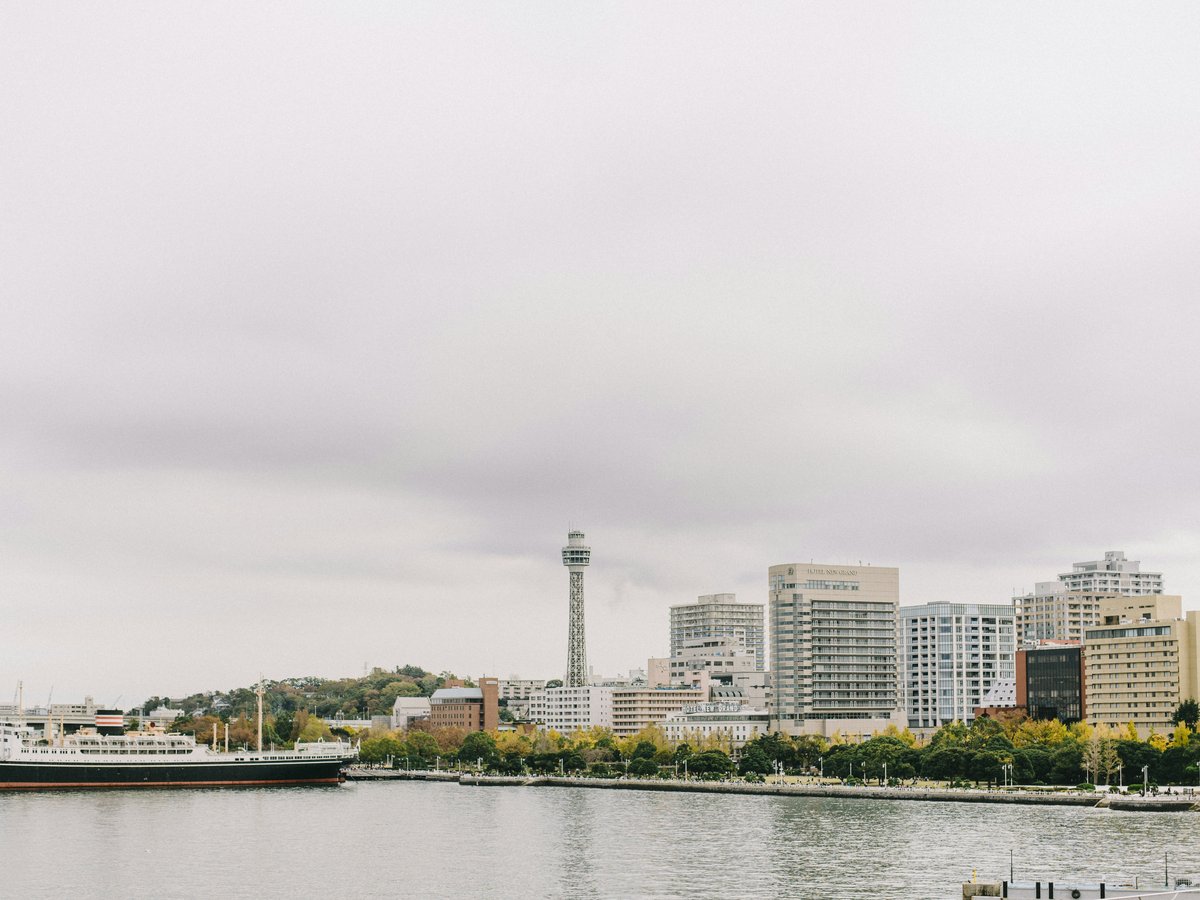
Yokohama is better suited to a date night than a night of queer bar-hopping. On a clear October evening like tonight's 22.9°C, the wooden deck of Osanbashi Pier carries the smell of salt and diesel, ferry horns drift across from the Yamashita Park side, and couples settle along those planks after 8pm, two men or two women among them drawing the same polite inattention as everyone else. Where Yokohama falls short is nightlife: a city of about 3.7 million has a handful of rainbow-flag doors, most open after 9pm around a karaoke machine and a mama-san who knows every regular by name. Walk in with some basic Japanese, or with a smile and an order for a highball at around ¥800, and the welcome warms within one drink.
For a pairing of food lover and history buff, the best queer-friendly day in Yokohama is a quiet one. The history half can spend a morning at Sankei-en in Honmoku, where the old buildings hold Important Cultural Property status and the maples around the pond usually turn red in late November. The food half belongs in Yokohama Chinatown, where pork buns run around ¥500 and steam fogs the shop windows along Chukagai Odori. Reconvene at Hotel New Grand on Yamashita Park, where the Café on the ground floor claims to have invented seafood doria and spaghetti Napolitan, which makes lunch there a natural anchor for both. Weekend queues run to 30 minutes, so go before noon.
Plan the night around the trains, not the bars. Eat early in Yokohama, reach Ni-chome by 9pm, and leave Tokyo by 11:30pm. Miss that and the fallback is a taxi down the expressway, which can easily cost more than a night in a Minato Mirai hotel. If you want to stay out late, book a room near Shinjuku for that one night and come back to Yokohama the next morning.
Composite of legal status, social acceptance, and visible scene.
Legal status
Same-sex relations are legal
Same-sex relations have been legal in Japan since 1881. Marriage is not recognized nationally, though over 200 municipalities offer partnership certificates and courts have increasingly ruled the ban unconstitutional. Tokyo's Shinjuku Ni-chome is one of Asia's largest queer districts.
Verified against equaldex.com and en.wikipedia.org .
The scene
Yokohama's own scene amounts to a handful of tiny bars around Noge and Kannai, most seating fewer than ten people, where Japanese is the working language and regulars come first. The real hub is Shinjuku Ni-chome in Tokyo, about 45 minutes away on the Toyoko Line through-service to Shinjuku-sanchome station. Tokyo Pride, now held in June, is the nearest large annual event.
Safety notes
Holding hands along Yamashita Park or Osanbashi Pier draws glances but rarely comments, since Japanese couples of any pairing keep public affection low-key, and a kiss attracts more stares than the pairing itself does. Chain hotels in Minato Mirai book doubles to two men or two women without fuss. Some love hotels still turn away male couples. The last Toyoko train back from Shinjuku-sanchome leaves around midnight, so check the timetable before you go.
Last verified by automated review (v1.7.2) on . What is automated review?