How much does Yokohama cost per day in 2026?
Budget travellers can get through a day in Yokohama on about ¥6,500 ($41), which covers a Kotobuki-cho dorm, konbini breakfasts, iekei ramen, and one rail day pass. Midrange runs about ¥17,000 ($108) with a business hotel near Kannai Station, and luxury starts at about ¥60,000 ($381) for a Minato Mirai harbour-view room. Chinatown buffets are the fastest way to blow a budget day here.
Here is how the ¥6,500 ($41) floor breaks down. A dorm bed at Yokohama Hostel Village in Kotobuki-cho costs around ¥3,000 ($19), two blocks from JR Ishikawacho Station. Kotobuki-cho is an old day-labourer district that looks scruffy but is quiet at night; Yokohama scores 8.3/10 for solo-traveler safety (see the TTDI Solo-Safety Index). Food takes ¥2,000 ($13): a ¥150 ($1) Lawson onigiri for breakfast, an iekei ramen at roughly ¥900 ($6) for lunch (iekei is the thick pork-and-soy style that Yoshimuraya started near Yokohama Station in 1974, and you can smell the bone broth half a block away), and a supermarket bento for dinner (Japanese supermarkets often mark down bento by 30 to 50 percent after 8pm). Add ¥500 ($3) for the Cup Noodles Museum in Minato Mirai and one rail day pass (the break-even maths is below), and that leaves about ¥540 ($3) for a cold 7-Eleven can on the Osanbashi Pier deck.
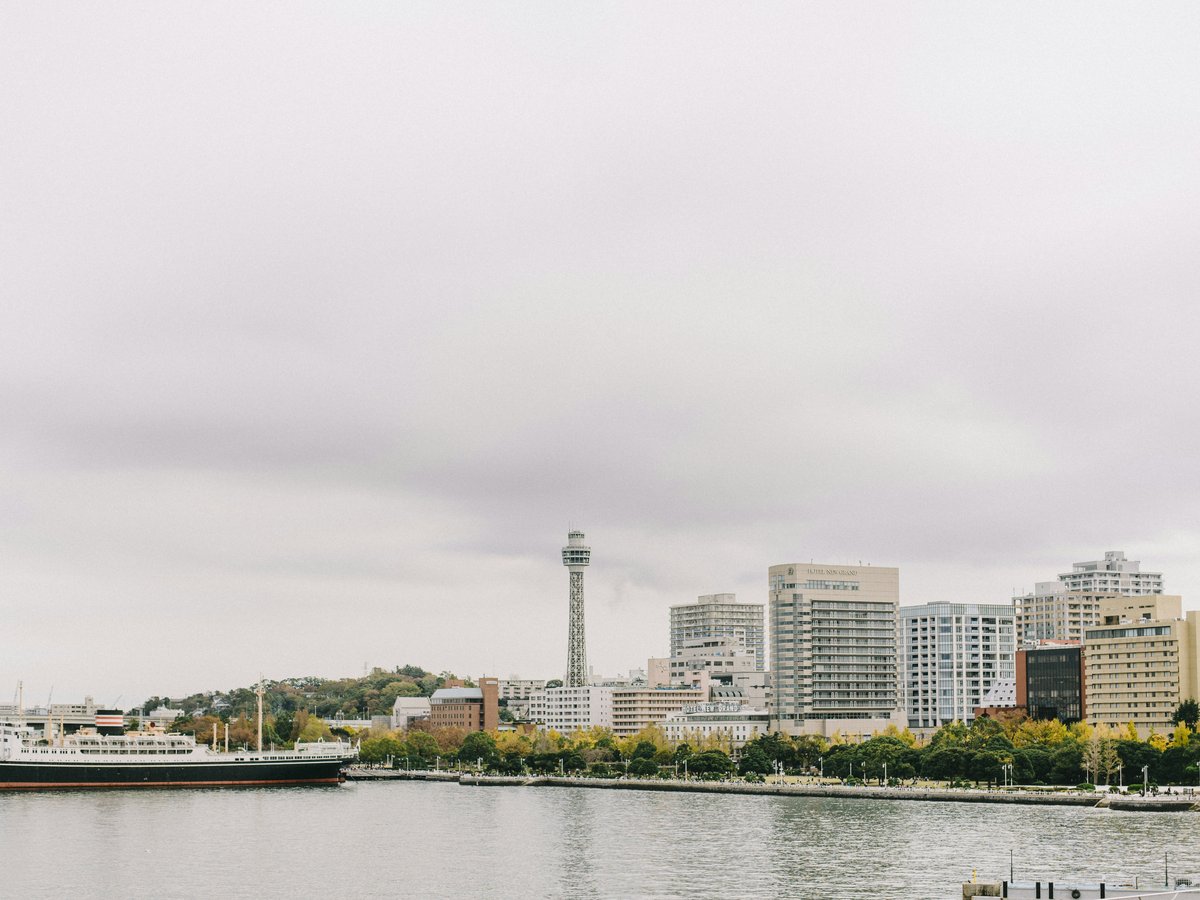
Most visitors land at about ¥17,000 ($108), with roughly ¥9,500 ($60) of that going to a business-hotel single near Kannai Station, Toyoko Inn or Dormy Inn tier. Toyoko Inn includes a free breakfast of rice, miso soup and boiled eggs. Food rises to ¥4,500 ($29): a set lunch in Motomachi and an evening in the Noge alleys by Sakuragicho with yakitori and two highballs. The counters there seat maybe eight people, and the lanes smell of charcoal smoke and wet concrete after rain. Allow ¥1,000 ($6) for trains and ¥2,000 ($13) for paid entry, covering Sankei-en, the garden opened in 1906, at around ¥900, plus the deck of Yokohama Marine Tower, a 1961 lighthouse, for roughly ¥1,000 to ¥1,200. One warning about hotels: when K-Arena Yokohama or Yokohama Arena hosts a concert weekend, rooms around Shin-Yokohama and Minato Mirai can cost twice the usual rate. Check the arena calendars before you book.
Day passes earn their price if you use them enough. The Minatomirai Line 1-day pass costs ¥460 ($3), and a single ride from Yokohama Station to Motomachi-Chukagai runs around ¥220 to ¥230, so a round trip gets you back to even and the third ride is where the savings begin. The Minato Burari ticket covers the central subway plus city buses for about ¥500 at last check, and it pays off around the third bus ride, mostly for the uphill Yamate Bluff route. We'd skip both passes. The waterfront from Minato Mirai through Yamashita Park to Chinatown is about 3km of flat promenade with harbour wind and gull noise, and walking it costs nothing. Tap a Suica or PASMO card for the rides you do take: on JR, IC fares run a few yen cheaper than paper tickets, and over a week that adds up to a free onigiri.
There is plenty to do for free here. Nogeyama Zoo, open since 1951, charges no admission, and the Osanbashi Pier rooftop is free too: its wooden deck creaks underfoot and looks back at the Minato Mirai skyline, so you get most of the paid tower view without the ticket. The Western-style houses on the Yamate Bluff are free, and so is the Sacred Heart Cathedral, built in 1933. Chinatown is where budgets die. Street xiaolongbao and pork buns cost ¥500 to ¥700 each, and the ¥3,000-plus tabehoudai buffets add drink charges and 90-minute limits. We'd buy one steaming nikuman for the smell of ginger and pork, then walk 20 minutes to Noge for dinner. Izakaya there add an otoshi, a small cover dish, at ¥300 to ¥500 per person. It is not a scam, but it is not optional either, so count it in the bill.
Luxury starts around ¥60,000 ($381). A harbour-view room at the InterContinental Yokohama Grand, the sail-shaped tower in Minato Mirai, or at Hotel New Grand, open on Yamashita Park since 1927, costs ¥40,000 or more. A course dinner and taxis cover the rest. The weather adds its own cost: on the evening of 27 September 2026 it was 22°C and overcast with 86% humidity, and it felt like 25°C. A konbini umbrella at around ¥700 is a common unplanned buy, so pack a folding one. Day trips add little. Kamakura is under ¥400 each way on JR, Kanazawa Bunko, founded as a library in 1275, sits on the Keikyu line, and the battleship Mikasa, launched in 1900, is in Yokosuka and costs about ¥600 to board.
Daily budget breakdown
Hostels, street food, and public transit. Local currency: JPY.
Comfortable hotels, sit-down meals, occasional taxis.
Upscale lodging, multi-course dinners, private transport.
Hidden costs to budget for
- Izakaya otoshi cover dish in Noge, ¥300 to ¥500 ($2 to $3) per person, added automatically
- Chinatown all-you-can-eat buffets advertised at ¥3,000 ($19) and up, with drinks charged separately and 90-minute limits
- Book near Minato Mirai or Shin-Yokohama when K-Arena Yokohama or Yokohama Arena has a concert on and hotel prices can double.
- Hostel towel rental, typically around ¥200 ($1) per stay
- Coin lockers at Yokohama Station, ¥400 to ¥700 ($3 to $4) a day
- The Yokohama Marine Tower deck runs roughly ¥1,000 to ¥1,200, and we'd skip it: the free Osanbashi Pier rooftop gives a similar harbour view.
- A last-minute konbini umbrella at around ¥700 ($4) in humid, drizzly late September
- Paper JR tickets cost a few yen more per ride than Suica or PASMO IC fares.
Last verified by automated review (v1.7.2) on . What is automated review?