What's a good 3-day itinerary for Yokohama?
Base yourself near Sakuragicho and split Yokohama into three walkable clusters: Day 1 is Minato Mirai at an easy jet-lag pace, Day 2 runs from Yamashita Park through Chinatown to the Yamate Bluff, and Day 3 is Sankeien garden in the morning and the izakaya alleys of Noge at night. Budget about 32 km, trains and buses included.
Base yourself at Sakuragicho or Minatomirai Station, and fly into Haneda if you still have the choice. From Haneda, the Keikyu Airport Line reaches Yokohama Station in about 30 minutes for under 500 yen. Narita is the harder landing: the Narita Express takes around 90 minutes and costs over 4,000 yen, and on a jet-lagged first afternoon that difference matters. Use a Suica or PASMO on every train and bus in this plan. A plastic card from the airport machines works, and so does Suica in your phone wallet. Day 1 is flat on purpose, stays under 6 km of walking, and has nothing timed before 11 AM. Late September in Yokohama is still sticky: on the evening of 27 September it was 22°C and overcast, with 86% humidity, and typhoon season runs into October, so pack a rain jacket that folds small. For money, 1,000 yen is about 6.35 US dollars at the late-September rate of 157.59 yen to the dollar.
Lunch on Day 1 deals with menu anxiety early. Yoshimuraya, a short walk from Yokohama Station, is the shop credited with starting iekei ramen in 1974, and you can smell the pork-bone and soy broth from the pavement. Buy a ticket from the machine at the door, and staff will then ask three things (noodle firmness, oil, and salt); answer 'futsu' each time, which means regular, and it is the right first order. After lunch, the Cup Noodles Museum in Minato Mirai is the best 90 minutes in the district: entry is around 500 yen, the My Cup Noodles Factory adds about 500 yen per cup, and the museum closes on Tuesdays. Skip the Sky Garden on the 69th floor of Landmark Tower on a grey day. The rooftop deck at Osanbashi Pier is free, its timber boards stay warm underfoot at dusk, and the view back at the Minato Mirai skyline is the one on the postcards.
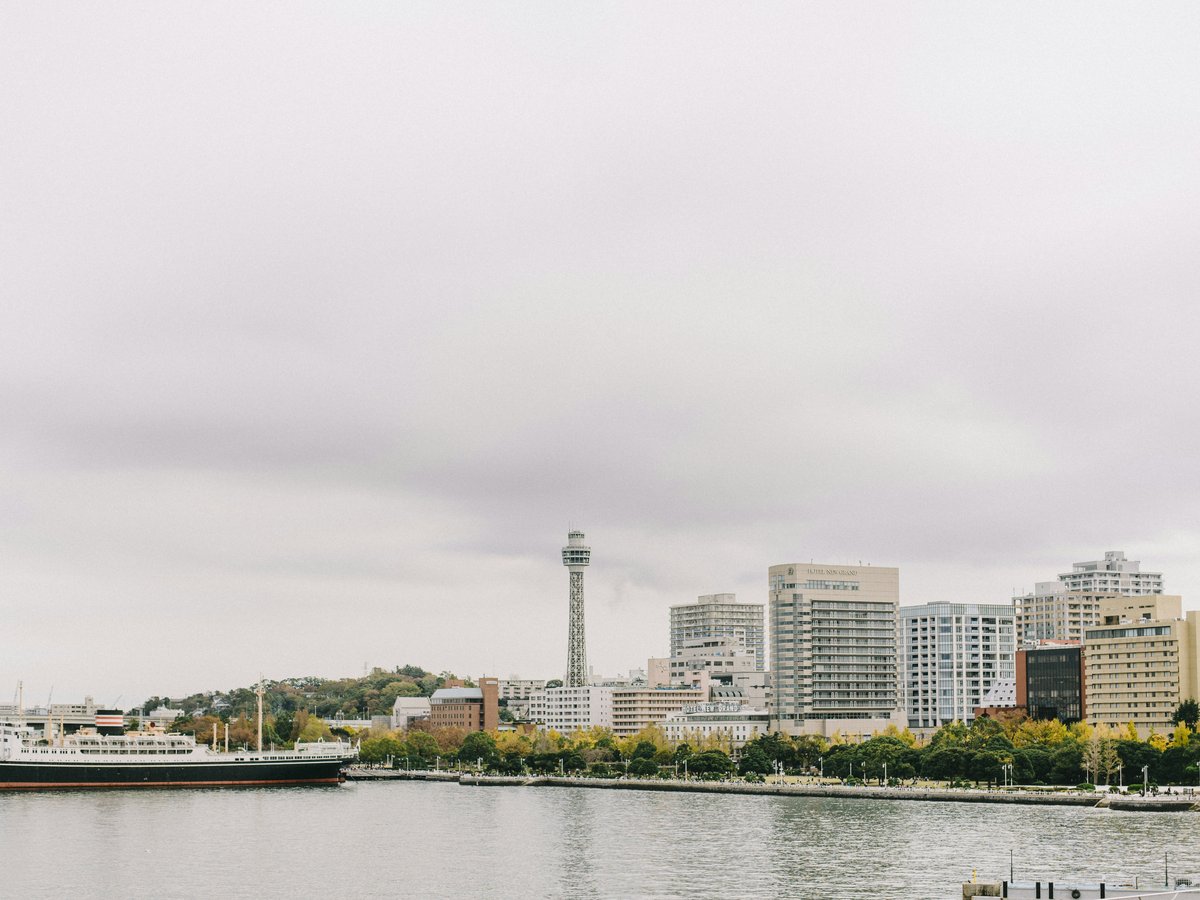
Day 2 follows the old port heading south in one line. Start at Yamashita Park, where the Hikawa Maru, a 1930 liner moored along its edge, costs about 300 yen to board and shuts on Mondays. Chinatown comes next, with more than 500 restaurants and stalls behind the painted Zenrinmon gate. We'd ignore the touts on Chukagai Odori pushing all-you-can-eat deals that serve tired food for around 3,000 yen, and get a steamed pork bun at Edosei for about 500 yen instead. With any xiaolongbao, bite a small hole first and drink the soup before eating the dumpling, because the soup comes out scalding. After lunch, climb the stairs behind Motomachi to the Yamate Bluff, where the Western houses, including Bluff 111 and the Ehrismann Residence, are free to enter, and the Foreign General Cemetery dates to 1854. End at Yokohama Marine Tower, opened in 1961, for dusk over the harbour cranes.
Day 3 leaves the waterfront for Sankeien, the garden silk merchant Hara Sankei opened to the public in 1906. Buses 8 and 148 toward Honmoku take about 35 minutes from Yokohama Station or Sakuragicho, and from the Honmoku Sankeien-mae stop it is a 10-minute walk, with entry around 900 yen. Arrive at the 9 AM opening, when the pond is still and you can hear carp breaking the surface below the three-storey pagoda brought from Kyoto. In the afternoon, Nogeyama Zoo, open since 1951, is free and sits uphill from Sakuragicho. At night, the Noge district packs several hundred bars into a few blocks, and yakitori smoke drifts over Miyakobashi, a two-storey row of tiny counters along the Ooka River built in the 1960s. If gardens bore you, Kamakura is about 25 minutes away on the JR Yokosuka Line and can replace this day.
Walking + transit across the three-day route.
Day one
-
11 AM Yokohama StationQueue at Yoshimuraya for iekei ramen, then ride the Minato Mirai Line two stops to Minatomirai Station.
-
1 PM Minato MiraiDesign your own cup at the Cup Noodles Museum, and book a factory slot at the ticket desk when you arrive, because weekend slots are often gone by midday.
-
3 PM ShinkoWalk the Kishamichi promenade, a former rail spur over the water, to the Red Brick Warehouse for coffee and shade.
-
5 PM Kannai waterfrontWatch the Minato Mirai skyline light up from the free rooftop deck of Osanbashi Pier.
-
7 PM ShinkoHave an early dinner at World Porters or the Red Brick Warehouse restaurants, then sleep by 9 PM to reset your body clock.
Day two
-
9 AM Yamashita-choWalk the seafront at Yamashita Park and pass the Girl with Red Shoes statue while the promenade is still quiet.
-
10 AM Yamashita-choBoard the Hikawa Maru and see its restored first-class dining saloon and engine room.
-
11.30 AM Chinatown (Chukagai)Have lunch in Chinatown: dim sum at Heichinro, trading since 1884, or pork buns eaten standing on Chukagai Odori.
-
1.30 PM MotomachiWalk Motomachi shopping street, then climb to Harbor View Park for the rose beds and the view across the Bay Bridge.
-
2.30 PM YamateThe Western residences along the Yamate Bluff are free to visit; walk the edge of the Foreign General Cemetery while you're there.
-
5 PM Yamashita-choRide up Yokohama Marine Tower for sunset over the container port.
-
7 PM Yamashita-choOrder spaghetti Napolitan at The Cafe in Hotel New Grand, the 1927 hotel whose kitchen claims the dish.
Day three
-
8.30 AM SakuragichoTake bus 8 or 148 toward Honmoku and get off at Honmoku Sankeien-mae.
-
9 AM HonmokuWalk through Sankeien's outer garden to the pagoda first, then into the inner garden for the Rinshunkaku villa, before tour groups arrive around 11 AM.
-
12.30 PM KannaiRide the bus back north and stop for lunch in Kannai, near the Yokohama Stadium ballpark.
-
2 PM NogeyamaWalk uphill to Nogeyama Zoo for red pandas and harbour glimpses. It closes on Mondays.
-
5 PM NogeStart a Noge bar crawl at the counters of Miyakobashi, and carry cash: many seat only six people and take no cards.
Last verified by automated review (v1.7.2) on . What is automated review?