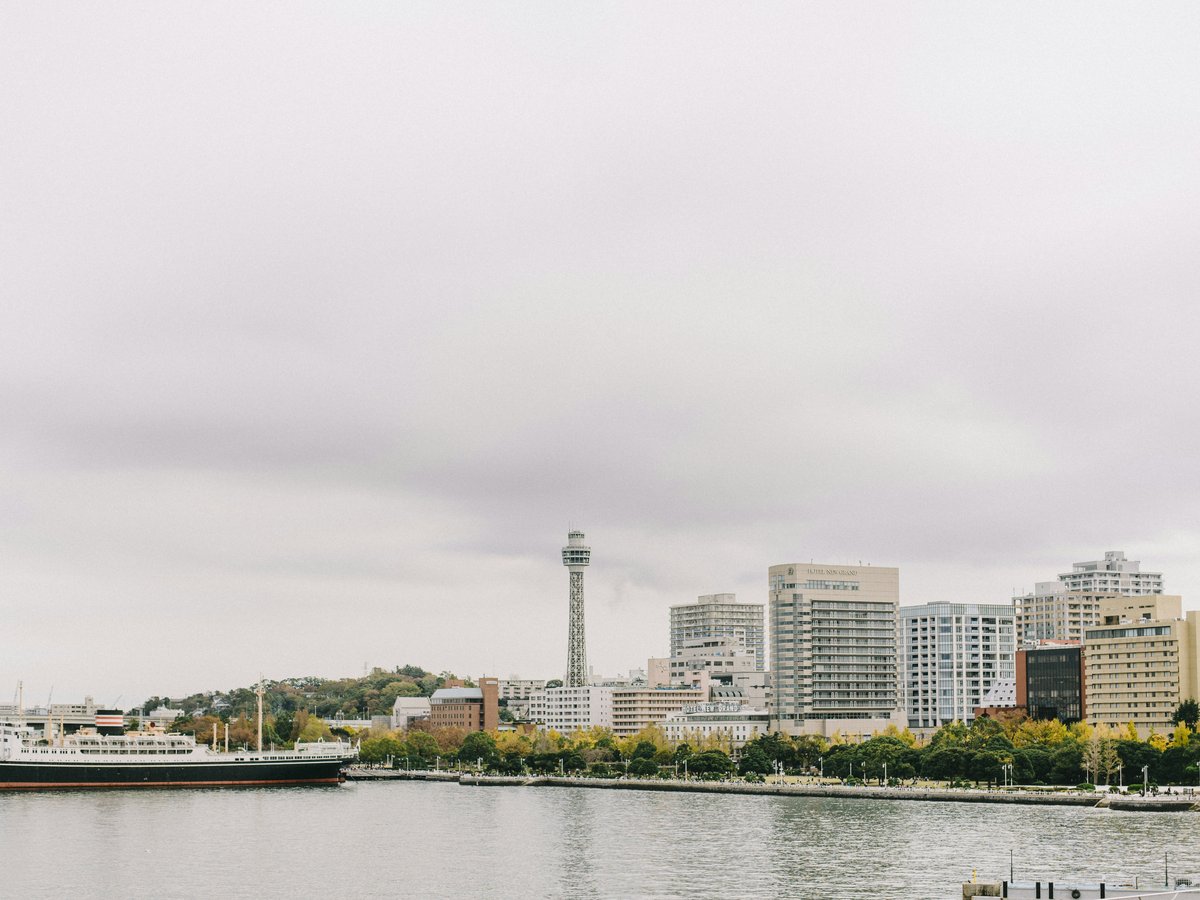
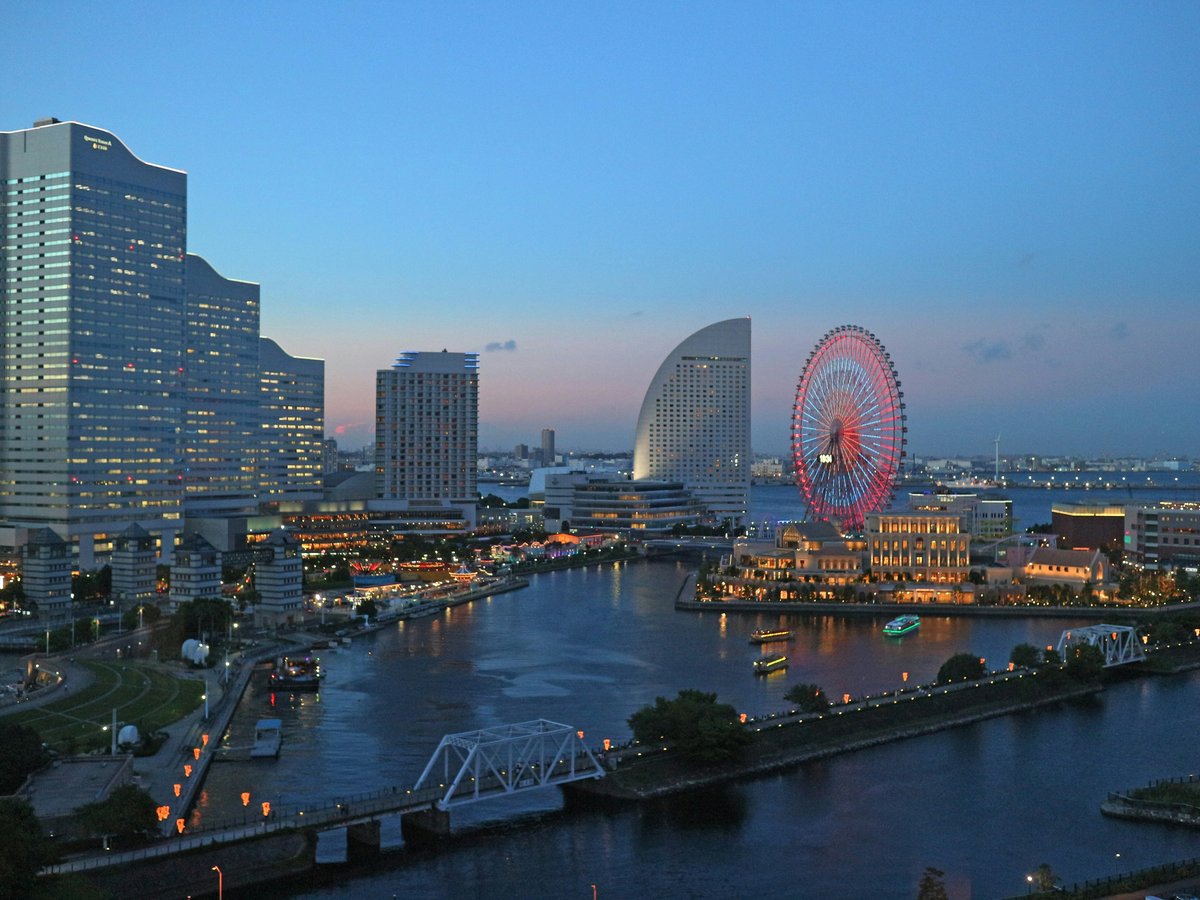
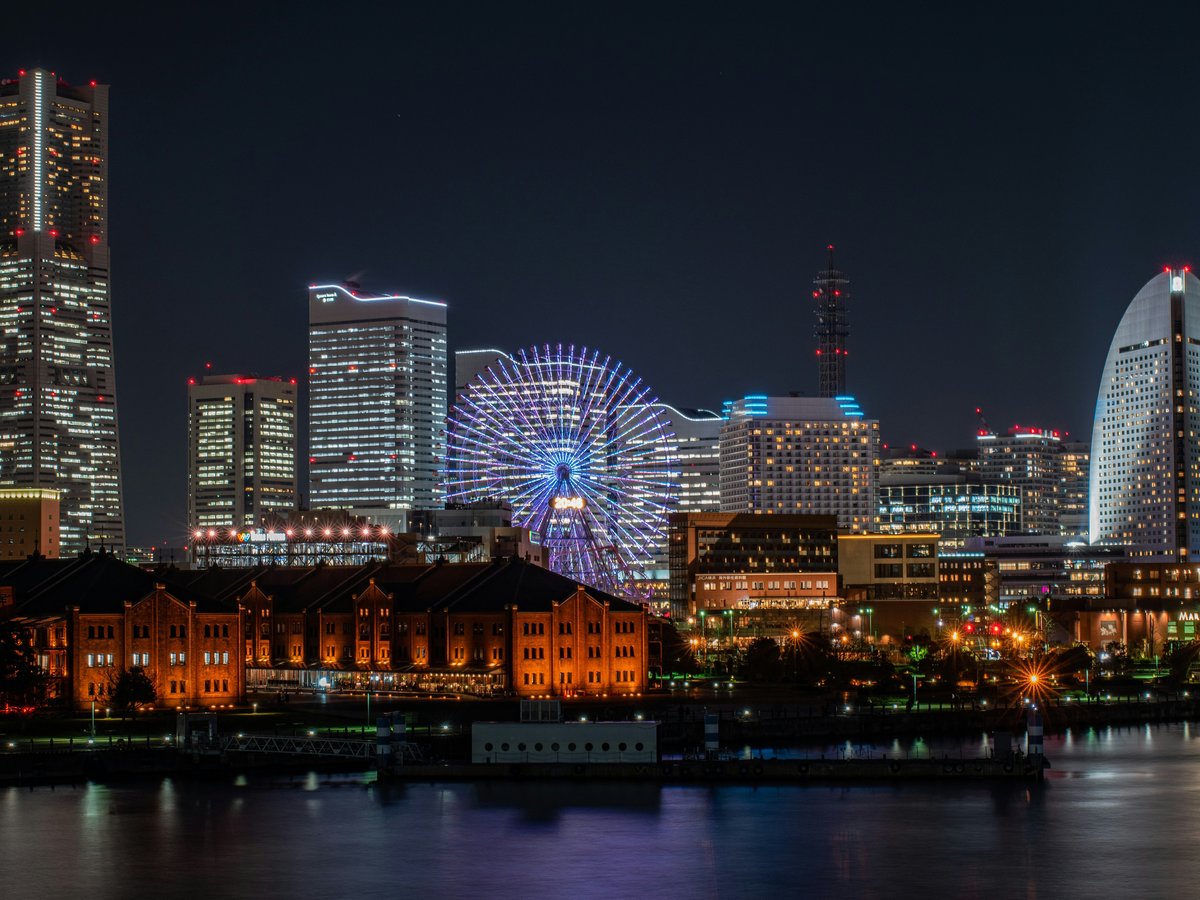
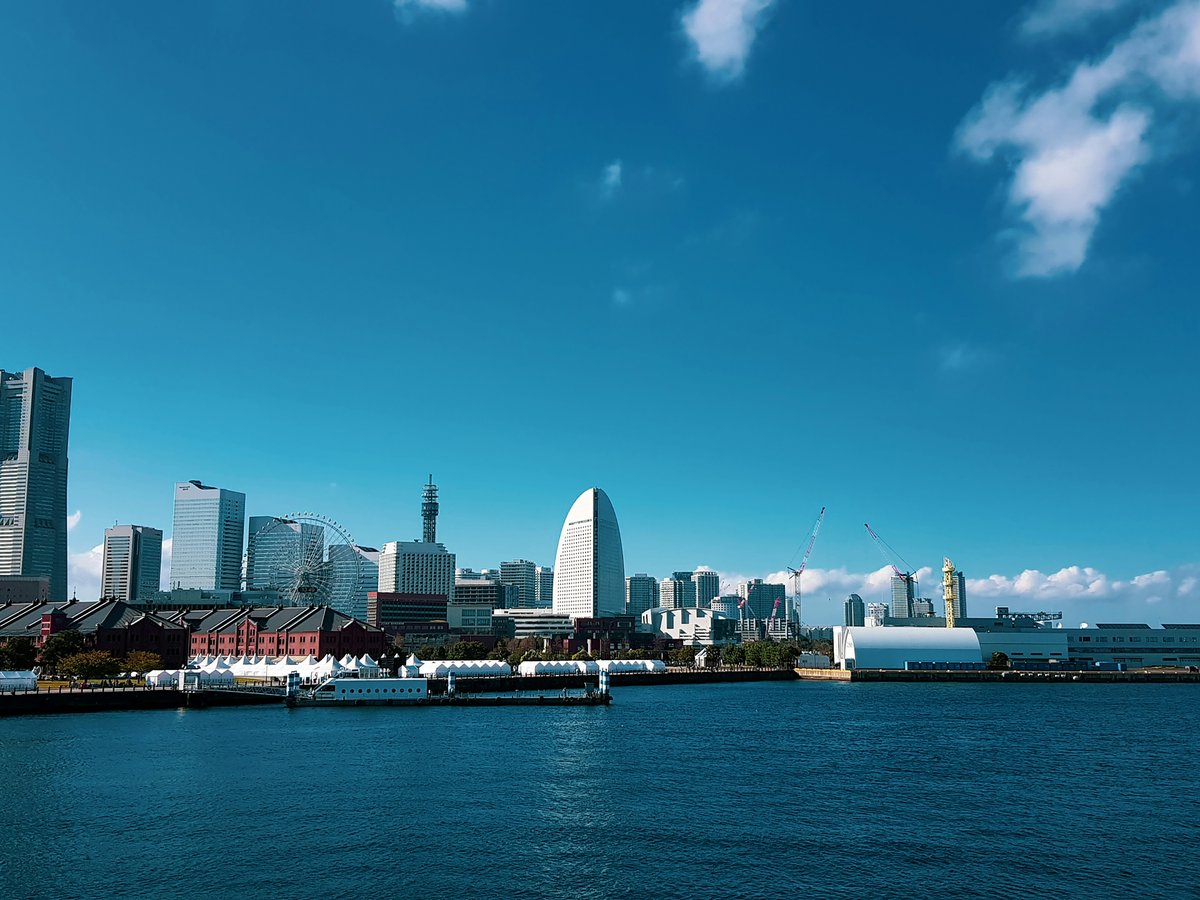
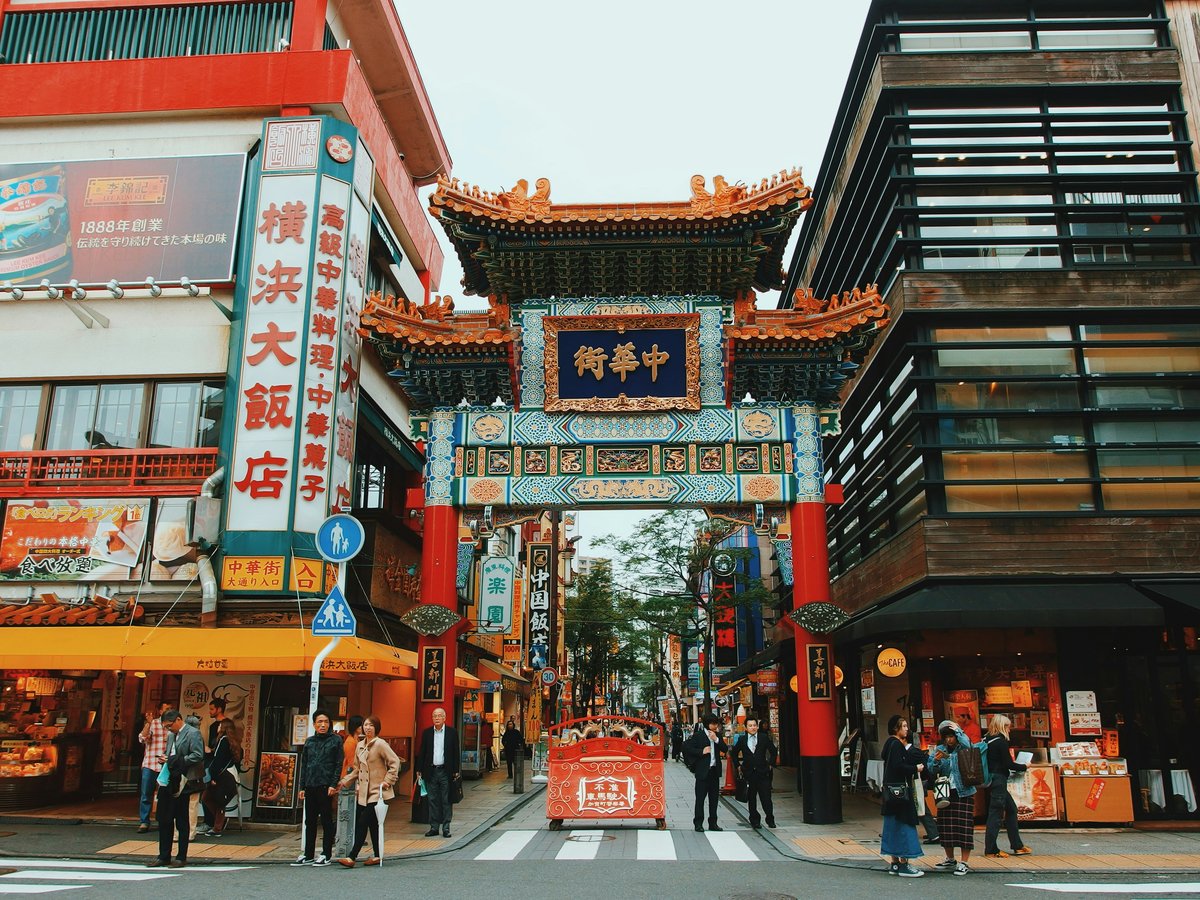
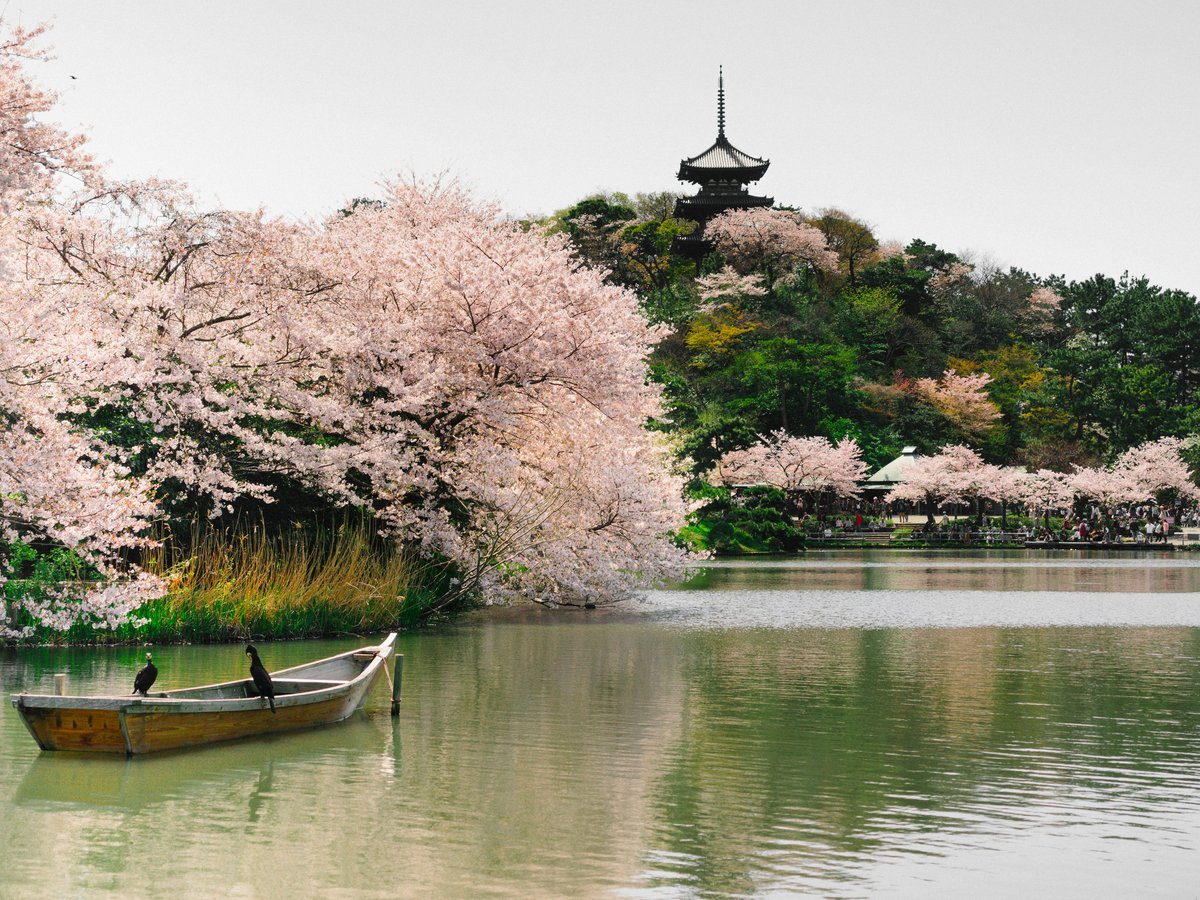
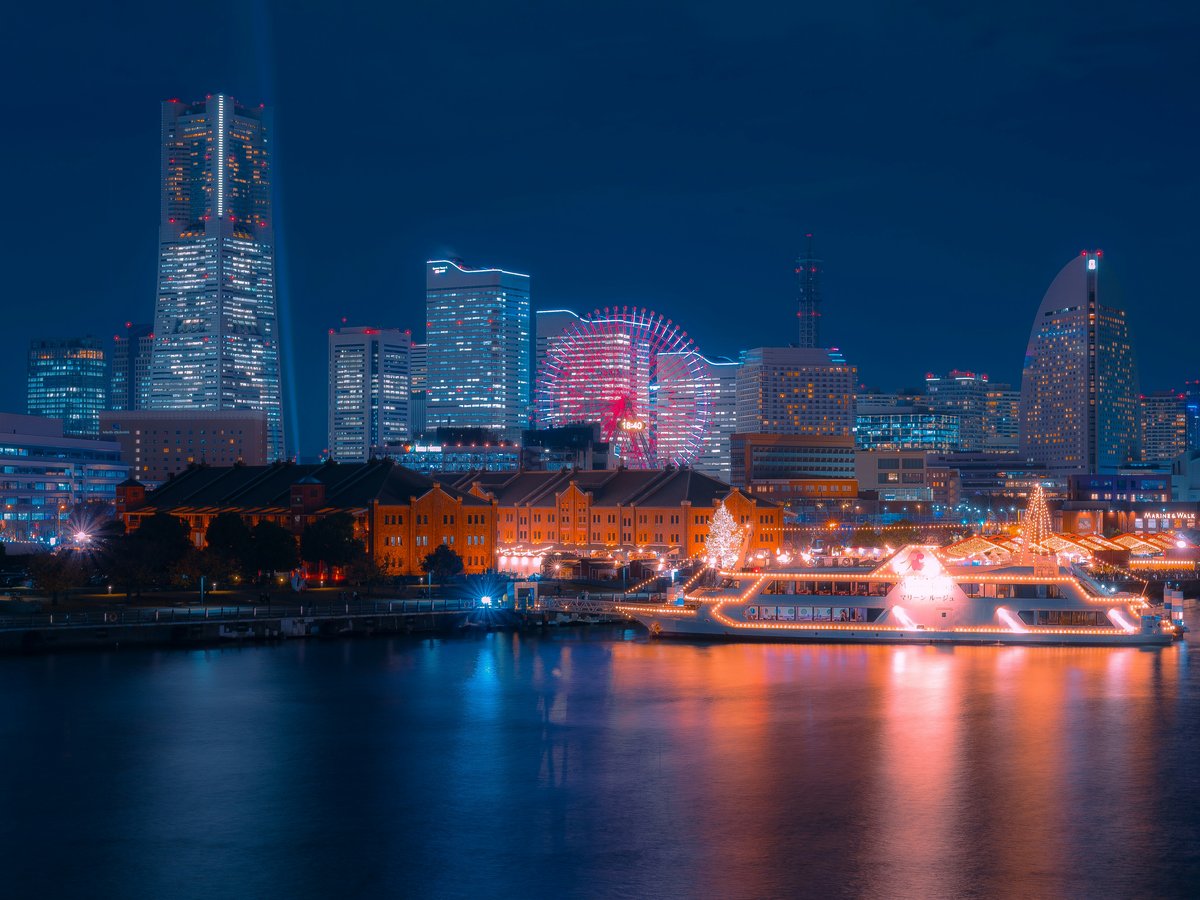
Yokohama opened its port to foreign trade in 1859, and what had been a fishing village on the western shore of Tokyo Bay became Japan's gateway to the outside world. That arc still reads in the streetscape: the red-brick warehouses of Akarenga Soko sit on the waterfront where foreign cargo once cleared customs, and the Yamate Bluff above the harbour preserves Western-style residences from the Meiji era, their gardens overlooking a skyline that now includes the 296-metre Landmark Tower. Chukagai, the local name for Chinatown, is the largest in Japan, a tight grid of roughly 500 shops and restaurants centered on Kanteibyo temple, functioning less as a tourist set piece than as a neighbourhood where Cantonese and Sichuan cooking have been part of the local diet for over a century. Minato Mirai stretches along reclaimed land between the old port and the convention zone, and on clear mornings you can see Mount Fuji from its promenades, a reminder that the city sits at the edge of the Kanto Plain on Tokyo Bay. Most visitors arrive from Tokyo in under thirty minutes on the Toyoko Line or the JR Yokosuka Line, and that proximity can make Yokohama feel like a suburb, but 3.7 million residents would correct you. Noge, south of Sakuragicho Station, is the drinking district: narrow alleys lined with standing bars and yakitori counters that predate the area's postwar reconstruction, still lively well past midnight. Sankeien, a garden in Honmoku built by a silk trader, collects historic buildings relocated from Kyoto and Kamakura onto grounds designed around a central pond. Yokohama's identity is shaped by the port: it was the first Japanese city many foreigners ever saw, and that openness still registers in its wide boulevards, its international schools, and a local attitude that treats the unfamiliar as ordinary.
Yokohama in photos
Yokohama right now
Answers about Yokohama
-
Airport to city
From Haneda (HND), the Keikyu Airport Line gets you to Yokohama Station in 25 to 30 minutes for about ¥370 ($2.35), or if you have heavy bags, the Airport Limousine bus to YCAT at Yokohama Station costs about ¥750 and takes 30 to 40 minutes. From Narita (NRT), the direct Narita Express takes about 90 minutes and costs ¥4,370 for a reserved seat.
Read the full answer → -
Best time to visit
Come between mid-October and late November. In Yokohama, daytime highs settle between 17 and 22°C, the typhoon risk fades after early October, and the city's ginkgo avenues turn gold by the last week of November. May is the runner-up. Avoid July through September, when heavy humidity and typhoons can empty the Minato Mirai waterfront.
Read the full answer → -
Cost per day
Budget travellers can get through a day in Yokohama on about ¥6,500 ($41), which covers a Kotobuki-cho dorm, konbini breakfasts, iekei ramen, and one rail day pass. Midrange runs about ¥17,000 ($108) with a business hotel near Kannai Station, and luxury starts at about ¥60,000 ($381) for a Minato Mirai harbour-view room. Chinatown buffets are the fastest way to blow a budget day here.
Read the full answer → -
Best day trips
Kamakura is the best single day out of Yokohama, under half an hour south by JR with a giant bronze Buddha, cliffside temples, and tea in a bamboo grove. Yokosuka suits couples with split interests: a warship museum for one of you and navy curry for the other. Enoshima adds a sunset. Hakone deserves a ryokan overnight, not a rushed loop.
Read the full answer → -
Food culture
Yokohama eats like the port that imported everything first. The core is iekei ramen, born here in 1974, Chinatown's Cantonese kitchens, the Hotel New Grand's 1927 Western dishes, and Kiyoken's cold shiumai. Skip the all-you-can-eat touts in Chinatown, eat lunch near Yokohama Station or in Kannai, and spend the evening in Noge's counter bars.
Read the full answer → -
Getting around
Walk the waterfront and ride the Minatomirai Line for everything between Yokohama Station and Chinatown, and a 460-yen one-day pass covers the whole stretch. For Sakuragicho, Kannai and Ishikawacho take the JR Negishi Line, the Blue Line subway for Shin-Yokohama, and city bus 8 or 148 for Sankei-en. One Suica or Pasmo card taps on all of them.
Read the full answer → -
How to get there
Fly into Tokyo Haneda (HND), 28 km north of Yokohama Station, rather than Narita. The red Keikyu Airport Line runs from Haneda's arrival halls to Yokohama in about 30 minutes for under ¥400, while Narita (NRT) sits roughly 100 km away and the transfer from there adds more than an hour and several thousand yen. Book Haneda whenever its fare is within $150 of Narita's.
Read the full answer → -
Is it safe?
Yokohama scores 8.3 out of 10 for solo-traveller safety (see the TTDI Solo-Safety Index), and violent crime against visitors is rare. The risks worth knowing are hostess-bar touts around Fukutomicho, groping on packed rush-hour trains, and the seasonal hazards of earthquakes or September typhoons. Dial 110 for police, 119 for an ambulance or fire.
Read the full answer → -
Where locals go
Locals drink in Noge's standing bars beside Sakuragicho Station from 5pm, shop Yokohama-bashi Shotengai for cheap produce before 11am, and eat Okinawan food in Tsurumi's Nakadori. Rokkakubashi's covered arcade by Hakuraku Station and the Ooka River studios of Koganecho draw residents, not the Minato Mirai weekend crowds.
Read the full answer → -
Must-see
Sankei-en, the 1906 garden in Honmoku, is the one Yokohama sight you should not skip. A Kyoto pagoda, moved here in 1914, stands above a carp pond, and adult entry is 900 yen (about US$5.70). From there, walk the harbour from Osanbashi Pier to Yamashita Park and eat dinner in Chinatown.
Read the full answer → -
3-day itinerary
Base yourself near Sakuragicho and split Yokohama into three walkable clusters: Day 1 is Minato Mirai at an easy jet-lag pace, Day 2 runs from Yamashita Park through Chinatown to the Yamate Bluff, and Day 3 is Sankeien garden in the morning and the izakaya alleys of Noge at night. Budget about 32 km, trains and buses included.
Read the full answer → -
What to avoid
Skip the all-you-can-eat touts on Yokohama Chinatown's main street, the fortune-teller booths beside them, and any hotel at Shin-Yokohama, which sits about 8 km from the harbour. Osanbashi Pier's roof deck is free, so there's no reason to pay for Marine Tower. Book Cup Noodles Museum factory slots ahead, and save Kamakura for a weekday.
Read the full answer → -
What to pack
Pack broken-in walking shoes with grip for the Yamate Bluff climbs and Sankei-en's paths, a hooded rain shell in place of an umbrella, one light long-sleeve layer, and a small hand towel for restrooms without dryers. Load a Suica card onto your phone, carry around 10,000 yen in cash, and pick up toiletries at a Yokohama drugstore.
Read the full answer → -
Where to stay
Book Minato Mirai, between Sakuragicho and Minatomirai stations, for a first trip to Yokohama. Bay-view four-stars there run $170 to $300 a night, and the harbour front, Aka Renga Soko and Chinatown are all a short walk or ride away. Kannai and Bashamichi business hotels at $85 to $130 are the value pick. Skip Yokohama Station and Shin-Yokohama.
Read the full answer →
Deep guides for Yokohama
Curated lists for Yokohama
accommodation
-
Best boutique hotels
Yokohama runs along the western shore of Tokyo Bay, and your neighborhood decides where each day starts: on a harbour promenade, on a Shinkansen platform or at a temple gate in Kamakura. The eight areas below run from the glass towers of Minato Mirai through the older port blocks of Nihon-odori and Motomachi, north to the rail hub around Yokohama Station, inland to Shin-Yokohama and south to the seaside shrines of Kamakura. Most of the picks sit in a tight mid-range price band, so the choice depends less on budget than on the pace you want: late dinners in Chinatown, early bullet trains to Kyoto, or morning walks through Yamashita Park before the crowds arrive. Filter by what is within an easy walk of each area. If you want the bay at the door, stay on the waterfront. If you will be catching trains in every direction, sleep beside one of the big stations. If you came for the Great Buddha and the surf, sleep in Kamakura rather than commuting down from the city.
See the picks → -
Best hostels
Yokohama costs less to sleep in than central Tokyo, and every pick below comes in between $31 and $65 a night with most rating above 8.5. The city has few dorm-style hostels, so a hostel budget here usually lands you in a compact business hotel with a private room and its own bath. The bigger question is which side of the city to base yourself on. The Yokohama Station cluster takes in Kanagawa Ward, Kinkocho and Kitasaiwai, and it is built for transit: JR, Tokyu, Keikyu, Sotetsu and the Minatomirai Line all converge there, putting Shibuya, Haneda and Kamakura within an easy ride. The harbour cluster covers Sakuragicho, Aioicho, Kaigandori, Kannai and Naka Ward, from where you can walk to the Red Brick Warehouse, Yamashita Park, Chinatown and the Noge bar alleys. Kanazawa Ward is the outlier: far south on the Seaside Line, the cheapest of the three, and very quiet. If your plan is day trips to Tokyo, choose the station side. If you came to walk Yokohama itself, choose the harbour side.
See the picks → -
Best luxury hotels
Yokohama's luxury stock is small and spread out, and the four properties here make that geography plain. Two sit in the city proper: InterContinental Yokohama Pier 8 in the Shinko 1 zone and The Kahala Hotel & Resort Yokohama in the Yokohama City Centre zone. The other two suit a different kind of trip: Hotel Sea Paradise Inn out in Hakkeijima and Kamakura Prince Hotel in the Kamakura zone. All four carry luxury-tier classification on Trip.com, and nightly rates sit in a narrow band, from USD 201 to USD 226, close enough that price will not settle this decision for you. Location and guest sentiment will. The Kahala holds a 9.4 guest rating on Trip.com and Kamakura Prince has 8.8, while Sea Paradise Inn trails at 6.8. This list suits couples marking an occasion, travelers who want a pool and spa after a day on foot, and anyone who would rather wake up near the sea than in a business district. Start with where you want to spend your days, then let the guest scores guide the rest.
See the picks → -
Where to stay
Yokohama's hotels follow the Minatomirai Line and the JR Negishi Line, and where you sleep shapes how your evenings end: on a harbor promenade or in a station concourse. Around Yokohama Station, rooms sit on top of the rail hub, with direct trains to Tokyo and the airports. One stop south, Sakuragicho and Minato Mirai trade some of that convenience for the bay, with Landmark Tower, the Cosmo World wheel, and the Red Brick Warehouse on the waterfront. Past the old customs house are Kannai and Nihon-odori, with the brick banks of Bashamichi, Yamashita Park, and the lanes of Chinatown; that is where the city feels oldest and where people eat latest. Shin-Yokohama is a separate choice, a shinkansen stop north of the center built for early departures and arena nights. Kamakura sits further down the coast for travelers who want temples and a beach more than a skyline. Rates here run well below central Tokyo at every tier, so pick the neighborhood first. The hotel is the easy part.
See the picks →
attractions
-
Best free attractions
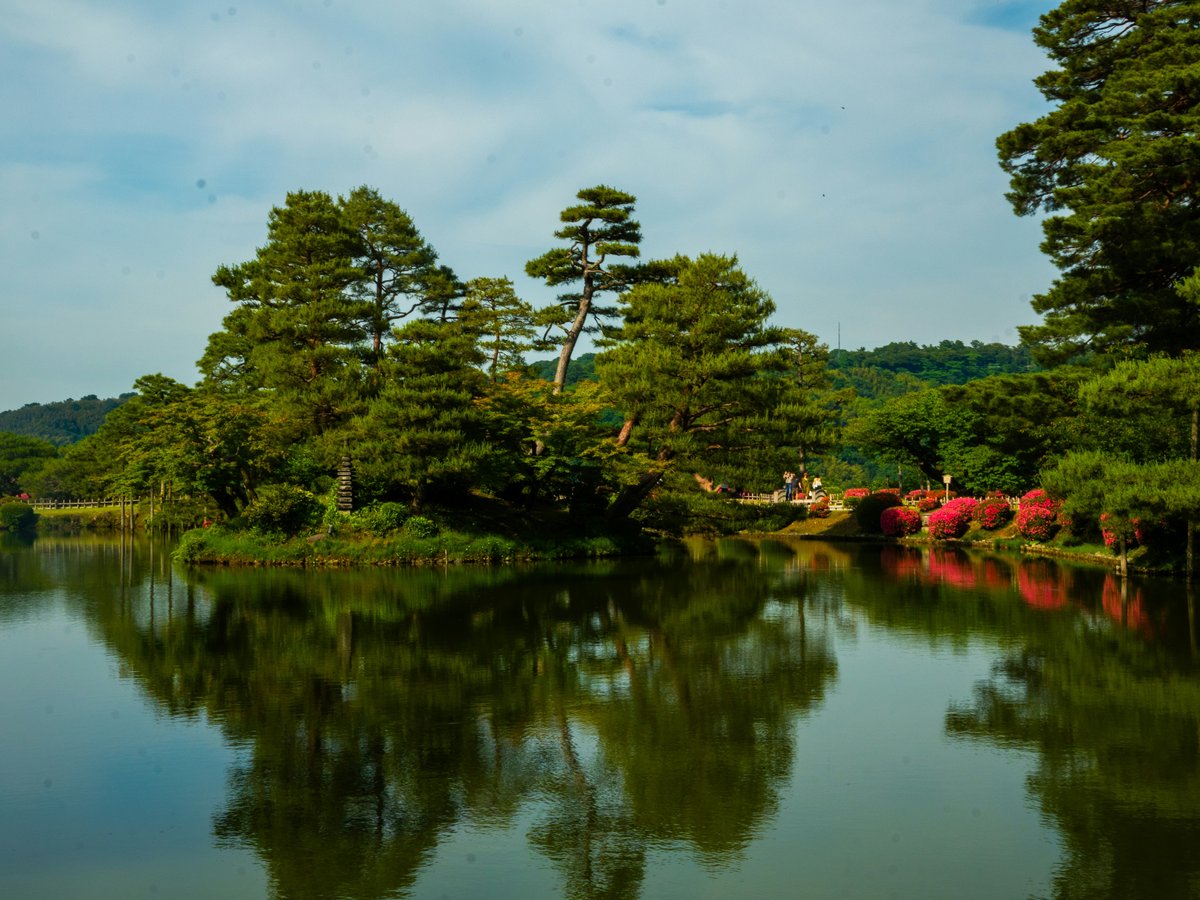
Yokohama's best free hours are mostly spent outdoors, in parks and gardens scattered across the city's wards, and we've gathered twelve here. Some sit right by the port, some are out in the suburbs, and one is a botanical garden the city keeps for children. None of them asks you to shop, queue, or collect a souvenir; they ask you to walk, sit, and stop checking your phone for a while. We've ranked them by how well they repay your time, not by how famous they are, and the best choices are rarely the ones on the front of the brochure. Two practical notes. Entry terms, opening hours, and seasonal closures change, and some of these grounds run paid sections next to open ones, so check each venue's official page before you set out; we link every one below. Plan your route by ward rather than by ranking: a morning in Naka-ku and an afternoon out toward Kanazawa-ku make a better day than zigzagging across the city. This list is for walkers, for parents with restless kids, for anyone between trains, and for travellers whose budget has run thinner than their curiosity.
See the picks → -
Best museums
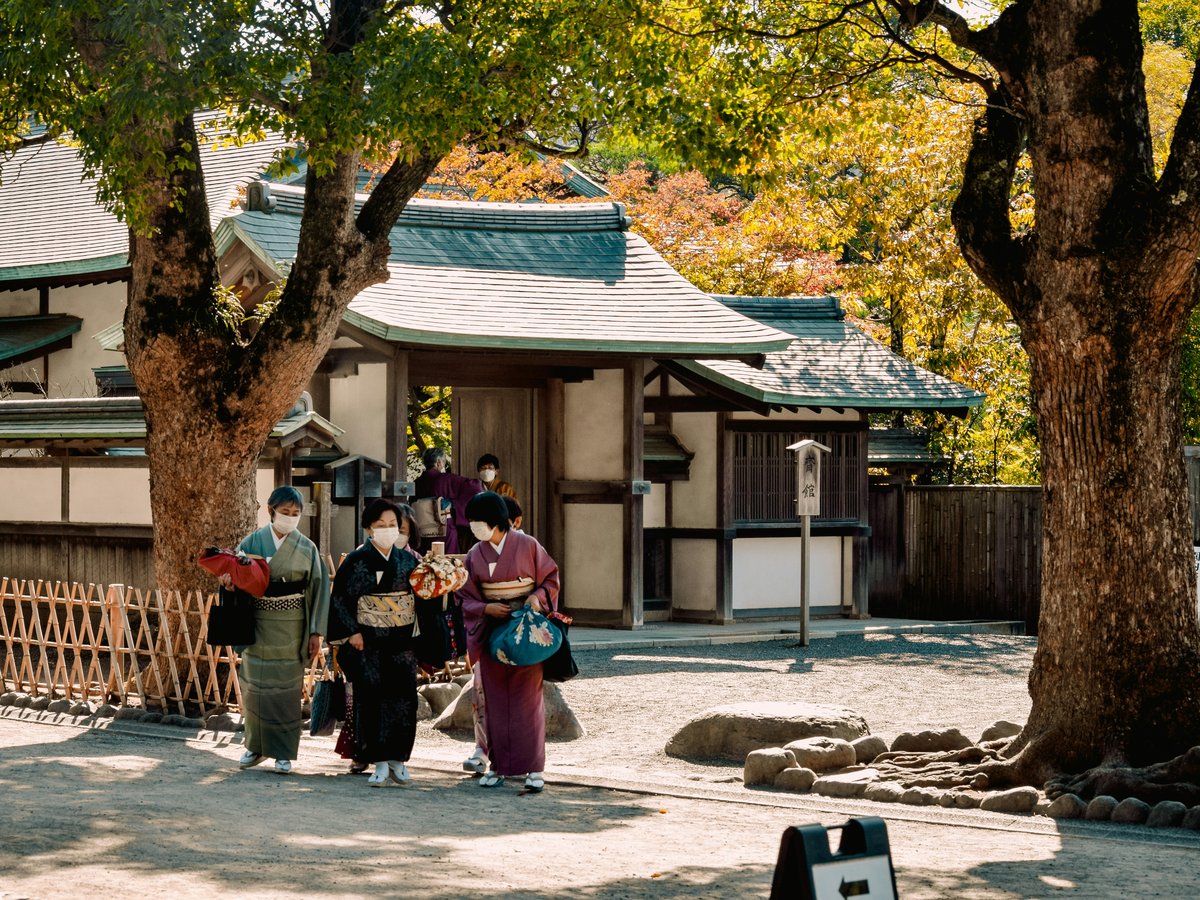
Yokohama's best museums are specific rather than grand. The list below covers silk, modern Japanese literature, trams, maritime history, dolls and Japanese curry, anchored by a prefectural museum of anthropology and history. Several of our picks cluster in 中区, though a few sit beyond the city line: two in 鎌倉市 and one in 海老名市, all included because they earn the extra journey, as we say plainly in each entry. There is also a 1900 pre-dreadnought battleship, which you cannot say about most cities. This list is for visitors who would rather spend an hour with one subject than a morning skimming a survey, and where we could not verify hours or a street address, we tell you, so check each official site before you set out.
See the picks → -
Must-see attractions
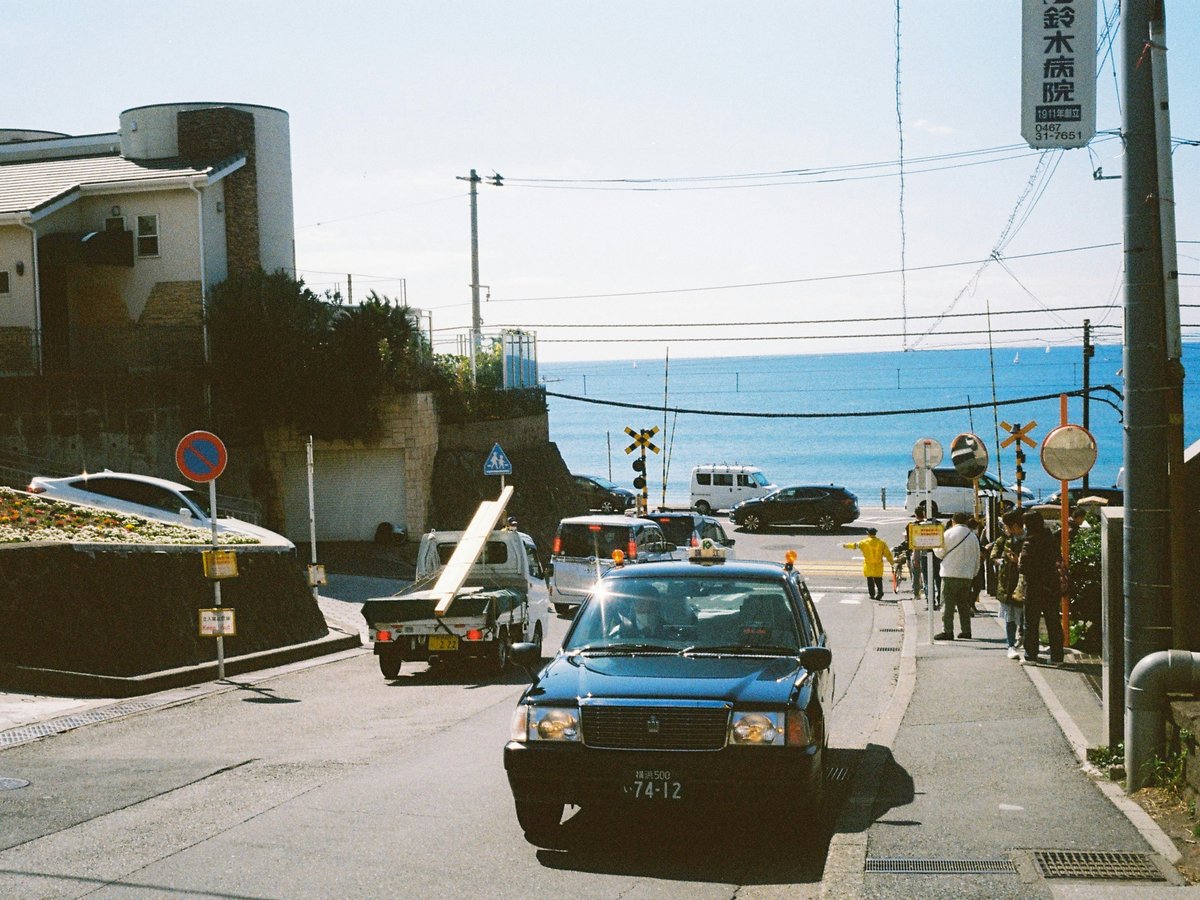
Yokohama's must-see list is a portrait of a port that has always looked outward: its harbour landmark is catalogued as a lighthouse, two of its most moving grounds are a cemetery for non-Japanese citizens and a Korean War cemetery of the Commonwealth War Graves Commission, and its churches complete that record. This twelve refuses to stop at the city line. Kamakura is a separate city in Kanagawa prefecture, home to Ōfuna Kannon Temple and the Great Buddha, while the Enoshima Sea Candle sits in Fujisawa and the Yokosuka Arts Theatre is an opera house worth building an evening around. We've put this together for travellers who want the harbour's history and are happy to ride a train for the rest, not for anyone hunting malls or theme parks. Where our sources are thin, the paragraphs say so rather than pad.
See the picks →
food
-
Best cafes
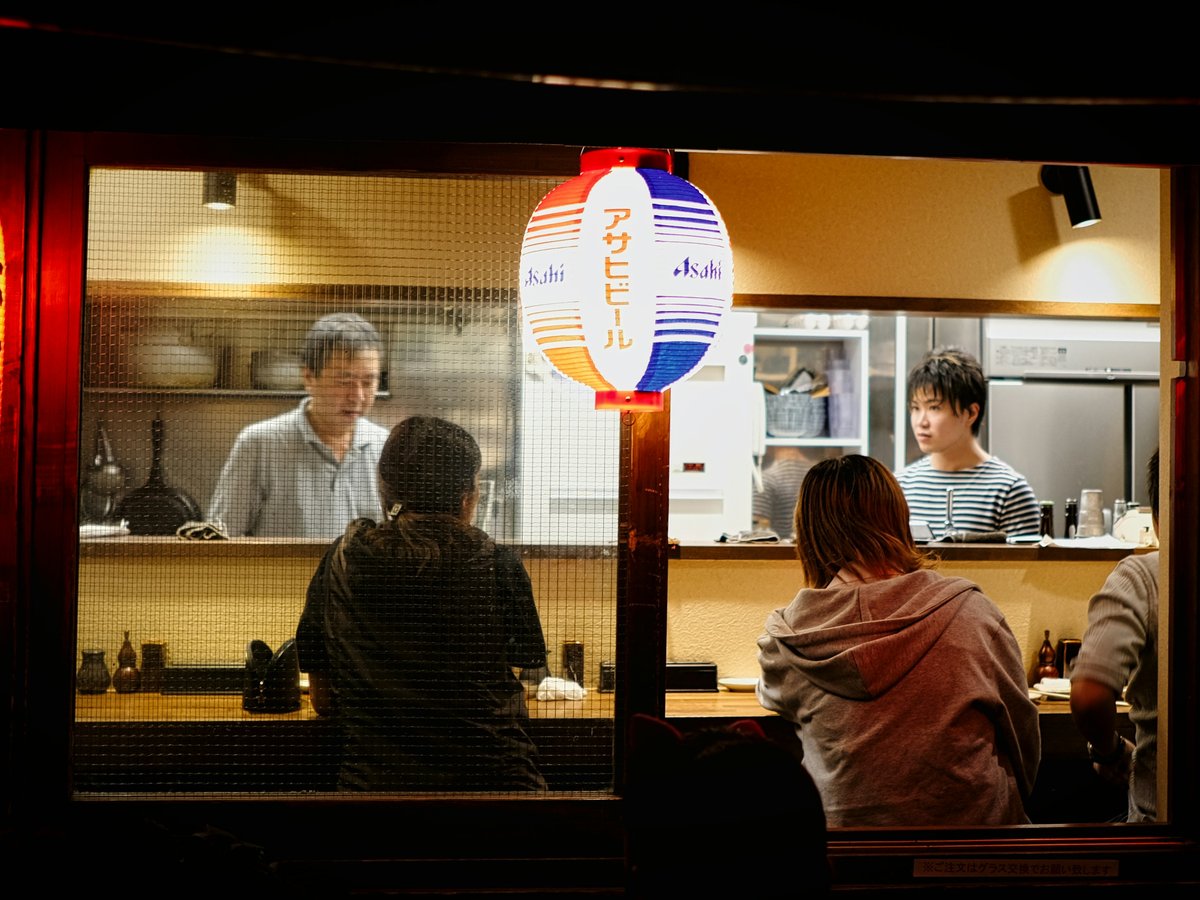
Yokohama drinks its coffee in two registers, and any list worth using has to hold both. One is the port city's taste for elsewhere: a Hawaiian cafe that grills burgers next to its savoury pancakes, a pancake house that opens at 10:00 every day of the week, and a coffee counter named for Honolulu. The other belongs to the working city: a station cafe that unlocks at 07:30, a sandwich stand that serves until 22:00, and a roasting workshop in the 231-0821 postal area. This list is for the visitor who plans a day around where to sit as well as what to see. Each place is here because its address does something the name alone would not tell you, and where a familiar brand made the cut, we say plainly why this particular door earned it. Check the clock before you set out, because several close early: one at 14:00, another at 17:00.
See the picks → -
Best restaurants
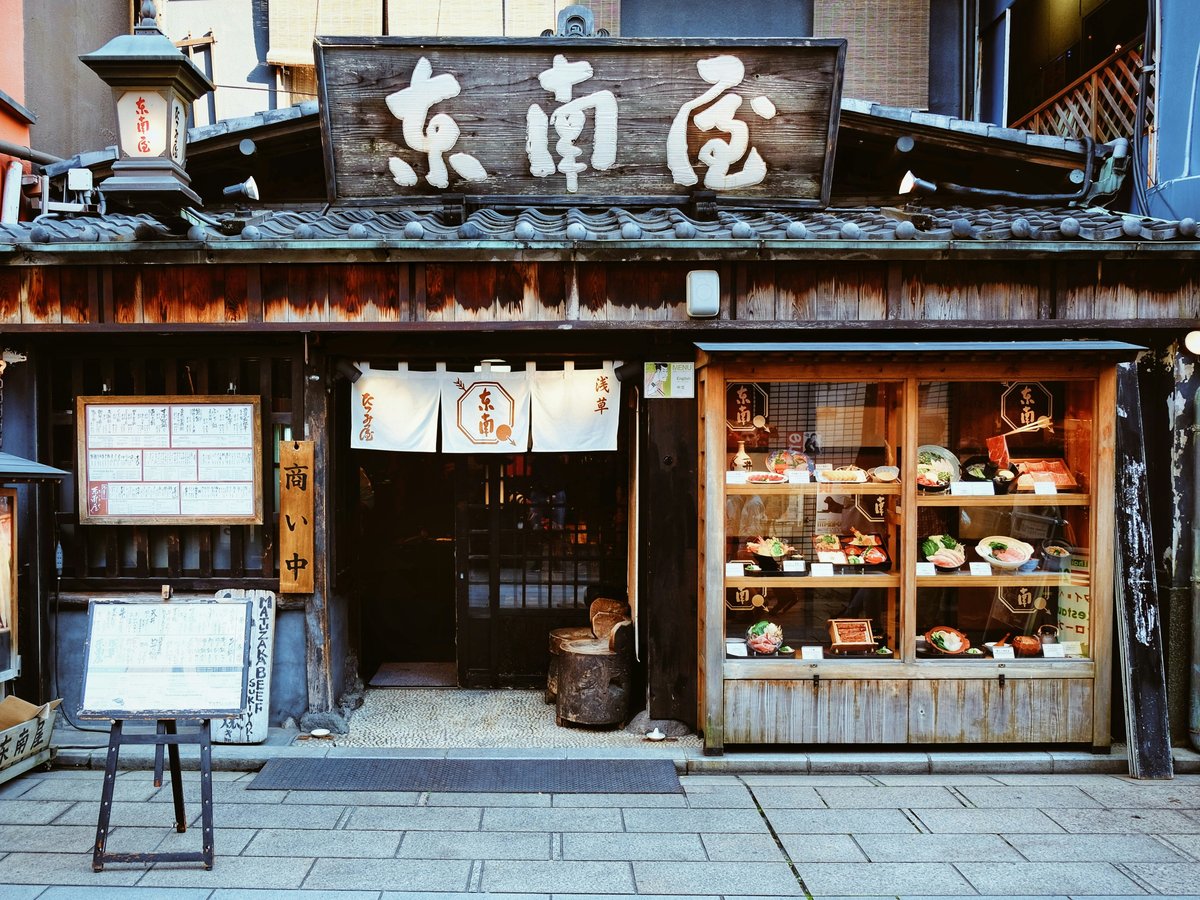
Yokohama eats late, eats across borders, and rewards anyone willing to walk a few blocks past the obvious. This list leans toward kitchens that have a clear point of view. There is Chinese cooking in 山下町, where one dining room serves noodles until 02:00 at weekends, and Italian cooking takes two forms: a two-service dining room in 太田町 and a cluster of tables in 石川町. Japanese cooking ranges from fine dining to tempura counters, and there is a beef bowl that earns a fine-dining listing too. Some of these are for a long, deliberate dinner; others are for the moment when the bars close and you need something hot. None are here because a tour bus stops outside. We checked every address, hour, and phone number against the public record so you can plan a day around them rather than hope. Read the hours closely: several of these kitchens close between lunch and dinner, and a few shut on Mondays.
See the picks →
Browse by traveler type
- For foodies
Yokohama for foodies
- For families with kids
Yokohama for families
- For digital nomads
Yokohama for digital nomads
- For solo travelers
Yokohama for solo travelers
- For couples
Yokohama for couples
- For budget travelers
Yokohama on a budget
- For luxury travelers
Yokohama for luxury travelers
- For first-timers
Yokohama for first-time visitors
Book experiences in Yokohama
 Free cancellation
 Tokyo in 1 Day from Yokohama: Private Tour, Licensed Guide
Day trip: 8 hours, free cancellation.
via Viator Free cancellation
 Tokyo Private Tour by Car with English-Speaking Driver (Premium)
Day trip: 9 hours, free cancellation.
via Viator Free cancellation
 Yokohama ⇆ Tokyo, Narita, Haneda Airport Private Transfer
Day trip: free cancellation.
via ViatorBrowse by interest
Last verified by automated review (v1.7.2) on . What is automated review?