What should I avoid in Yokohama?
Skip the all-you-can-eat touts on Yokohama Chinatown's main street, the fortune-teller booths beside them, and any hotel at Shin-Yokohama, which sits about 8 km from the harbour. Osanbashi Pier's roof deck is free, so there's no reason to pay for Marine Tower. Book Cup Noodles Museum factory slots ahead, and save Kamakura for a weekday.
Give Yokohama Chinatown an hour, but don't eat a full meal on Chukagai Odori. The men holding laminated menus on the main street are selling tabehodai, all-you-can-eat deals for ¥3,000 to ¥4,000, and the dishes come out lukewarm from a steam tray. In the side lanes, fortune tellers charge around ¥3,000 for 15 minutes of palm reading in halting English. That said, the ¥500 steamed pork buns sold from street windows are good, and the smell of star anise and pork fat on a cool evening is half the reason to go. For dinner, walk 15 minutes west to Noge, beside Sakuragicho Station, where hundreds of small izakaya grill yakitori over charcoal and a beer with five skewers runs about ¥2,000. Many Noge bars still take cash only, so carry ¥10,000 in notes.
The most expensive first-day mistake is booking a hotel at Shin-Yokohama because the name sounds central. Shin-Yokohama is the Shinkansen stop, about 8 km north of the harbour, and its evening view is office towers and a stadium car park. Stay in Sakuragicho, Kannai or Bashamichi instead. Yokohama Station is the second trap: six rail operators share it, among them JR, Keikyu, Tokyu, Sotetsu and the Minato Mirai Line, and construction there has barely stopped in decades. Locals call it Japan's Sagrada Familia. Follow the coloured line signs, not the exit numbers. The Minato Mirai Line is a private railway, so a JR Pass won't cover it. Tap a Suica or PASMO card and expect ¥200 to ¥300 a ride. From Haneda, skip the taxi, which often costs over ¥10,000. The Keikyu Line reaches Yokohama Station in about 30 minutes.
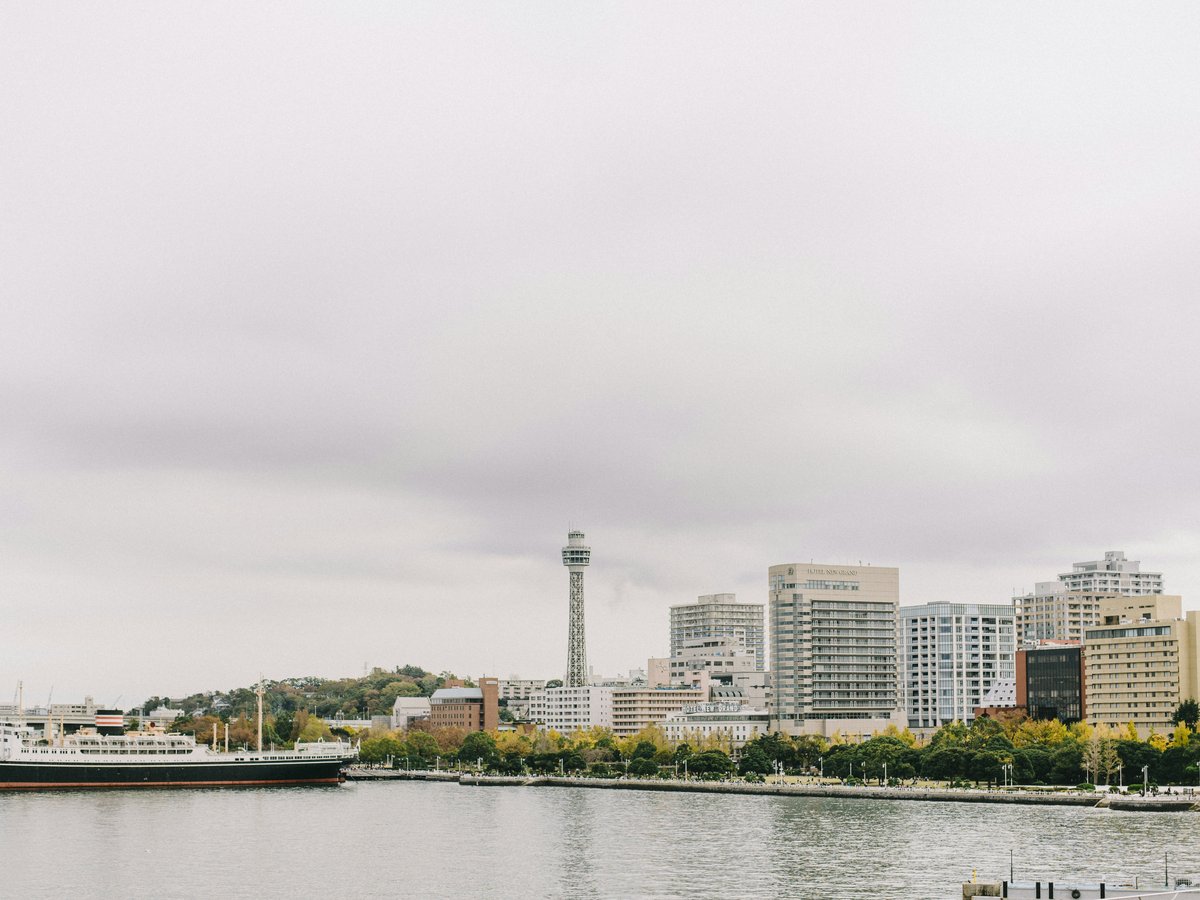
Yokohama Marine Tower opened in 1961 and charges around ¥1,000, about US$6.35 at September 2026's rate of ¥157.59 to the dollar, for a view from roughly 100 m. Skip it. The rooftop of Osanbashi Pier is free and open all night, and its wooden deck faces the Minato Mirai skyline across the water where you'll hear foghorns and gulls. At the Cup Noodles Museum, weekend slots for the My Cup Noodles Factory are often gone by late morning, so arrive at the 10am opening on a weekday. Cross the Yokohama Curry Museum off your list too: it opened in 2001 and closed in 2007, but some older guides still list it. Red Brick Warehouse on Saturday afternoons is mostly queues for gift shops. Go after dark, when the brick walls are lit and the crowds have thinned.
September is typhoon season. On 27 September 2026 the harbour was 22°C under grey cloud with 86% humidity, though it felt closer to 25°C, and shirts stick to your back by noon. Pack a compact umbrella, and check the Japan Meteorological Agency forecast before booking a Sea Bass water-bus ride, since it stops running in high wind. Kamakura is 25 minutes south on the JR Yokosuka Line, but on weekends Komachi-dori moves at a shuffle and the Enoden trains are standing room only, so go on a weekday before 9am. After dark in Fukutomicho, the bar district next to Kannai, ignore the touts who steer visitors into hostess clubs with padded bills. Street crime is rare in Yokohama, and TTDI rates solo-traveler safety at 8.3/10 (see the TTDI Solo-Safety Index).
Tourist traps to skip
- All-you-can-eat (tabehodai) restaurants with street touts on Chukagai Odori, Yokohama Chinatown
- Fortune-teller booths in the Chinatown side lanes (around ¥3,000 for 15 minutes)
- Yokohama Marine Tower observation deck (the Osanbashi Pier rooftop is free)
- Hotels at Shin-Yokohama for sightseeing stays (about 8 km from the harbour)
- Red Brick Warehouse on Saturday afternoons
- Cup Noodles Museum factory slots on weekends without a booking
- Yokohama Curry Museum (closed in 2007, still listed in older guides)
- Kamakura's Komachi-dori on weekends
Common scams
- Hostess-bar touts in Fukutomicho near Kannai who lead visitors to clubs with padded bills
- Taxis from Haneda Airport costing over ¥10,000 when the Keikyu Line takes about 30 minutes
- Assuming a JR Pass covers the Minato Mirai Line, then paying extra fares at the gate
Seasonal hazards
- Typhoon season runs through September and October, and Sea Bass water buses and harbour cruises stop running in high wind.
- Humidity around 86% in late September makes 22°C feel like 25°C, so pack breathable layers and a compact umbrella.
- Summer heat from July to August makes midday walks along the Minato Mirai waterfront genuinely draining, so plan outdoor sights for before 10am.
Last verified by automated review (v1.7.2) on . What is automated review?