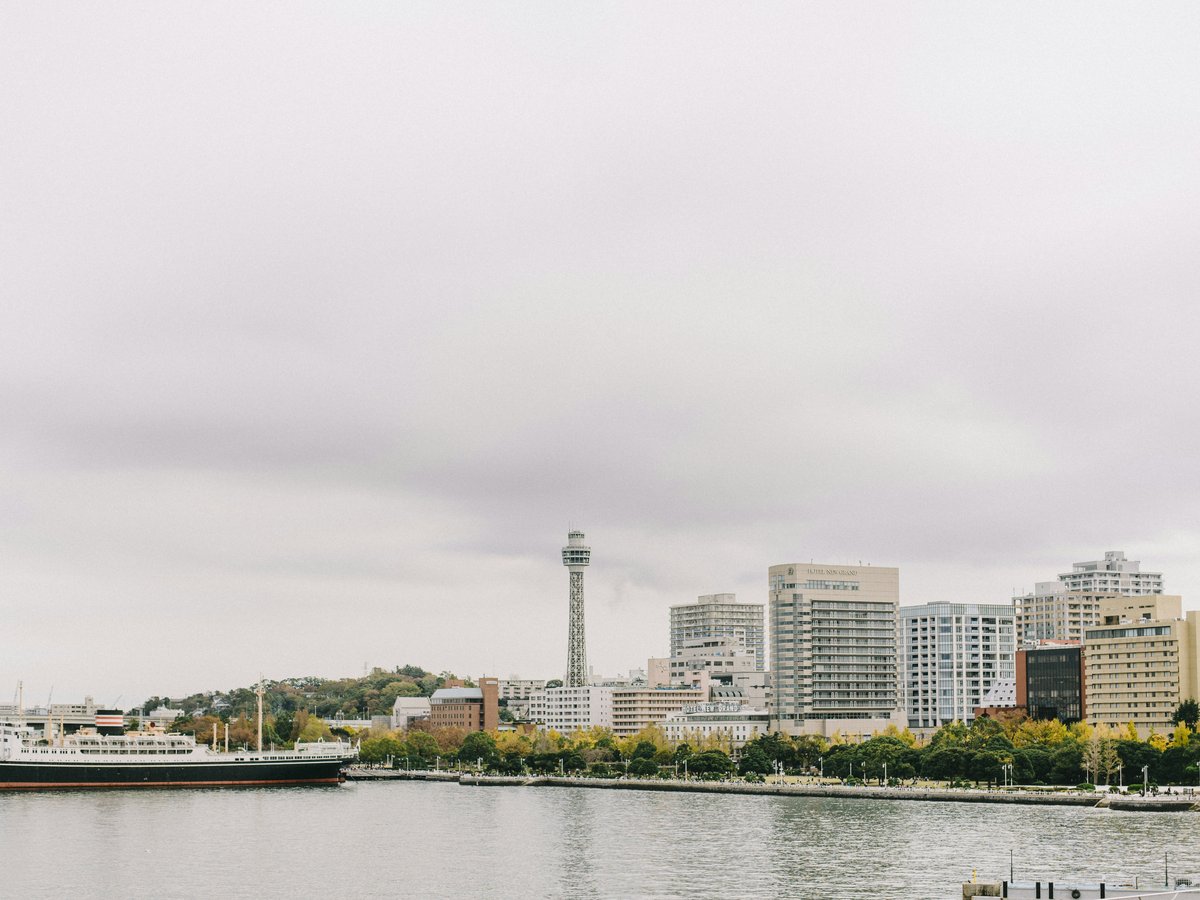
Where do locals actually go in Yokohama?
Locals drink in Noge's standing bars beside Sakuragicho Station from 5pm, shop Yokohama-bashi Shotengai for cheap produce before 11am, and eat Okinawan food in Tsurumi's Nakadori. Rokkakubashi's covered arcade by Hakuraku Station and the Ooka River studios of Koganecho draw residents, not the Minato Mirai weekend crowds.
Noge is where Yokohama drinks after work, a grid of narrow lanes between Sakuragicho Station and the Ooka River where many bars seat eight people or fewer. From 5pm to 8pm on weekdays, the stools belong to salarymen and retirees, not tourists. Look for senbero signs, which promise enough drinks to get tipsy for about ¥1,000, and at 157.59 yen to the US dollar that comes to roughly $6.35. Yakitori grills get pushed half onto the pavement, and the smell of charcoal and chicken fat reaches the station exit. On a humid evening like 27 September, at 22°C and 86% humidity under overcast sky, the sliding doors stay open and the lanes fill with the clack of glasses. Noge suits a night out, not a month's lease: Friday noise runs past midnight, the older walk-ups rarely have fibre, and plenty of bars still take cash only. Nogeyama Zoo, free and open since 1951, sits on the hill directly above the bars.
For groceries, residents skip Minato Mirai and ride the Blue Line to Bandobashi Station, where Yokohama-bashi Shotengai, a covered arcade, sells Chinese greens, Korean kimchi by weight, and whole fish for noticeably less than the Chinatown supermarkets a 15-minute walk east. Go before 11am on a weekday, when grandmothers with wheeled trolleys set the pace and fishmongers shovel crushed ice onto wet tiles. The back streets of Isezakicho, south of the arcade, are where Thai, Korean and Filipino residents eat, and many menus there have no English. Ten minutes further on, the Keikyu tracks between Hinodecho and Koganecho stations run above a strip of the Ooka River: Kanagawa police shut down the red-light trade in 2005, artists now rent the former brothel units as studios, and the Koganecho Bazaar festival usually takes over the riverbank in autumn. The riverside path is dim and empty after 10pm, and some solo walkers take Isezakicho Mall home instead.
Rokkakubashi Shotengai, a postwar arcade beside Hakuraku Station on the Tokyu Toyoko Line, makes the best argument for living outside central Yokohama. Kanagawa University students and long-time residents share its lanes, and a coin laundry, a supermarket, and secondhand bookshops all sit within a 5-minute walk. On selected summer Saturday nights the arcade holds its Dokkiri Yami Ichiba night market, with live music echoing off the tin roofs. Tsurumi, about 10 minutes north of Yokohama Station on the JR Keihin-Tohoku Line, is the other residents' district worth the trip, where Okinawan migrants settled around Nakadori in the early 20th century to work the Keihin industrial docks. Shops there still stock Orion beer, bitter goya, and sata andagi doughnuts, and a few counters serve Okinawa soba in a broth that tastes of bonito and pork fat. Brazilian and Bolivian families shop the same streets, a trace of the factory hiring that brought them to Tsurumi in the 1990s.
Yokohama Stadium, built in 1977, sets the rhythm of Kannai from spring until early October. On DeNA BayStars home nights, the izakaya along the streets toward Kannai Station fill with fans in blue jerseys after 9pm, and staff turn the radio commentary up over the frying. For remote workers, TTDI rates Yokohama 6.2/10 for digital-nomad suitability (sourced from TTDI's editorial rubric), and the weak point is cafes, not connectivity. Chain coffee shops around Yokohama Station tend to fill with students from 3pm, and the older kissaten in Noge and Bashamichi seem to discourage laptops after one cup. A Jetogo eSIM set up on day one lets you tether instead of gambling on cafe wifi. Between work blocks, residents take the JR Yokosuka Line to Kamakura, about 25 minutes away, on weekday mornings before the Saturday crowds arrive.
Where they actually go
Noge standing bars
Noge, Naka-ku: Eight-seat counters, senbero signs and yakitori smoke drifting onto the lanes. Salarymen and retirees hold the stools from 5pm to 8pm on weekdays, and cash is still the norm.
Yokohama-bashi Shotengai
Bandobashi, Minami-ku: Covered grocery arcade where fishmongers shovel ice onto wet tiles and grandmothers with trolleys buy Chinese greens and kimchi by weight before 11am.
Isezakicho back streets
Isezakicho, Naka-ku: Thai, Korean and Filipino canteens south of the shopping arcade, many with no English menu, feeding the residents who live around them.
Koganecho riverside studios
Hinodecho to Koganecho, Naka-ku: Former brothel units under the Keikyu tracks, now artist studios. Quiet by day, busier during the autumn Koganecho Bazaar, dim and empty after 10pm.
Rokkakubashi Shotengai
Hakuraku, Kanagawa-ku: A postwar arcade under tin roofs, shared between Kanagawa University students and older residents, with a coin laundry and supermarket close by and a summer Saturday night market.
Nakadori Okinawan shops
Nakadori, Tsurumi-ku: Okinawan grocers sell Orion beer, goya, and sata andagi, while counters alongside them serve Okinawa soba in bonito and pork broth. Brazilian and Bolivian families shop here too.
Kannai izakaya on BayStars nights
Kannai, Naka-ku: After home games, fans in blue jerseys fill the izakaya toward Kannai Station, radio commentary turned up over the sizzle of the fryers.
Best times to visit
Noge from 5pm to 8pm on weekdays. Yokohama-bashi before 11am on weekdays. Rokkakubashi's night market on selected summer Saturdays. Kannai after 9pm on BayStars home nights, spring to early October.
Last verified by automated review (v1.7.2) on . What is automated review?