What should I pack for Yokohama?
Pack broken-in walking shoes with grip for the Yamate Bluff climbs and Sankei-en's paths, a hooded rain shell in place of an umbrella, one light long-sleeve layer, and a small hand towel for restrooms without dryers. Load a Suica card onto your phone, carry around 10,000 yen in cash, and pick up toiletries at a Yokohama drugstore.
Shop the packing list (15 items)Shoes shape a Yokohama trip more than any other item. Yokohama is two cities stacked on each other: Minato Mirai is flat, paved and windy, but the Yamate Bluff above Motomachi asks far more of your feet. From Ishikawacho Station you climb stone steps and sloped lanes to the Foreign General Cemetery and the old Western-style houses. Sankei-en opened to the public in 1906 on land owned by silk merchant Hara Sankei, and its loose stone walkways crunch underfoot and wear thin soles flat by mid-afternoon. Bring trainers with deep tread, not fashion sneakers. The Kamakura day trip is about 25 minutes south on the JR Yokosuka Line, and the Daibutsu Hiking Course there is packed dirt and tree roots that turn slick after rain. Pick shoes you can slip off in seconds. You remove them in ryokan, in tatami rooms at Noge izakaya, and inside some temple halls in Kamakura, so pack socks without holes.
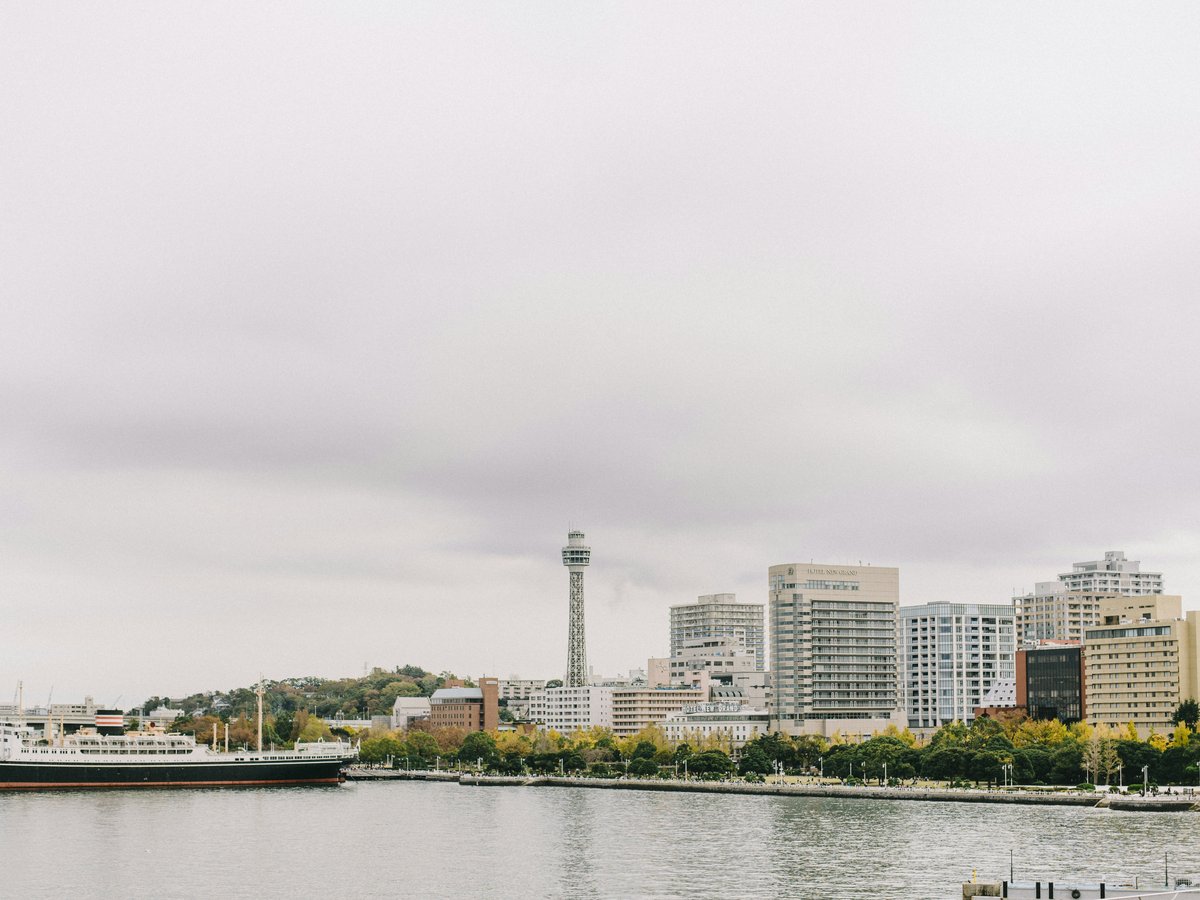
Pack for the month. Yokohama's bay makes every season feel stronger than the thermometer says. Late September in Yokohama still feels like summer: on the evening of 27 September 2026 the harbour read 22°C with 86% humidity under a flat grey sky, and it felt closer to 25°C. A cotton shirt clings to your back within 10 minutes of the walk from Sakuragicho Station. Typhoon season runs from August into October, and squalls off Tokyo Bay flip cheap umbrellas inside out on the open deck of Osanbashi Pier, so a shell with a hood handles that better. July and August reach the low 30s°C with sticky, salt-heavy air, so quick-dry shirts earn their space. From December to February, days sit near 10°C, but the wind along the Yamashita Park promenade bites at your ears, and a packable down layer and gloves fix that. The long-sleeve earns its place year-round, because Minatomirai Line trains and Motomachi department stores run the air conditioning cold in summer.
Japan uses Type A sockets, two flat pins at 100V, so US plugs fit. UK, EU and Australian travellers need an adapter, and 220V-only hair straighteners run weak or not at all. Check the label on your laptop and phone chargers, which almost always read 100-240V. A power bank matters on your first day in Yokohama, when Google Maps and a translation app drain a phone before you reach the menus in Chinatown. Yokohama is mostly cashless now, with Suica and PASMO covering trains, konbini and vending machines. Cash still rules in the Noge standing bars and at the Chinatown steamed-bun windows, where a pork bun costs 500 to 700 yen, roughly US$3 to US$4.50 at 157.59 yen to the dollar. Carry a coin purse. Change comes back in heavy 1, 10 and 100 yen coins that jingle loose in a pocket all day.
Leave half your toiletries at home. Matsumoto Kiyoshi and Welcia branches around Yokohama Station sell Biore UV Aqua Rich sunscreen for about 800 yen, and it beats most imported brands. Deodorant is the exception, because Japanese stock runs weak, so bring your own. Clear vinyl umbrellas cost about 500 yen at any 7-Eleven or Lawson, and Daiso sells hand towels for 110 yen. Public bins are rare in Minato Mirai, so a small bag for your own rubbish saves you carrying a sticky soft-serve wrapper from the Red Brick Warehouse back to your hotel. Konbini charge 3 to 5 yen per plastic bag, and a folding tote avoids the fee. Skip the heavy phrasebook. The pocket Wi-Fi rental queues at Haneda can cost you 20 minutes, and an eSIM activated before landing gets Keikyu Line timetables onto your phone while the plane is still taxiing.
Essentials
- Walking shoes with deep tread for the Yamate Bluff stairs and the Sankei-en garden paths Shop
- Socks without holes for shoes-off tatami rooms, ryokan and Kamakura temple halls Shop
- Hooded packable rain shell Shop
- One light long-sleeve layer for cold train and department-store air conditioning Shop
- Plug adapter if your chargers do not use two flat pins Shop
- Power bank of at least 10,000 mAh for a full day of maps and translation apps Shop
- Suica or PASMO loaded into your phone wallet before you land Shop
- Coin purse for 1, 10 and 100 yen coins Shop
- Folding tote bag to avoid konbini bag fees Shop
- Small bag for your own rubbish in Minato Mirai Shop
- Prescription medication in its original packaging with a copy of the prescription; amphetamine-based ADHD drugs such as Adderall are banned in Japan
- eSIM installed and activated before your flight
Seasonal extras
- June to mid-July rainy season: quick-dry trousers and shoes that tolerate puddles Shop
- July and August: quick-dry shirts, a wide-brim hat and a cooling towel Shop
- Late March to early April: a light jacket for cherry-blossom evenings along the Ooka River Shop
- September and October: a thin jacket for evening BayStars games at Yokohama Stadium, opened in 1977 Shop
- December to February: a packable down layer, gloves and a scarf for harbour wind at Yamashita Park Shop
Buy on arrival
- Clear vinyl umbrella from any 7-Eleven or Lawson
- Sunscreen such as Biore UV Aqua Rich from Matsumoto Kiyoshi or Welcia
- Hand towel from Daiso
- Basic toiletries, except deodorant
- Heat packs (kairo) in winter from any konbini
- Snacks and bottled water from konbini and vending machines
Last verified by automated review (v1.7.2) on . What is automated review?