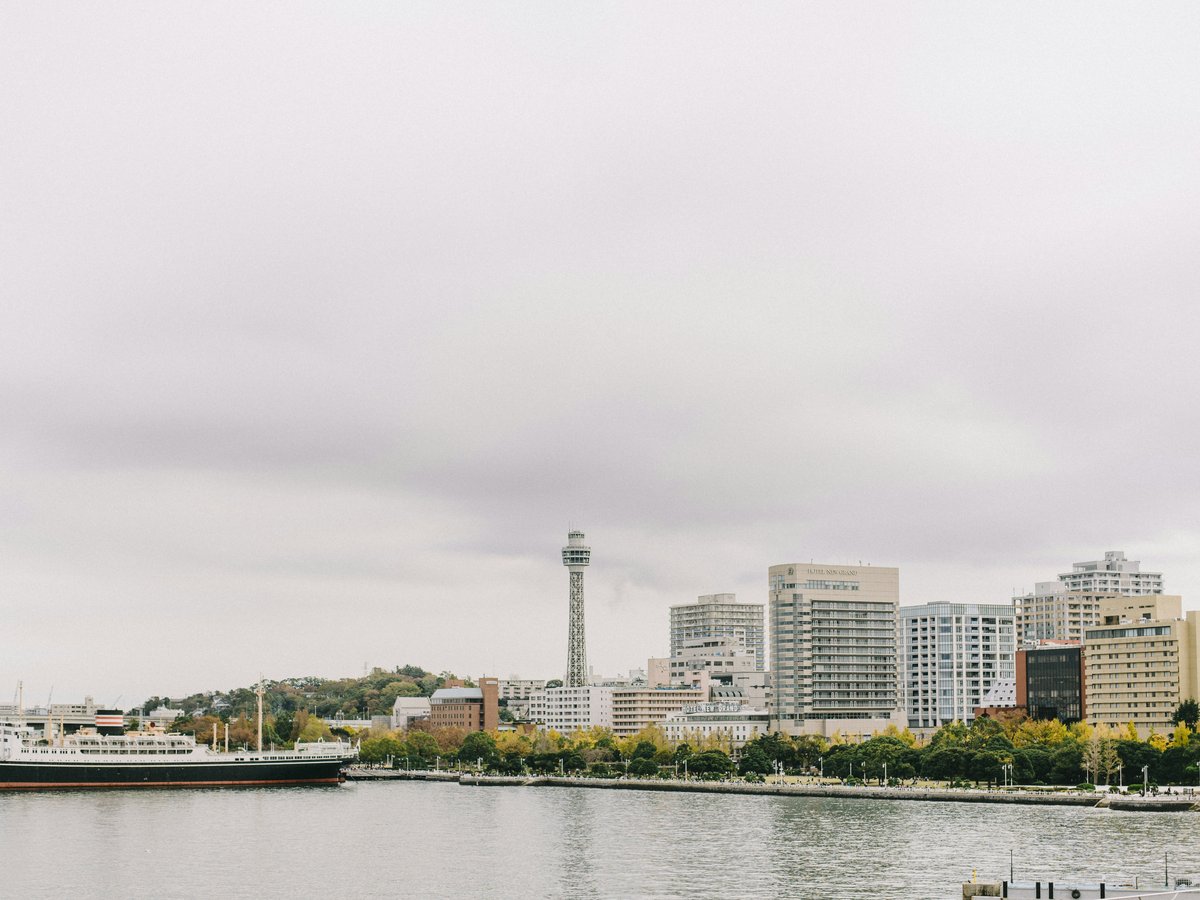
Yokohama for families
Here's Yokohama through the lens of families with kids: the canonical questions worth asking before you book a flight, the curated lists worth opening when you want a shortcut to local expertise, and the live right-now data below ready to inform your next decision about when, where, and how to spend your time on the ground.
Yokohama for families with kids, in numbers
- Picks on this page
- 36 places across 3 lists, led by Kamakura, Yokohama Marine Tower, Ōfuna Kannon Temple
Questions families with kids ask about Yokohama
-
Is it safe?
Yokohama is safe, scoring 8.3/10 for solo-traveler safety (see the TTDI Solo-Safety Index), and violent crime against visitors is rare. The real risks are touts around Fukutomicho and the Yokohama Station west exit, groping on packed morning trains, and earthquakes. Dial 110 for police and 119 for an ambulance or fire.
Read the full answer → -
What to pack
Pack broken-in walking shoes with grip for the Yamate Bluff climbs and Sankei-en's paths, a hooded rain shell in place of an umbrella, one light long-sleeve layer, and a small hand towel for restrooms without dryers. Load a Suica card onto your phone, carry around 10,000 yen in cash, and pick up toiletries at a Yokohama drugstore.
Read the full answer → -
Getting around
Walk the waterfront and ride the Minatomirai Line for everything between Yokohama Station and Chinatown, and a 460-yen one-day pass covers the whole stretch. For Sakuragicho, Kannai and Ishikawacho take the JR Negishi Line, the Blue Line subway for Shin-Yokohama, and city bus 8 or 148 for Sankei-en. One Suica or Pasmo card taps on all of them.
Read the full answer → -
Best time to visit
Come between mid-October and late November. In Yokohama, daytime highs settle between 17 and 22°C, the typhoon risk fades after early October, and the city's ginkgo avenues turn gold by the last week of November. May is the runner-up. Avoid July through September, when heavy humidity and typhoons can empty the Minato Mirai waterfront.
Read the full answer → -
Cost per day
Budget travellers can get through a day in Yokohama on about ¥6,500 ($41), which covers a Kotobuki-cho dorm, konbini breakfasts, iekei ramen, and one rail day pass. Midrange runs about ¥17,000 ($108) with a business hotel near Kannai Station, and luxury starts at about ¥60,000 ($381) for a Minato Mirai harbour-view room. Chinatown buffets are the fastest way to blow a budget day here.
Read the full answer →
Curated for families with kids
-
Must-see attractions
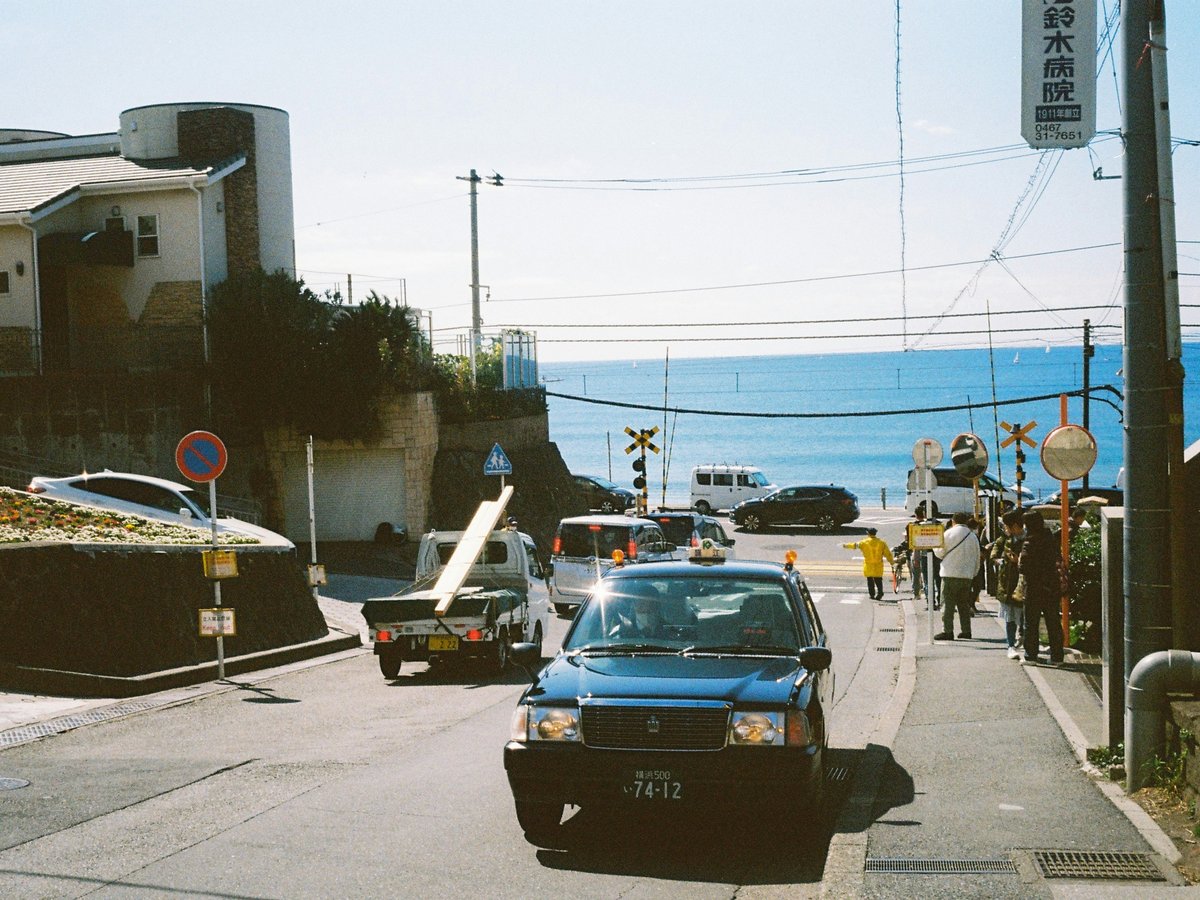
Yokohama's must-see list does not stay inside Yokohama, and it shouldn't. The city's own landmarks are young by Japanese standards: Yokohama Marine Tower dates from 1961, Sacred Heart Cathedral from 1933, and the emperor Guan temple from 1871. Go further back and you end up in Kamakura, a city in Kanagawa prefecture in its own right. That is where the long history is. Kōtoku-in dates from 1252, Kenchō-ji from 1253, Engaku-ji from 1282, and Tsurugaoka Hachimangū from 1063, and all four are designated Historic Sites of Japan. We built this list for travellers who will give one day to the harbour city and one to the temple town, and who would rather check gate times than guess them. Most Kamakura temples close in the late afternoon: Kenchō-ji at 16:30 and Engaku-ji at 16:00 in winter. Plan your mornings around that.
See the picks → -
Best free attractions
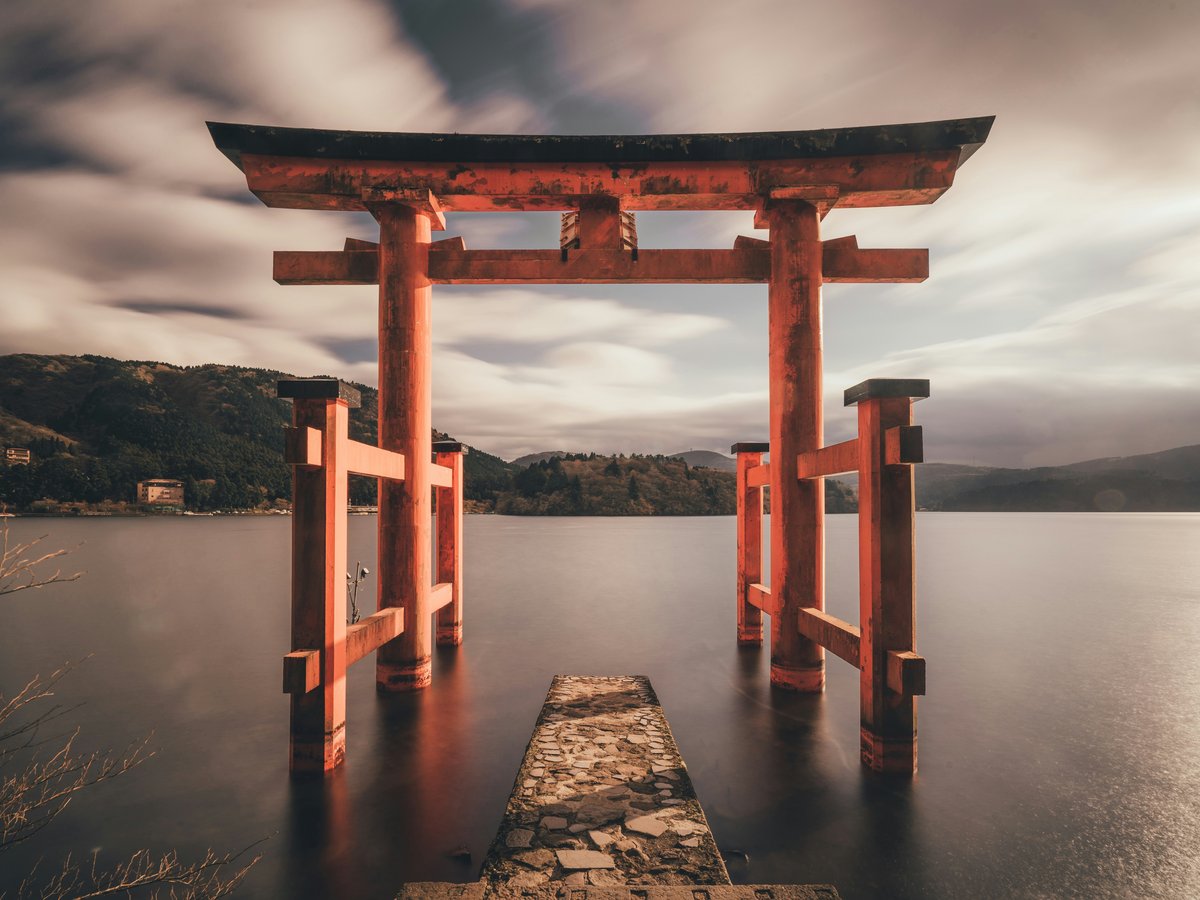
Twelve parks and gardens make this list, and the spread is wider than the harbour postcards suggest. The oldest entry, Sankei-en, dates from 1906; the youngest, Samuel Cocking Garden, from 2003. Between them sit city parks with national heritage listings, a garden designed for children, a prefectural botanical collection, and a tower that the records describe as a park. This page is for travellers who would rather spend an afternoon walking than queueing, and for anyone who wants to see how Yokohama has used its open ground over more than a century. A note on the word free: our verified sources for these places cover names, dates, designations, hours, and addresses, not admission prices, so check current entry terms at each official page before you set out, especially for the gardens. Where our record on a place is thin, the paragraph says so rather than padding it out. Read the list as a route through the city's green spaces, not as a ranking of famous sights.
See the picks → -
Best museums
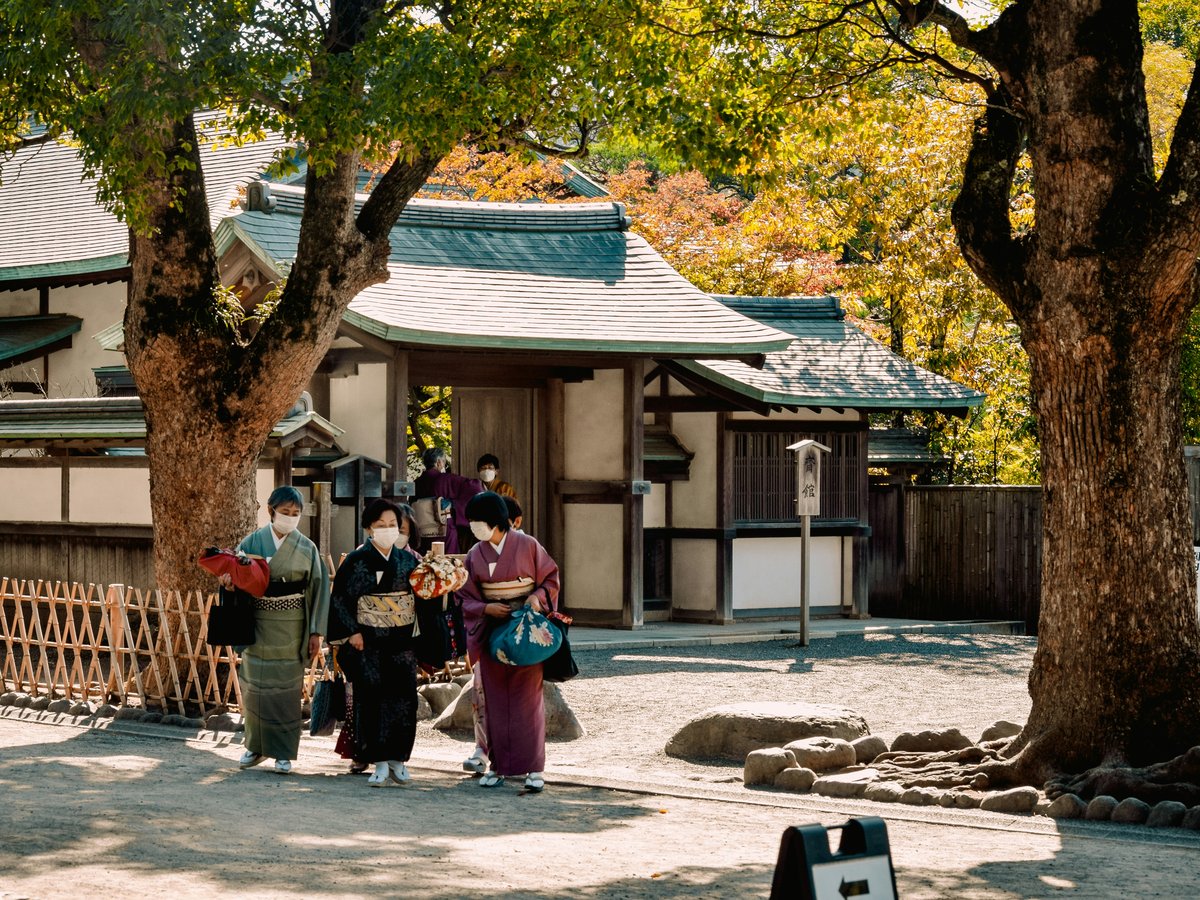
Yokohama's museums are best chosen by subject, because almost every one of them is about one thing. This list runs from a 1900 pre-dreadnought battleship to a museum whose date reaches back to 1275, and along the way there are stops for Japanese curry, tin toys, textiles, and modern Japanese literature. Several are institutions of record rather than entertainment: one is an archive, another a museum of anthropology and history, and a third holds a Historic Site of Japan designation. One entry, the Kamakura Museum of National Treasures, has a Kamakura address and earns its place as a day-trip pairing rather than a Yokohama stop. We wrote this list for the traveller with a free afternoon and a particular interest, not for someone trying to tick off every famous name. Pick the subject that pulls at you, check the hours we give, and expect rooms that reward a slow look more than a quick lap.
See the picks →
Browse experiences
Family & Kids in YokohamaOther traveler types
- For foodies
Yokohama for foodies
- For digital nomads
Yokohama for digital nomads
- For solo travelers
Yokohama for solo travelers
- For couples
Yokohama for couples
- For budget travelers
Yokohama on a budget
- For luxury travelers
Yokohama for luxury travelers
- For first-timers
Yokohama for first-time visitors