Compare every Japan city in July →
Stay in Yokohama in July
63 hotels in the Trip.com pool for Yokohama, from US$29 a night.
Opens Trip.com on Fri 2 Jul to Sun 4 Jul 2027; change the dates there.
July in Yokohama splits into two halves. The dividing line is the end of tsuyu, the Kanto rainy season, which the Japan Meteorological Agency usually declares around the third week of the month. Before then, expect grey skies over Minato Mirai, drizzle that comes and goes, and air that feels like a damp towel. After it lifts, the sun comes out and stays out, with afternoon highs around 31°C (87°F) and nights that barely cool off. The humidity tends to catch first-timers off guard: you'll step out of Sakuragicho Station and feel your shirt cling within a block.
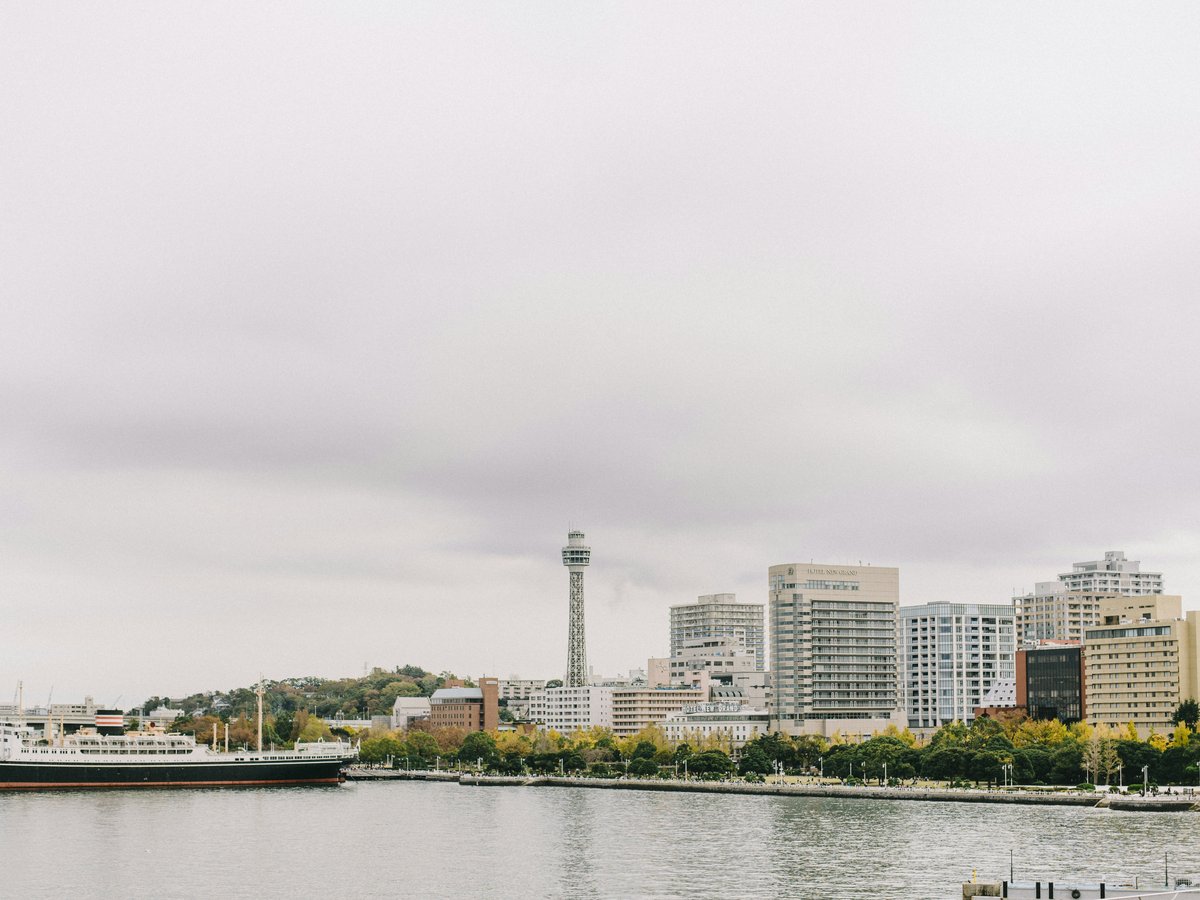
July is still when the Yokohama waterfront earns its reputation. Sea breezes off Tokyo Bay make Yamashita Park and the wooden deck of Osanbashi Pier noticeably more bearable than central Tokyo, 30 minutes up the Toyoko Line. Evenings are the reward. Sunset falls around 7pm, the Minato Mirai skyline lights up across the water, and the smell of grilled skewers drifts out of the Noge izakaya alleys.
The honest verdict for Yokohama in July is fair, not good: the first two weeks are quieter and cheaper, but damp. Once Japanese school holidays begin around July 20, hotel rates climb and weekend crowds in Chinatown thicken. If your dates are flexible, early November is a far better bet. If July is fixed, spend mornings and evenings outdoors and middays inside air-conditioned museums.
Why visit in July
- Lotus flowers bloom across the ponds of Sankei-en in Honmoku through July, and the garden has historically opened early on selected mornings for viewing.
- Umi no Koen in Kanazawa ward, the only swimming beach inside Yokohama city limits, usually opens for the season in mid-July.
- Evening sea breezes along the Yamashita Park and Osanbashi waterfront make harbour walks after 7pm more comfortable than anywhere inland in Tokyo.
- Rooftop beer gardens open on Yokohama department stores for summer, a fitting tradition in the city where Kirin's predecessor, Japan Brewery, started brewing in Yamate in 1885.
- The first half of July, before school holidays, still runs close to average hotel rates.
Worth knowing
- Heat Stroke Alerts from the Ministry of the Environment are routine for Kanagawa in late July, and the steep lanes of the Yamate Bluff are draining at midday.
- Until tsuyu lifts, low cloud often flattens the view from the Yokohama Marine Tower deck and hides Mount Fuji entirely.
- Typhoon season has started, and a single storm can suspend the Sea Bass water bus and delay JR Tokaido Line trains for half a day.
- On late-July weekends, Chukagai Odori in Chinatown and Hakkeijima Sea Paradise fill with domestic holidaymakers.
Best for
Think twice if
Nights hold around 24°C (75°F), so the city never really cools down. Rain totals about 159mm (6.3 inches) across roughly 12 wet days, and most of it falls in the first half of the month before the rainy season ends. Humidity sits near 79%, which makes the heat feel several degrees worse than the thermometer says. After tsuyu lifts, days usually turn clear, hot and still, with the occasional late-afternoon thunderstorm rolling in off the Tanzawa mountains.
Seasonal caution
- Heat stroke (necchusho) is the main hazard. When the Ministry of the Environment issues a Heat Stroke Alert for Kanagawa, plan indoor time between 11am and 3pm and drink water with electrolytes.
- Early typhoon season. July storms are rarer than in August or September, but one can cancel harbour cruises and disrupt Keikyu and JR services for a day, so check the Japan Meteorological Agency forecast each morning.
- Guerrilla downpours (gerira gou) in late July can drop heavy rain within an hour and briefly flood underpasses near Yokohama Station.
Year-round climate
Averages from the last 5 years.
| Month | Avg high (°C) | Avg low (°C) | Rainfall (mm) |
|---|---|---|---|
| Jan | 10 | 1 | 38 |
| Feb | 11 | 2 | 63 |
| Mar | 15 | 6 | 155 |
| Apr | 19 | 11 | 172 |
| May | 22 | 15 | 205 |
| Jun | 26 | 19 | 185 |
| Jul | 31 | 24 | 159 |
| Aug | 32 | 25 | 143 |
| Sep | 28 | 22 | 196 |
| Oct | 22 | 15 | 147 |
| Nov | 17 | 10 | 81 |
| Dec | 12 | 4 | 54 |
Holidays and festivals in July
Public holidays
- Marine Day(海の日)19 July 2027
Best things to do in July
Early-morning lotus viewing at Sankei-en
gardensWalk the pond paths of Sankei-en, the 1906 garden built by silk merchant Hara Sankei in Honmoku, while the lotus flowers open in the cool of the morning, with the historic three-storied pagoda reflecting in the water behind them.
The lotus bloom peaks in July, and the flowers open fully in the early morning and close by midday, so the heat and the bloom both favour a dawn visit.Booking tipCheck the Sankei-en website in late June for special early-opening dates, and take the bus from Negishi Station rather than walking in the heat.
Swimming at Umi no Koen
beachSpend a morning on the artificial sand beach at Umi no Koen in Kanazawa ward, where the water is calm and views stretch across to Hakkeijima Sea Paradise.
The beach is open for swimming during the summer season, which usually starts in mid-July, and water temperatures are comfortable by then.Booking tipTake the Kanazawa Seaside Line and arrive before 10am on weekends, when barbecue areas and shade fill quickly.
Harbour walk at dusk from the Bluff to Minato Mirai
walkingStart at Minato no Mieru Oka Koen (Harbor View Park) in Yamate, walk down through Yamashita Park past the Hikawa Maru ocean liner, then cross Osanbashi Pier toward Zou-no-hana Park and Akarenga Soko, the Red Brick Warehouse.
July's sunset near 7pm and the sea breeze off the water make this the one time of day when a long walk in Yokohama feels right, and the skyline lights come on as you reach the pier.BayStars night game at Yokohama Stadium
sportsWatch the Yokohama DeNA BayStars at Yokohama Stadium, which opened in 1977 inside Yokohama Park, with fans chanting through all nine innings and beer sellers running the aisles.
Summer night games in July are cooler than day baseball, and the club usually runs its summer promotional series with special uniforms during this stretch.Booking tipBuy tickets 2-3 weeks ahead through the BayStars site; weekend summer games often sell out.
Day trip to Hiratsuka Tanabata Festival
day tripRide the JR Tokaido Line about 35 minutes west to Hiratsuka, where the shopping streets around the station fill with giant paper streamer decorations and food stalls.
The festival usually runs for three days in early July around Tanabata, making it one of the three best-known Tanabata festivals in Japan.Booking tipGo on the weekday of the run if you can, and aim for evening when the streamers are lit and the heat eases.
Kamakura beach and temple combo
day tripVisit the Great Buddha at Kotoku-in in the morning, then walk 15 minutes down to Yuigahama beach for a swim and a shirasu lunch.
Kamakura's beach houses (umi no ie) operate in the summer season alone, which begins in early July.Booking tipTake the Yokosuka Line from Yokohama Station before 9am on weekends; the Enoden trains become standing-room-only by late morning.
Sunset cruise on the Sea Bass water bus
cruiseRide the Sea Bass between Yokohama Station East Exit, Minato Mirai and Yamashita Park for a low-level view of the harbour as the Cosmo Clock 21 Ferris wheel lights up.
July evenings on the water are the coolest way to see the harbour, and the long daylight means the last departures still catch the dusk colours.Booking tipCheck the schedule on typhoon-watch days, when sailings are often suspended.
What to eat in July
In season: fruit
Miura watermelon
Watermelons from the Miura Peninsula, south of Yokohama in Kanagawa, are harvested in July and show up in Yokohama supermarkets and at roadside stands near Misaki.
On menus now
Hiyashi chuka
Cold ramen noodles topped with ham, cucumber, egg, and a tangy sesame or soy-vinegar dressing, served at Chinatown restaurants and Noge ramen counters once the July heat arrives.
Street food peaks
Kakigori
Shaved ice with syrup, sweetened condensed milk, or matcha, available at cafes in Motomachi and at Chinatown stalls through July. The queues grow as the month heats up.
What to drink
Rooftop draft beer
Ice-cold nama beer at the department-store rooftop beer gardens near Yokohama Station, usually open from late spring through summer, is how Yokohama's office workers close out a July evening.
In markets
Shonan shirasu
Tiny whitebait from Sagami Bay, served raw or boiled over rice as shirasu-don. July is prime season in Kamakura and Enoshima, both a short Yokosuka Line ride from Yokohama.
Festival food
Unagi on Doyo no Ushi no Hi
Grilled eel glazed in sweet soy is the traditional dish for the Day of the Ox in late July, when it's eaten for stamina against the heat, and eel shops around Kannai take reservations for that day.
Regular events in July
Yokohama Sparkling TwilightFree
A two-day harbour festival in Yamashita Park with a boat parade, candle displays and a short fireworks show over the water.
Usually a weekend in mid-to-late JulyTanabata (Star Festival)Free
The national star festival, when people write wishes on paper strips and hang them on bamboo. Displays appear at Yokohama Station malls, Motomachi and shrines around the city.
July 7Hiratsuka Tanabata FestivalFree
Kanagawa's largest Tanabata celebration, with oversized streamer decorations along the shopping streets near Hiratsuka Station and hundreds of food stalls.
Early July, usually a three-day runMarine Day (Umi no Hi)Free
A national holiday honouring the ocean that creates a three-day weekend, so beaches, Hakkeijima Sea Paradise, and waterfront hotels get busier.
Third Monday of JulyDoyo no Ushi no Hi (Day of the Ox)
A traditional midsummer day on which people across Japan eat grilled eel for stamina, and eel shops in Kannai and the Yokohama Station department-store food halls get long queues.
Late July, date varies each yearUmi no Koen beach season openingFree
The official start of swimming season at Yokohama's only city beach, with lifeguards and beach facilities in operation.
Usually mid-July, running into late AugustBest places this July
Sankei-en
gardenTraditional Japanese garden with relocated historic buildings, including a Muromachi-era pagoda, and large lotus ponds that bloom this month.
HonmokuYamashita Park
parkSeafront park along the harbour with shaded benches, the moored Hikawa Maru liner, and the best seats for July's harbour fireworks.
KannaiOsanbashi Pier
viewpointCruise terminal with a free, rolling wooden rooftop deck that catches the sea breeze and faces the Minato Mirai skyline at dusk.
Kaigan-doriUmi no Koen
beachYokohama's only swimming beach, a curved sand strip facing Hakkeijima, with barbecue areas and tidal flats for kids.
KanazawaMinato no Mieru Oka Koen (Harbor View Park)
parkHilltop park on the Bluff with a rose garden and harbour views, best in the early evening when the heat drops.
YamateNogeyama Zoo
zooFree zoo opened in 1951 on a wooded hill above Sakuragicho, with shade trees that make it one of the cooler outdoor spots in July.
NogeNoge izakaya alleys
nightlifeHundreds of small bars and yakitori counters west of Sakuragicho Station, many with open fronts and stools spilling into the lanes on summer nights.
NogeYokohama Chinatown (Chukagai)
food districtJapan's largest Chinatown, with Kanteibyo temple at its centre, where the shaded side lanes are a better July bet than the main street for cold noodles and shaved ice.
ChinatownKanazawa Bunko
museumMuseum rooted in a samurai library founded in 1275, next to Shomyo-ji temple and its pond garden, and a quiet air-conditioned stop on the way to Umi no Koen.
Kanazawa
Your packing checklist
Tick items off as you pack. Your progress saves in this browser.
All packed — have a great trip.
Insider tips
Walk the waterfront downhill: start at Harbor View Park in Yamate around 6pm and descend through Yamashita Park toward Osanbashi, so the hardest climb is behind you and you reach the pier as the skyline lights come on.
For the Yamashita Park fireworks, a lot of locals watch from the Osanbashi deck or Zou-no-hana Park rather than the park itself, which fills with picnic sheets by mid-afternoon.
Skip the hotel bars in Minato Mirai on a summer night and head to Noge. The open-front yakitori counters near Sakuragicho Station are where Yokohama office workers cool down with a beer.
In Chinatown, the lanes around Kanteibyo-dori and Ichibadori run narrower and shadier than Chukagai Odori, and the queues for cold noodles are shorter too.
Go to Umi no Koen on a weekday morning, because on weekends the Kanazawa Seaside Line from Shin-Sugita gets crowded with families heading to Hakkeijima.
Avoid these mistakes
- Assuming the rainy season ends on July 1. In Kanto it usually runs into the third week of the month, so outdoor-heavy plans for early July need a wet-weather backup.
- Scheduling the Yamate Western houses walk for 1pm. The Bluff is steep and exposed, and in late July it is the worst possible time, so go before 10am or after 5pm.
- Waiting until July to book a Minato Mirai hotel for the last week of the month, when school holidays and the fireworks weekend squeeze availability.
- Committing a whole day to Kamakura beaches without checking the typhoon forecast, since a storm swell closes swimming at Yuigahama even under blue skies.
Practical tips for July
Book hotels for the second half of July at least a month ahead, especially around the fireworks weekend and the national holiday long weekend. Beach houses in Kamakura and swimming at Umi no Koen are seasonal: earlier in the month the sand is there but the facilities are not. Keep a charged Suica or Pasmo card with you, since vending machines for cold drinks are on almost every corner and they are the fastest way to rehydrate. Many museums, including the Yokohama Archives of History, close on Mondays, and when Marine Day falls on a Monday they usually open that day and close the following Tuesday instead. Tipping is not practised in Yokohama. Temples in Kamakura expect covered shoulders in the main halls, so pack a light scarf. For general transit and neighbourhood orientation, Wikivoyage's Yokohama article (https://en.wikivoyage.org/wiki/Yokohama#Get_around) is a reliable starting point.
FAQ
Is July a good time to visit Yokohama?
July is a fair month rather than a good one. Rain and cloud dominate the first half until the Kanto rainy season ends, and the second half is hot, humid, and busier with school holidays. It works if you plan outdoor time for mornings and evenings. Spring (April) and autumn (late October to November) are much more comfortable.
What is the weather like in Yokohama in July?
Expect warm, humid days and muggy nights: drizzle is common before tsuyu ends, then clear, hot skies take over. Sudden late-afternoon thunderstorms happen, and early typhoons are possible. Dress in breathable fabrics and carry an umbrella every day.
Is Yokohama crowded in July?
Early July is relatively quiet, but from around July 20, when Japanese schools break for summer, Chinatown, Hakkeijima Sea Paradise, Minato Mirai and the beaches get noticeably busier, particularly on weekends and the fireworks weekend.
Can you swim in Yokohama in July?
Yes, once the season opens. Umi no Koen in Kanazawa ward is the one official swimming beach in the city and usually opens in mid-July. For a larger beach, Yuigahama in Kamakura is about 25 minutes from Yokohama Station on the JR Yokosuka Line.
Are there fireworks in Yokohama in July?
Usually, yes. The Yokohama Sparkling Twilight festival in Yamashita Park normally ends with fireworks over the harbour: a smaller local show rather than a Tokyo-scale display, and free to watch from the waterfront.
Things to Do in Yokohama in July
 Free cancellation
 Tokyo in 1 Day from Yokohama: Private Tour, Licensed Guide
Day trip: 8 hours, free cancellation.
via Viator Free cancellation
 Tokyo Private Tour by Car with English-Speaking Driver (Premium)
Day trip: 9 hours, free cancellation.
via Viator Free cancellation
 Yokohama ⇆ Tokyo, Narita, Haneda Airport Private Transfer
Day trip: free cancellation.
via ViatorLast verified by automated review (v1.7.2) on . What is automated review?