Compare every Japan city in September →
Stay in Yokohama in September
63 hotels in the Trip.com pool for Yokohama, from US$29 a night.
Opens Trip.com on Fri 3 Sep to Sun 5 Sep 2027; change the dates there.
September in Yokohama is typhoon season, and that shapes every plan you make this month. The Kanto region's storm peak tends to run from late August into early October, and one direct hit can shut Osanbashi Pier and halt JR and Keikyu trains for most of a day. Daytime highs still average 28.3°C (83°F), with nights around 22.0°C (72°F), so the first two weeks feel like a gentler August. The air off Tokyo Bay stays heavy and salty, and your shirt will probably stick to you by 10am.
The second half of the month turns. By the equinox, the cicadas in the Yamate hills have mostly gone quiet, evenings along the Yamashita Park promenade finally carry a cool breeze, and bakeries on Chukagai Odori in Chinatown fill their windows with mooncakes ahead of the harvest moon.
In 2026, the calendar matters as much as the weather. Respect for the Aged Day (September 21) and Autumnal Equinox Day (September 23) sandwich an extra national holiday, which creates a five-day Silver Week from September 19 to 23. Domestic travelers fill Minato Mirai hotels for it. Outside that window, Yokohama is noticeably quieter than in October or November, and weekday rooms in Kannai are still easy to find.
Why visit in September
- Crowds in Minato Mirai and Chinatown thin out on weekdays outside Silver Week, well below October and November levels.
- Mooncakes and lantern displays in Yokohama Chinatown appear in the weeks before the Mid-Autumn Festival.
- Late-September evenings on the waterfront drop toward 22°C, so harbor walks after dark become comfortable again.
- The Yokohama DeNA BayStars play their final regular-season home games, and pennant-race nights can get loud and dramatic.
Worth knowing
- A single typhoon can wipe out one or two days, closing waterfront parks and suspending the Minatomirai Line and JR services.
- September ranks as the second-wettest month of Yokohama's year, and akisame autumn rain fronts can stall over Kanagawa for several days.
- The early September heat and humidity still make midday walks up the Yamate slopes draining.
- Silver Week raises hotel rates and fills day-trip trains to Kamakura and Hakone.
Best for
Think twice if
Rain totals reach 196mm (7.7 in) across roughly 13 rainy days, making September the second-wettest month after May. Humidity averages 79%, and in the first half of the month the air sits thick and warm, like a damp towel. Typhoons and akisame rain fronts tend to deliver rain in heavy bursts rather than steady drizzle, so a clear morning can turn to sideways rain by 3pm. The days after a storm often bring the clearest, crispest skies of the month over Tokyo Bay, and late September nights feel noticeably cooler against bare arms than August's.
Seasonal caution
- Typhoon season peaks this month: the Japan Meteorological Agency issues storm warnings 2 to 3 days ahead, and JR East and Keikyu often announce planned suspensions (keikaku unkyu) the evening before landfall.
- Localized downpours can top 50mm (2 in) in an hour, flooding underpasses and the low-lying streets around Yokohama Station's west exit.
- Heat stroke alerts run through early September in Kanagawa, where highs still sit near 30°C (86°F).
Year-round climate
Averages from the last 5 years.
| Month | Avg high (°C) | Avg low (°C) | Rainfall (mm) |
|---|---|---|---|
| Jan | 10 | 1 | 38 |
| Feb | 11 | 2 | 63 |
| Mar | 15 | 6 | 155 |
| Apr | 19 | 11 | 172 |
| May | 22 | 15 | 205 |
| Jun | 26 | 19 | 185 |
| Jul | 31 | 24 | 159 |
| Aug | 32 | 25 | 143 |
| Sep | 28 | 22 | 196 |
| Oct | 22 | 15 | 147 |
| Nov | 17 | 10 | 81 |
| Dec | 12 | 4 | 54 |
Holidays and festivals in September
Public holidays
- Respect for the Aged Day(敬老の日)20 September 2027
- Autumnal Equinox Day(秋分の日)23 September 2027
Best things to do in September
Mooncake tasting along Chukagai Odori
foodWalk Yokohama Chinatown's main street and its side lanes, compare the mooncakes at several bakeries, then stop at Kanteibyo, the temple to Guan Yu, for its lanterns after dark.
Mooncakes are a pre-Mid-Autumn product, and the full seasonal range with gift boxes is on sale mostly from late August through September.Booking tipGo before 11am on weekdays, since the popular bakeries tend to sell out of single mooncakes by mid-afternoon on the weekend before the festival.
BayStars home game at Yokohama Stadium
sportsWatch the Yokohama DeNA BayStars at their 1977 ballpark beside Kannai Station, with trumpet chants from the right-field stands and draft beer from the stadium's own brewery-branded stalls.
The Central League regular season ends in late September, so the last home stand often carries playoff stakes, and the evening air is finally cooler.Booking tipTickets for weekend and final-week games go on sale weeks ahead through NPB ticketing channels, and infield seats sell out first.
Post-typhoon view from Yokohama Marine Tower
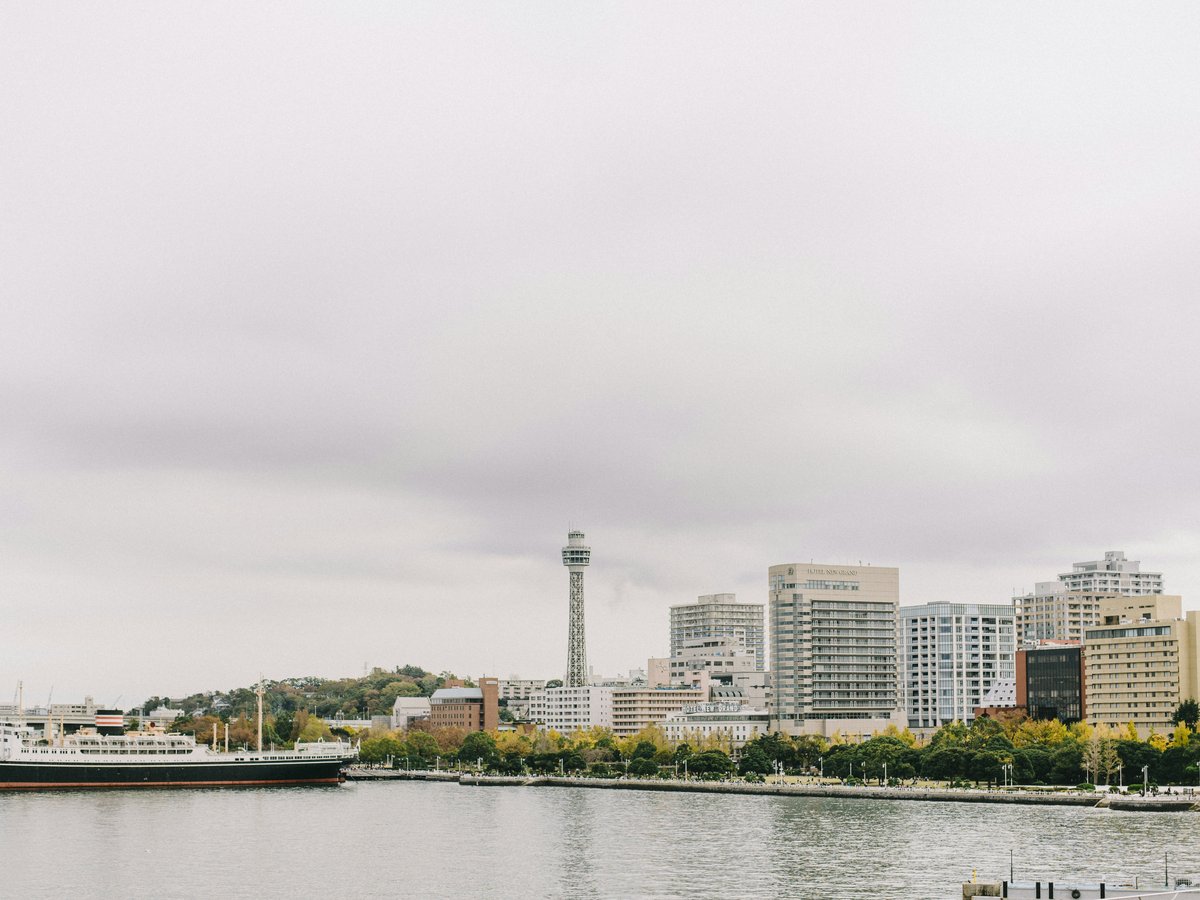
sightseeingRide up the 1961 tower beside Yamashita Park for a 360-degree view across Tokyo Bay, the Bay Bridge and, on a good day, Mount Fuji to the west.
The day after a typhoon passes, the air over Kanto is often scrubbed of haze, and you can sometimes see Fuji's silhouette clearly at sunset, which is rare during August's hazy weeks.Booking tipCheck the forecast the night a storm clears and aim for the hour before sunset, around 5:30pm in late September.
Harvest-moon evening at Sankei-en
cultureStroll the 1906 garden in Honmoku during its evening moon-viewing openings, when the relocated farmhouses and three-story pagoda are reflected in the main pond.
Sankei-en has held moon-viewing evenings around the Mid-Autumn full moon in recent years, making it one of the few times the garden stays open after dark.Booking tipConfirm the dates on the garden's official calendar in early September, since the schedule shifts with the lunar date and weather.
Rainy-day history at the Yokohama Archives of History
museumThe archive opened in 1981 on the site of the former British Consulate in Kannai, tracing the 1859 opening of the port through photographs, maps and treaty-era documents.
A solid typhoon-day fallback: it sits within a 5-minute walk of Nihon-odori Station, so you can stay dry and still spend the day in the old port district.Night walk from Osanbashi to Akarenga
outdoorsWalk the wooden deck of Osanbashi Pier at dusk, then follow the waterfront to the Red Brick Warehouse and the lit-up Cosmo Clock 21 wheel in Minato Mirai.
By the last 10 days of September, evening temperatures on the pier feel pleasant for a 2km (1.2 mi) walk, which is rarely true in July or August.What to eat in September
In season: fruit
Hama-nashi pears
Yokohama's own nashi (Asian pear), grown on farms in the city's northern wards, reaches peak ripeness from late August into mid-September. Farm stands sell them crisp and dripping with juice, and supplies are limited.
On menus now
Sanma shioyaki
Pacific saury grilled with salt and served with grated daikon hits izakaya menus in Noge from early September. The skin crackles, the smoke smells faintly sweet, and the fish is fattiest this month.
In markets
Kuri (chestnut) sweets
The new-season chestnut harvest starts in September, and cafes in Motomachi switch to Mont Blanc and kuri kinton by the last week of the month.
Festival food
Geppei (mooncakes)
Chinatown bakeries sell lotus-seed, red-bean and salted-egg-yolk mooncakes in the weeks before the Mid-Autumn Festival, and most shops stop stocking the full range by early October.
Tsukimi dango
Around the harvest moon, plain white rice dumplings stacked in a pyramid for moon viewing appear at Japanese confectioners across Kanagawa.
Regular events in September
Tsurugaoka Hachimangu Reitaisai and yabusameFree
Kamakura's main shrine holds its annual grand festival, and on the final day, mounted archers in Kamakura-era hunting dress shoot at targets from galloping horses. Kamakura is about 25 minutes from Yokohama Station on the JR Yokosuka Line.
September 14-16, with yabusame on September 16Yokohama Chinatown Mid-Autumn Festival (Chushu-setsu)Free
Red lanterns, lion dances and lantern displays fill Chinatown around the harvest moon, with ceremonies at Kanteibyo and Masobyo temples.
Around the Mid-Autumn full moon, which falls on September 25 in 2026Yokohama Oktoberfest
A German beer festival in the plaza of the Red Brick Warehouse, with long communal tables, imported lagers, sausages and live brass bands.
Usually opens in the last days of September and runs into mid-OctoberBayStars final regular-season home stand
The last home games of the Central League season at the Kannai ballpark often turn into farewell ceremonies for retiring players.
Mid to late SeptemberBest places this September
Yamashita Park
parkA seawall park built on rubble from the 1923 Great Kanto Earthquake. The retired ocean liner Hikawa Maru is moored at its eastern end, and late-September evenings here are the first breezy ones of the year.
Yamashita-choMinato-no-Mieru-Oka Park (Harbor View Park)
parkThis hilltop park overlooks the Bay Bridge, and its rose garden often has a second, smaller autumn bloom starting in late September.
YamateSacred Heart Cathedral
landmarkA 1933 Catholic cathedral on the Yamate bluff, its cool, quiet interior a welcome break on a humid afternoon walk through the old foreigners' quarter.
YamateNoge izakaya district
food districtAround 600 small bars and eateries are packed into the lanes south of Sakuragicho Station. Seasonal sanma and cold draft beer are the September order.
NogeNogeyama Zoo
zooThis small hillside zoo opened in 1951 and charges no admission. Animals tend to be more active in the cooler late-September mornings.
NogeyamaMotomachi Shopping Street
shopping streetA long, walkable street of boutiques and bakeries at the foot of the Yamate hill, where the covered storefront canopies give you some shelter when a shower catches you off guard.
Motomachi
Your packing checklist
Tick items off as you pack. Your progress saves in this browser.
All packed — have a great trip.
Insider tips
Install the Japan Tourism Agency's Safety Tips app before you land: it pushes typhoon and heavy-rain alerts in English, often hours before hotel staff mention them.
If a typhoon is forecast, locals shop the day before, and convenience stores near Yokohama Station can run out of bread and onigiri by that evening.
For sanma and beer, head to the standing bars in Noge rather than the chain restaurants in Minato Mirai's malls: prices run noticeably lower, and the fish is grilled over charcoal.
The best clear-sky photo window of the month usually comes the morning after a typhoon passes, so keep one flexible slot in your itinerary for it.
Yamate's Western-style residences, such as Berrick Hall and Ehrismann House, are free to enter and air-conditioned, making them good hilltop stops on hot early-September days.
Avoid these mistakes
- Booking a Mount Fuji or Hakone day trip for a fixed date in September. Pick the date 2 or 3 days out, after checking the JMA typhoon track.
- Arriving for Silver Week without a hotel booking and assuming Yokohama has spare rooms, since domestic holidaymakers fill the city along with Tokyo.
- Expecting autumn color in late September: ginkgo and maple leaves in Yokohama usually turn from late November into early December.
- Wearing heavy cotton jeans for full sightseeing days in the first half of the month, when the humidity makes them clammy by noon.
Practical tips for September
Book any stay overlapping Silver Week at least 6 to 8 weeks ahead, and choose a rate with free cancellation in case a typhoon reroutes your plans. When JR East, Keikyu, or the Minatomirai Line announce a planned suspension, services usually halt before the storm peaks and restart gradually the next morning, so avoid scheduling a Narita or Haneda departure for that morning after landfall. Outdoor gardens, observation decks, and harbor cruises tend to close during storm warnings, so check each venue's website that morning. Tipping is not practiced in Japan. Coin lockers at Yokohama Station fill up quickly on rainy weekends, so drop your bags early. A Suica or PASMO card works on every train, bus, and convenience store in the city.
FAQ
Is September a good time to visit Yokohama?
It is a fair month rather than a great one. The typhoon risk and heavy rain put it among the riskier months, ranking around 8th of 12, and late September is noticeably better than early. Weekday visits outside Silver Week reward travelers who keep their plans flexible.
What is the weather like in Yokohama in September?
Expect warm, sticky days in the first half of the month, with cooler and breezier evenings after the equinox. Rain comes in heavy bursts tied to typhoons and autumn fronts rather than all-day drizzle, and a sunny morning can still turn stormy by mid-afternoon.
How do typhoons affect a trip to Yokohama in September?
Most years one or two typhoons pass close enough to disrupt the Kanto region for 12 to 24 hours, with trains stopping on a planned schedule and waterfront attractions closing. The storms rarely last more than a day, and the skies afterward are often the clearest of the month.
Is Yokohama crowded in September?
On weekdays the city moves at a moderate pace, with crowds in Minato Mirai and Chinatown well below the October and November peak. The Silver Week holiday run and the Mid-Autumn weekend in Chinatown are the exceptions, when streets and trains fill with domestic visitors.
Things to Do in Yokohama in September
 Free cancellation
 Tokyo in 1 Day from Yokohama: Private Tour, Licensed Guide
Day trip: 8 hours, free cancellation.
via Viator Free cancellation
 Tokyo Private Tour by Car with English-Speaking Driver (Premium)
Day trip: 9 hours, free cancellation.
via Viator Free cancellation
 Yokohama ⇆ Tokyo, Narita, Haneda Airport Private Transfer
Day trip: free cancellation.
via ViatorLast verified by automated review (v1.7.2) on . What is automated review?