Compare every Japan city in February →
Stay in Yokohama in February
63 hotels in the Trip.com pool for Yokohama, from US$29 a night.
Opens Trip.com on Fri 5 Feb to Sun 7 Feb 2027; change the dates there.
February in Yokohama is cold, dry and bright, and the main reason to come is Chinatown's Lunar New Year festival, where lion dancers, firecrackers and red lanterns take over the streets around Kanteibyo for about two weeks. Outside Chinatown, the city is at its quietest. Daytime highs reach about 10.7°C (51°F) and nights fall to around 1.8°C (35°F), so you'll want a proper coat after dark on the waterfront at Minato Mirai.
The dry winter air helps. Clear mornings are when Mount Fuji tends to appear over the harbor, and it gets crisp enough that Yokohama Landmark Tower's Sky Garden deck can look like a postcard. In the second half of the month, the plum trees at Sankei-en start to flower, weeks before the cherry blossom crowds arrive in late March.
February is not Yokohama's best month: the wind off Tokyo Bay bites at Yamashita Park, the beer gardens and harbor terraces are shut, and some years bring a snowfall that snarls the Tokaido Line for a morning. Hotel rates are near their yearly low, except on Chinatown's festival weekends and during the CP+ camera show at Pacifico Yokohama.
Why visit in February
- Yokohama Chinatown's Shunsetsu (Lunar New Year) festival fills the streets around Kanteibyo and Masobyo with lion dances and lantern displays, the largest such celebration in Japan.
- Sankei-en's plum grove blooms from mid-February, so you get flowers without the cherry blossom crowds that pack Yamate and Kamakura in April.
- Dry, clear air gives the best Mount Fuji views of the year from Minato no Mieru Oka Koen and the Landmark Tower Sky Garden.
- Hotels in Minato Mirai and Kannai run at deep low-season rates on weekdays, well under their spring and autumn levels.
- February gets 63mm (2.5in) of rain over about 6 days, far drier than March's 155mm.
Worth knowing
- Nights near 2°C (35°F) and wind off Tokyo Bay make evening harbor walks along Osanbashi Pier and Yamashita Park uncomfortable after about 5pm.
- Outdoor seasonal draws are closed or bare, including the Red Brick Warehouse beer events, the Yamashita Park rose garden and BayStars baseball at Yokohama Stadium.
- Chinatown's Lunar New Year weekends get very crowded on Chukagai Odori, and the parade day can mean long waits for seats.
- One or two Kanto snowfalls a winter can delay the Keikyu, Tokyu Toyoko and JR lines for hours.
Best for
Think twice if
Expect Yokohama's classic winter pattern. Most days are sunny and dry under a high, pale sun, but the temperature swing between noon and nightfall is steep, and the sea wind at Minato Mirai makes it feel several degrees colder than the thermometer says. Rain comes in short frontal bursts rather than long wet stretches. Every few years a cold low off the Pacific coast brings wet snow that melts by the next afternoon. The dry air cracks lips and knuckles within a couple of days.
Seasonal caution
- A small Kanto snowfall, often only 1-5cm (0.4-2in), can delay or suspend the Tokaido, Yokosuka and Keikyu lines and make the sloped streets in Yamate slippery. Check the JR East service updates before any early-morning airport transfer.
Year-round climate
Averages from the last 5 years.
| Month | Avg high (°C) | Avg low (°C) | Rainfall (mm) |
|---|---|---|---|
| Jan | 10 | 1 | 38 |
| Feb | 11 | 2 | 63 |
| Mar | 15 | 6 | 155 |
| Apr | 19 | 11 | 172 |
| May | 22 | 15 | 205 |
| Jun | 26 | 19 | 185 |
| Jul | 31 | 24 | 159 |
| Aug | 32 | 25 | 143 |
| Sep | 28 | 22 | 196 |
| Oct | 22 | 15 | 147 |
| Nov | 17 | 10 | 81 |
| Dec | 12 | 4 | 54 |
Holidays and festivals in February
Public holidays
- Foundation Day(建国記念の日)11 February 2027
- The Emperor's Birthday(天皇誕生日)23 February 2027
Headline events
Yokohama Chinatown Shunsetsu (Lunar New Year Festival)
Late January to late February, following the lunar calendar. The main parade usually falls on a weekend about a week after New Year's Day.
Yokohama Chinatown marks the Lunar New Year with lion dances moving shop to shop along Chukagai Odori, midnight countdown rites at Kanteibyo and Masobyo, and lantern illuminations over the gates. The centrepiece is the Shunsetsu Parade (Yuko Parade), with dragons, dancers in period costume and drum troupes winding through the district and toward Yamashita Park. Lunar New Year falls on 6 February in 2027, and the celebrations run for about two weeks after it.
Best things to do in February
Plum blossom walk at Sankei-en
gardensStroll the grounds of Hara Sankei's garden in Honmoku, where plum trees flower in front of the relocated three-story pagoda from Kyoto's Tomyo-ji and the old farmhouses. The garden opened to the public in 1906.
The plum grove usually peaks from mid-February into early March, and the garden holds its plum-viewing event with tea service then.Booking tipGo before 10am on a weekday, because weekend afternoons draw tour buses once the grove passes about 50% bloom.
Lunar New Year lion dances in Chinatown
cultureFollow the lion dance troupes as they visit shopfronts along Chukagai Odori and Kanteibyo-dori, with gongs, firecrackers and blessings for each business.
The dances happen during the Lunar New Year window, and the rest of the year Chinatown's streets offer food but no pageantry.Booking tipCheck the Yokohama Chinatown Development Association's posted schedule, since troupe routes change daily.
Fuji-spotting from the Yamate bluff
sightseeingWalk up from Motomachi to Minato no Mieru Oka Koen and along the Yamate ridge past the Western houses and the Catholic cathedral for views over the harbor and Bay Bridge.
Low humidity means Fuji shows on the western horizon on roughly half of February mornings. That's rare by May.Strawberry picking on the Miura Peninsula
foodTake the Keikyu Line south from Yokohama Station toward Miurakaigan and pick strawberries in heated greenhouses, usually as a timed all-you-can-eat session.
February falls in the heart of the January to May picking season, when yields are high and weekday greenhouses are uncrowded.Booking tipReserve weekend slots about 1 week ahead, as farms close early once the ripe fruit is gone.
Plum viewing and Kamakura temples
day tripTake the JR Yokosuka Line roughly 25 minutes out to Kamakura, where the plum groves at Egara Tenjin-sha and Zuisen-ji are reason enough to come, and from there the walk to the Great Buddha at Kotoku-in is straightforward.
Kamakura's plum season runs in February, before the April and June crowds arrive, so the lanes stay walkable.Nogeyama Zoo in winter
familyWe'd visit the red pandas and other animals at the free hilltop zoo above Noge, which opened in 1951, then head down to Noge's small bars.
Red pandas and other cold-weather animals are at their liveliest in February's cool air, and on a weekday the visitor numbers are low.What to eat in February
In season: fruit
Miura strawberries
Kanagawa's Miura Peninsula strawberry farms hit their stride in February, and the berries turn up in Motomachi patisseries and at the Red Brick Warehouse's winter strawberry fair.
On menus now
Sanma-men
Yokohama's own noodle soup, a thickened soy broth with stir-fried bean sprouts and cabbage, stays hot longer than ramen, and Noge's old counters serve it through the winter.
Gyunabe
Yokohama made beef hot pot popular in the 1860s after the port opened, and a simmering pot of beef, leeks and tofu in a sweet soy base suits February's cold nights in Kannai.
Street food peaks
Nikuman and yaki-shoronpo
Steamed pork buns and pan-fried soup dumplings are sold from Chinatown street windows, taste best on a 5°C (41°F) evening, and are everywhere during Lunar New Year.
In markets
Miura daikon
Kanagawa's heavy, sweet winter radish is at its densest in February, soaking up oden broth in Noge and Kannai izakaya.
Festival food
Ehomaki
On Setsubun, uncut sushi rolls are eaten in silence while facing the year's lucky direction, and every Yokohama supermarket and convenience store stacks them in early February.
Regular events in February
Setsubun bean-throwingFree
Priests and invited guests throw roasted soybeans to drive out demons and welcome spring, and both Soji-ji in Tsurumi and Iseyama Kotai Jingu near Sakuragicho draw large crowds.
3 FebruaryNational Foundation DayFree
A national public holiday. Expect heavier weekend-style crowds at Minato Mirai shopping centers and on trains to Kamakura.
11 FebruaryCP+ Camera and Photo Imaging ShowFree
Japan's main camera trade show fills Pacifico Yokohama with stands and hands-on demos from Canon, Nikon, Sony and Fujifilm.
Late February, over 4 daysYokohama Strawberry FestivalFree
The Red Brick Warehouse event square fills with strawberry sweets, drinks and desserts from Kanagawa producers.
Mid-February to early MarchEmperor's BirthdayFree
A national holiday that gives many Kanto residents a long weekend, so day-trip trains to Kamakura and Miura run busier.
23 FebruaryBest places this February
Sankei-en
gardenA traditional Japanese garden with a Muromachi-era pagoda. Its plum grove is the headline in late February.
HonmokuYokohama Chinatown
neighborhoodAbout 600 shops and restaurants inside ten ornate gates. It's the center of the Lunar New Year festival.
Yamashita-choMinato no Mieru Oka Koen
viewpointA hilltop park on the Yamate bluff with a view over the Bay Bridge and, on dry days, Fuji.
YamateYokohama Marine Tower
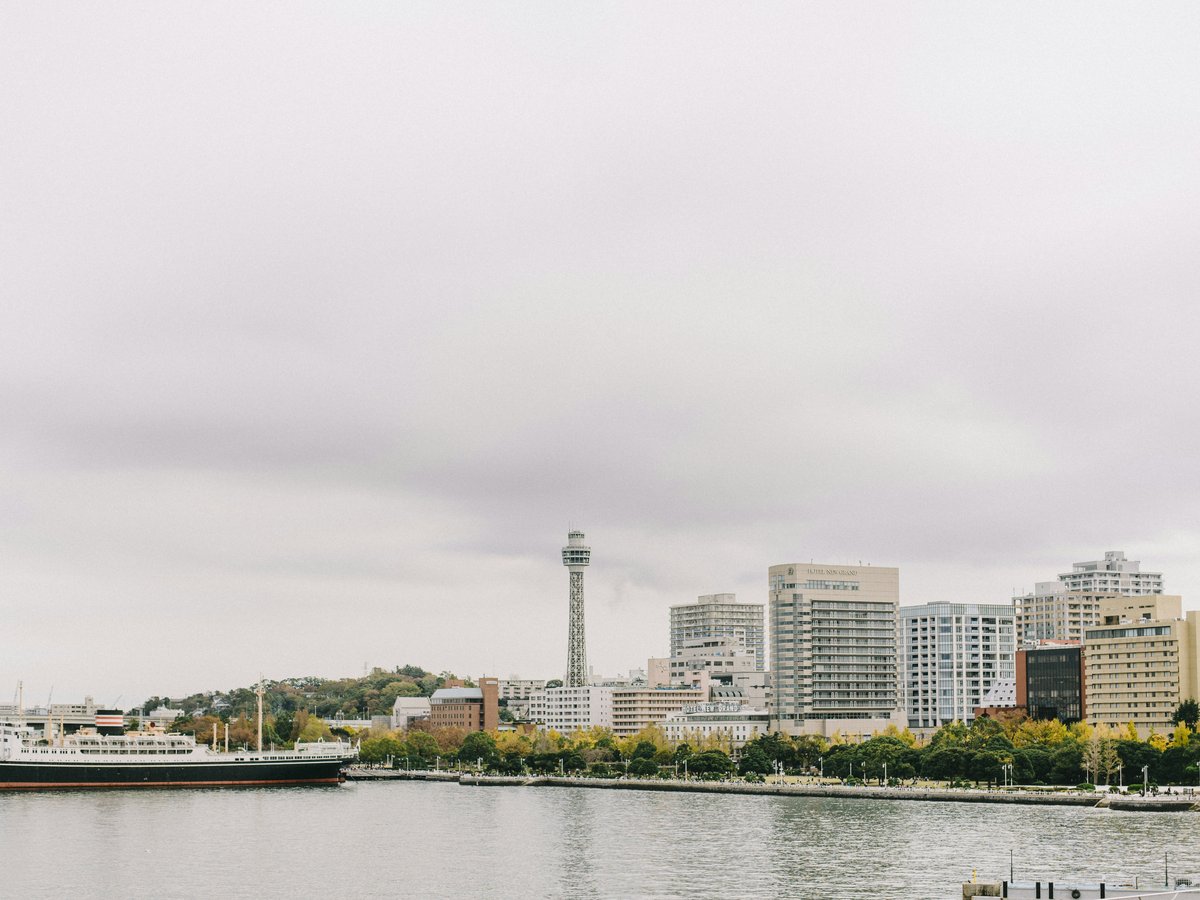
viewpointThe observation tower opened in 1961 and looks over Yamashita Park, giving you a sheltered, heated vantage on the harbor when the wind picks up.
Yamashita-choYokohama Archives of History
museumThe archive opened in 1981 on the site of the 1854 treaty signing, making it a warm indoor stop that covers the port's opening and pairs well with gyunabe history.
KannaiKanazawa Bunko
museumThe museum descends from a samurai library founded in 1275, sitting next to Shomyo-ji's garden, and the grounds have winter plum trees too.
Kanazawa-kuCathedral of the Sacred Heart, Yamate
landmarkThe seat of the Yokohama diocese, rebuilt in 1933. It sits on the bluff walk between Motomachi and the Western houses.
YamateNoge
neighborhoodA maze of tiny izakaya and standing bars below Nogeyama, and the warmest place in the city on a February night.
Noge
Your packing checklist
Tick items off as you pack. Your progress saves in this browser.
All packed — have a great trip.
Insider tips
We'd skip Chinatown's main street on the parade weekend and eat on the side lanes near Masobyo, where the queues for yaki-shoronpo run about a third as long.
For the clearest view of Fuji, head to Minato no Mieru Oka Koen or the Nogeyama Park lookout within an hour of sunrise. By noon, haze usually blurs the western horizon.
Sankei-en posts bloom-progress updates on its site each week in February, so plan your visit for the 50-70% bloom stage, before petals drop in the early-March winds.
The Keikyu Line's Misaki Maguro Kippu discount ticket bundles train, bus, and a tuna meal voucher for Misakiguchi, which makes a strawberry-picking day to Miura cheaper and simpler.
In Noge, most small bars open around 5pm and are warmest before 7pm, when the counters are still half empty and the owners will chat.
Avoid these mistakes
- Planning an evening harbor cruise from Pier Pier or Osanbashi without heavy layers: the open decks are brutally cold after dark in February.
- Showing up to Chinatown on New Year's Day expecting the parade, which is usually on a later weekend. Check the schedule first.
- Booking a Kamakura day trip for 11 or 23 February. Those public holidays pack the Enoden and Kotoku-in with Tokyo crowds.
- Assuming plum blossom timing is fixed. A cold January can push Sankei-en's peak into March.
Practical tips for February
Book hotels near Motomachi-Chukagai or Ishikawacho stations early if your dates overlap Chinatown's parade weekend or CP+ week, since those rooms fill fast. Carry a Suica or Pasmo card for the Minatomirai Line, Keikyu and JR, and top it up before day trips to Kamakura or Miura. Some Chinatown restaurants close for a staff break around Lunar New Year, so have a second choice ready. Outdoor gardens like Sankei-en close at 5pm with last entry at 4:30pm, and the light fades around 5:20pm in February. Tipping isn't expected anywhere. If snow is forecast, leave extra time for trains to Haneda or Narita and check JR East and Keikyu service updates the night before.
FAQ
Is February a good time to visit Yokohama?
Yes, if you're comfortable with cold nights. February is quiet and cheap by Yokohama standards, with two genuine draws: Chinatown's Lunar New Year festival and Sankei-en's plum blossoms. It ranks around 7th of 12 months, trailing April, May, October and November because evenings bite and outdoor harbor life is on hold until spring.
What is the weather like in Yokohama in February?
Mostly sunny and dry, with cold mornings that ease off into mild afternoons. Rain is light and clear days are the norm, but the harbor wind has a way of making evenings feel colder than the temperature reading implies. Snow is possible once or twice through the winter, and it usually melts within a day.
Is Yokohama crowded in February?
Mostly no. Minato Mirai, Yamate and the museums hit their quietest stretch of the year on weekdays. Chinatown on Lunar New Year weekends is the exception: Chukagai Odori is shoulder to shoulder and the parade route fills an hour early.
Is Yokohama good for families in February?
Yes. Yokohama scores 8.5/10 for family friendliness (see the TTDI Family-Friendliness Index). In February, indoor options like the Cup Noodles Museum and the Marine Tower give you warm hours when the cold limits your time outside, and Nogeyama Zoo is free.
Things to Do in Yokohama in February
 Free cancellation
 Tokyo in 1 Day from Yokohama: Private Tour, Licensed Guide
Day trip: 8 hours, free cancellation.
via Viator Free cancellation
 Tokyo Private Tour by Car with English-Speaking Driver (Premium)
Day trip: 9 hours, free cancellation.
via Viator Free cancellation
 Yokohama ⇆ Tokyo, Narita, Haneda Airport Private Transfer
Day trip: free cancellation.
via ViatorLast verified by automated review (v1.7.2) on . What is automated review?