Compare every Japan city in August →
Stay in Yokohama in August
63 hotels in the Trip.com pool for Yokohama, from US$29 a night.
Opens Trip.com on Fri 6 Aug to Sun 8 Aug 2027; change the dates there.
August is Yokohama's hottest month, and the heat is the first thing to plan around. Afternoons average 31.6°C (89°F), nights stay near 25.3°C (78°F), and the sea air off Tokyo Bay keeps humidity high enough that a 10-minute walk from Sakuragicho Station to the Minato Mirai waterfront leaves your shirt damp. The Japan Meteorological Agency issues heatstroke alerts for Kanagawa Prefecture most weeks of the month, and locals shift errands to before 9am or after 6pm. You probably should too.
The evenings are why some people still come. Between Osanbashi Pier and Rinko Park the harbour usually hosts at least one large fireworks show, and neighbourhood shrines from Honmoku to Noge hold Bon Odori dances with taiko drums and the smell of grilled squid from festival stalls. The Obon holiday falls in mid-August, and when it does, half of Tokyo seems to spill down the Minatomirai Line, hotel rates rise, and trains to Kamakura and Hakkeijima fill up.
Our honest verdict is that August is a hard month here. If you are coming for the evening festivals, the air-conditioned museums in Kannai and a ballgame at Yokohama Stadium, it can work. If you want long daytime walks through Yamate's Bluff district or the gardens at Sankei-en, October or November will treat you far better.
Why visit in August
- Summer fireworks over the harbour at Minato Mirai draw huge crowds to Rinko Park and the Yamashita Park seawall, with the Yokohama Bay Bridge lit in the background.
- Yokohama DeNA BayStars home games run through the month at Yokohama Stadium in Kannai, and the night games start around 6pm, after the worst of the heat.
- Neighbourhood Bon Odori dances in Honmoku, Noge and Tsurumi are free, local and far less staged than the big Tokyo versions.
- Japanese peaches from Yamanashi and Fukushima peak in August, and depachika food halls around Yokohama Station stack them in gift boxes by the hundred.
Worth knowing
- Daytime heat regularly triggers heatstroke alerts, so anything outdoors between 11am and 4pm, such as the Yamate Western houses or the Sankei-en garden paths, turns into an endurance test.
- Obon week pushes hotel rates in Minato Mirai and around Yokohama Station well above normal, and JR and Keikyu trains toward Kamakura run at rush-hour density on weekends.
- August sits inside typhoon season, and a single storm can cancel harbour cruises and fireworks and suspend the Yokohama Air Cabin gondola for a day or more.
Best for
Think twice if
This is the hottest stretch of the year, a degree or so warmer than July. Rainy season has usually ended by late July, so August rain tends to come as short, heavy afternoon thunderstorms or the fringe of a passing typhoon, spread over about 13 wet days. The humidity barely lets up after dark. Expect the air at 10pm on the Osanbashi Pier deck to feel like a warm bath, with a salty breeze that helps a little.
Seasonal caution
- Heatstroke alerts (netchusho keikai arato) are common across Kanagawa in August. When one is issued, cut outdoor activity between late morning and mid-afternoon and drink water with electrolytes, not tea alone.
- Typhoon season is underway, and storms tracking toward the Kanto region can suspend harbour cruises, the Yokohama Air Cabin and some train lines for 12 to 24 hours, so check the Japan Meteorological Agency forecast daily.
- Afternoon thunderstorms can dump 30 to 50mm (1.2 to 2 inches) in an hour, which briefly floods underpasses around Yokohama Station and Kannai.
Year-round climate
Averages from the last 5 years.
| Month | Avg high (°C) | Avg low (°C) | Rainfall (mm) |
|---|---|---|---|
| Jan | 10 | 1 | 38 |
| Feb | 11 | 2 | 63 |
| Mar | 15 | 6 | 155 |
| Apr | 19 | 11 | 172 |
| May | 22 | 15 | 205 |
| Jun | 26 | 19 | 185 |
| Jul | 31 | 24 | 159 |
| Aug | 32 | 25 | 143 |
| Sep | 28 | 22 | 196 |
| Oct | 22 | 15 | 147 |
| Nov | 17 | 10 | 81 |
| Dec | 12 | 4 | 54 |
Holidays and festivals in August
Public holidays
- Mountain Day(山の日)11 August 2027
Best things to do in August
Harbour fireworks from Rinko Park
festivalStake out a patch of lawn in Rinko Park in Minato Mirai for the summer harbour fireworks, with the Cosmo World Ferris wheel and the Landmark Tower lit behind the bursts.
The big harbour fireworks shows are a summer fixture, and August nights are warm enough to sit on the grass until 9pm without a jacket.Booking tipPaid seating sells out weeks ahead, and free spots on the lawn fill by mid-afternoon, so bring a tarp, water and a folding fan.
BayStars night game at Yokohama Stadium
sportsWatch the Yokohama DeNA BayStars at the 1977-built stadium in Yokohama Park, with cheering sections, trumpets and beer vendors carrying kegs on their backs.
The pennant race tightens in August, and the evening games avoid the worst of the daytime heat.Booking tipBook through the team's official ticketing site 2-3 weeks ahead for weekend games. Outfield cheering seats go first.
Neighbourhood Bon Odori during Obon
cultureJoin the circle dance around a yagura stage at a local shrine or park, where visitors are welcome to copy the steps and yukata are common but not required.
Bon Odori is tied to the Obon ancestor festival, so most local dances cluster in mid-August and vanish for the rest of the year.Booking tipNo booking needed, but check ward office noticeboards or shrine gates in Honmoku and Tsurumi for dates posted a week or two ahead.
Kamakura Bonbori Festival day trip
day_tripTake the JR Yokosuka Line 25 minutes to Kamakura and walk the approach to Tsurugaoka Hachimangu, lined with around 400 paper lanterns painted by local artists and celebrities.
The lanterns only go up for a few days in early August, and they are lit at dusk, when the heat has eased.Booking tipArrive around 5pm to see the lanterns go from daylight to lit, and take an early return train to beat the crowds.
Evening harbour cruise from Osanbashi or Pier Akarenga
outdoorsA 40 to 90-minute boat loop past the Bay Bridge, Minato Mirai and the container docks at Daikoku.
On an August evening, the sea breeze on deck is the coolest air you will find in the city, and sunset falls around 6:30pm.Booking tipBook 2-3 days ahead for weekend sunset departures and check the typhoon forecast the morning of your trip.
Hakkeijima Sea Paradise
familyAn island aquarium and amusement park at the southern end of the Kanazawa Seaside Line, with walk-through tanks, dolphin shows and water rides.
The indoor aquarium halls are a refuge from the heat, and the splash rides earn their keep when it is 31°C outside.Booking tipArrive at opening. By 11am during Obon, the lines for the aquarium building can pass 45 minutes.
Early-morning lotus viewing at Sankei-en
natureThe ponds of the 1906 garden in Honmoku are worth walking at dawn, when lotus flowers open beside a three-storey pagoda moved from Kyoto.
Lotus blooms run into early August, and the garden's special early openings give you a chance to see them before the heat sets in.Booking tipCheck the garden's official site for early opening dates, which are usually limited to weekends in July and early August.
What to eat in August
In season: fruit
Japanese white peaches (hakuto)
Peaches from Yamanashi and Fukushima reach peak sweetness in August, and the food halls under Yokohama Station sell them singly or in gift boxes. They bruise if you look at them wrong.
On menus now
Kakigori (shaved ice)
Shaved ice with syrups such as matcha, strawberry or white peach, sold at cafes in Motomachi and at festival stalls all month, with the longest queues forming on the hottest afternoons.
Hiyashi chuka
Chilled ramen noodles topped with ham, cucumber, egg and a sesame or vinegar dressing, a summer staple in Yokohama Chinatown (Chukagai) where many restaurants only serve it from roughly June to September.
In markets
Edamame and draft beer
The classic ballpark pairing at Yokohama Stadium and in the standing bars of Noge after dark, with the beans at their summer harvest peak.
Festival food
Yakisoba and ika-yaki at festival stalls
Griddle-fried noodles and whole grilled squid brushed with soy are the smells of every Bon Odori and fireworks night along the harbour.
Regular events in August
Kanagawa Shimbun Fireworks Festival
One of the Kanto region's larger harbour fireworks shows, fired over the water off Rinko Park in Minato Mirai, with paid seating and free standing areas.
It has usually fallen in late July or early August, but confirm the year's date since it has been rescheduled and paused in some years.ObonFree
The Buddhist festival for ancestral spirits: many Yokohama families travel to hometowns, while local shrines and parks host Bon Odori dances with taiko.
August 13-16Mountain Day (Yama no Hi)Free
A national public holiday that often bridges into Obon, making the week around it one of the busiest for domestic travel.
August 11Kamakura Bonbori FestivalFree
Hundreds of painted paper lanterns line the grounds of Tsurugaoka Hachimangu in neighbouring Kamakura, lit each evening.
Early August, usually around August 6-9Pikachu Outbreak events in Minato MiraiFree
Pokémon Company summer events with Pikachu parades, water shows and themed displays around Minato Mirai. They have run in several recent summers but not every year.
Mid-August in years it runs, typically about a weekYokohama DeNA BayStars home stands
Central League professional baseball at Yokohama Stadium, with summer promotions and fan events on selected nights.
Throughout August, per the season scheduleBest places this August
Rinko Park
parkThe largest green space in Minato Mirai, it fills with picnic tarps on fireworks nights and catches the best harbour breeze after dark.
Minato MiraiOsanbashi Pier
viewpointThe international cruise terminal has a wooden rooftop deck that stays open late, and at sunset you can see the Bay Bridge on one side and Minato Mirai on the other.
YamashitaYamashita Park
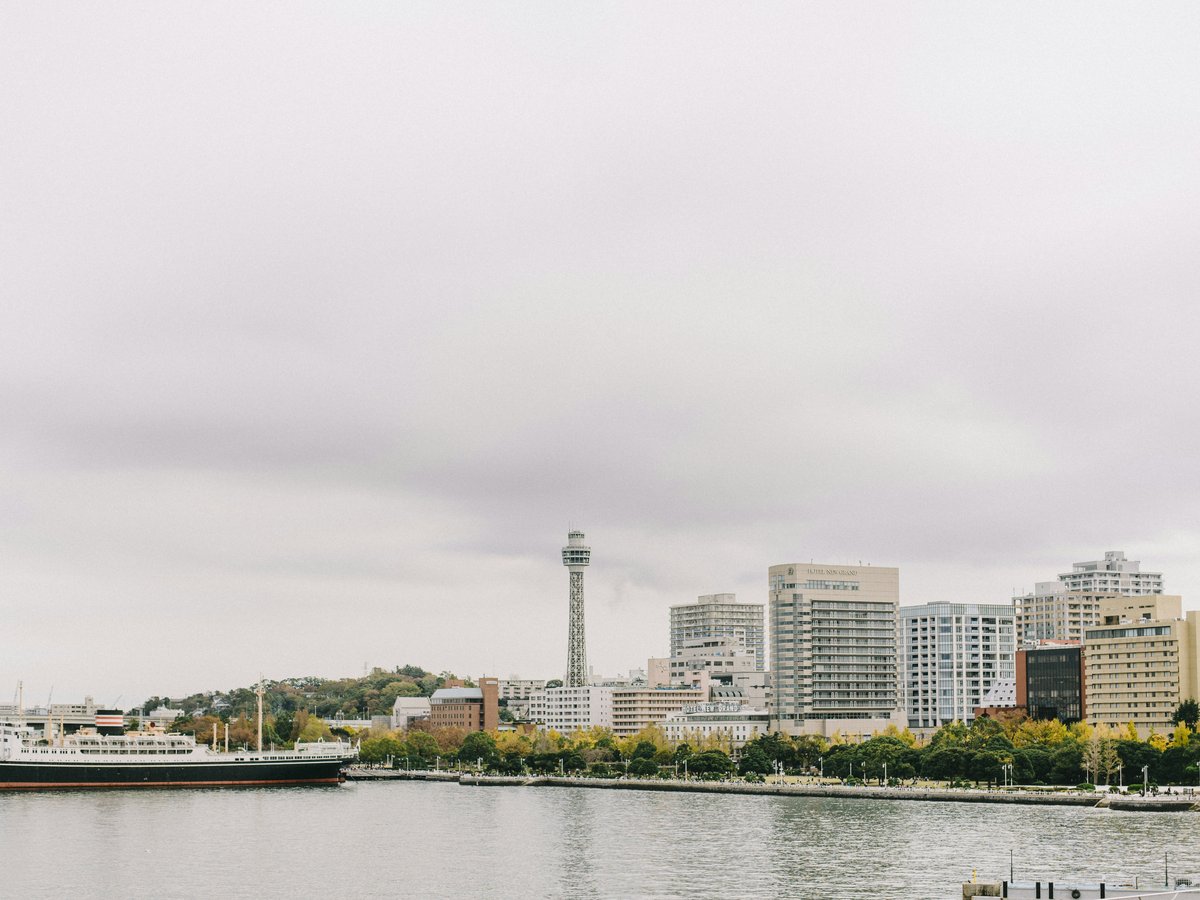
parkA seafront park beside the moored liner Hikawa Maru, shaded by trees and at its best after 6pm in August.
YamashitaYokohama Marine Tower
viewpointThe 1961 tower's air-conditioned observation deck gives 360-degree harbour views, and on a clear summer evening you might catch Mount Fuji's silhouette at dusk.
YamashitaYokohama Archives of History
museumThe archive opened in 1981 on the site of the 1854 Treaty of Kanagawa signing, making it a cool, quiet indoor stop on the history of the port's opening.
KannaiNogeyama Zoo
zooA free-entry zoo on a wooded hill above Sakuragicho, worth visiting in the first hour after opening, when the red pandas are still active.
NogeYokohama Chinatown (Chukagai)
neighborhoodAround 500 shops and restaurants inside ornate gates, where the covered side lanes offer shade and summer menus bring out chilled noodle dishes.
Yamashita-choNoge
neighborhoodA maze of tiny standing bars and yakitori counters near Sakuragicho Station that comes alive after 7pm, when the heat drops and the beer gets colder.
NogeKanazawa Bunko
museumThe prefectural museum grew from a library founded in 1275 beside Shomyo-ji temple, and today it makes for a shaded, uncrowded escape in southern Yokohama.
Kanazawa-ku
Your packing checklist
Tick items off as you pack. Your progress saves in this browser.
All packed — have a great trip.
Insider tips
Walk the Yamate Bluff Western houses at 9am, when they open, then drop downhill into Motomachi's covered arcades before 11am. By noon the Yamate hill climb is brutal.
We'd skip the big paid fireworks seating and watch from the Osanbashi Pier deck or the far end of Yamashita Park, where the views are slightly angled but you can leave in 10 minutes instead of queueing for an hour at Minatomirai Station.
Noge's standing bars around Sakuragicho are where locals go after a BayStars game, and the yakitori smoke with the 8pm breeze beats any Minato Mirai hotel bar.
Convenience store frozen drinks and ice lollies are a survival tool here, and the Garigari-kun soda bar, a Kanto summer staple, costs less than any cafe kakigori.
During Obon week the big Tokyo commuter crowd disappears, so weekday trains inside Yokohama feel noticeably quieter. The crowd shifts instead to Kamakura, Hakkeijima and the beaches.
Avoid these mistakes
- If you're planning a midday walk from Chinatown up through Yamate to the Harbour View Park lookout, know that the climb is steep, shade is patchy, and heat exhaustion is a real risk in August.
- Arriving at the fireworks at 6pm expecting to find space won't work: the good lawn spots in Rinko Park are claimed by early afternoon, and the station entrances are managed by police with one-way flows after the show.
- Book a Kamakura day trip for an Obon weekend without checking crowds first and you may find the Enoden Line toward Hase has 30 to 60-minute boarding queues at Kamakura Station.
- Not building a buffer day around a typhoon forecast is a real risk: a storm can halt flights at Haneda and Narita and trains across Kanagawa for a day.
Practical tips for August
Book hotels for Obon week and fireworks nights 6-8 weeks out, and expect most budget options near Yokohama Station to go first. Many small family-run restaurants in Chinatown, Noge and residential neighbourhoods close for a few days during Obon, so check posted notices on the door. Museums, department stores and big attractions stay open, and some extend evening hours. Tipping is not practised anywhere in Japan, including festival stalls and taxis. Carry a charged IC card such as Suica or PASMO, because fireworks nights bring long ticket-machine queues at Minatomirai and Sakuragicho stations. If a typhoon approaches, JR East and the Tokyu, Keikyu and Sotetsu lines post planned suspensions online the day before, and hotels usually let you extend if trains stop. Yukata are fine to wear to festivals, but temple interiors in Kamakura still expect covered shoulders.
FAQ
Is August a good time to visit Yokohama?
For most travellers, no. It is the city's hottest and most humid month, it overlaps with the Obon travel peak, and typhoons can disrupt plans. It does suit people coming specifically for harbour fireworks, Bon Odori or baseball, and families who plan around indoor attractions. For comfortable sightseeing, October to early December and April are much better.
What is the weather like in Yokohama in August?
Hot and sticky, around the clock. Afternoons sit in the low 30s°C (around 89°F), and even after dark temperatures hold in the mid 20s°C (upper 70s°F), so there is no real relief at night. Rain tends to arrive as short, heavy afternoon storms rather than all-day drizzle, and heatstroke alerts are a regular feature of the forecast. A passing typhoon can add a day or two of wind and heavy rain on top of all that.
Is Yokohama crowded in August?
Yes, in certain places and during certain weeks. Minato Mirai, Chinatown, and Hakkeijima are packed during Obon and on fireworks nights, and the day-trip routes to Kamakura and Enoshima are heavily used. Ordinary weekday commuter trains within the city can feel lighter during Obon, because many residents leave town.
Are there fireworks in Yokohama in August?
Usually, yes. The harbour around Minato Mirai hosts summer fireworks, with the Kanagawa Shimbun show the largest, and its date has moved between late July and early August from year to year. It has been paused in some years too, so check the official schedule before you book travel around it.
Is Yokohama safe during typhoon season?
Generally, yes. Japanese infrastructure handles typhoons well, and warnings come days in advance through the Japan Meteorological Agency. The practical risk is disruption, not danger. Trains, ferries, and flights may stop for a day, so keep your itinerary flexible and stay indoors while the storm passes.
Things to Do in Yokohama in August
 Free cancellation
 Tokyo in 1 Day from Yokohama: Private Tour, Licensed Guide
Day trip: 8 hours, free cancellation.
via Viator Free cancellation
 Tokyo Private Tour by Car with English-Speaking Driver (Premium)
Day trip: 9 hours, free cancellation.
via Viator Free cancellation
 Yokohama ⇆ Tokyo, Narita, Haneda Airport Private Transfer
Day trip: free cancellation.
via ViatorLast verified by automated review (v1.7.2) on . What is automated review?