Stay in Amsterdam in March
124 hotels in the Trip.com pool for Amsterdam, from US$20 a night.
Opens Trip.com on Fri 5 Mar to Sun 7 Mar 2027; change the dates there.
March in Amsterdam is, frankly, still winter wearing a thin spring disguise. Daytime temperatures hover around 11°C (52°F), which sounds manageable until a raw North Sea wind cuts through your jacket on the Damrak and makes it feel closer to 5°C. The skies tend toward a flat, persistent gray: the kind that settles in at dawn and doesn't really lift. You'll get rain on roughly a third of the days, though it's more often a fine drizzle than a proper downpour.
That said, there's a quiet optimism to the city this month that's easy to miss if you're fixated on the weather. The days are stretching out noticeably: by late March you'll have light until nearly 8 PM, a dramatic shift from the 4:30 sunsets of December. Crocuses push up through the grass in Vondelpark, the first tulip buds appear at the Bloemenmarkt, and Keukenhof opens its gates in the final week of the month. The canals, still too cold for tour boats to be packed, have a moody, photogenic quality that the summer crowds never see.
If you're the type who needs warm weather and blue skies to enjoy a city, wait until May. But if you like exploring museums without queuing for an hour, walking canal-side streets without dodging tour groups, and sitting in a brown café with a proper Dutch beer while rain taps the windows: March has a certain low-key appeal. Hotel rates are well below summer peaks, and you'll be able to get a table at restaurants in the Jordaan without a reservation.
Why visit in March
- Hotel rates run 20-30% below summer peak, and many canal-side properties that sell out months ahead in July still have availability in March
- Keukenhof gardens open in the last week of March: you'll catch the earliest tulips, daffodils, and hyacinths before the April crush arrives
- Major museums like the Rijksmuseum and Van Gogh Museum have notably shorter queues, often under 20 minutes versus 90+ in summer
- The low-angle spring light reflecting off the canals creates particularly striking conditions for photography, especially in the golden hour around the Herengracht
Worth knowing
- The raw, damp cold: 11°C with North Sea wind and 79% humidity feels genuinely uncomfortable if you're not layered up properly
- Gray, overcast skies on most days; March averages fewer than 4 hours of sunshine daily, which can feel oppressive by day five
- Outdoor café terraces along Leidseplein and Rembrandtplein are mostly still shuttered or wrapped in plastic, limiting the classic Amsterdam street-life experience
- Canal boat tours run on reduced winter schedules, and some smaller operators don't resume until April
Best for
Think twice if
March in Amsterdam sits in that awkward zone between winter and spring. Mornings start cold (around 3°C (38°F)) with frost still possible into mid-month. Afternoons climb to roughly 11°C (52°F), which feels tolerable in sunshine but biting when the wind picks up off the IJ. Rainfall is lower than most months at 52mm spread across about 10 days, though the drizzle tends to linger rather than dump and clear. Humidity sits at 79%, which keeps that damp chill clinging to your clothes. You might get a few genuinely pleasant afternoons in late March where the temperature nudges toward 13-14°C and the sun breaks through, but don't count on it.
Seasonal caution
- Overnight temperatures can still dip below 0°C (32°F) in early March, with occasional frost on canal-side walkways and bridge surfaces: watch your footing on early morning walks
- North Sea wind gusts can reach 50-60 km/h along exposed waterfronts and across the IJ, making the wind chill feel significantly colder than the air temperature suggests
Year-round climate
Averages from the last 5 years.
| Month | Avg high (°C) | Avg low (°C) | Rainfall (mm) |
|---|---|---|---|
| Jan | 7 | 2 | 92 |
| Feb | 8 | 3 | 81 |
| Mar | 11 | 3 | 52 |
| Apr | 13 | 5 | 68 |
| May | 17 | 9 | 91 |
| Jun | 21 | 13 | 71 |
| Jul | 21 | 14 | 97 |
| Aug | 22 | 14 | 62 |
| Sep | 20 | 12 | 77 |
| Oct | 16 | 10 | 122 |
| Nov | 10 | 6 | 96 |
| Dec | 8 | 4 | 75 |
Holidays and festivals in March
Public holidays
- Good Friday(Goede Vrijdag)26 March 2027
- Easter Sunday(Eerste Paasdag)28 March 2027
- Easter Monday(Tweede Paasdag)29 March 2027
Headline events
Keukenhof Gardens Opening
Late March (usually March 20-24 opening day, runs through mid-May)
The world's largest flower garden opens its gates for the spring season, typically in the last week of March. Over seven million tulips, daffodils, and hyacinths across 32 hectares in Lisse, a 40-minute bus ride from Amsterdam Centraal. Early-season visitors see the first blooms (primarily daffodils and early tulips) without the shoulder-to-shoulder crowds that descend in mid-April. Worth noting: the gardens are genuinely spectacular even at opening, though peak tulip bloom comes later in April.
Best things to do in March
Rijksmuseum without the crowds
cultureThe Rijksmuseum's collection: Rembrandt's Night Watch, Vermeer's Milkmaid, four floors of Dutch Golden Age work: deserves unhurried attention. In March, you can stand in front of the Night Watch for as long as you like without someone's selfie stick blocking your view. The museum's interior courtyard and gardens are also starting to show early spring plantings.
Summer queues regularly exceed 90 minutes; in March, you'll typically walk in within 15-20 minutes, and the galleries feel spacious enough to contemplate the work.Booking tipBuy timed-entry tickets online to skip even the short March queue. Morning slots before 11 AM are quietest.
Canal walking tours through the Jordaan
sightseeingWalking the canal ring in March has a particular quality: the bare trees open up sightlines to the gabled houses that summer foliage hides, the water reflects the gray sky in ways that feel almost painterly, and you'll often have entire canal stretches to yourself. The Jordaan's narrow streets and hidden courtyards (hofjes) are sheltered from the wind, making them more comfortable than the open waterfront areas.
Bare trees reveal architectural details obscured by summer canopy; far fewer pedestrians mean you can stop on the canal bridges without blocking traffic.Brown café crawl in the Negen Straatjes
food and drinkAmsterdam's brown cafés (named for their dark wood interiors and tobacco-stained walls) are at their coziest when it's cold and damp outside. The Nine Streets (De Negen Straatjes) between the canal rings concentrate several excellent ones within easy walking distance. Order a vaasje (small draft beer) or a jenever (Dutch gin) and settle in. The contrast between the warm, dim interior and the gray canal view through the window is genuinely atmospheric.
Cold, damp March weather makes the warm, candlelit interiors of brown cafés feel like a genuine refuge rather than just a bar: this is the experience these places were designed for, going back centuries.Booking tipNo reservations needed; arrive before 5 PM on weekdays for the quietest experience.
Bloemenmarkt and early tulip shopping
shoppingAmsterdam's floating flower market on the Singel canal is touristy year-round, but in March the seasonal shift is real: fresh-cut daffodils and the first tulip bunches appear alongside the usual packaged bulbs. The flower vendors are less harried than in peak season and more willing to talk about varieties and planting. Pick up a bouquet for your hotel room for a few euros.
The transition from winter stock to spring flowers happens in real time during March; you'll see the first Dutch-grown tulips of the season appearing at the stalls, weeks before the peak-season avalanche.Anne Frank House visit
cultureThe Anne Frank House on the Prinsengracht is one of Amsterdam's most visited sites, and for good reason: the preserved hiding place is profoundly affecting. In March, while advance booking is still required, time slots that sell out weeks ahead in summer often have availability just a few days beforehand. The quieter atmosphere inside the house allows for a more reflective experience.
March's lower visitor numbers mean more available time slots and a less rushed experience inside the annex: the emotional weight of the space is better absorbed without a crowd pressing behind you.Booking tipTickets release online roughly 6 weeks ahead. Check for Tuesday or Wednesday morning slots, which tend to have the most availability in March.
Day trip to Zaanse Schans windmills
day tripThe historic windmill village north of Amsterdam is open year-round, but March visits avoid the tour-bus congestion of summer while still offering a working landscape: the windmills operate on windy days (and March is reliably windy). The flat polder landscape under dramatic March skies, with working windmills turning against fast-moving clouds, is the most photogenic version of this scene.
March wind means the windmills are more likely to be actively turning rather than sitting static; the dramatic, fast-moving cloud formations typical of March create better conditions for photography than the hazy summer skies.Booking tipTake the bus from Amsterdam Centraal (roughly 40 minutes) rather than joining an organized tour: you'll have more flexibility and spend less.
Vondelpark early spring walks
natureAmsterdam's largest park starts waking up in March. Crocuses carpet the lawns in purple and yellow, the first magnolia buds appear, and joggers and dog walkers replace the summer picnic crowds. The park's paths are mostly empty on weekday mornings: a sharp contrast to the packed-blanket scene of July. Bring coffee from a nearby café and walk the full loop.
The crocus bloom in Vondelpark is a genuine early-spring spectacle: thousands of purple, white, and yellow flowers pushing through the grass. It's brief, concentrated mostly in the first three weeks of March, and locals treat it as the first real sign that winter is ending.Stedelijk Museum of Modern Art
cultureThe Stedelijk's collection of modern and contemporary art (Mondrian, Malevich, Karel Appel, and strong rotating exhibitions) gets overlooked by visitors who default to the Rijksmuseum and Van Gogh Museum. In March, the building on Museumplein is practically empty on weekday afternoons. The museum's stark white interior is a sharp contrast to the gray outside, and the permanent collection alone justifies two hours.
March's low visitor numbers make this the ideal time to see the Stedelijk's often-large-scale installations without competing for space; temporary exhibitions that opened in late winter are still running fresh.What to eat in March
On menus now
Erwtensoep
Thick Dutch split pea soup: the kind so dense your spoon should stand upright in it. March is the tail end of erwtensoep season, when cafés and market stalls still serve it steaming hot. Traditionally eaten with roggebrood (dark rye bread) and rookworst (smoked sausage). By April most places pull it from the menu, so March is your last shot until autumn.
Stamppot
Mashed potato dishes mixed with winter vegetables: boerenkool (curly kale) and hutspot (carrots, onions, potatoes) are the classic versions. Still firmly on restaurant menus in March, usually served with a juicy rookworst on top. The kind of food that makes sense when you've just spent two hours walking along the canals in 7°C drizzle.
Nieuwe Haring preparation
While the famous nieuwe haring season doesn't start until June, March is when the fish shops and stalls around the Noordermarkt start talking about the upcoming catch. Some herring stands still sell last season's brined herring: different from the fresh nieuwe but still worth trying, served with raw onion and pickles at the haringkarren (herring carts) around town.
Street food peaks
Stroopwafels
Thin waffle cookies sandwiching caramel syrup, sold fresh at street markets across the city. They're available year-round, but eating a warm one straight from the press at Albert Cuyp Market while your breath fogs in the March air is a different experience entirely from eating a packaged one in July. The warmth in your hands matters as much as the taste.
Bitterballen
Deep-fried, breadcrumb-coated balls filled with a thick beef ragout: the quintessential Dutch bar snack. Served with sharp mustard, best eaten in a brown café while sheltering from March drizzle. The crispy shell cracking into the hot, savory filling is peak cold-weather comfort food. You'll find them on practically every café menu in the city.
Regular events in March
Stille Omgang (Silent Procession)Free
A centuries-old Catholic procession through Amsterdam's old city center, commemorating the 1345 Miracle of Amsterdam. Participants walk in complete silence along a traditional route through the medieval streets after midnight. It's a strikingly solemn event in a city known for its irreverence: several thousand people walking without a word through lamp-lit streets. Non-participants can watch respectfully from the sidewalks.
Mid-March (Saturday night closest to March 15)Amsterdam Coffee Festival
A multi-day celebration of specialty coffee culture held at the Westergasfabriek complex in Westerpark. Local roasters, barista competitions, latte art throwdowns, and tastings from dozens of Amsterdam's independent coffee houses. The city's specialty coffee scene is genuinely strong: this event concentrates it in one industrial-chic venue.
Early to mid-March (dates shift yearly)TEFAF Maastricht
One of the world's premier art and antiques fairs, held in Maastricht (2.5 hours by train from Amsterdam). Not in Amsterdam proper, but the fair draws international collectors and dealers who often spend time in Amsterdam before or after, and several Amsterdam galleries participate. Worth the day trip if fine art is your focus.
Early to mid-March (runs roughly 10 days)Amsterdam Restaurant Week
Dozens of restaurants across the city offer multi-course set menus at reduced prices, including some places that are normally difficult to book or firmly above casual-dining budgets. The March edition, if it falls this month, is less subscribed than the autumn round: meaning better availability at popular spots in De Pijp and Oud-Zuid.
Varies: sometimes early March, sometimes late February (check annually)Head of the River Amstel RegattaFree
A rowing race along the Amstel River drawing university and club crews from across the Netherlands and beyond. Spectators line the Amstel's banks and bridges south of the city center. Even if rowing isn't your sport, the energy along the river (competing crews, cheering crowds, the early-spring atmosphere along the water) makes for an unexpectedly engaging afternoon.
Late March (typically last Saturday)Best places this March
Vondelpark
parkAmsterdam's central park is where the city's spring awakening is most visible in March. The crocus fields near the park's middle section are the draw: thousands of flowers erupting from the grass in waves of purple, white, and yellow. The rose garden won't bloom until June, but the bare-branched tree canopy and empty paths have their own appeal. On a rare sunny March afternoon, locals materialize on benches as if summoned.
Oud-ZuidJordaan neighborhood canals
neighborhoodThe Jordaan's tight grid of canals and narrow streets (Bloemgracht, Egelantiersgracht, Leliegracht) is sheltered from the worst of the March wind by its dense building fabric. The neighborhood's hofjes (hidden courtyard gardens) are starting to show early growth. Walk slowly; the gabled reflections in the still canal water on an overcast March morning are as good as anything you'll photograph in summer, arguably better.
JordaanAlbert Cuyp Market
marketAmsterdam's largest outdoor street market runs daily in De Pijp. In March, the cold keeps the tourist crowds thinner than summer, and the food stalls lean toward warming options: fresh stroopwafels, kibbeling (fried fish), hot Surinamese roti. The market is also where you'll find the best prices on Dutch cheese, flowers, and everyday goods. The stallholders are chattier when they're not overwhelmed.
De PijpMuseumplein
cultural districtThe open square between the Rijksmuseum, Van Gogh Museum, and Stedelijk Museum is windswept in March, but the I Amsterdam sign (or what's left of it) and the reflecting pool backed by the Rijksmuseum's facade look particularly dramatic under overcast skies. The square's emptiness in March (compared to its summer festival-ground atmosphere) gives the museums' architecture room to breathe.
Oud-ZuidWesterpark and Westergasfabriek
park and cultural complexThe former gasworks complex in Amsterdam-West has been converted into a cultural campus with cafés, galleries, event spaces, and a surrounding park. In March, the indoor venues host events like the Coffee Festival, while the park's paths along the canal are good for a wind-protected walk. The industrial architecture (massive brick gasholders and ironwork) photographs well in flat March light.
WesterparkNoordermarkt
marketThe Saturday farmers' market at Noordermarkt square in the Jordaan is where locals shop for organic produce, artisan bread, Dutch cheese, and seasonal flowers. The Monday morning flea market on the same square sells antiques and curiosities. In March, the Saturday market's stalls include early spring vegetables and the first outdoor-grown herbs. It's compact, authentic, and not yet overrun by the summer tour groups.
JordaanAmsterdam-Noord via free ferry
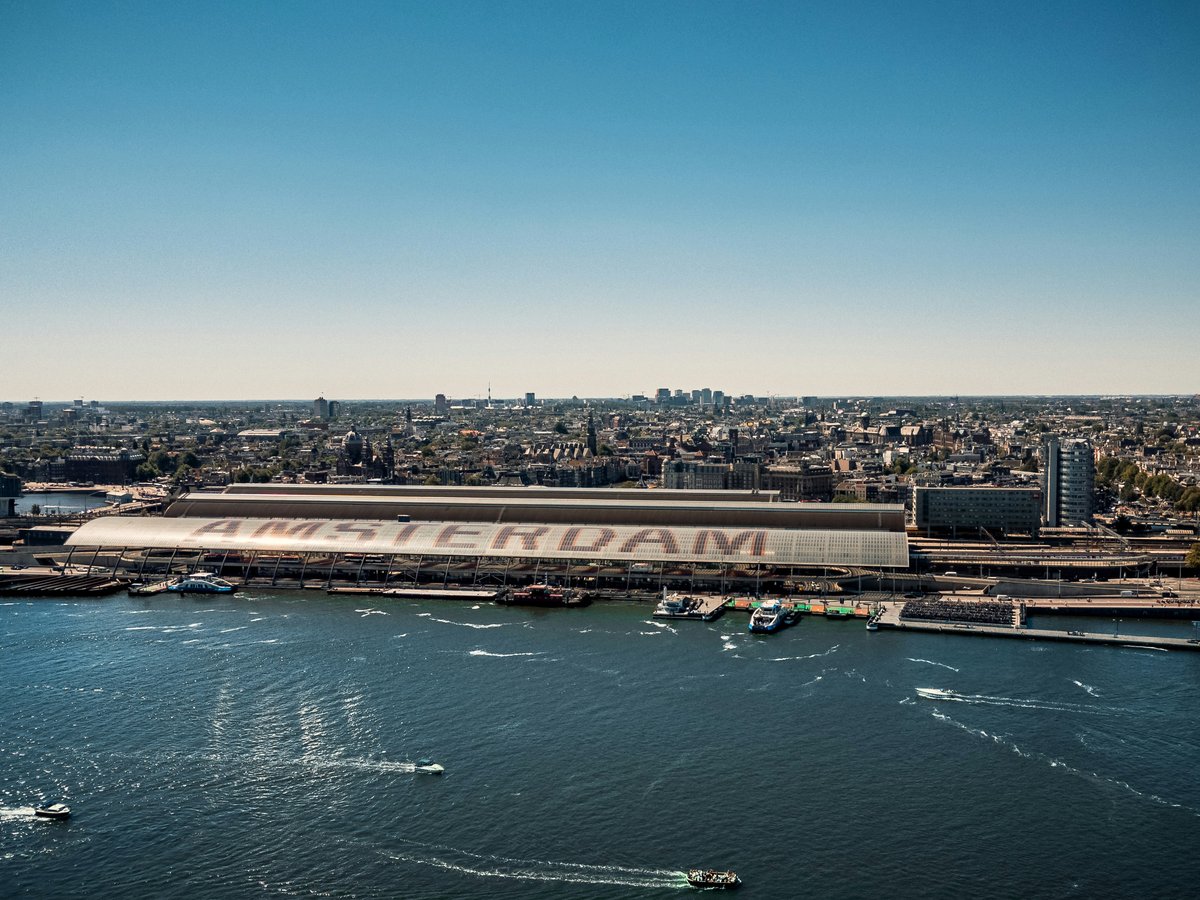
neighborhoodThe free ferry from behind Centraal Station to Amsterdam-Noord takes five minutes and deposits you in a rapidly changing district of old shipyard buildings, street art, breweries, and the EYE Film Museum. March is a good time to explore Noord: the A'DAM Lookout tower has no queue, the waterfront cafés are quiet, and the area's raw, industrial character reads differently without summer's polish. Mind the wind on the ferry crossing.
Amsterdam-NoordBegijnhof
historic siteA hidden medieval courtyard in the heart of the city, entered through an unassuming doorway off the Spui. The enclosed garden is one of the most peaceful spots in central Amsterdam: a small lawn surrounded by 17th-century houses, with a wooden chapel dating to around 1470. In March, the courtyard's sheltered microclimate means the first spring flowers appear here before they show up in more exposed parks. Keep your voice down; people live here.
Centrum
Your packing checklist
Tick items off as you pack. Your progress saves in this browser.
All packed — have a great trip.
Insider tips
The free ferry to Amsterdam-Noord from behind Centraal Station runs 24 hours, and most tourists don't know it exists. On a quiet March evening, the five-minute crossing gives you a cinematic view of the city's waterfront skyline (the lights reflecting off the IJ) that rivals any paid canal cruise.
Skip the Bloemenmarkt for buying actual flowers and go to the Saturday Noordermarkt instead. The Bloemenmarkt is geared toward tourists buying boxed tulip bulbs; Noordermarkt is where locals buy fresh-cut seasonal bunches at roughly half the price. The stallholders at Noordermarkt will also tell you which varieties are Dutch-grown versus imported.
Brown cafés start to feel crowded after 6 PM on Friday and Saturday. Go between 3 and 5 PM on a weekday: you'll get the full atmosphere (candlelight, dark wood, condensation on the windows, the smell of beer-soaked oak) without competing for a table. Ask for a jenever if you want to look like you know what you're doing; it's the traditional Amsterdam bar drink, served in a tulip glass filled to the brim.
If the Rijksmuseum line looks long (rare in March but possible on weekends), walk two minutes to the Stedelijk instead. It's consistently less crowded, the building itself is architecturally striking, and the permanent collection includes world-class Mondrian and De Stijl work that's arguably more connected to Amsterdam's design DNA than the Golden Age paintings everyone queues for.
March wind makes the city's east-west streets (which funnel the prevailing westerly wind) noticeably colder than the north-south ones. When planning a walking route, stick to north-south canal-side streets like the Keizersgracht and Herengracht for more sheltered walking, and save the east-west crossings for the shortest possible stretches.
Avoid these mistakes
- Packing for spring instead of late winter. The calendar says March, but Amsterdam's weather says February most of the month. Visitors who show up with a light jacket and sneakers based on the 11°C average high are cold and miserable by noon: that number doesn't account for wind chill, which regularly drops the felt temperature to 3-5°C along the canals.
- Trying to visit Keukenhof on opening weekend without advance planning. The gardens open in late March, and that first weekend draws large crowds despite the broader low season. Tickets sell out for peak time slots, the bus from Amsterdam fills up, and you'll spend more time in transit queues than among the flowers. Go on a weekday in the first week after opening, or wait until early April when more varieties are in bloom.
- Assuming outdoor café terraces will be open and pleasant. A few hardy spots along the Leidseplein put out heaters and blankets, but sitting outside in 8°C with wind is a performance of enjoyment, not actual enjoyment. The real March Amsterdam experience is inside: in brown cafés, museums, restaurants, and covered markets. Embrace interior life.
- Planning a bike-heavy itinerary without cold-weather cycling experience. Amsterdam's bike rental shops are open in March, and cycling is still the fastest way around, but riding into a 40 km/h headwind at 7°C with drizzle hitting your face is a skill that takes acclimatization. If you're not a regular cold-weather cyclist, use the trams for longer crosstown trips and save the bike for sheltered neighborhood loops in the Jordaan or De Pijp.
Practical tips for March
Book Keukenhof tickets and Anne Frank House time slots online as soon as your travel dates are confirmed: both use timed entry, and while March is low season for Amsterdam generally, these two attractions still fill specific slots. Most museums shift to extended hours around mid-March, staying open until 9 PM on Fridays; check individual museum sites for current schedules. The OV-chipkaart (Dutch transit card) or a contactless debit/credit card works on all Amsterdam trams, buses, metros, and the Noord ferry: buy a card at Centraal Station or tap in with your bank card directly. Restaurants in the Jordaan and De Pijp don't typically require reservations in March except on Friday and Saturday evenings; for weeknight dining, walk-ins are generally fine. Shops in the Negen Straatjes and along Haarlemmerstraat tend to open at 10 or 11 AM, not 9: don't plan an early shopping morning. Tipping at restaurants is appreciated but not expected at American levels; rounding up or leaving 5-10% on the bill is standard. The city's coffeeshops (cannabis cafés) continue operating in March as in any month, but note that some have reduced winter hours, closing at 10 or 11 PM rather than midnight.
FAQ
Is March a good time to visit Amsterdam?
It depends on what you're after. March is honestly one of the less appealing months weather-wise: cold, gray, and damp, with temperatures that feel colder than the numbers suggest thanks to the wind. But it's also one of the best months for museums (short queues), canal photography (moody light, bare trees), and hotel value (20-30% below summer rates). Keukenhof opens in late March, giving you early access to tulip season. If your priorities are indoor culture, food, and atmosphere over outdoor activities and warm weather, March works well. If you want the full Amsterdam summer-café-terrace-cycling-through-sunshine experience, come in June or September instead.
What is the weather like in Amsterdam in March?
Cold and changeable. Average highs around 11°C (52°F), lows around 3°C (38°F), with about 52mm of rain spread across 10 days. Humidity sits near 79%, which makes the cold feel damper and more penetrating than the numbers suggest. Wind is the real factor: gusts off the North Sea can make 10°C feel like 4°C, especially along the open waterfront and canal bridges. You'll get occasional sunny afternoons, particularly in late March, but plan for overcast skies as the default. Pack as if you're visiting in late winter, not early spring.
Is Amsterdam crowded in March?
Not compared to summer. March is firmly low season for tourism, and you'll notice the difference at major museums (the Rijksmuseum and Van Gogh Museum have minimal queues most days), on canal boat tours (easy availability, no pre-booking pressure), and in restaurants (walk-in tables at places that need reservations in July). The one exception is Keukenhof in the final week of March: opening weekend draws a crowd. The city's streets and trams are busy with locals going about their lives, but you won't encounter the tour-group congestion that clogs the Centrum in peak season.
Can you see tulips in Amsterdam in March?
The very beginning of tulip season. Keukenhof gardens open in late March (typically around March 20-24), and the earliest varieties (daffodils, crocuses, hyacinths, and some early tulips) will be blooming. Peak tulip bloom at Keukenhof is mid-to-late April, so March visitors see the opening act rather than the main show. In Amsterdam itself, the Bloemenmarkt on the Singel sells fresh tulip bunches starting in March, and you'll spot crocuses in Vondelpark and other city parks. For the full fields-of-tulips-stretching-to-the-horizon experience, you'd want to come back in mid-April.
What should I wear in Amsterdam in March?
Layer for cold, damp, windy conditions. A waterproof, windproof outer jacket is the single most important item: the damp North Sea wind cuts through anything that isn't properly sealed. Underneath, a wool or merino base layer plus a warm sweater or fleece mid-layer covers the temperature range. Waterproof boots or shoes with decent tread are worth it; Amsterdam's brick and cobblestone surfaces get genuinely slippery when wet, and your feet will be cold and damp within an hour in regular leather shoes. Bring a scarf and light gloves for mornings. An umbrella is useful but often defeated by the wind: your hood will do more work.
Things to Do in Amsterdam in March
 Free cancellation
 Amsterdam Classic Saloon Boat Cruise with Drinks and Cheese
Cruise: 1 hour, free cancellation.
via Viator Free cancellation
 Amsterdam Luxury Canal Cruise + Unlimited Drinks and Bites Option
Cruise: 1 hour, free cancellation.
via Viator Free cancellation
 Amsterdam All-Inclusive 90-Minutes Canal Cruise by Captain Jack
Cruise: 1.5 hours, free cancellation.
via Viator Free cancellation
 Amsterdam Canal Cruise with Local Guide and Small Group
Cruise: 1 hour, free cancellation.
via Viator Free cancellation
 Day Trip to Zaanse Schans, Edam, Volendam and Marken from Amsterdam
Day trip: 6.5 hours, free cancellation.
via Viator Free cancellation
 Amsterdam Canal Cruise in Open Boat with Unlimited Drinks Option
Cruise: 1 hour, free cancellation.
via ViatorFind a flight to Amsterdam
Live fares to Amsterdam appear here once cookies are accepted.
Last verified by automated review (v1.7.2) on . What is automated review?