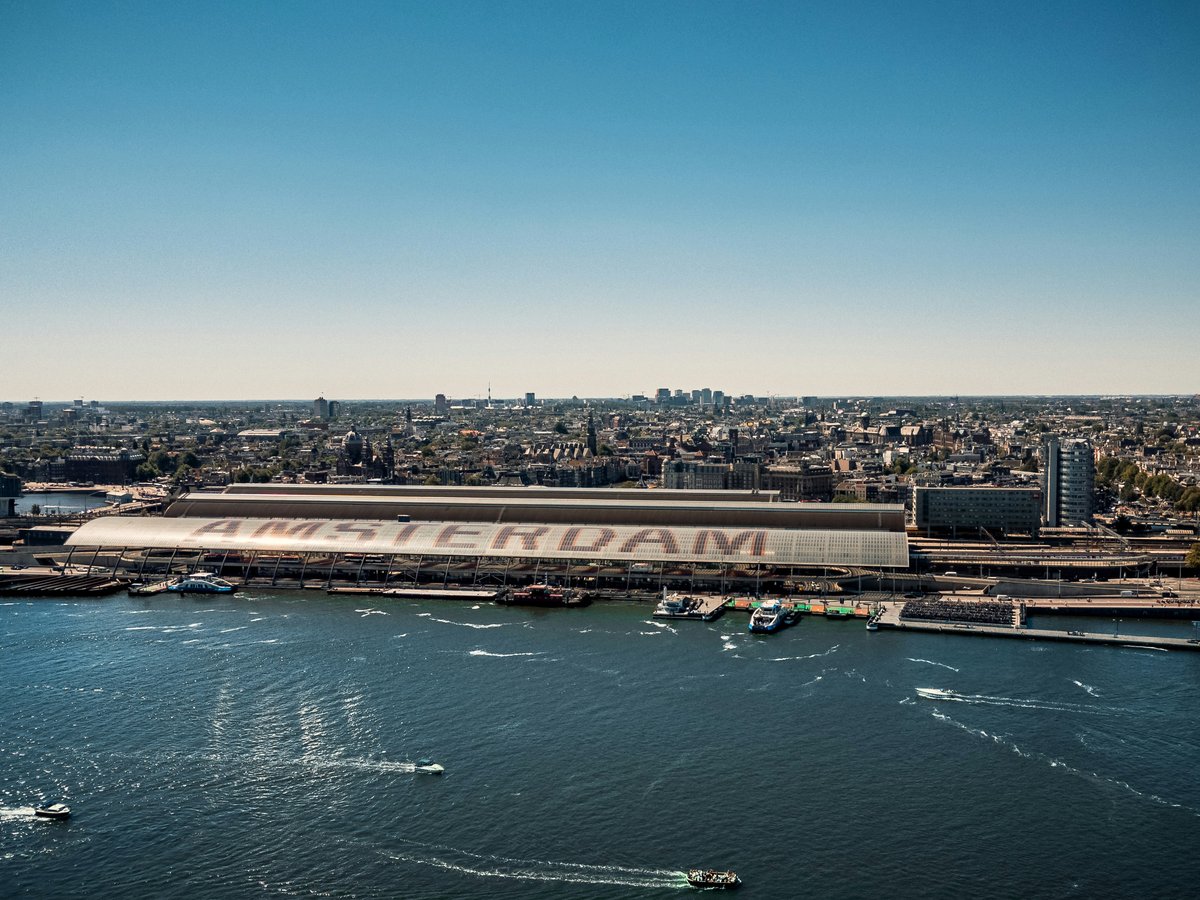
Amsterdam has never been a city that shouts about its shopping. It tends to do things quietly, with a certain stubborn individuality that mirrors the city itself. What you'll find here is less about flagship luxury brands, though P.C. Hooftstraat handles that, and more about independent boutiques, vintage dealers, and design studios tucked into canal houses. The Dutch have a practical streak when it comes to spending, which means the shops that survive here generally earn their keep by offering something you can't get elsewhere. Cheese, obviously. Stroopwafels, sure. But also Delftware ceramics, Dutch-designed homeware, vintage denim, and locally roasted coffee. The city still has a strong culture of neighborhood shopping streets where you'll find a fishmonger next to a bookshop next to a place selling handmade candles. That's shifting (gentrification is doing its thing) but for now, the mix holds. Worth noting: Amsterdam rewards the wanderer. The best finds tend to happen when you duck off a main street into a side canal or courtyard you hadn't planned on visiting.
Shopping districts
-
De Negen Straatjes (The Nine Streets)
mid-range to highNine narrow streets connecting the main canal rings between Raadhuisstraat and Leidsestraat, packed with independent shops in old canal houses. This is where Amsterdam's boutique character comes through strongest: vintage clothing shops share walls with perfumeries, small-batch chocolate makers, and stores selling nothing but antique eyeglasses. The buildings are tiny, which keeps the chains out and the rent painful enough that only genuinely interesting shops stick around. It can feel crowded on Saturday afternoons, mind you. Weekday mornings are calmer and you'll get to talk to the owners.
Best for: Independent boutiques, vintage fashion, specialty gifts, Dutch design
-
P.C. Hooftstraat and Cornelis Schuytstraat
luxuryThe luxury corridor in Oud-Zuid, running alongside the Museumplein. P.C. Hooftstraat is where you'll find the international luxury houses: it's Amsterdam's answer to Bond Street or Rue du Faubourg Saint-Honoré, though shorter and quieter than either. Cornelis Schuytstraat, running parallel a few blocks south, has a slightly more residential, old-money feel. The clientele here tends toward well-dressed locals rather than tourists, and the shops lean toward quality Dutch and Scandinavian brands alongside the global names.
Best for: High-end fashion, international luxury brands, upscale Dutch labels
-
Haarlemmerdijk and Haarlemmerstraat
mid-rangeRunning west from Centraal Station toward the Haarlemmerpoort gate, this long shopping street has evolved into one of Amsterdam's more interesting retail corridors. It used to be fairly sleepy. Now it's lined with specialty food shops, independent fashion labels, design stores, and a scattering of good cafes for refueling. The vibe is local: you'll see more residents with shopping bags than tourists with selfie sticks. The western end near the Westerpark tends to be quieter and a bit more experimental in what the shops carry.
Best for: Specialty food, independent Dutch fashion, homeware, browsing without crowds
-
Kalverstraat and Leidsestraat
budget to mid-rangeKalverstraat is the main pedestrianized high street running south from Dam Square, and Leidsestraat connects it toward Leidseplein. This is mainstream chain shopping: the H&Ms and Zaras of the world. It's busy, loud, and honestly a bit generic. That said, it serves a purpose: if you need practical clothing, pharmacy supplies, or a phone charger at normal prices, Kalverstraat delivers without fuss. The side streets branching off, particularly toward Spui, get more interesting. Spui itself has a long-running book market and some good independent bookshops.
Best for: High-street chains, practical shopping, mainstream fashion
-
De Pijp
budget to mid-rangeThe neighborhood south of the canal belt around Albert Cuypmarkt has a scrappy, multicultural energy that's been gentrifying steadily but still keeps its rough edges. The shopping here is less curated than the Nine Streets and more spontaneous: Turkish grocers alongside concept stores alongside Surinamese toko shops. Gerard Doustraat and the streets branching off Albert Cuypstraat have the best independent shops. It feels lived-in rather than staged for visitors, which is either its charm or its limitation depending on what you're after.
Best for: Street market shopping, multicultural food supplies, emerging local designers
-
Jordaan
mixedThe Jordaan is technically a residential neighborhood, but its narrow streets are threaded with antique dealers, small galleries, specialty shops, and the kind of places that sell one very specific thing: old maps, say, or handmade leather bags. The shopping here blends into the architecture. You might walk past a storefront three times before realizing the ground floor of that canal house is a shop. Saturday mornings bring the Noordermarkt and Lindengracht markets, which pull the whole neighborhood into a pleasant, unhurried commercial buzz. Prices vary wildly: junk shop to gallery prices within the same block.
Best for: Antiques, art galleries, specialty one-of-a-kind shops, Saturday market browsing
-
Utrechtsestraat
mid-rangeA slightly under-the-radar shopping street running south from Rembrandtplein toward the Sarphatipark. It's narrow, bikeable, and lined with a good concentration of independent shops: fashion, food, flowers, design. The neighborhood feel is strong here; regulars greet shopkeepers by name. It connects the tourist center to De Pijp without the foot traffic of either, making it a good walking route if you want to shop at human pace. Several decent wine shops and delis line the street, so you can assemble a picnic as you go.
Best for: Relaxed independent shopping, food and wine, Dutch and European fashion
Markets
-
Albert Cuypmarkt
general street marketThe city's biggest and busiest daily street market, stretching several blocks through De Pijp. It's been running since 1905 and still pulls a genuine cross-section of Amsterdam: Surinamese grandmothers buying fresh fish next to students hunting for cheap socks next to tourists sampling stroopwafels made on the spot. The food stalls are the highlight: raw herring, Surinamese roti, Turkish gözleme, Dutch kibbelingen. Clothing and household goods tend toward cheap and practical rather than curated. The smell of fresh stroopwafels mingles with fried fish and the general hum of vendors calling out prices. It's chaotic and real.
Monday to Saturday, roughly 9:00 to 17:00
-
Noordermarkt
organic farmers' market and Monday flea marketThe Saturday morning organic farmers' market wrapping around the Noorderkerk in the Jordaan. This one has the best food quality of any Amsterdam market: you'll find aged Gouda from small farms, organic bread with crackling crusts, wild mushrooms in season, and honey from beekeepers who will tell you more about bees than you knew you wanted to know. The Monday morning flea market at the same location is smaller and older in character, with genuine antiques mixed in among the bric-a-brac. Saturday mornings get crowded by 11:00; arrive around 9:00 if you want elbow room.
Saturday 9:00–16:00 (farmers' market), Monday 9:00–13:00 (flea market)
-
Waterlooplein Flea Market
flea marketAmsterdam's oldest flea market, operating since the 1880s near the Stopera building. The quality here is hit-or-miss: you'll wade through a fair amount of genuinely cheap tat before finding anything good. But that's part of the archaeology. Vintage leather jackets, old Dutch military gear, secondhand books in multiple languages, vinyl records, and the occasional real find from someone clearing out a canal house attic. Haggling is acceptable here, within reason. The vendors are used to it and some seem to enjoy the sport. It smells like old canvas and slightly damp wool.
Monday to Saturday, roughly 9:30 to 17:00
-
IJ-Hallen
flea marketEurope's largest monthly flea market, held in the NDSM-werf warehouses across the IJ river in Amsterdam-Noord. Two enormous industrial halls filled with hundreds of sellers clearing out their homes. The scale is staggering: you could spend half a day here and not cover everything. Furniture, clothing, records, kitchenware, books, bizarre collectibles. The ferry ride over from Centraal Station is free and takes about 15 minutes, which adds a nice sense of expedition. Check their calendar as it runs only once or twice a month, typically on weekends.
One or two weekends per month, Saturday and Sunday, typically 9:00 to 16:30; check schedule in advance
-
Lindengracht Market
general street marketA Saturday morning market running along the Lindengracht in the Jordaan, just a few streets from the Noordermarkt. This one is more of a traditional neighborhood market: fresh produce, flowers, cheese, fish, clothing, and household goods. Less artisanal than the Noordermarkt but arguably more useful for actual provisioning. The flower stalls are particularly good, and the cheese vendors tend to be generous with samples. It has the warm, slightly noisy atmosphere of a functioning neighborhood doing its weekly shop.
Saturday, roughly 9:00 to 16:00
-
Bloemenmarkt
flower and souvenir marketThe floating flower market on the Singel canal, which has been operating since 1862. It's admittedly quite touristy now: probably more bulb-buying visitors than actual florists. But it's still the place to pick up tulip bulbs, and the better stalls sell certified bulbs that will clear customs and grow when you get home. Look for the phytosanitary certificate sticker on the packaging. In spring, the stalls overflow with color and the whole stretch of canal smells sweet and green. Some stalls also carry reasonably priced Delftware, though quality varies.
Monday to Saturday 9:00–17:30, Sunday 11:30–17:30
Souvenirs worth bringing home
Skip the mass-produced wooden clogs and plastic tulips in the tourist shops around Dam Square: most of those are made in China. What's genuinely worth bringing home: stroopwafels from a market vendor or a dedicated bakery (the ones made fresh in front of you at Albert Cuypmarkt are a different thing entirely from the packaged supermarket version; warm, gooey caramel, the waffle still slightly crisp). Dutch cheese is an obvious choice, and if you visit the Noordermarkt or a proper kaaswinkel, you can find aged Gouda varieties (24-month, 36-month) with crystalline crunch and caramel depth that you simply won't find exported. Delftware is the classic ceramic souvenir, but buyer beware: genuine Royal Delft pieces are hand-painted and come with a certificate. The cheap blue-and-white ceramics in most souvenir shops are factory transfers, often not even Dutch-made. A genuine small tile or Christmas ornament from a reputable source might cost what the knockoffs cost for a full plate, but it's the real thing. Dutch licorice (drop) comes in dozens of varieties, from zoet (sweet) to dubbel zout (double salt). The salty ones are an acquired taste that most visitors find startling, which makes them a fun gift. Jenever, the Dutch juniper spirit that predates gin, comes in oud (aged, smooth, malty) and jong (young, sharper) styles. A bottle of aged jenever from a distillery like Bols or Zuidam is a distinctive gift. Dutch-designed homeware and lifestyle products (think minimalist ceramics, wool blankets, bicycle accessories) also travel well and carry a genuine sense of place without screaming souvenir.
Practical tips
- Bargaining
- Fixed prices are the norm in shops. Nobody haggles at a boutique on the Nine Streets. Markets are different: at the Waterlooplein flea market and IJ-Hallen, reasonable negotiation is expected, especially on secondhand goods. At Albert Cuypmarkt, prices for fresh food are generally fixed, but clothing and household goods vendors may come down a euro or two toward the end of the day. Keep it friendly and don't push hard; the Dutch are direct and will just say no if your offer is too low.
- Tax refunds (VAT)
- Non-EU residents can claim a VAT refund on purchases over a certain threshold (currently around 50 euros per store, though the exact minimum can shift). Look for shops displaying Tax Free Shopping signs: they'll provide the paperwork. You process the refund at Schiphol airport before departure. The refund is around 14-16% of the purchase price after the processing fee. Keep your receipts, don't use the goods before departure, and leave time at the airport. The queue at the customs desk can be slow during peak travel periods.
- Opening hours
- Dutch shop hours have loosened over the years but still catch some visitors off guard. Most shops open around 10:00 or even 11:00, which is later than many countries. Closing is typically 18:00 during the week, though Thursday is koopavond (late shopping night) when many shops stay open until 21:00. Sunday opening has become common in the city center (usually 12:00 to 17:00 or 18:00), but some independent shops still close on Sundays and Mondays. Markets follow their own schedules. Albert Cuypmarkt is closed on Sundays; Noordermarkt is Saturday and Monday only.
- Payment methods
- The Netherlands runs largely on card payments, and Amsterdam is no exception. Debit cards using the Dutch PIN system are dominant. International credit cards (Visa, Mastercard) are accepted at most shops, but not all. Some smaller independent stores and market vendors still only take Dutch debit (Maestro/V Pay) or cash. Having some cash on hand for markets and small shops is still wise. Apple Pay and contactless payments are widely accepted where cards are taken. American Express is hit-or-miss.
- Sunday and holiday shopping
- Amsterdam's city center shops generally open on Sundays, but hours are shorter than weekdays: typically noon to 17:00 or so. Koningsdag (King's Day, April 27) turns the entire city into one enormous flea market (the vrijmarkt) where anyone can sell anything on the street. It's chaotic, beer-soaked, and genuinely fun for bargain hunting, though the crowds can be overwhelming. On regular public holidays, expect reduced hours or closures, especially at independent shops. Supermarkets in the center tend to stay open regardless.
- Getting your purchases home
- Schiphol has a good range of shops after security if you forget to buy stroopwafels or cheese. For Delftware or fragile items bought in town, ask the shop to wrap them properly: most are used to packing for air travel. Tulip bulbs must have a phytosanitary certificate for import into most countries outside the EU; look for the green sticker on the packaging. Cheese travels fine in checked luggage if vacuum-sealed, which most cheese shops will do on request. Jenever and other spirits go in checked bags under the standard liquid rules.
FAQ
What are the best shopping areas in Amsterdam for unique finds?
The Nine Streets (De Negen Straatjes) between the canal rings offer the densest concentration of independent boutiques, vintage shops, and specialty stores. The Jordaan neighborhood has antique dealers and one-of-a-kind specialty shops tucked into canal houses. For a more local, less curated experience, Haarlemmerdijk and the streets around Albert Cuypmarkt in De Pijp have a good mix of independent shops and multicultural food stores. Each area has its own personality: the Nine Streets feel curated, the Jordaan feels like discovery, De Pijp feels lived-in.
Is Amsterdam expensive for shopping compared to other European cities?
Mid-range, roughly. It's less expensive than London, Paris, or Zurich for comparable goods, but pricier than cities in Southern or Eastern Europe. Everyday items and high-street fashion are comparable to other Western European capitals. Where Amsterdam offers genuine value is in its markets: Albert Cuypmarkt and the flea markets tend to be cheaper than equivalent markets in London or Paris. Vintage and secondhand shopping is also quite good here relative to the price. Luxury goods are broadly the same price as elsewhere in the EU, with the occasional edge from VAT refund processing.
Are credit cards widely accepted in Amsterdam shops?
Visa and Mastercard are accepted at most shops in the city center and in shopping malls, but some smaller independent stores, market vendors, and older businesses still only accept Dutch debit cards (Maestro/V Pay) or cash. This is less common than it used to be, but it still happens often enough that carrying some cash is a sensible precaution. Contactless payment via phone or watch works wherever card terminals are present. American Express acceptance is spotty: don't rely on it as your only card.
When is the best time to visit Amsterdam for shopping?
Late November through mid-December is pleasant for shopping: the city puts up subtle, tasteful holiday lighting along the canals and shops often carry seasonal stock. January brings winter sales (uitverkoop), with genuine discounts at many stores. Spring is lovely for the Bloemenmarkt and flower-adjacent shopping. Summer weekends can make popular areas like the Nine Streets uncomfortably crowded. King's Day (April 27) is its own category: the citywide vrijmarkt flea market is a singular experience, though it's more about atmosphere and chaos than serious shopping. For the calmest browsing, weekday mornings year-round tend to be quiet.
What Dutch souvenirs are authentic and not tourist junk?
Genuine Delftware ceramics (look for hand-painted pieces with a certificate of authenticity, not factory-printed transfers), aged Gouda cheese from a proper cheese shop or market stall (the 24- or 36-month varieties are distinctly different from export Gouda), fresh stroopwafels from a market vendor, Dutch drop (licorice, especially the salty varieties), and a bottle of aged jenever. Dutch-designed homeware (minimalist ceramics, textiles, bicycle accessories) makes for a more subtle but genuinely local souvenir. Tulip bulbs work if you buy certified phytosanitary-approved ones from the Bloemenmarkt or a garden center.
Is bargaining acceptable at Amsterdam markets?
At flea markets like Waterlooplein and the IJ-Hallen, yes: polite negotiation is expected for secondhand goods. A reasonable opening might be 10-20% below the asking price, and vendors are used to the back-and-forth. At food markets like Albert Cuypmarkt, produce and prepared food prices are generally fixed, but vendors selling clothing or household goods might negotiate a bit, especially late in the day. In shops (any shop, regardless of how small or informal) prices are fixed. Attempting to haggle in a Dutch shop is likely to produce a politely confused response.
Last verified by automated review (v1.7.2) on . What is automated review?