What should I avoid in Amsterdam?
Skip the glass-roofed canal boats on Damrak, the tout-fronted steakhouses around Rembrandtplein, and Madame Tussauds on Dam Square. Smoking cannabis on the streets of De Wallen has been banned there since May 2023. Never stand in the red bike lanes. Book the Anne Frank House online weeks ahead, and take the NS train from Schiphol rather than an unlicensed taxi.
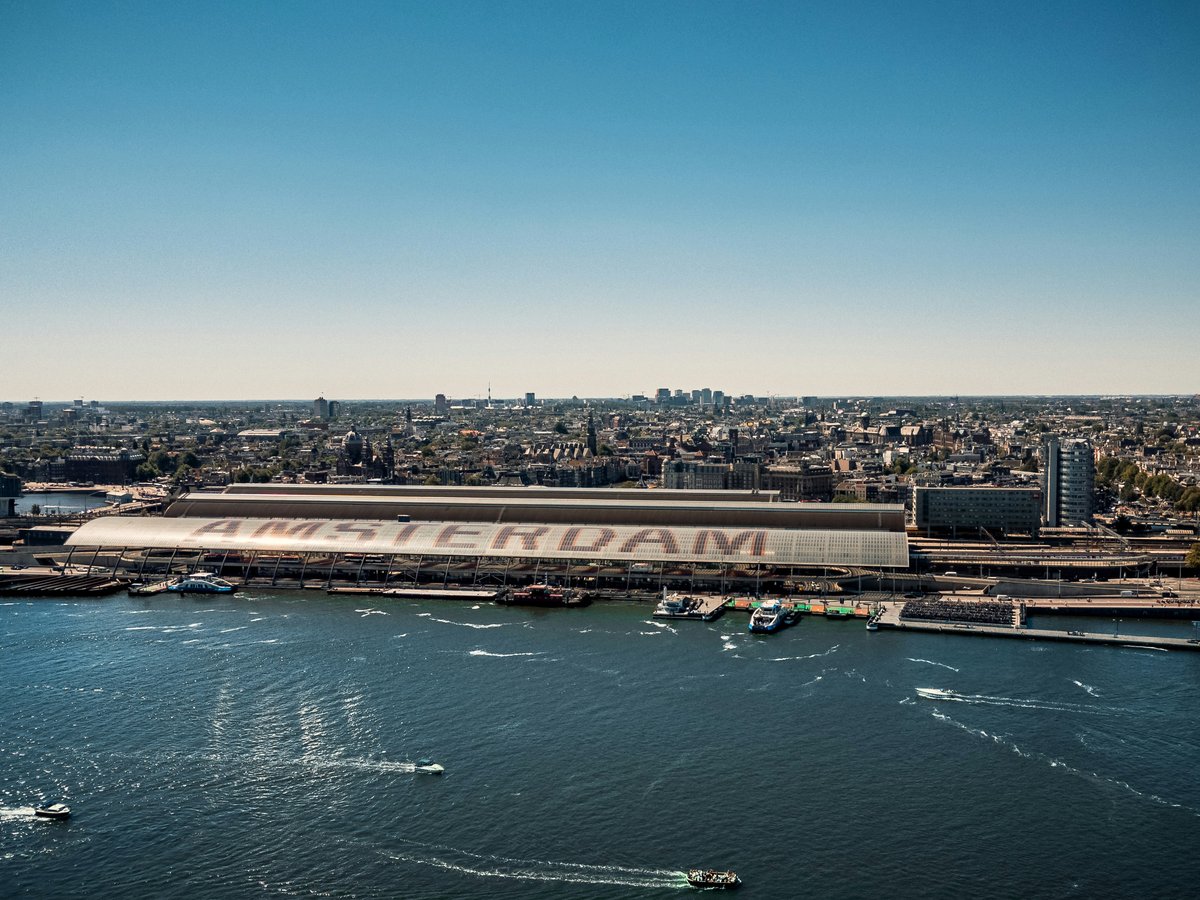
The first mistake happens at Schiphol. Unlicensed drivers work the arrivals hall at Schiphol Plaza, and their ride into the Canal Ring can top €50, while the NS train to Amsterdam Centraal takes about 15 minutes and currently costs roughly €6 to €7, around $7 to $8 at the October 8 rate of 1 USD to 0.894 EUR. Tap a contactless bank card at the gate and skip the ticket-machine queue. Outside Centraal, the bigger danger is the bike lane: the red asphalt paths along Damrak and Prins Hendrikkade carry a steady stream of riders at rush hour, and on Damrak you'll hear the bell before you see the bike. Stay on the grey pavement and look both ways twice at every canal bridge. Renting a bike on day one is a mistake for most first-timers. Tram rails on Leidsestraat and Raadhuisstraat catch a front wheel in wet weather, and this morning Amsterdam sat at 10.1°C with drizzle that felt closer to 5.8°C in the wind.
Damrak is where Amsterdam keeps its worst food. The laminated six-language menus there, and the Argentinian steakhouses near Rembrandtplein, often charge €30 or more for a steak you will forget by dinner. The Nutella-loaded stroopwafels sold off Kalverstraat cost €5 or more and taste mostly of warm sugar; a plain stroopwafel at the Albert Cuyp Market in De Pijp costs a few euros and comes off the iron hot, with caramel that stretches between your fingers. Madame Tussauds on Dam Square and the Amsterdam Dungeon are pricey indoor fillers you could do in London. The Heineken Experience on Stadhouderskade sells about 90 minutes of brand marketing and two small beers for over €20; Brouwerij 't IJ, beside the De Gooyer windmill, pours its own beer in a room that smells of malt, and a glass runs around €5. The cheese 'museums' on Damrak are shops. Taste the free cubes, then buy aged Gouda at De Kaaskamer on Runstraat in the Nine Streets.
De Wallen, the Red Light District around Oudezijds Achterburgwal, is worth one look and no more. Photographing the women in the windows is banned by local rules and still leads to shouting matches with window workers most weekends, and lighting a joint on the street there can now earn a fine of around €100. Police patrol Oudezijds Voorburgwal on Friday and Saturday nights. Men on Zeedijk and Warmoesstraat will mutter 'coke, ecstasy' as you pass, so ignore them and keep walking toward Nieuwmarkt. Wikivoyage notes that street-sold 'cocaine' in Amsterdam has turned out to be white heroin, which has killed tourists. Space cakes from coffeeshops can take 60 to 90 minutes to hit and run stronger than many visitors expect, so eat a small piece and skip the beer. Leidseplein on Friday nights is loud and sticky, with gigs at Melkweg emptying onto the square after 11pm. Book a hotel in the Jordaan, De Pijp or Oud-West instead of Warmoesstraat, where bins and stag parties clatter until 4am.
The Anne Frank House, a museum since 1960, sells no tickets at the door; slots go online on Tuesdays, six weeks ahead, and the late-morning ones tend to sell out within days, so book a mid-afternoon slot on day two rather than day one. Jet lag and the steep staircase behind the bookcase on Prinsengracht make a bad pairing. Museumplein works the same way: the Van Gogh Museum sells timed tickets online only, and the Rijksmuseum, founded in 1800, is calmer after 3pm than at its 9am opening. The red 'I amsterdam' letters from old photos were removed from Museumplein in December 2018, so don't cross the city for that selfie. The big glass canal boats leaving from Damrak and Rokin play recorded commentary behind windows that fog up in October drizzle. A small open boat with blankets, boarding near the Westerkerk, puts you on the Herengracht at eye level, where you can smell wet stone and hear bike bells on the bridges above.
Tourist traps to skip
- Glass-roofed canal cruise boats departing from Damrak and Rokin
- Laminated-menu restaurants on Damrak and Argentinian steakhouses around Rembrandtplein
- Nutella-topped stroopwafel stands off Kalverstraat
- Madame Tussauds on Dam Square
- The Amsterdam Dungeon
- Heineken Experience on Stadhouderskade
- Cheese 'museum' shops on Damrak
- Hunting for the removed 'I amsterdam' letters on Museumplein
- Hotels on Warmoesstraat in De Wallen
- Leidseplein bars on Friday and Saturday nights
Common scams
- Unlicensed taxi drivers soliciting in the Schiphol Plaza arrivals hall, charging €50 or more for a ride the NS train covers for about €6 to €7
- Street dealers on Zeedijk and Warmoesstraat selling fake 'cocaine' that has turned out to be white heroin
- Third-party resellers offering Anne Frank House tickets, which are available exclusively through the museum's own website
- Restaurant touts on Rembrandtplein and Leidseplein steering visitors toward overpriced set menus
Seasonal hazards
- October drizzle with wind chill: 10.1°C can feel like 5.8°C on open canal bridges
- Wet tram rails on Leidsestraat and Raadhuisstraat catching bike wheels in the rain
- Clocks go back on 25 October 2026, leaving it dark by about 5:20pm
- Fogged windows on enclosed canal boats in damp autumn weather
Last verified by automated review (v1.7.2) on . What is automated review?