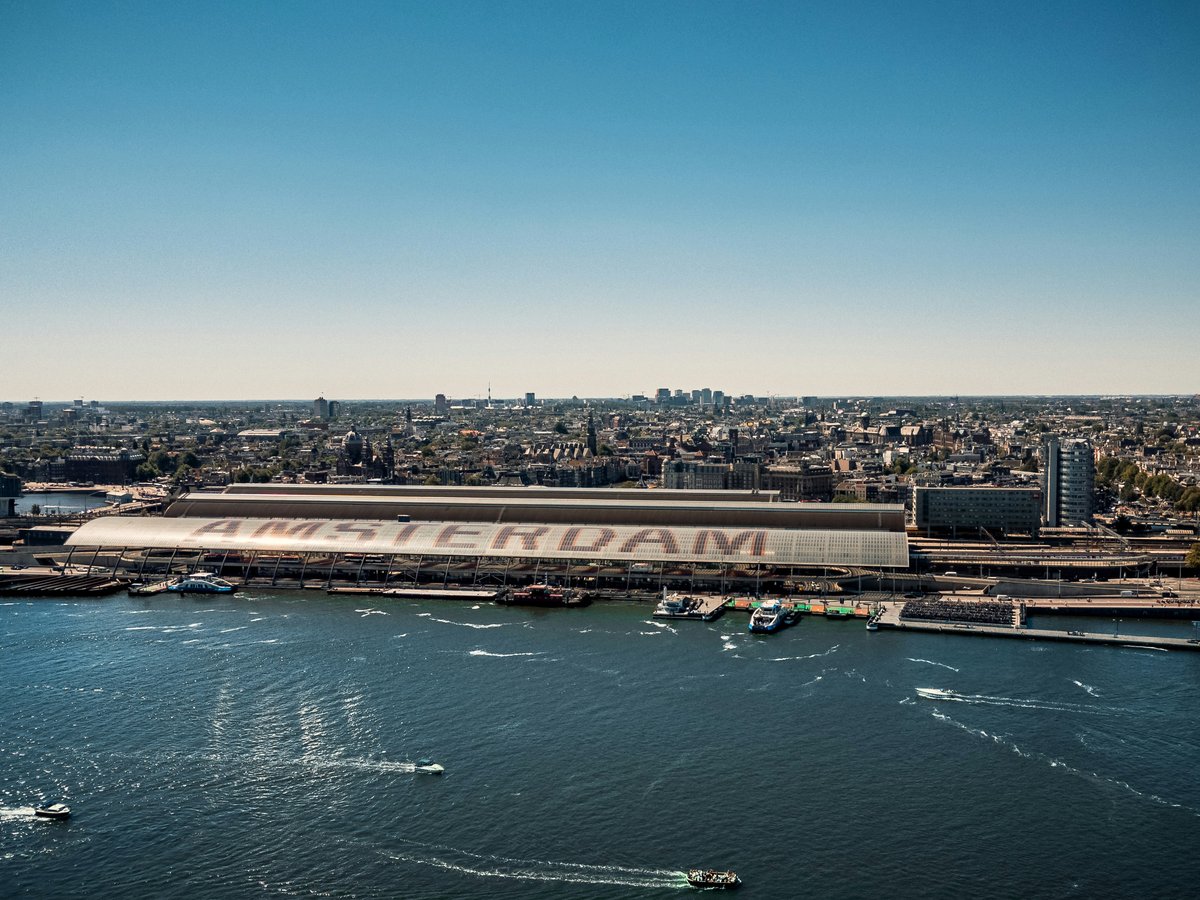
Amsterdam's nightlife has this particular rhythm that catches first-time visitors off guard. Things start slow: almost deceptively so. You'll see locals nursing a beer on a canal-side terrace at five in the afternoon, and the whole city feels like it's winding down. It's not. The Dutch tend to eat late, drink steadily, and then somewhere around eleven or midnight, the energy shifts. Bars that seemed half-empty suddenly have people spilling onto the sidewalk, and the clubs won't really hit their stride until one or two in the morning. The city has a deep permissive streak when it comes to nightlife: a legacy of decades of tolerance culture that still shapes how people go out here. There's very little posturing. You'll find tech workers and artists sharing the same sticky-floored brown café, students and middle-aged couples at the same outdoor festival, DJs playing to crowds that care more about the music than being seen. That said, Amsterdam is a compact city, and its nightlife scenes bleed into each other in ways that larger cities don't allow. You can start with wine in the Jordaan, stumble into a jazz set near Leidseplein, and end up at a warehouse party in Noord: all in one night, mostly on foot or a short ferry ride. The drinking culture here leans heavily toward beer, specifically pilsner and craft, though natural wine bars have been creeping in over the past few years. Shots of jenever (Dutch gin, basically) still happen, especially in the older proeflokaalen where you lean over the bar and sip from a tulip glass filled to the brim. It's a city that doesn't try too hard to impress you after dark, which is probably why it does.
The Bar Scene: Brown Cafés, Cocktails, and Everything Between
The backbone of Amsterdam drinking is the brown café: bruine kroeg in Dutch. These are the dark-wood, nicotine-stained (from decades past), candle-lit pubs you'll find on nearly every canal street. They serve beer, jenever, and simple bar snacks like bitterballen: deep-fried ragout balls that taste better than they sound, especially after a couple of drinks. The atmosphere tends toward the convivial. Strangers talk to each other. Someone might be reading a book alone at the bar at four in the afternoon, and by ten that same stool is the center of a loud argument about football. Worth noting: brown cafés generally don't have cocktail menus. You order beer, wine, or spirits, and that's that. The cocktail bar scene has grown considerably since around 2015, though it still feels more restrained than London or New York. The better spots lean toward a speakeasy aesthetic: unmarked doors, dim lighting, bartenders who take their craft seriously without being precious about it. You'll find concentrations of these in De Pijp and along the eastern canals. Expect to pay somewhere around twelve to sixteen euros for a well-made cocktail, which stings a bit but tends to be justified by the quality. The Dutch palate seems to favor bitter and herbal profiles: lots of amaro, genever-based creations, and things involving Dutch bitters. Rooftop bars exist but Amsterdam's skyline doesn't really lend itself to the concept the way taller cities do. A few hotel rooftops offer decent views over the canal ring, particularly in the Centrum area, though they tend to attract a more tourist-heavy crowd and charge accordingly. The drinks are fine. The views do most of the work. Dive bars (real ones, not curated-grungy ones) still exist around Nieuwmarkt and parts of the Jordaan. Sticky floors, questionable bathroom situations, cheap beer, and a jukebox that someone is definitely going to monopolize. These places tend to have fiercely loyal regulars who might initially regard you with mild suspicion before warming up entirely by your second round. Mind you, the line between a charming dive and an uncomfortable one can be thin. If the energy feels off, trust your gut and move along. Wine bars have been arriving steadily, particularly the natural wine variety. De Pijp and the Jordaan both have several spots where you can sit at a small table, work through a list of orange wines and low-intervention bottles, and eat cheese or charcuterie. The markup on wine in Amsterdam is noticeable: a bottle that costs eight euros at the shop will run you thirty-five or more at a bar. That said, the curation at the better spots tends to be thoughtful, and the staff usually know what they're pouring.
The Club Scene: Techno Roots and Late, Late Nights
Amsterdam's club culture has deep roots in electronic music, and techno remains the dominant force. The city played a significant role in the European rave movement of the early nineties, and that DNA still runs through its nightlife. The warehouse party ethos (stripped-back spaces, heavy sound systems, function over decoration) is alive and well, particularly in the industrial zones of Noord and the areas around the former NDSM wharf. Club nights typically don't get going until midnight at the earliest, and peak hours tend to fall between two and four in the morning. Many venues stay open until five, six, or even later on weekends. Showing up at eleven will get you a near-empty dance floor and some confused looks from the bar staff. The Dutch approach to clubbing is patient: pre-drinks at someone's flat, dinner that runs late, then arriving at the venue when the DJ is properly warmed up. Dress codes are generally relaxed compared to other European capitals. Trainers are fine almost everywhere. The unspoken rule is more about attitude than attire: looking like you're there for the music rather than to cause trouble gets you further than a designer outfit. Door policies at the more serious clubs can be selective, but it's less about fashion policing and more about keeping out stag parties and people who are already visibly intoxicated. Speaking Dutch or showing genuine familiarity with the lineup helps. Bouncers tend to ask who's playing: knowing the answer is a good sign. Beyond techno, you'll find nights dedicated to house, disco, Afrobeats, hip-hop, and bass music, though these tend to rotate through multi-genre venues rather than having dedicated clubs. The Dutch have a particular fondness for what they call "urban" nights: a blend of hip-hop, R&B, and dancehall that draws a younger, largely local crowd. Drug use in clubs is an open reality in Amsterdam. MDMA and other substances circulate, and some venues have harm-reduction measures like free water stations and testing information. The city's approach leans toward pragmatism rather than prohibition, though possession of hard drugs is still technically illegal. If this isn't your scene, you won't be pressured: it's very much a personal-choice culture. That said, be cautious about what you accept from strangers in any setting.
Live Music: Jazz Cellars, Indie Stages, and the Occasional Surprise
Amsterdam has a genuine live music scene, though it doesn't always get the credit it deserves next to the club culture. Jazz has a particularly strong presence: the city has hosted the North Sea Jazz Festival's satellite events for years, and there's a network of intimate venues where you can catch both Dutch and international musicians in rooms small enough to hear every breath. The Jordaan and the canal belt around Utrechtsestraat have a few basement-level jazz spots where performances happen most nights of the week. These tend to be low-key affairs, no cover charge or a small one, audiences that listen, and musicians who are playing because they want to, not because they're filling a residency slot. Thursday through Saturday are the strongest nights for jazz. The quality can be genuinely surprising. Indie and alternative rock have a solid following, with mid-sized venues scattered across the city hosting both Dutch and touring acts. The Dutch indie scene has its own flavor: sometimes angular and post-punk influenced, sometimes folkier with lyrics that toggle between Dutch and English. Venue capacities tend toward the intimate, which means even relatively well-known acts play rooms where you're standing close enough to see the sweat on the drummer's forehead. For larger acts, there are arena and theater-scale venues, though these fall outside the scope of a nightlife guide: they're ticketed events you plan for, not places you stumble into on a Tuesday. Open mic nights and jam sessions happen regularly, especially in the Jordaan and De Pijp. The quality is, to be fair, uneven: some nights you'll hear a genuinely gifted singer-songwriter working through new material, and other nights you'll hear someone's enthusiastic but tone-deaf cover of Wonderwall. That unpredictability is part of the charm. Or at least that's what people say while reaching for another beer. Worth noting: the live music scene tends to start and end earlier than the club scene. A gig that begins at nine might wrap by eleven, leaving the rest of the night open for wherever the mood takes you. This makes it surprisingly easy to combine a live show with a later club night: something the city's compact geography actively encourages.
Nightlife neighborhoods
-
Leidseplein and Rembrandtplein
The traditional going-out epicenters: loud, crowded, and heavily tilted toward tourists. Neon signs, promoters on the street, bars playing top-40 at volumes that make conversation impossible. Rembrandtplein skews slightly older and more mixed; Leidseplein is where the stag parties congregate. That said, there are a few genuine spots tucked into the side streets that locals still frequent: you just have to know where to look and be willing to walk half a block from the main square.
- Best for
- First-time visitors who want to be in the thick of it, groups looking for a straightforward big night out, people who don't mind paying tourist prices
- Standouts
- The side streets off both squares hide smaller bars and comedy venues that the main drag obscures. The alleys between Leidseplein and the Vondelpark area tend to be quieter and more interesting than the square itself.
-
De Pijp
A neighborhood that's been gentrifying steadily but still has some texture to it. The area around Albert Cuypmarkt transforms after the market stalls close: wine bars, cocktail spots, and restaurants with late-night drinks service line the streets. The crowd skews late-twenties to thirties, a mix of young professionals and creative types. It feels lived-in rather than curated. You'll hear more Dutch spoken here than in the center, which is always a decent indicator.
- Best for
- Wine and cocktail evenings, couples, groups who want good food before or alongside their drinks, anyone wanting a slightly more grown-up night without sacrificing energy
- Standouts
- The streets around Gerard Douplein and the southern end of Ferdinand Bolstraat have the highest concentration of bars worth seeking out.
-
Jordaan
Narrow streets, canal reflections at night, and a density of brown cafés that makes pub-crawling almost effortless. The Jordaan has a village-within-the-city quality after dark: locals who've lived there for decades mix with newcomers, and there's a warmth to the drinking culture here that feels unforced. Some of the city's best jenever proeflokaalen are in this neighborhood. Things tend to wind down earlier than in other districts: by one or two, most places are closing. The later hours belong to the clubs elsewhere.
- Best for
- Brown café crawls, jenever tasting, a relaxed evening that starts early, anyone who wants atmosphere over intensity
- Standouts
- The proeflokaalen along the Prinsengracht and Brouwersgracht edges of the Jordaan are the real draw. Several date back centuries and still serve jenever the traditional way.
-
Amsterdam Noord
This is where the city's nightlife has been migrating for the past decade. Former industrial buildings, warehouses, and shipping containers have been converted into clubs, bars, and cultural spaces. The free ferry from Centraal Station takes five minutes and runs all night on weekends, which is crucial because this is where the most interesting late-night programming tends to happen. The area around the NDSM wharf has a post-industrial roughness that suits the music: concrete floors, exposed steel, sound systems that you feel in your chest. In summer, the waterfront spaces come alive with outdoor events and festivals. There's still an edge of unpredictability to Noord that the center has long since lost.
- Best for
- Serious clubbers, techno and electronic music fans, anyone looking for the less polished side of Amsterdam's nightlife, summer festival-goers
- Standouts
- The NDSM wharf area and the former shipyard spaces host rotating events and resident venues. Check listings before heading over: some nights are ticketed, others are walk-in, and the programming changes week to week.
-
Nieuwmarkt and Zeedijk
Sitting at the edge of the Red Light District but with its own distinct character, this area mixes old-school Amsterdam dive bars with newer cocktail spots and a scattering of live music venues. Zeedijk has a Chinatown stretch that adds a different culinary and drinking dimension: late-night dumpling houses next to tiny bars playing soul records. Nieuwmarkt square itself has terrace bars that fill up on warm evenings, though the surrounding streets are where the more interesting places hide. The proximity to the Red Light District means you'll encounter some tourist overflow, but a block or two in any direction and the crowd thins out.
- Best for
- Bar-hopping with variety, late-night eating, anyone who wants proximity to the center without the Leidseplein chaos
- Standouts
- The bars along Zeedijk and the streets immediately east of Nieuwmarkt square tend to have more character than the terrace spots on the square itself.
-
Oost (East)
Amsterdam Oost has been quietly building a nightlife identity that revolves more around food-and-drink culture than clubbing. The Javastraat strip and the area around the Tropenmuseum have bars and restaurants that stay lively until late, drawing a neighborhood crowd that's notably diverse: a reflection of the area's demographics. It's not where you'd go for a blowout night, but for a few well-chosen drinks in places where nobody's performing their evening, Oost delivers. The Flevopark edge sometimes hosts summer events that catch people by surprise.
- Best for
- Low-key neighborhood drinking, diverse food-and-bar combinations, escaping the tourist circuits entirely
- Standouts
- Javastraat between Javaplein and the Molukkenstraat intersection has the densest cluster of interesting spots.
Safety after dark
Amsterdam is, by most measures, a safe city for going out at night. The canal ring is well-lit and well-populated even into the small hours, and violent crime targeting tourists is uncommon. That said, there are things worth being aware of. Pickpocketing spikes in crowded nightlife areas, particularly around Leidseplein, Rembrandtplein, and the Red Light District: keep your phone in a front pocket or zipped bag, especially in packed bars. The canals themselves are a genuine hazard after drinking. They're unfenced, dark, and the water is cold even in summer. Every year, people fall in. Walk on the building side of the canal paths if you've had a few. Drink spiking happens, as it does in any major city: watch your glass, don't accept open drinks from strangers, and if a friend seems suddenly far more intoxicated than their consumption would explain, get help immediately. The Red Light District after midnight can feel uncomfortable, particularly for solo women: it's not inherently dangerous, but the atmosphere shifts as the evening wears on and the crowd becomes more intoxicated. Trust your instincts. Getting home is straightforward: night buses run from Centraal Station to most neighborhoods, taxis are available through apps, and the metro runs until roughly midnight on weekdays with extended hours on weekends. In Noord, the free ferry to Centraal operates 24 hours on Friday and Saturday nights. Cycling home after drinking is extremely common among locals, but the combination of alcohol, dark canal paths, and unlit bike lanes makes it genuinely risky if you're not accustomed to the city's layout. If in doubt, take a cab.
Practical tips
- Cover charges
- Most bars have no cover charge at all. Clubs vary widely: smaller venues and weeknight events might be free or charge five to ten euros, while bigger weekend events with notable DJs can run fifteen to twenty-five euros or more. Buying advance tickets online is usually cheaper than paying at the door, and for popular nights it's sometimes the only option. Keep cash on hand for smaller venues, though card payment has become nearly universal.
- Tipping
- Tipping in bars and clubs is appreciated but not expected at the same level as in North America. Rounding up to the nearest euro or leaving a euro or two per round is normal. For cocktail bars where the bartender has put real work into your drink, a couple of euros is a nice gesture. Nobody will chase you down for not tipping, and nobody will give you attitude over it. Service charge is sometimes included in restaurant bills but rarely in bars.
- Drinking age and ID
- The legal drinking age is eighteen. Bars and clubs will ask for ID if you look under twenty-five, and they take it seriously: a passport or EU identity card is the safest bet. Some venues don't accept photocopies or photos of your passport on your phone. Dutch bouncers have seen every trick and are generally unmoved by negotiation.
- Opening and closing hours
- Most bars open in the late afternoon and close between one and three on weeknights, with Friday and Saturday extending to three or four. Clubs open around eleven but, as mentioned, don't really fill until one or two. Some clubs with extended licenses stay open until six or seven on weekends. Sunday nights are quiet almost everywhere: the city has a noticeable rhythm of winding down for the work week.
- Cash versus card
- The Netherlands has largely gone cashless, and Amsterdam is no exception. Nearly every bar and club accepts debit and credit cards, including contactless. A few older brown cafés and very small venues might be cash-only or have a minimum card amount, but this is increasingly rare. ATMs are plentiful around the main nightlife areas if you do need cash.
- Language
- English is spoken fluently by the vast majority of bar staff and nearly everyone under forty. Ordering in Dutch will get you a warm reaction but is absolutely not necessary. That said, learning the basics ('een biertje alsjeblieft' for a beer, 'proost' for cheers) goes over well and signals that you're making an effort rather than assuming the whole city revolves around English speakers.
FAQ
What time do people go out in Amsterdam?
It depends on what you're doing. Bar culture starts from late afternoon: you'll see terraces filling up by five or six. For a proper night out at a club, most locals won't arrive before midnight, and things peak between two and four in the morning. Showing up to a club at ten is a bit like arriving at a dinner party while the host is still cooking.
Is Amsterdam's nightlife mostly for tourists or do locals go out too?
Both, but they tend to go to different places. Leidseplein and Rembrandtplein are heavily tourist-oriented. Locals gravitate toward De Pijp, the Jordaan, Oost, and the club venues in Noord. The split isn't absolute (you'll find locals everywhere) but the tourist-heavy squares are noticeably different in crowd composition. If you want to drink where Amsterdammers drink, get off the main squares.
Do I need to book clubs in advance or can I just show up?
For bigger weekend events with well-known DJs, buying tickets in advance is strongly recommended: some nights sell out entirely, and even those that don't will charge more at the door. For smaller venues, weeknight events, and most bar-oriented nightlife, you can walk in without any planning. Check the venue's social media or website the day of if you're unsure.
Is it safe to walk around Amsterdam at night?
Generally, yes. The canal ring and major neighborhoods are well-lit and busy until late. The main risks are opportunistic pickpocketing in crowded areas and, honestly, the canals: they're unfenced and dark, and alcohol and water don't mix well. The Red Light District can feel uncomfortable late at night but isn't typically dangerous. Use common sense, keep your phone secure, and avoid unlit side streets if you're alone and unsure of the area.
What do locals typically drink on a night out?
Beer is the default: pilsner from the tap, increasingly supplemented by craft options. The Dutch have strong opinions about their beer being properly poured with a thick head of foam. Jenever, the local juniper spirit, is traditional and still popular in the older tasting houses. Wine is common at dinner and in wine bars. Cocktails have gained ground but are still more of a special-occasion order for many locals. Shots of jenever or korenwijn to start or end an evening remain a genuine tradition, not a tourist performance.
How do I get home after a late night out?
Night buses run from Centraal Station to most parts of the city and surrounding areas: they're reliable and reasonably priced. The GVB app or an OV-chipkaart will get you on board. Taxis are available through apps and at stands near the major squares. The ferry to Noord runs all night on weekends. Cycling is what locals do, but it's genuinely risky if you're unfamiliar with the city and have been drinking: dark canals, tram tracks that catch wheels, and other cyclists who assume you know the unwritten rules of Dutch bike traffic.
Last verified by automated review (v1.7.2) on . What is automated review?