What cultural etiquette should I know for Amsterdam?
Stay out of the bike lanes: that's the number one rule. The Dutch are direct, tipping is minimal (round up or 5-10%), and three-kiss greetings are for friends only. Never photograph Red Light District workers. Coffeeshops sell cannabis, koffiehuizen sell coffee: mixing them up is the tourist tell. PIN cards beat cash nearly everywhere.
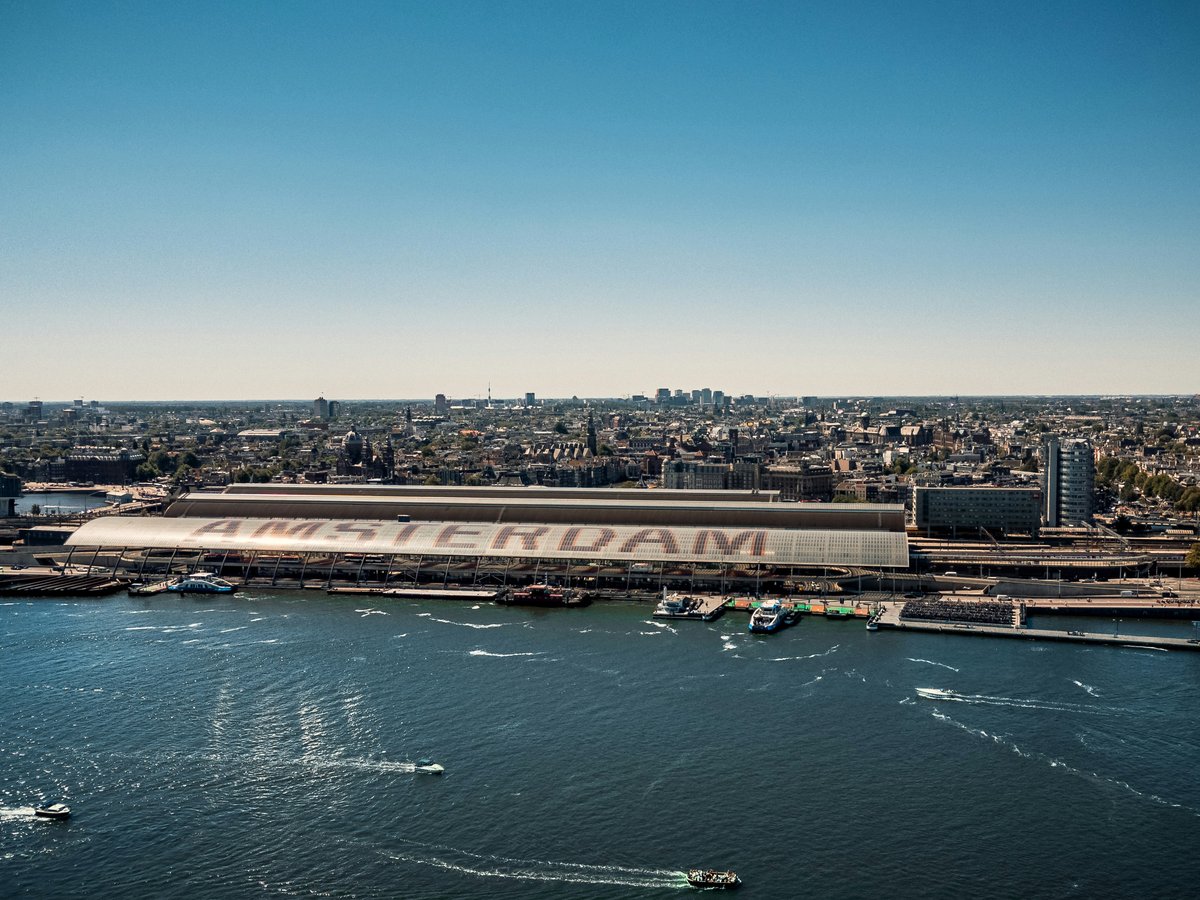
The single fastest way to annoy an Amsterdammer is to stand in a bike lane. Those red-paved strips running alongside sidewalks carry something like 900,000 daily bike trips, and riders will not swerve for you. They'll ring their bell once, maybe twice, then clip your elbow at speed. That sharp, insistent ding becomes the background soundtrack of your first day. Stay on the sidewalk, look both ways before crossing a fietspad, and never stop in one to check your phone. This applies double near Centraal Station, where tram rails, bike lanes, pedestrian paths, and taxi stands converge into something that feels like controlled chaos for the first 48 hours. You'll get the hang of it. Until then, keep your head on a swivel.
Dutch directness is real, and it catches most visitors off guard. A waiter who says 'no, we don't do that' isn't being rude: that's just how things work here. You'll ask for a menu substitution and get a flat 'nee' with zero apology. It tends to feel abrasive for about a day, then honestly kind of liberating. No guessing what someone means. In shops, a 'hallo' or 'dag' when you walk in is expected: ignoring a shopkeeper and heading straight for the merchandise reads as cold. If you need help, ask directly. The Dutch respect directness in return; a roundabout 'I was just wondering if perhaps you might...' gets you a blank look. Say what you want. They will.
Tipping here has nothing in common with the American system. The service charge is already in the bill, so what you see on the menu is what you pay, plus whatever you choose to leave. If the meal was good, rounding up or adding 5-10% is generous. Leaving €2-3 on a €30 dinner at a place like Café de Klos in the Jordaan gets a warm nod; leaving 20% gets a confused look. At a bruin café, the loose coins from your change are plenty. Taxi drivers: round to the nearest euro. Worth noting: the city has gone almost entirely cashless. Many restaurants in De Pijp and the Jordaan don't take bills at all. A contactless Visa or Mastercard works nearly everywhere; a Maestro-linked debit card works everywhere. Bring both.
De Wallen (the Red Light District) has rules that trip up first-timers hard. Never photograph the sex workers in their windows. It's illegal, and bouncers standing in doorways will make you delete the photos or confiscate your phone. Keep your voice down after 22:00; the residents above those windows have been fighting noise for decades and they have the city council's ear. Coffeeshops (cannabis cafés) are not the same as koffiehuizen (coffee houses), and mixing them up is still the running joke among locals. Inside a coffeeshop, buy something if you sit down, don't bring outside cannabis, and since 2023 don't mix with tobacco: smoke it pure or use a vaporizer. The thick, sweet smell drifting out of a coffeeshop door on Haarlemmerstraat is unmistakable. To be fair, the gedoogbeleid (tolerance policy) still allows tourist purchases at the moment, but the rules have been tightening: check before you assume.
Cultural norms
Amsterdam wears its Golden Age wealth lightly: the UNESCO-listed canal ring (the Grachtengordel), gabled merchant houses, and Rembrandt's Rijksmuseum sit beside a famously unpretentious, bike-borne daily life. The Dutch ideal of gezelligheid (a cosy, convivial togetherness) shapes brown cafes, terrace culture, and long canal-side evenings. Tolerance is a civic inheritance, from the 17th-century refuge for dissenters to today's progressive social norms. Cycling is the default, not a hobby: there are more bikes than residents, and the infrastructure assumes them, so stay out of the bike lanes. Respect the working city behind the tourist core, and treat the Red Light District's residents and workers with discretion. Tipping is modest (round up; service is included), conversation is direct and egalitarian over formal, and a few words of Dutch are appreciated though rarely needed.
Greetings
A quick 'hallo' or 'dag' when entering a shop or restaurant is expected: skipping it reads as rude. Handshake for first meetings, firm and brief. Three kisses (right-left-right) only between friends and acquaintances; don't initiate with strangers or service staff. Direct eye contact during conversation is normal here, not aggressive.
Don't do this
- Standing, stopping, or checking your phone in a bike lane (fietspad): riders won't brake for you
- Photographing sex workers in De Wallen windows: illegal, and bouncers will intervene
- Smoking cannabis on the street or on a coffeeshop terrace: keep it inside the establishment
- Calling the country 'Holland': that's technically only two provinces and the Dutch notice
- Being loud in residential neighborhoods after 22:00, especially near De Wallen
- Jumping queues: the Dutch are methodical about lines and will call you out
- Picking tulips or flowers from public gardens: fines apply
- Assuming every Amsterdammer uses cannabis: most don't, and the assumption irritates
Tipping
Service charge is already in the bill. Round up or add 5-10% for good service: €2-3 on a €30 dinner is generous. Brown cafés: leave the coins from your change. Taxis: round to the nearest euro. Hotel porters: €1-2 per bag.
Dress code
Amsterdam is casual: jeans and trainers work everywhere, including most restaurants. The one non-negotiable: a waterproof jacket. Umbrellas die in the canal-side wind within days. Churches like Oude Kerk and Westerkerk don't enforce dress codes strictly, but covered shoulders show respect during active services.
Religious norms
The Netherlands is among Europe's most secular countries, and Amsterdam takes that further. Most churches (Oude Kerk, Nieuwe Kerk, Westerkerk) function as exhibition and concert venues now. Remove hats inside during services and keep voices low. If visiting a mosque like the Fatih Camii in De Baarsjes, remove shoes at the entrance, dress modestly with long sleeves and covered legs, and women should bring a headscarf. During Ramadan, be mindful near mosque neighborhoods around iftar time.
Last verified by automated review (v1.7.2) on . What is automated review?