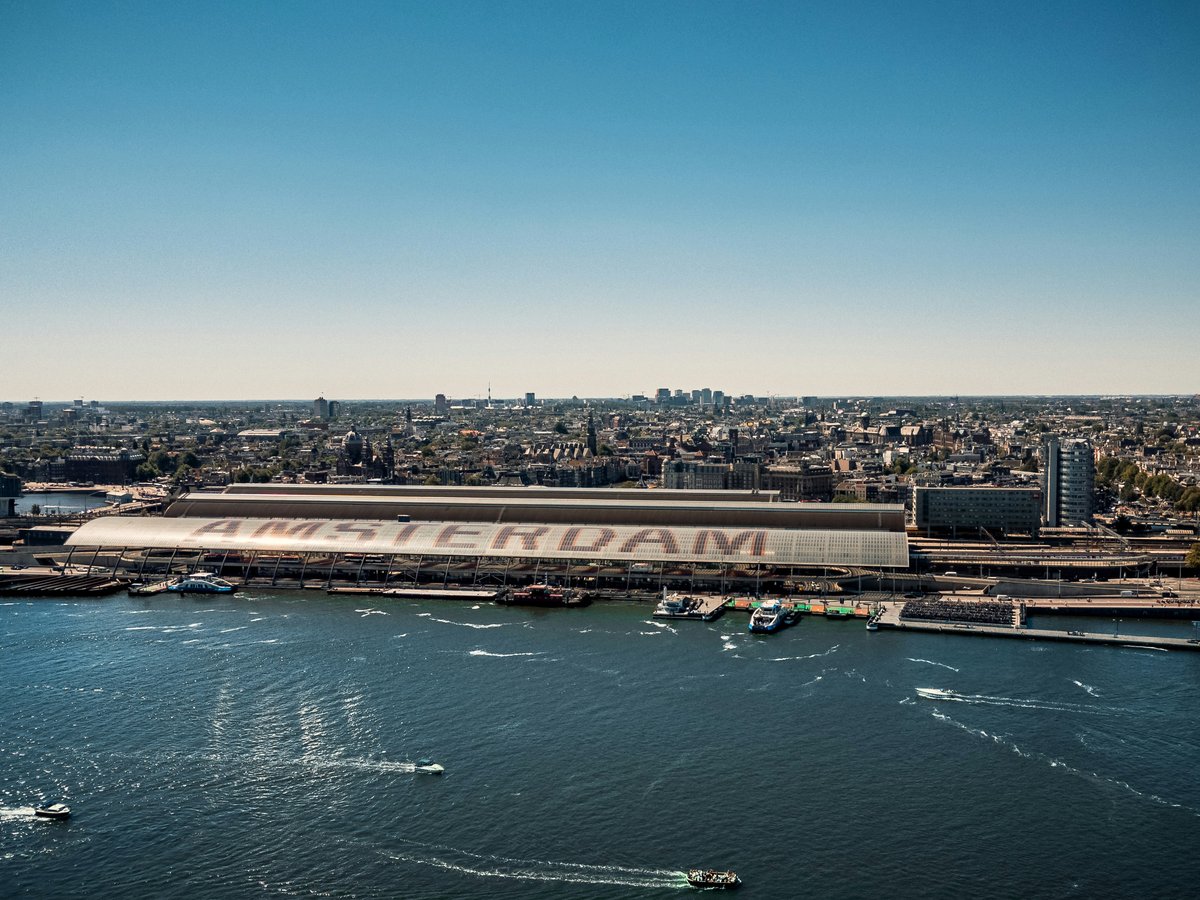
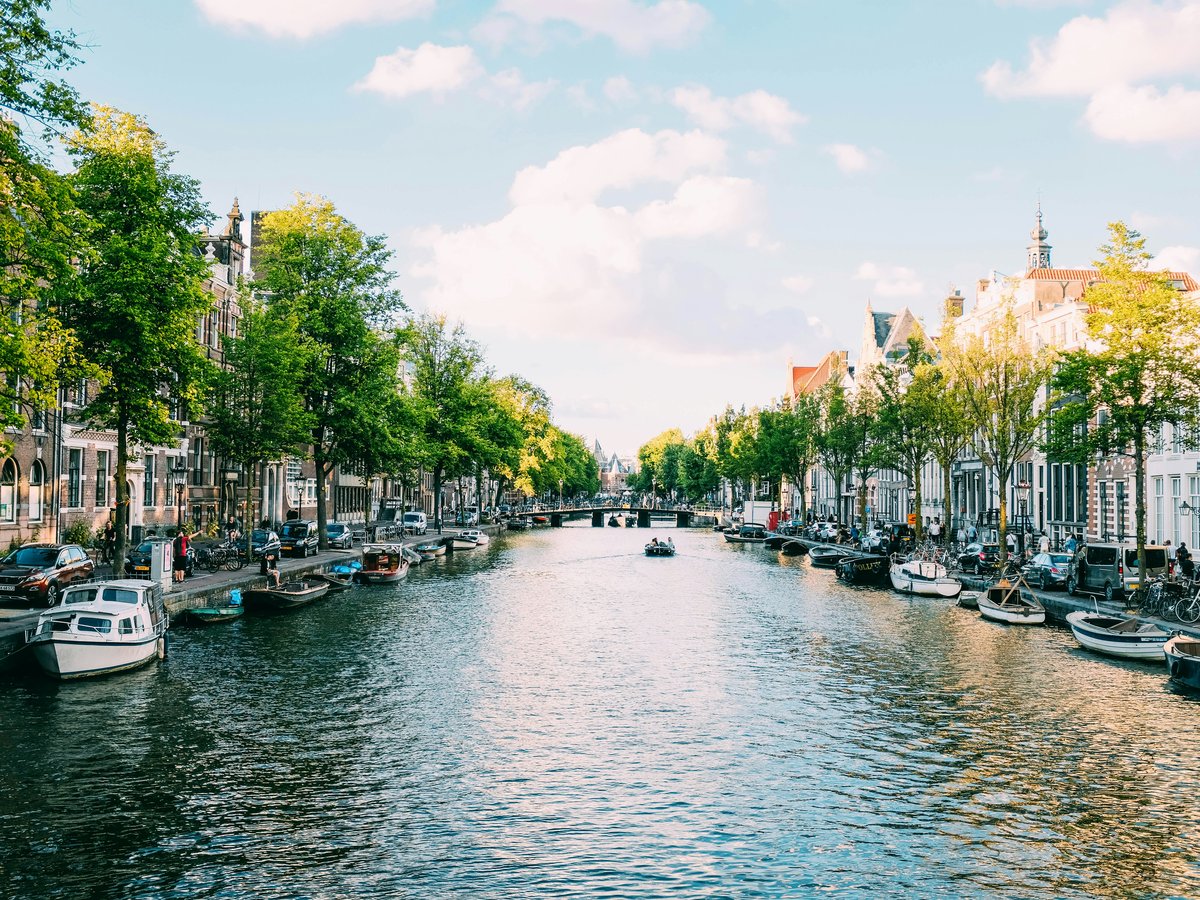
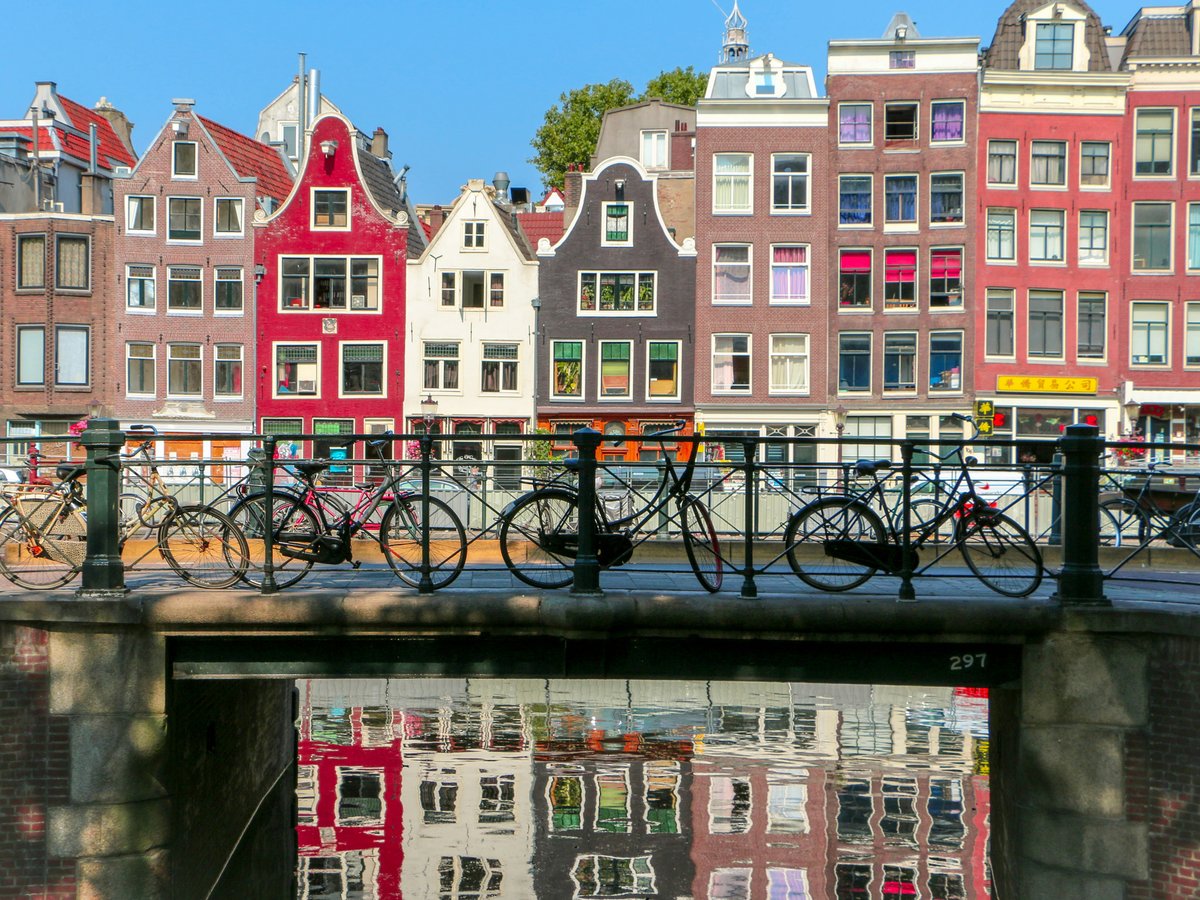
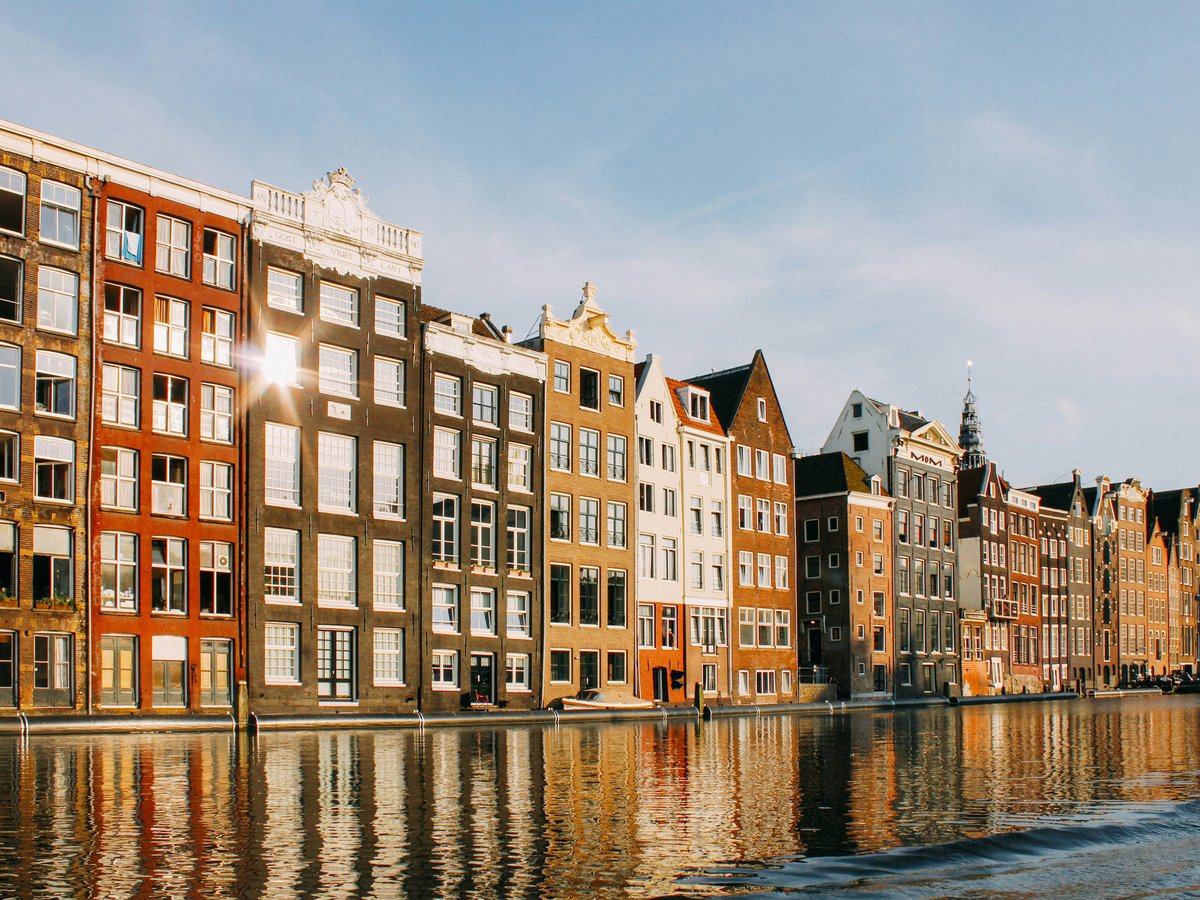
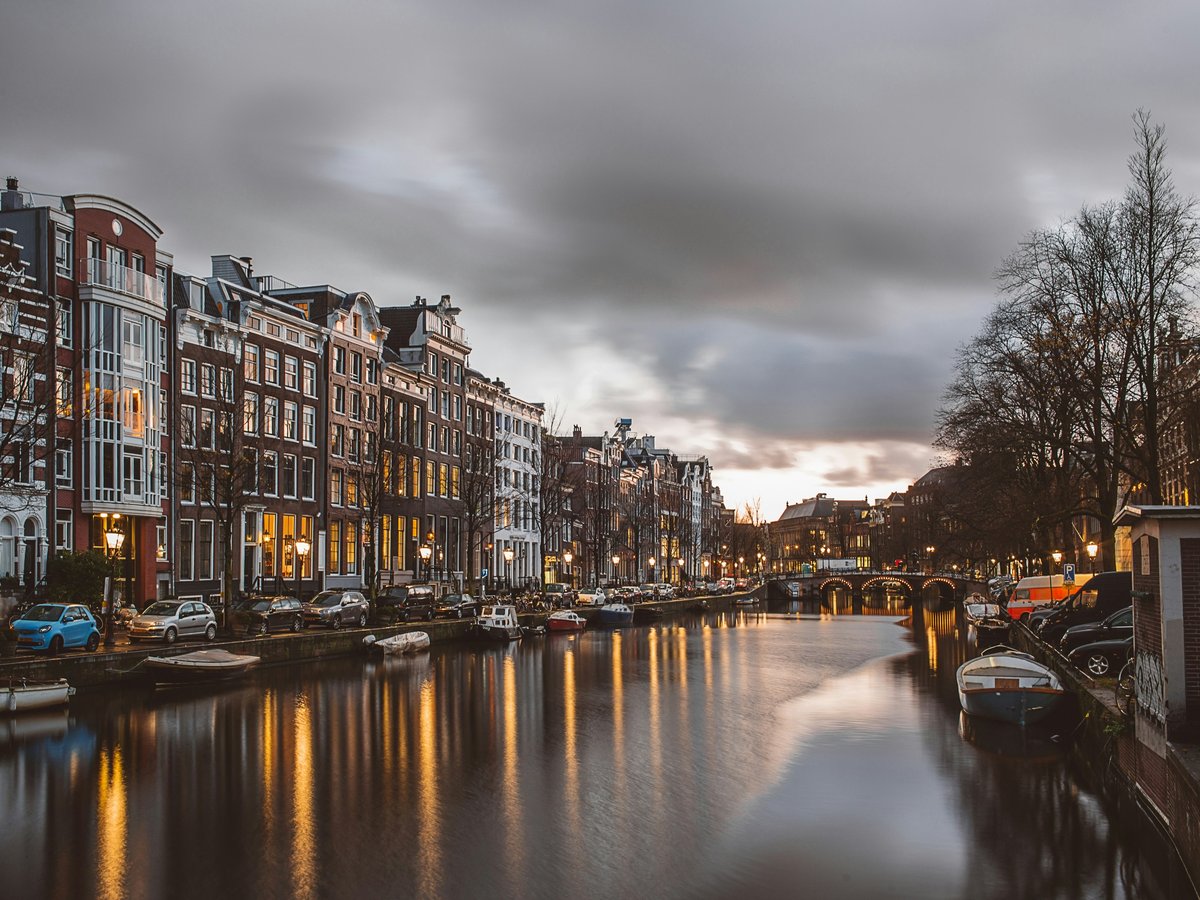
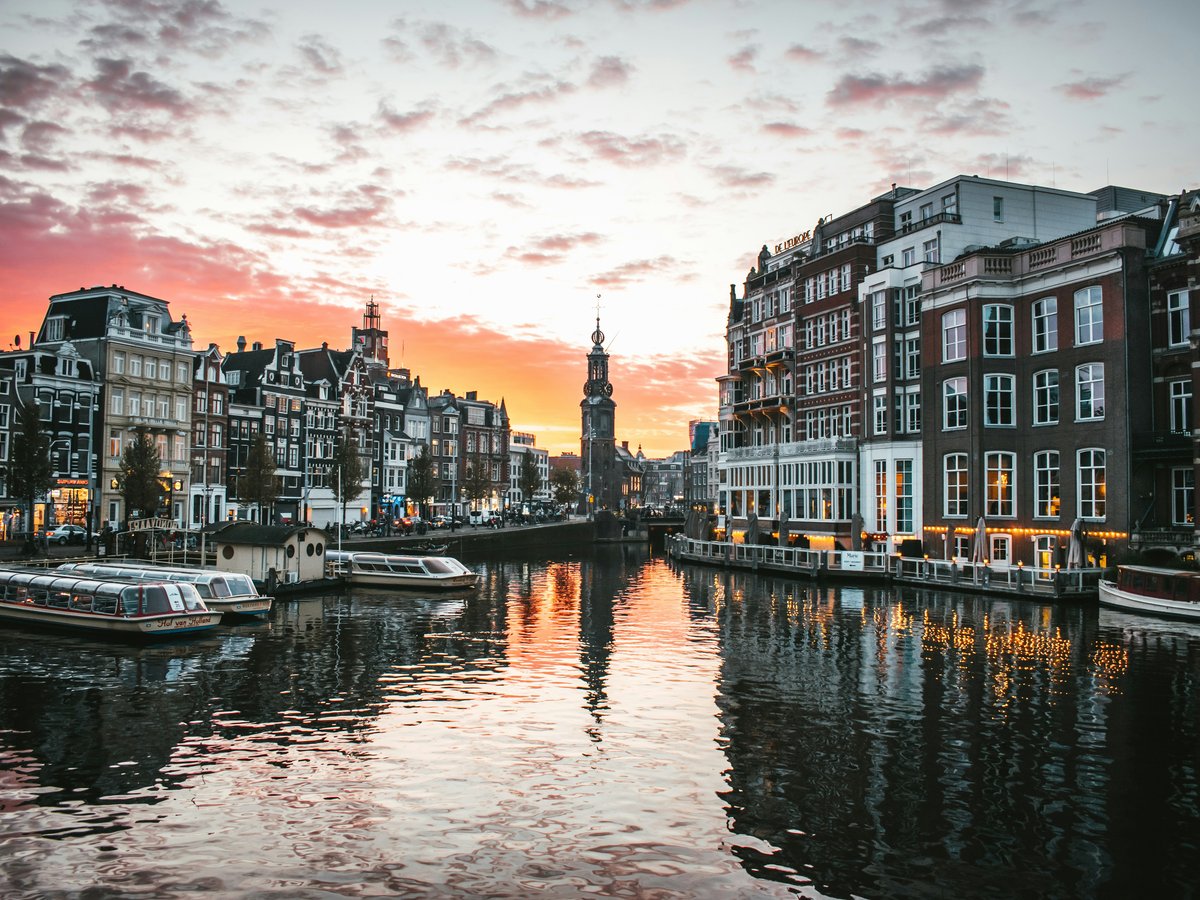
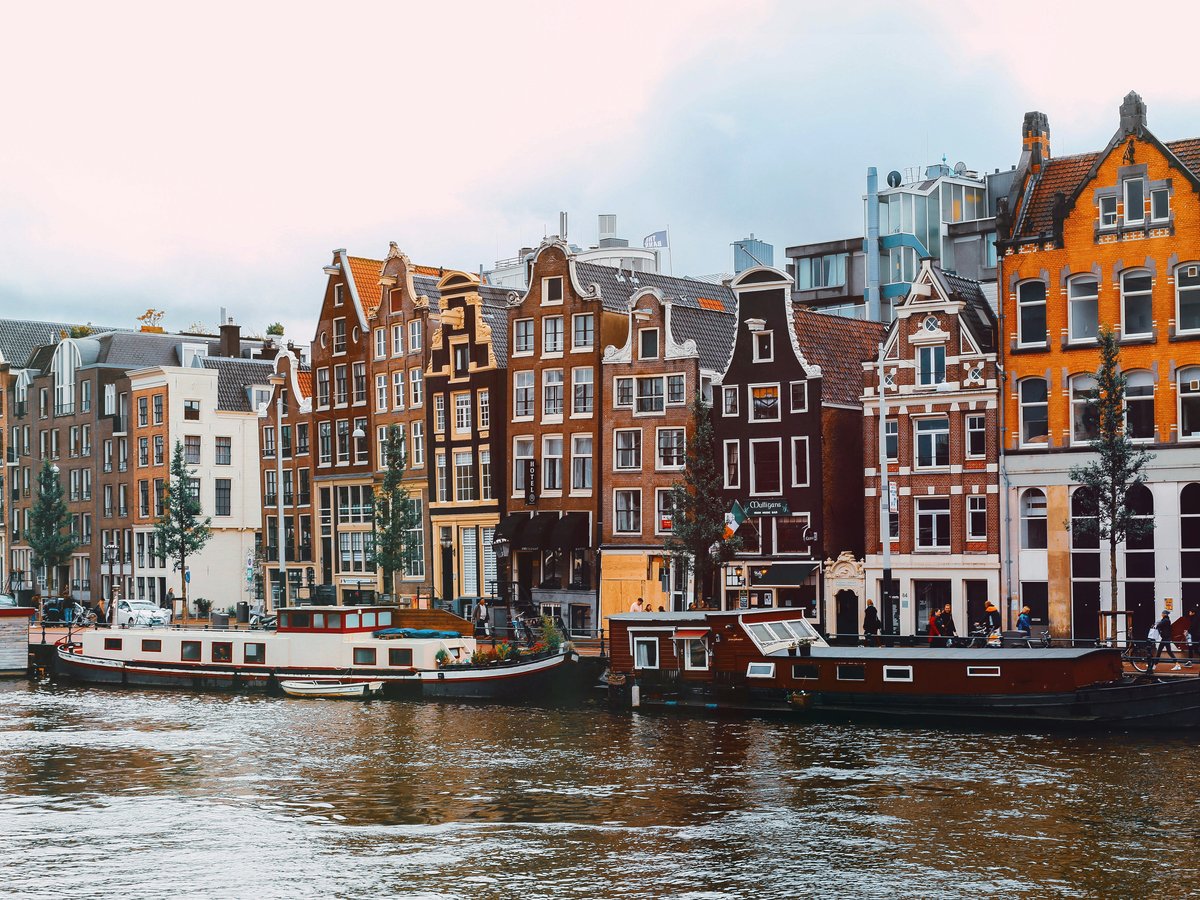
Amsterdam sits two metres below sea level, a city that exists only because its residents decided centuries ago that the North Sea would not dictate where they could build their lives. The concentric canal ring: Herengracht, Keizersgracht, Prinsengracht: was dug in the seventeenth century not for beauty but for commerce, and the narrow merchant houses lining those waterways still tilt forward on their foundations, built deliberately that way so furniture could be hoisted through upper-floor windows without scraping the facade below. A first visit here tends to organise itself around water: you will find yourself walking along canals more often than crossing streets, and the city's flat geography means a bicycle becomes less a deliberate choice than an inevitability within your first afternoon. The centre is small enough to traverse on foot in forty minutes, but most visitors underestimate how much time vanishes in the Jordaan, a former working-class district west of Prinsengracht where the brown cafés: wood-panelled, low-ceilinged, lit by candles at three in the afternoon: set the social rhythm for the entire neighbourhood. De Pijp, south of the Rijksmuseum, draws a younger crowd to the Albert Cuyp market and the surrounding Indonesian and Surinamese restaurants, a living legacy of colonial history that the city acknowledges more openly than most European capitals do. Amsterdam's weather is a recurring negotiation: rain arrives sideways off the IJ waterway, rarely lasts long, and locals simply do not cancel plans for it. The Vondelpark empties and fills three times on a typical spring Saturday as squalls pass through. What catches most first-time visitors off guard is the quiet: beyond the Damrak tourist corridor, residential streets are startlingly still by eight in the evening, bikes ticking past you in the near silence, the only sound the water lapping against houseboats moored two-deep along the banks of the Amstel.
Amsterdam in photos
Amsterdam right now
Answers about Amsterdam
-
Airport to city
Take the NS train from Schiphol (AMS) to Amsterdam Centraal: around €6, 15 minutes, departing every 10 minutes from roughly 6am to 1am. Platforms are directly below the arrivals hall; follow yellow signs to Trains. After 1am, night bus N97 reaches Leidseplein in 30 minutes. Skip taxis unless you have heavy luggage: the train is faster and costs a tenth of the fare.
Read the full answer → -
Best time to visit
Late May, June, and September are the best months for a first trip to Amsterdam. Highs run 17 to 21°C, café terraces along the canals stay full until late, and hotel rates sit below both the tulip-season and Pride peaks. April buys you the bulb fields, but at a premium. November, January, and February are grey, wet, and dark by late afternoon.
Read the full answer → -
Cost per day
Budget travelers in Amsterdam spend €55-65/day ($65-75) covering a hostel dorm, supermarket meals from Albert Heijn, and walking. Midrange sits around €150-170/day ($175-195) with a 3-star hotel and one paid museum. A per-night tourist tax and €20+ museum tickets are the costs that catch newcomers off guard.
Read the full answer → -
Cultural etiquette
Stay out of the bike lanes: that's the number one rule. The Dutch are direct, tipping is minimal (round up or 5-10%), and three-kiss greetings are for friends only. Never photograph Red Light District workers. Coffeeshops sell cannabis, koffiehuizen sell coffee: mixing them up is the tourist tell. PIN cards beat cash nearly everywhere.
Read the full answer → -
Best day trips
Haarlem first: 15 minutes by Sprinter from Centraal, roughly €4.70 each way, and the Grote Markt square is the kind of place where you sit with coffee and wonder why you spent three days in Amsterdam crowds. Utrecht and Delft both work as full days under an hour by Intercity. Skip Bruges as a day trip: 3 hours each way by train kills the day.
Read the full answer → -
Digital nomads
Amsterdam scores 8.5/10 for digital nomads (sourced from TTDI's editorial rubric). Fiber delivers 300-1,000 Mbps in most rentals across De Pijp, Oost, and Oud-West. Coworking hot-desks start around €200/month at The Social Hub and B. Amsterdam. Furnished studios run €1,600-2,200/month. No dedicated digital nomad visa exists, though Americans can use the DAFT self-employment permit. Monthly all-in budget sits around $3,100.
Read the full answer → -
Family-friendly
Amsterdam scores 8.5/10 for family friendliness (see the TTDI Family-Friendliness Index). The city's flat terrain makes stroller navigation easier than Rome or Lisbon. Artis zoo, NEMO Science Museum, and Vondelpark keep kids aged 2-12 occupied for full days. Canal edges lack guardrails, so children under 5 need a firm hand near the water.
Read the full answer → -
Food culture
Amsterdam's food culture runs on two tracks most visitors miss: a deep Indonesian colonial kitchen (rijsttafel, satay, nasi goreng) that locals eat weekly, and a Surinamese street-food tradition concentrated in neighborhoods east of Centrum. The Dutch staples (raw herring, bitterballen, stamppot) anchor the colder months, while the Albert Cuyp Market in De Pijp feeds the daily rhythm year-round.
Read the full answer → -
Getting around
Tram and walking for the canal ring; free GVB ferries to Noord; OVpay contactless on every tram, bus, and metro gate. Amsterdam is flat, compact, and tram-threaded: lines 2, 5, and 12 from Centraal Station reach most things visitors care about within 15 minutes. Skip renting a bike your first day unless you've cycled in European traffic before.
Read the full answer → -
How to get there
Amsterdam Schiphol (AMS) sits 15 km southwest of Centraal Station, with direct flights from most major cities. KLM and Delta run nonstops from a dozen US gateways; from London you can fly in under an hour or take the Eurostar via Brussels in about four hours. Budget carriers use nearby Eindhoven and Rotterdam.
Read the full answer → -
Is it safe?
Yes. Amsterdam scores 9 out of 10 for solo travellers (see the TTDI Solo-Safety Index), and violent crime against visitors is rare. The real risks are cyclists in the red bike lanes, pickpockets on the Schiphol trains and the Museumplein trams, fake cocaine sold in De Wallen, and unrailed canal edges after drinks. Call 112 for police, fire or ambulance.
Read the full answer → -
Language basics
Dutch, though your biggest language challenge in Amsterdam is getting anyone to let you practice it. The Netherlands currently ranks first in Europe for English proficiency, and in tourist areas like Centrum, De Pijp, and Jordaan, you'll rarely meet anyone under 50 who can't hold a full conversation in English.
Read the full answer → -
Layover guide
Amsterdam Schiphol sits 15 minutes by direct train from Centraal Station, making it one of Europe's easiest layover cities. With 5 or more hours between flights, you can reach Dam Square on foot from Centraal, loop through the Jordaan's canal streets, and eat a warm stroopwafel on Albert Cuypstraat before heading back. Most Western passports enter the Schengen zone visa-free.
Read the full answer → -
LGBTQ-friendly
Amsterdam is 10/10: the Netherlands legalized same-sex marriage in 2001, the first country in the world to do so. The scene runs from Reguliersdwarsstraat's bar terraces to De Trut's Sunday-night squat party on Bilderdijkstraat. Same-sex couples hold hands everywhere without a second glance. For queer couples, this is as good as Europe gets.
Read the full answer → -
Where locals go
Amsterdam residents work, shop and drink east and north of the canal ring: mornings at OBA Oosterdok, lunch at Dappermarkt in Oost, and a free Wednesday 12.30pm concert at the Concertgebouw. After 5pm they drink on the water at Hannekes Boom or De Ceuvel. On Fridays, brown cafés such as Café Hoppe on Spui fill with office workers.
Read the full answer → -
Must-see
The Rijksmuseum. Not because it's the biggest museum (it is) but because Rembrandt's Night Watch sits in a purpose-built room at the end of a 250-metre gallery axis, and that single painting reframes everything you'll see walking Amsterdam's canal ring afterward. Book a 9am timed entry; tickets cost €22.50.
Read the full answer → -
Solo travel
Amsterdam rates 9/10 for solo travelers. Nearly everyone speaks English, the tram-and-metro network runs until past midnight, and the hostel culture means you'll have dinner plans by your second coffee. Single-occupancy hotel rates are reasonable by Western European standards, and women traveling alone report feeling comfortable in most neighborhoods after dark.
Read the full answer → -
This week
Amsterdam's summer week turns on market mornings and long evenings. Albert Cuypmarkt fills De Pijp Monday through Saturday from 9am. Noordermarkt hosts its Saturday organic market in the Jordaan. Bars and terraces shift outdoors for the 20°C evenings. Sunday shops open at noon, not 9.
Read the full answer → -
3-day itinerary
Day 1 covers Centrum and the Jordaan on foot: Dam Square at 9am, Begijnhof courtyard, canal walk north, dinner at Moeders. Day 2 heads south to the Rijksmuseum, Vondelpark, and De Pijp's Albert Cuyp Market. Day 3 takes the free ferry to Amsterdam Noord, then returns to the Nine Streets for last-day shopping. About 25 kilometres of walking across the three days.
Read the full answer → -
What to avoid
Skip the glass-roofed canal boats on Damrak, the tout-fronted steakhouses around Rembrandtplein, and Madame Tussauds on Dam Square. Smoking cannabis on the streets of De Wallen has been banned there since May 2023. Never stand in the red bike lanes. Book the Anne Frank House online weeks ahead, and take the NS train from Schiphol rather than an unlicensed taxi.
Read the full answer → -
What to pack
A waterproof shell jacket, flat-soled shoes for cobblestones, and layers you can adjust as Amsterdam's weather changes three times before lunch. Bring a Type C/F plug adapter for 230V outlets. Skip the umbrella: North Sea wind along the canals turns them inside out. Buy one at HEMA for €4 if you need it.
Read the full answer → -
Where to stay
Jordaan for your first trip: ten minutes on foot from Centraal Station, five from the Anne Frank House, and surrounded by brown cafés where the bartender pours jenever without being asked. Budget €120–200 for a canal-view hotel. De Pijp if you want to eat well on less, with Albert Cuyp Market two blocks from your door.
Read the full answer →
Deep guides for Amsterdam
-
Amsterdam Restaurants: What's Worth It
From a 07:30 commuter espresso on Plantage Muidergracht to a Korean grill with smoke on the table at Amstelstraat, ten Amsterdam rooms ranked tier by tier; with the one dinner booking worth making this week.
Read the guide → -
Best Time to Visit Amsterdam, by Season
Amsterdam's climate swings from 6.7°C January mornings to 21.9°C August afternoons: a 15-degree spread that shapes hotel prices, museum queues, and how much of the city you can experience outdoors. Here is the honest month-by-month breakdown, with the single best window named for every kind of traveller.
Read the guide →
Curated lists for Amsterdam
accommodation
-
Best boutique hotels
Amsterdam splits into neighborhoods that feel like different cities. The canal belt's gabled facades and the Red Light District's neon lanes sit within walking distance of each other, yet attract travelers with nothing in common. South of the center, the Museumkwartier and the Grachtengordel trade on culture and canal-side quiet; north of the IJ waterway, Noord's warehouse conversions draw the creative crowd on a free ferry. The airport fringe offers layover beds at lower rates, and the residential east keeps its prices moderate while the center inflates. Choosing the right area matters more than choosing the right hotel: a well-rated room in the wrong neighborhood means you spend your evenings riding trams instead of walking cobblestones. These neighborhoods span from the Centrum's $187 station-side convenience to Amsterdam-Noord's $84 value play, and each editorial below tells you what sits within walking distance of the front door so you can match the district to the trip rather than sorting by star count alone.
See the picks → -
Best hostels
Amsterdam's hostel belt stretches from the canal ring to the ferry terminals north of the IJ, and the neighborhood you pick shapes the trip more than the bed itself. The Museumkwartier and Grachtengordel trade cobblestone quiet for proximity to the Rijksmuseum and the canal-house facades that fill every postcard. Oud-West runs younger and louder, with tram lines radiating from the Overtoom corridor. Burgwallen-Oude Zijde sits inside the oldest core, where the Zeedijk curves past temples and dive bars in the same block. South of the Vondelpark, Oud Zuid keeps a residential calm that thins the tourist crowd. North of the IJ, Amsterdam-Noord trades canal views for warehouse conversions and a free ferry that runs all night. The airport cluster spreads across Badhoevedorp, Haarlemmermeer, and Hoofddorp for travelers who need a bed near a runway, not a canal. Hostel rates start at $20 in Noord and rarely crack $80 even in the center; the spread is tight enough that location, not price, should drive the choice. Every pick below holds a Trip.com rating of 7.6 or higher, and the transit network keeps no neighborhood more than a tram or ferry from Centraal Station.
See the picks → -
Best luxury hotels
Amsterdam concentrates its luxury hotels within the canal ring, but the differences between properties are sharper than the price range suggests. Some are spa compounds with indoor pools, massage circuits, and private parking; others are compact canal-side hotels where the view from the window is the amenity. Nightly rates across this list span from USD 210 to USD 716, and Trip.com guest ratings run from 8.3 to 9.5. That spread rewards research over reflex. Each entry below earns its slot by what it offers that its category peers do not: a specific amenity combination, a particular address, or an operational approach that shows in the guest reviews. The traveler who books by brand name alone books wrong.
See the picks → -
Where to stay
Amsterdam splits into canal rings, harbor flats, and transit corridors, and the neighborhood you book determines whether you walk to the Rijksmuseum or take the metro across town. The historic center stacks hotels along the Damrak and around Centraal Station, where density is highest and the noise runs latest. East and south, quieter residential districts trade canal views for park frontage and lower nightly rates. The airport belt and the western suburbs serve early flights and tight budgets, not sightseeing. Between these poles, the canal-ring neighborhoods offer the postcard version of the city at postcard prices. Ten areas cover the full spread, from the hostel dorms of Oost to the canal-house suites of the Grachtengordel, each with enough inventory that budget travelers and luxury travelers can land in the same postal code and never cross paths.
See the picks →
attractions
-
Best free attractions
Free Amsterdam is mostly open ground: squares and parks you can walk into, cross, sit in, and leave without a ticket. This list starts at Dam Square, the central square of Amsterdam, and ends well past the canal ring at a national park at 12 Zeeweg in Overveen. In between come squares with long pedigrees, Noordermarkt among them, which dates from 1616, and Spui, part of a UNESCO World Heritage Site. The parks carry weight too: Vondelpark is protected as a Rijksmonument complex, and Amstelpark in Amsterdam-Zuid dates from 1972. Nothing here asks for your money, and most of it rewards your time. We put this list together for travellers who are tired of queues and timed slots, who would rather read a city through its public spaces than through a gift-shop exit, and for anyone stretching a budget across several days. Go slowly, go early or late, and treat each stop as a place to stand still rather than a box to tick.
See the picks → -
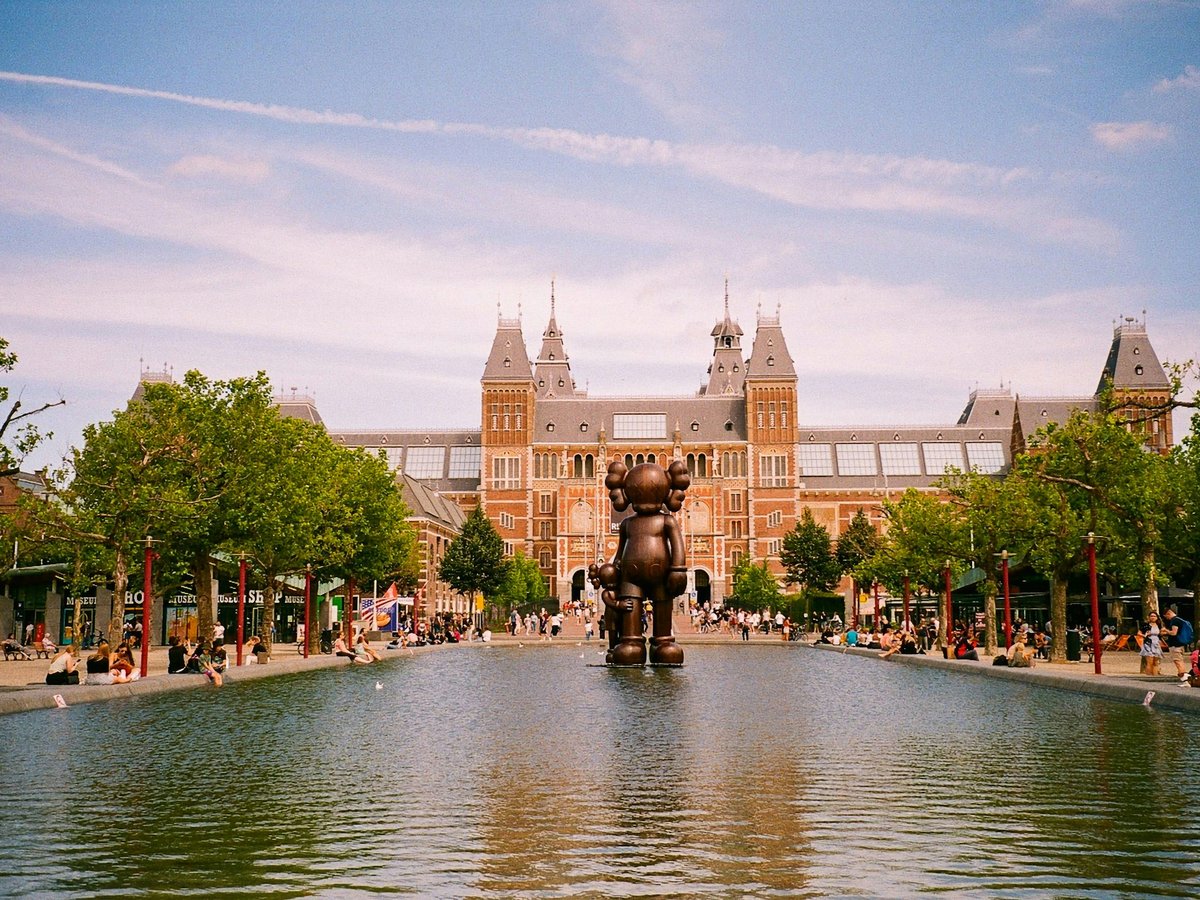
Best museums
Amsterdam wears its museums the way it wears its canals, threaded through the city so tightly that you rarely walk ten minutes without passing one. The Museumplein clusters the heavyweights around a single lawn; the Jordaan hides a wartime annexe behind a bookcase; the old Jewish quarter keeps a painter's studio and a synagogue within the same short walk. What follows is a working editor's list of twelve, ordered by the pull each exerts on a first-time visitor without pretending the ranking is a verdict. Some are national institutions with queues that start before the coffee; others are single rooms, single lives, single centuries of a city that made looking closely into a civic habit. Skip the audio-guide upsell where you can; the objects here tend to argue for themselves. Read the addresses, plan the walks, and let the trams do the rest.
See the picks → -
Must-see attractions
Amsterdam's essential sights are not its loudest. Most of this list is churches, memorials, a synagogue, a palace and a concert hall, and they hold the city's long memory more honestly than any canal cruise does. The span is wide: the Muiderslot dates from 1280, the Concertgebouw from 1886, and the Homomonument from 1987, and several of these places keep tight or unusual hours. The Anne Frank House requires online booking, and the Westerkerk opens on weekdays alone, so plan around the clock, not the map. This list is for the traveller who would rather stand in Amsterdam's oldest building and oldest parish church than queue for a selfie, and it suits anyone willing to take a half-day out to a castle in Muiden. Twelve places, each picked because it tells you something the city's postcard version leaves out. Book the ones that need booking, give the rest an unhurried hour, and let the city's quieter institutions do the talking.
See the picks →
food
-
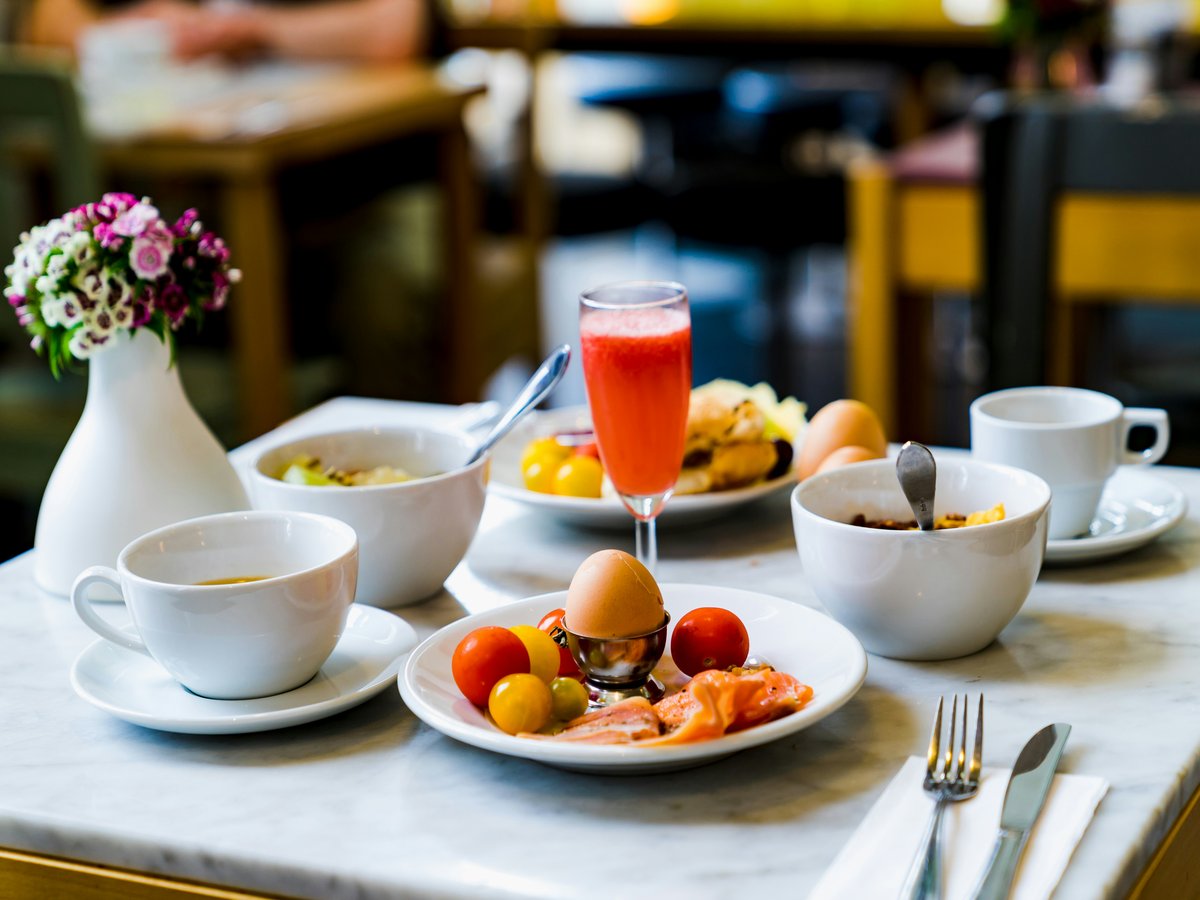
Best cafes
Amsterdam's cafe map is not what a first-time visitor expects. The city calls a great many things a cafe: a bagel counter, a chocolatier, a late-night grill on a canal, a museum tearoom, a Belgian bakery chain, and the honest approach is to acknowledge the range rather than pretend they all serve the same flat white. This list runs from a canal-house kitchen on the Keizersgracht that stays open past 01:00 to a station-side chocolate counter that opens at 08:00 on weekdays, with roasters, bagel shops, a museum-window tearoom, and two chocolate houses in between. The through-line is not a scene; it is that each address does one thing with enough conviction to justify the visit. Skip the identikit coffee-and-avocado corners that repeat themselves from Jordaan to De Pijp; the twelve below have a reason to be exactly where they are, and their hours, phone lines and postal codes are the receipts.
See the picks → -
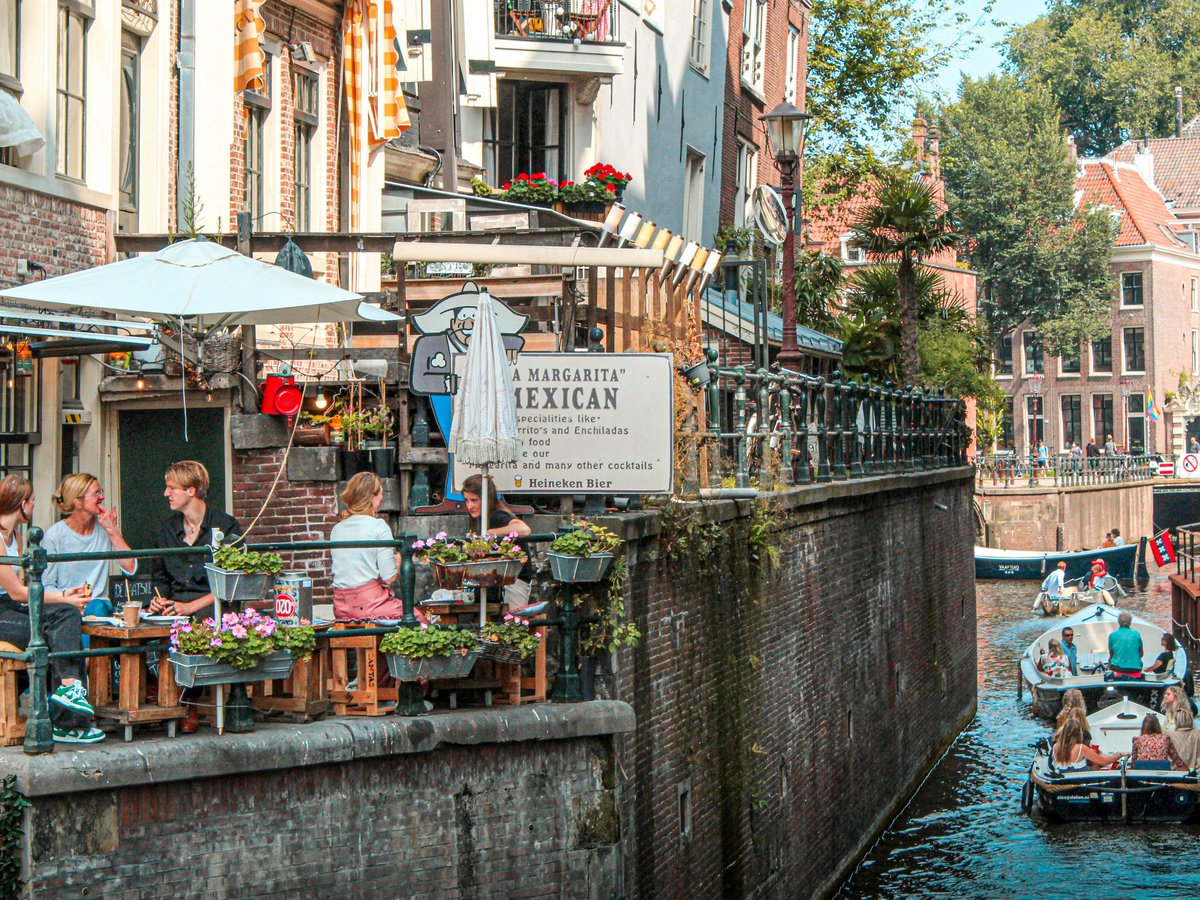
Best restaurants
Amsterdam's dining rooms have outgrown the herring-and-pancake caricature that lingers in guidebooks. The city eats late along the Amstel and early in the old Jewish quarter, and the twelve rooms below are the ones a local editor sends friends to when they ask where to sit down for a proper meal. The list runs from a Mediterranean kitchen on Valkenburgerstraat to a Japanese counter on Plantage Kerklaan, with detours through Korean, Portuguese, Indonesian, Indian, and the kind of Dutch-French cooking that argues for its own tradition. Some open at 12:00 for a proper lunch; others do not unlock the door until 17:00 and then stay busy until well past midnight. Every address is grounded in an open map record so you can find the door without a wrong turn, and every hour is the one the kitchen itself keeps. Read it as a working shortlist for a week of dinners in the centre, not a ranking to argue with. The order is ours; the addresses, hours, and phone numbers are the venues' own.
See the picks →
Browse by traveler type
- For foodies
Amsterdam for foodies
- For families with kids
Amsterdam for families
- For digital nomads
Amsterdam for digital nomads
- For solo travelers
Amsterdam for solo travelers
- For couples
Amsterdam for couples
- For budget travelers
Amsterdam on a budget
- For luxury travelers
Amsterdam for luxury travelers
- For first-timers
Amsterdam for first-time visitors
Book experiences in Amsterdam
 Free cancellation
 Amsterdam Classic Saloon Boat Cruise with Drinks and Cheese
Cruise: 1 hour, free cancellation.
via Viator Free cancellation
 Amsterdam Luxury Canal Cruise + Unlimited Drinks and Bites Option
Cruise: 1 hour, free cancellation.
via Viator Free cancellation
 Amsterdam All-Inclusive 90-Minutes Canal Cruise by Captain Jack
Cruise: 1.5 hours, free cancellation.
via Viator Free cancellation
 Amsterdam: Luxury Canal Cruise including Cocktails & Snacks
Cruise: 1 hour, free cancellation.
via Viator Free cancellation
 Amsterdam Canal Cruise with Local Guide and Small Group
Cruise: 1 hour, free cancellation.
via Viator Free cancellation
 Day Trip to Zaanse Schans, Edam, Volendam and Marken from Amsterdam
Day trip: 6.5 hours, free cancellation.
via Viator Free cancellation
 Amsterdam Canal Cruise in Open Boat with Unlimited Drinks Option
Cruise: 1 hour, free cancellation.
via Viator Free cancellation
 Guided Bike Tour of Amsterdam's Highlights & Hidden Gems
City tour: 3 hours, free cancellation.
via Viator Free cancellation
 10 Tastes of Amsterdam Food Tour: Small Group, Full Meal & Drinks
Day trip: 3 hours, free cancellation.
via Viator Free cancellation
 Amsterdam 90 minutes Canal Cruise with bar and snacks on board.
Cruise: 1.5 hours, free cancellation.
via Viator Free cancellation
 Amsterdam: Canal Booze Cruise with Unlimited Drinks Option
Cruise: 1 hour, free cancellation.
via Viator Free cancellation
 Amsterdam Canal Cruise With Live Guide and Unlimited Drinks
Cruise: 1 hour, free cancellation.
via ViatorBrowse by interest
Compare Amsterdam with
Find a flight to Amsterdam
Live fares to Amsterdam appear here once cookies are accepted.
Last verified by automated review (v1.7.2) on . What is automated review?