Where should I stay in Amsterdam?
Jordaan for your first trip: ten minutes on foot from Centraal Station, five from the Anne Frank House, and surrounded by brown cafés where the bartender pours jenever without being asked. Budget €120–200 for a canal-view hotel. De Pijp if you want to eat well on less, with Albert Cuyp Market two blocks from your door.
Jordaan sits just west of the main canal ring, and it's the neighborhood that feels like the Amsterdam people imagine before they arrive: narrow houses tilting over still water, the smell of fresh stroopwafels drifting out of corner bakeries, cats sleeping in bookshop windows. Tram lines 13 and 17 stop at Westermarkt, which puts you within a fifteen-minute ride of anything south toward the Rijksmuseum or east toward Waterlooplein. Hotels here tend to be small: twenty to forty rooms in converted canal houses where the stairs are steep enough to count as a workout. Expect to pay €120–200 a night (roughly $140–230) for a decent double in high season, April through September, dropping to €80–140 from November through February. The trade-off is space: rooms run small by North American standards, and some older buildings lack lifts. Worth it. You step outside at 8am and the streets are quiet, just delivery bikes and the low toll of the Westerkerk bells.
De Pijp is the pick if you care more about food than proximity to the Dam. Albert Cuyp Market runs six days a week: the raw herring stands at the east end are the test, and the Surinamese roti stalls halfway down are the reward. The neighborhood sits south of the Heineken Experience, a twenty-minute walk from Museumplein or a five-minute metro ride from De Pijp station on the Noord-Zuid line. Hotels are fewer here; you're more likely booking a licensed studio apartment, which runs €90–160 ($105–185) and gives you a kitchen: handy when you've bought too much aged Gouda at the market. The crowd skews younger and more local than Jordaan. Evenings on Gerard Doustraat have a warm, slightly loud energy: wine bars spilling onto the sidewalk, the clatter of plates through open windows, someone's bicycle bell two streets over.
Museumkwartier (the strip south of Vondelpark along Van Baerlestraat) makes sense if the Rijksmuseum, Van Gogh Museum, and Stedelijk are the reason you're coming. You roll out of bed and walk straight into the Rijksmuseum queue before the tour buses arrive from Centraal. Hotels here run pricier: €200–300 ($230–350) at the high end, €130–180 for the mid-range places along Overtoom. Oud-West, just north across Vondelpark, gives you the same museum access at €100–150 with a more residential feel: the kind of streets where you hear someone practicing piano through an open window at four in the afternoon. Both neighborhoods connect to the center via trams 1, 2, and 5 in under ten minutes.
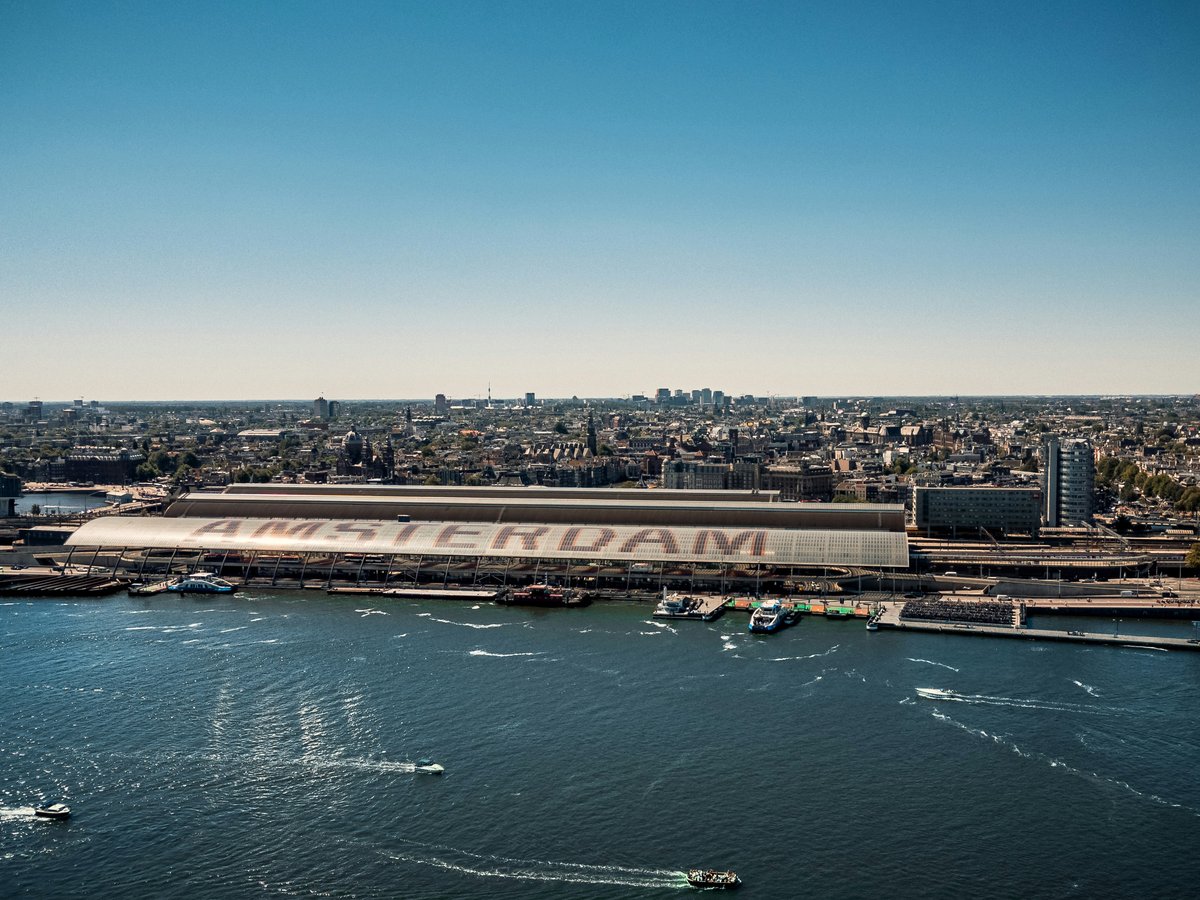
Skip the hotels within two blocks of Centraal Station or along Damrak: you'll pay the same as Jordaan for rooms that smell of fryer oil and face streets packed until 2am with rolling suitcases and bar-crawl groups. De Wallen, the Red Light District, is the same story: it's fine to walk through during the day, but sleeping there means thumping bars, stag parties yelling under your window, and a general atmosphere that gets old by night two. Mind you, Amsterdam is compact enough that even a so-called bad location still puts you twenty minutes by tram from wherever you need to be. The real mistake isn't picking the wrong neighborhood: it's booking a room without checking whether it has a lift. Four flights of near-vertical Dutch stairs with a full suitcase will likely be the most vivid physical memory of your arrival day.
Recommended neighborhoods
Jordaan
Canal-house hotels with steep stairs and small rooms, but you wake up to church bells and quiet streets. Fifteen minutes on foot to Centraal, five to the Anne Frank House. Best all-around first-timer base.
De Pijp
Younger, food-focused neighborhood around Albert Cuyp Market. More apartments than hotels, and a kitchen saves money. Metro connects you to Centraal in ten minutes. Stay here if eating well matters more than museum proximity.
Museumkwartier
Right next to the Rijksmuseum, Van Gogh, and Stedelijk: zero commute to the three big museums. Higher prices but quieter evenings than the canal ring. Walk through Vondelpark to decompress.
Oud-West
Residential streets just north of Vondelpark. Cheaper than Museumkwartier with the same museum access via trams 1 and 2. You'll hear piano practice through open windows, not tourist crowds.
Skip these areas
- Damrak / Centraal Station area: Overpriced, loud until 2am, rooms face a street that never sleeps. You'll pay Jordaan prices for a worse experience. The only advantage is proximity to the train station, which you won't need after your first morning.
- De Wallen (Red Light District): Fine to walk through by day, rough to sleep in. Stag parties and bar noise under your window most nights. The novelty wears thin by the second evening, and you're paying a premium for the location.
Top-rated hotels in Amsterdam
Highly rated stays you can book on Trip.com. Prices are indicative: tap through for live availability and the current rate.

Steigenberger Airport Hotel Amsterdam
from $79/night View deal
Pestana Amsterdam Riverside
from $168/night View deal
Ibis Schiphol Amsterdam Airport
from $58/night View deal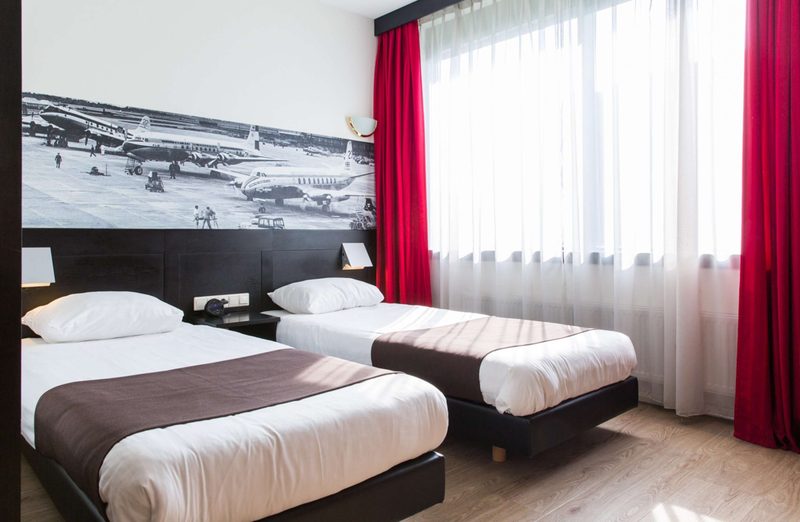
Best Western Plus Amsterdam Airport Hotel
from $56/night View deal
Jaz in The City Amsterdam
from $89/night View deal
DoubleTree by Hilton Amsterdam – Ndsm Wharf
from $84/night View deal
Mövenpick Hotel Amsterdam City Centre
from $146/night View deal
Anantara Grand Hotel Krasnapolsky Amsterdam
from $383/night View deal
TTDI earns a commission on bookings made through these links, at no extra cost to you. We never accept payment for placement.
Last verified by automated review (v1.7.2) on . What is automated review?