Stay in Varanasi in July
59 hotels in the Trip.com pool for Varanasi, from US$5 a night.
Opens Trip.com on Fri 2 Jul to Sun 4 Jul 2027; change the dates there.
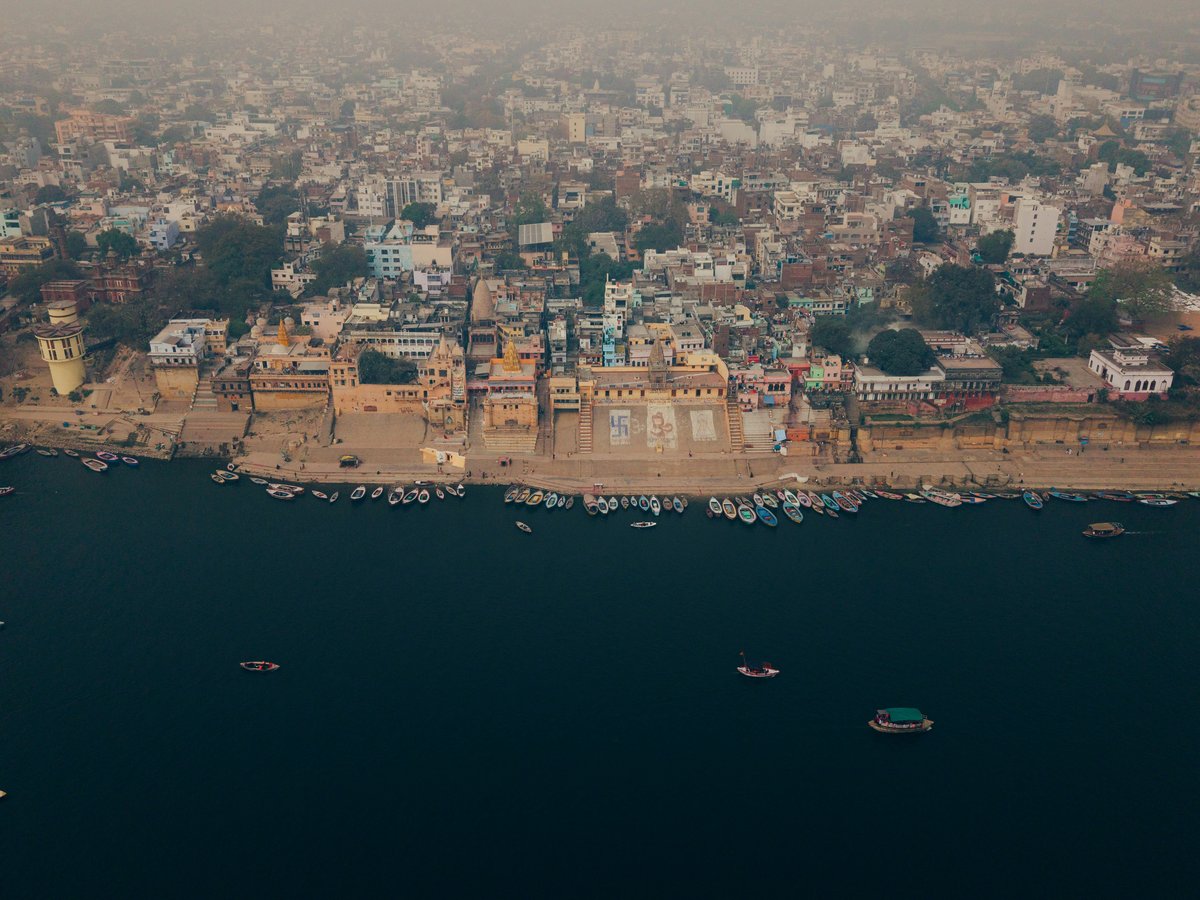
July is Varanasi at its wettest. The monsoon delivers about 304mm of rain across 23 days, and the Ganges swells into a wide brown torrent that swallows the lower steps of Dashashwamedh Ghat and Assi Ghat entirely. Daytime temperatures average 33.8°C (93°F) and rarely drop below 27.1°C (81°F) after dark. Those numbers seem tolerable until 78% humidity hits. The air sits thick and warm against your skin, and a 10-minute walk through the narrow galis near Godowlia leaves your clothes damp. The smell of wet stone and river silt mixes with incense from the ghat temples.
That said, July carries genuine religious weight. Guru Purnima, the full-moon festival honoring spiritual teachers, typically falls in the first half of the month, and Varanasi claims a deep connection to this day. Hindu tradition holds that Shiva became the Adi Guru (first teacher) in this city, making it the symbolic origin of the guru-disciple lineage. The Hindu month of Shravan usually begins around mid-July, drawing millions of Kanwariyas (Shiva devotees) through the city to collect Ganges water. Every Monday of Shravan draws large congregations to the city's Shiva temples.
For most leisure travelers, this is a month to skip. The flooded ghats limit sightseeing, the lanes of the old city turn into ankle-deep streams after heavy rain, and mosquito-borne illness risk rises with the standing water. But if you want Varanasi at its cheapest and most spiritually intense, with almost no international tourist crowds, July delivers. Hotel rates drop roughly 40-50% from the November-February peak, and you will likely be one of very few foreign travelers at your guesthouse.
Why visit in July
- Guru Purnima and the start of Shravan month make July one of the most spiritually significant periods in Varanasi's calendar, with temple ceremonies and rituals that do not occur in any other month.
- Accommodation prices reach their annual floor. Budget guesthouses near Assi Ghat and in the lanes behind Dashashwamedh that require booking weeks ahead in December often have same-day availability.
- International tourist crowds thin to almost nothing, so sites like the evening Ganga Aarti feel more personal and less staged than during the November-February high season.
- The monsoon transforms the landscape. The Ganges at full swell, green vegetation on the banks, and mist rising off the water at dawn create a Varanasi that looks nothing like the dry-season postcard version.
Worth knowing
- The lower steps of most ghats along the 6.8km waterfront disappear underwater, limiting the iconic riverside walks and cutting off access to water-level views.
- Continuous high humidity and rain make extended outdoor sightseeing physically draining, especially in the old city's cramped lanes where air barely circulates.
- Mosquito populations peak with standing water, raising the risk of dengue and other vector-borne illnesses. Aedes mosquitoes bite during the daytime, not only at dusk.
- Road and rail travel across Uttar Pradesh faces monsoon delays. Varanasi Junction-bound trains from Delhi can arrive 4-6 hours late during heavy-rain weeks.
Best for
Think twice if
July sits in the heart of the Indian monsoon. Rain falls on roughly 23 of 31 days, sometimes as short sharp bursts, sometimes as grey curtains that last all afternoon. Pre-dawn offers a brief window of relative calm before humidity rebuilds. Overcast skies dominate, and when the sun breaks through between showers, the air takes on a steamy, greenhouse weight. Nights bring little relief, as temperatures barely dip from their daytime levels. The diurnal range is narrow, roughly 7°C between high and low.
Seasonal caution
- Heavy monsoon rainfall can cause localized flooding in the old city's low-lying lanes and along the Ganges waterfront. The city's drainage struggles with sustained downpours, and streets in Godowlia and Chowk can flood within minutes of intense rain.
- Mosquito-borne illness risk (dengue, chikungunya) rises sharply during monsoon. Use DEET-based repellent and sleep under a net where available. Aedes mosquitoes are active during daylight hours.
- The Ganges current becomes dangerously strong during monsoon. Boat services on the river may be suspended on days of heavy rain or rapid water-level rise. Do not enter the water for bathing or swimming.
Year-round climate
Averages from the last 5 years.
| Month | Avg high (°C) | Avg low (°C) | Rainfall (mm) |
|---|---|---|---|
| Jan | 21 | 10 | 12 |
| Feb | 27 | 13 | 10 |
| Mar | 33 | 19 | 12 |
| Apr | 39 | 24 | 2 |
| May | 39 | 27 | 41 |
| Jun | 38 | 28 | 158 |
| Jul | 34 | 27 | 304 |
| Aug | 32 | 26 | 306 |
| Sep | 32 | 26 | 256 |
| Oct | 31 | 22 | 98 |
| Nov | 28 | 16 | 5 |
| Dec | 23 | 12 | 10 |
Headline events
Guru Purnima
Full moon of the Hindu month Ashadha, typically falling in the first half of July (varies by the lunar calendar)
Annual full-moon festival honoring spiritual teachers, observed across India but centered on Varanasi. Ashrams, universities, and gurukuls hold special ceremonies throughout the day. The evening Ganga Aarti takes on a heightened scale, with the priest contingent expanded and devotees filling the upper ghat steps above the monsoon waterline.
Best things to do in July
Evening Ganga Aarti at Dashashwamedh Ghat during monsoon
culturalThe nightly fire ceremony on the Ganges waterfront continues through monsoon, but the crowd shrinks noticeably from winter levels. The priests perform on the upper steps when the lower platform is submerged, and the flickering oil lamps reflected in rain-wet stone create a different visual from the dry-season version.
Monsoon thins the usual crowd by more than half, making the ceremony more intimate than during November or December.Booking tipNo booking needed. Arrive 30 minutes before sunset to claim a spot on the upper steps. The ceremony happens rain or shine.
Visit Sarnath Museum and Dhamek Stupa
culturalThe archaeological museum at Sarnath, founded in 1910, houses the original Lion Capital of Ashoka and a collection of Gandhara-period sculpture. The Dhamek Stupa nearby marks the site where the Buddha gave his first sermon. Sarnath sits about 10km north of central Varanasi.
The museum offers the best indoor refuge from monsoon rain in the greater Varanasi area. Visitor numbers are a fraction of the winter peak.Booking tipThe museum observes ASI's standard Friday closure. An auto-rickshaw from Godowlia to Sarnath takes about 30 minutes.
Dawn walk along the upper ghats
experienceThe pre-dawn hours, typically between 5am and 6:30am, offer a window before the day's humidity rebuilds. The Ganges at monsoon height fills the entire visible channel, and mist rises off the water surface in the early light. The upper steps of Kedar Ghat, Harishchandra Ghat, and Tulsi Ghat tend to be above the waterline and less crowded than the central ghats.
The river at its widest, the mist, and the near-total absence of tour groups create a monsoon-specific atmosphere impossible to replicate in the dry months.Explore Bharat Kala Bhavan at BHU
culturalThis university museum in the Lanka neighborhood, founded in 1920, holds one of India's strongest collections of miniature paintings, textiles, and archaeological finds. The BHU campus surrounding it turns green and lush during monsoon, a welcome contrast to the dense old city.
A strong indoor option when rain keeps you off the ghats. The monsoon-green campus provides a calmer alternative to the old city.Booking tipCheck BHU's academic calendar. The museum may have reduced hours during summer breaks.
Monsoon street food walk through the old city
foodThe lanes of Chowk and Vishwanath Gali, covered by overhanging balconies and awnings, provide natural shelter for a walking food tour. Chai stalls switch to kulhad service, pakora vendors fire up their kadhai at the first sign of rain, and the smoky smell of charcoal-grilled litti fills the narrower galis.
Monsoon is pakora and chai season across North India. The old-city gali network provides some of the best covered walking food territory in the country.Booking tipNo booking needed. Eat at stalls where you watch the food being cooked fresh. Avoid pre-made items sitting uncovered, as spoilage risk is higher in monsoon humidity.
Visit Ramnagar Fort across the river
culturalThe 18th-century sandstone fort of the Maharaja of Varanasi sits on the opposite bank of the Ganges. Its museum holds a collection of vintage cars, palanquins, weapons, and astronomical clocks. The view of the monsoon-swollen river from the fort's upper ramparts is expansive.
The indoor galleries offer shelter on rainy days, and the monsoon Ganges seen from the ramparts is at its most dramatic. Visitor numbers drop sharply outside the October-March season.Booking tipReach Ramnagar by auto-rickshaw via the road bridge. The ferry crossing may be suspended when the river runs high.
Attend a Shravan Somvar evening at Kashi Vishwanath Temple
spiritualEach Monday during Shravan sees enormous devotional activity at Varanasi's most important Shiva temple. Devotees queue from early morning to pour Ganges water and milk over the Shiva lingam. The evening atmosphere, with bells, chanting, and the press of thousands, is intense and deeply specific to this city.
Shravan Mondays fall only in the July-August window. The scale of devotion at this temple on these days is unmatched in any other period.Booking tipNon-Hindu visitors should check current access policies. Security screening is thorough. Leave bags, electronics, and leather items at your hotel.
What to eat in July
In season: fruit
Langda mango
Varanasi's signature mango cultivar reaches the tail end of its season in July. The Langda variety is prized for its thin skin and almost fiber-free, creamy flesh. Fruit sellers in Godowlia and Lanka stack them in pyramids, and the fragrance of ripe mango carries through the covered lanes.
Jamun (java plum)
Dark purple stone fruit at peak ripeness during monsoon. Street vendors sell them in sal-leaf cones with a sprinkle of black salt. The tart, astringent flavor and the deep purple stain they leave on your tongue are a purely Indian monsoon marker.
On menus now
Litti chokha
Charcoal-roasted wheat balls stuffed with sattu, served alongside smoky mashed brinjal, tomato, and potato. Originally from the Bihar-UP border region, it is a monsoon evening staple at stalls around Lanka and Kabir Chaura. The charred wheat shell and earthy, smoky filling match the energy of a damp evening.
Street food peaks
Pakora
Onion, potato, and green chili fritters that every chai stall starts frying the moment the rain begins. The monsoon pairing of hot pakoras and cardamom chai in a kulhad (clay cup) is the city's default afternoon ritual from July through September. The crackle of batter hitting hot oil is the soundtrack of a wet Varanasi afternoon.
Kachori-jalebi
The standard Banarasi breakfast. Puffed, deep-fried lentil-stuffed bread served with spicy potato curry and a coil of syrup-soaked jalebi. Morning kachori stalls in the Chowk area draw steady lines that persist through drizzle. The smell of hot oil and spiced potato carries two lanes away on humid mornings.
What to drink
Sattu sharbat
A cold drink made from roasted chickpea flour mixed with water, lemon, cumin, and salt. Considered cooling in Ayurvedic practice, and sidewalk vendors across the city sell it through the humid months. Cheap, filling, and oddly refreshing despite looking like muddy water.
Regular events in July
Kanwar YatraFree
Millions of Shiva devotees (Kanwariyas) walk from across North India to collect Ganges water and carry it to Shiva temples, often to Baidyanath Dham in Deoghar, Jharkhand. The route passes through and around Varanasi. Saffron-clad pilgrims on foot are a constant presence along the highways and river access points.
Mid-July through mid-August (the month of Shravan)Nag PanchamiFree
Festival of serpent worship on the fifth day of Shravan's bright fortnight. Temples display snake imagery, and devotees offer milk at serpent shrines. Nag Kuan, a well in the old city associated with serpent mythology, becomes a gathering point.
Late July or early August (varies by lunar calendar)Shravan Somvar gatheringsFree
Every Monday during Shravan, Varanasi's Shiva temples hold extended worship sessions. The phenomenon extends beyond the main temples to dozens of smaller neighborhood mandirs throughout the old city, each drawing its own congregation of local devotees.
Every Monday from mid-July through mid-August, typically four or five datesBest places this July
Ramnagar Fort
heritageThe maharaja's 18th-century fort on the Ganges' east bank. The indoor museum with its vintage cars and Mughal-era arms provides a rainy-day destination, and the view of the monsoon river from the upper ramparts stretches wide in both directions.
RamnagarTulsi Ghat
waterfrontA quieter ghat named after the poet Tulsidas, who is said to have composed the Ramcharitmanas here. The upper steps typically remain above the monsoon waterline, and the relative absence of tourist touts makes it a calmer spot for sitting and watching the river than the more commercial ghats to the north.
south of AssiDurga Kund
templeThe temple pond beside Durga Temple fills dramatically during monsoon, and the red-painted temple reflects in the risen water. Langur monkeys populate the surrounding trees. Mind your belongings and food near the monkeys.
near LankaVishwanath Gali
marketThe narrow covered lane leading toward Kashi Vishwanath Temple, lined with silk shops, bangle sellers, and street food stalls. The overhanging balconies provide partial shelter during monsoon, making this one of the better walking routes when rain falls. Silk shopping is possible here even on the wettest days.
old cityManikarnika Ghat (upper terrace)
culturalVaranasi's principal cremation ghat, where funeral pyres burn continuously regardless of season. The upper terrace remains active even when lower steps are submerged. The atmosphere here carries a weight that no other place in the city shares. Photography is not permitted near the pyres.
old cityKabir Math
heritageThe simple monastery in Kabir Chaura, associated with the 15th-century poet-saint Kabir. The small compound is quiet during monsoon, and the surrounding neighborhood offers a glimpse of Varanasi's syncretic heritage that the more touristed ghats do not emphasize.
Kabir Chaura
Your packing checklist
Tick items off as you pack. Your progress saves in this browser.
All packed — have a great trip.
Insider tips
The boatmen at Assi Ghat still offer rides during monsoon, but conditions vary day to day. On calmer mornings after light overnight rain, a dawn boat ride is possible and dramatically different from the dry-season version, with the river spread wide and the lower ghat architecture half-submerged. Ask about conditions the previous day before paying.
Varanasi's old city galis are a labyrinth in any season, but during monsoon the usual navigation trick of following the crowd stops working because foot traffic drops. Download offline maps before entering the lanes. The alleys around Maidagin and Sonarpura are especially disorienting when empty.
During Kanwar Yatra, avoid road travel on the Varanasi-Deoghar and Varanasi-Prayagraj highways. Saffron-clad pilgrims walk in the road, and traffic slows to a crawl for hours. Trains are a more reliable option for onward travel during this period.
The silk shops in Vishwanath Gali see less foot traffic during monsoon, and shopkeepers tend to be more willing to negotiate. If you want Banarasi silk, July pricing runs softer than winter, when bus-tour groups pass through with less time and less patience to bargain.
Avoid these mistakes
- Wearing leather sandals or flip-flops on the ghat steps. The stone becomes extremely slippery when wet, and leather offers zero grip. Every monsoon season, travelers slip and injure themselves on the descent. Wear rubber-soled shoes with straps that hold your foot in place.
- Planning all-day outdoor itineraries without monsoon rain breaks. The heaviest downpours typically arrive between 2pm and 5pm. Schedule indoor activities like the Sarnath Museum or Bharat Kala Bhavan for the afternoon, and save the ghats for morning.
- Drinking tap water or eating uncovered street food. Waterborne illness risk rises sharply during monsoon. Stick to sealed bottled water and freshly prepared food you watch being cooked. Stalls that leave food sitting out uncovered in this humidity are the primary risk vector.
Practical tips for July
Book trains well in advance through IRCTC. The Varanasi Junction routes to New Delhi and Mumbai see heavy demand from Kanwariyas during Shravan, and sleeper-class tickets fill up 2-3 weeks ahead. Flights to Lal Bahadur Shastri International Airport (VNS) continue normally, though afternoon departures sometimes face monsoon delays. Most guesthouses in Assi and near the ghats remain open year-round but may have dampness or mold in ground-floor rooms during monsoon. Ask for an upper floor when booking. Carry small-denomination rupee notes. ATMs in the old city occasionally run dry during extended power outages, and many chai stalls and auto-rickshaw drivers do not accept digital payments in the narrower lanes. Dress conservatively at all temples. Monsoon clothing tends toward shorts and tank tops, but neither will be admitted at Kashi Vishwanath Temple or Durga Temple. Cover your knees and shoulders. Varanasi scores 5.8/10 for solo-traveler safety (see the TTDI Solo-Safety Index). The old city's lanes feel more isolated after 9pm during monsoon when foot traffic drops and street lighting is patchy. Solo travelers should stick to well-trafficked routes at night and carry a working phone light.
FAQ
Is July a good time to visit Varanasi?
For most travelers, no. July is deep monsoon season with heavy rain on the majority of days, flooded ghats, and thick humidity that makes outdoor sightseeing physically draining. That said, if you are drawn to Hindu spiritual practices, Guru Purnima and the start of Shravan month make it one of the most religiously active periods of the year. Accommodation is at its annual cheapest, and you will encounter very few other international visitors.
Are the ghats accessible during monsoon in Varanasi?
Partially. The Ganges rises substantially, and the lower 10-20 steps of most ghats are submerged for much of July. The upper terraces of the major ghats remain walkable, and the evening Ganga Aarti at Dashashwamedh continues from a raised position. Some of the smaller, less-maintained ghats may be entirely underwater. Boat rides depend on river conditions and may be suspended on heavy-rain days. The cremation fires at Manikarnika Ghat continue year-round, relocated to higher ground when necessary.
Is Varanasi crowded in July?
International tourist numbers drop to their annual low. You will likely have museums, restaurants, and many ghat viewpoints largely to yourself. Domestic pilgrimage traffic, however, increases during Shravan month starting mid-July. Kanwariyas pass through the city on their way to collect Ganges water, and Shiva temples draw large congregations on Mondays. These crowds concentrate around specific temple routes rather than across all tourist areas.
What should I wear in Varanasi in July?
Lightweight, quick-dry synthetic clothing works best. Cotton absorbs moisture and stays wet in the humidity. Cover your knees and shoulders for temple visits. Secure-strap sandals with textured rubber soles handle the wet ghat steps better than any other footwear. A light long-sleeve layer for evenings helps against mosquitoes. Leave anything leather at home, as it absorbs water, grows mold, and loses grip on stone surfaces.
Things to Do in Varanasi in July
 Free cancellation
 Full Day Sightseeing Of Varanasi - Ultimate 1 Day in Varanasi
Day trip: 10 hours, free cancellation.
via Viator Free cancellation
 Private Full-Day Varanasi Tour with Boat Ride
Day trip: 12 hours, free cancellation.
via Viator Free cancellation
 Photo Tour In Holy Varanasi
Day trip: 3.5 hours, free cancellation.
via ViatorFind a flight to Varanasi
Live fares to Varanasi appear here once cookies are accepted.
Last verified by automated review (v1.7.2) on . What is automated review?